
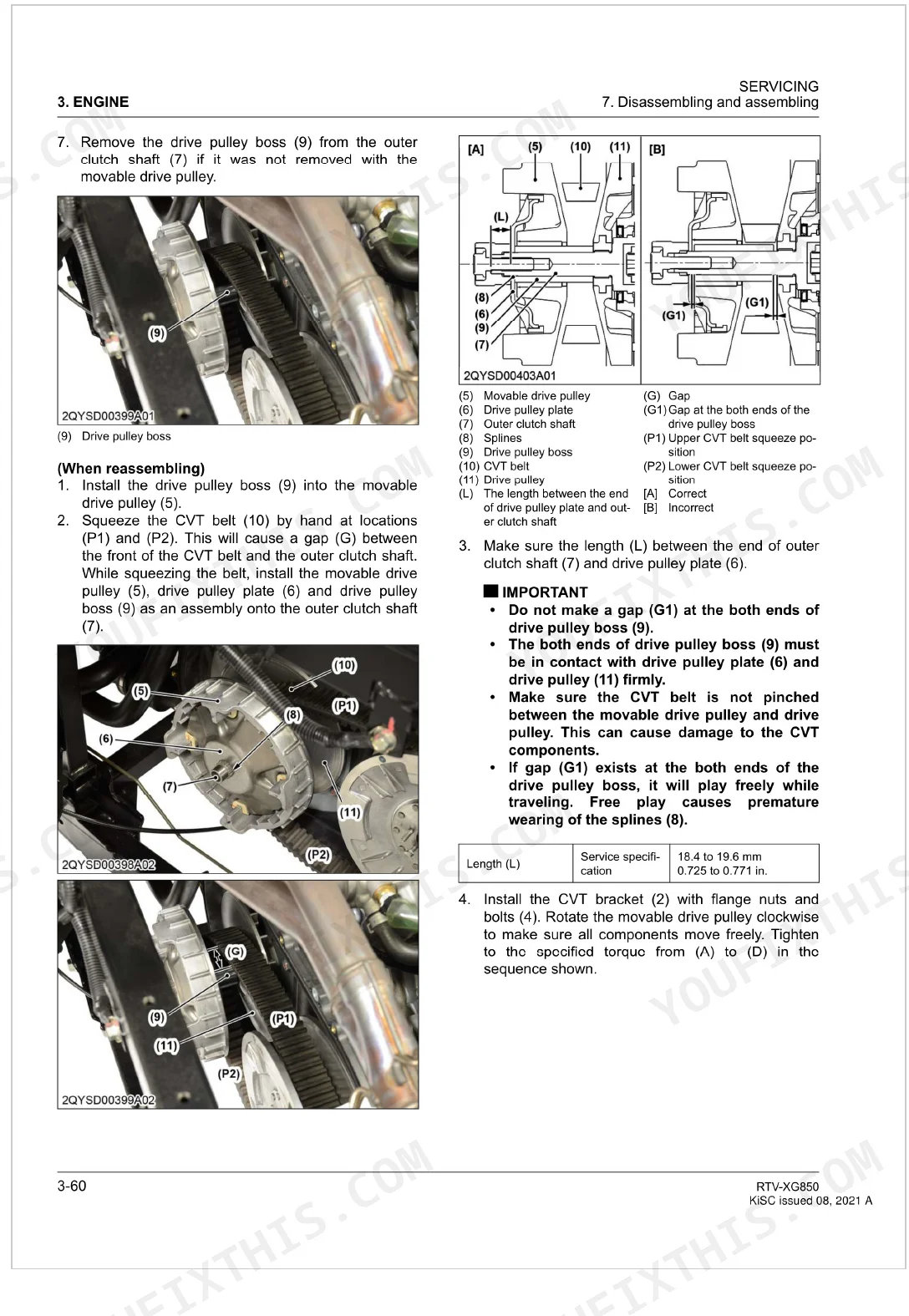
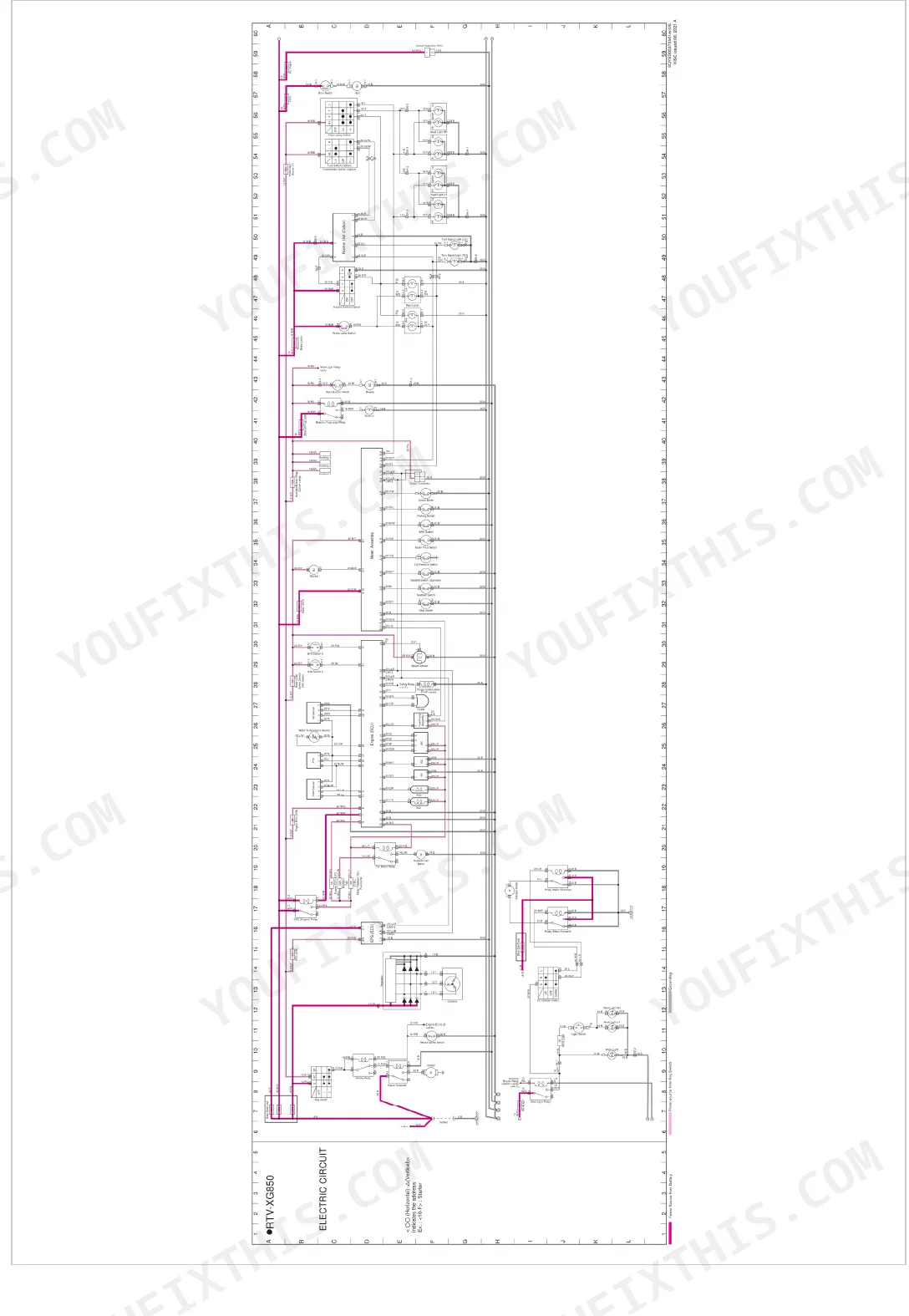
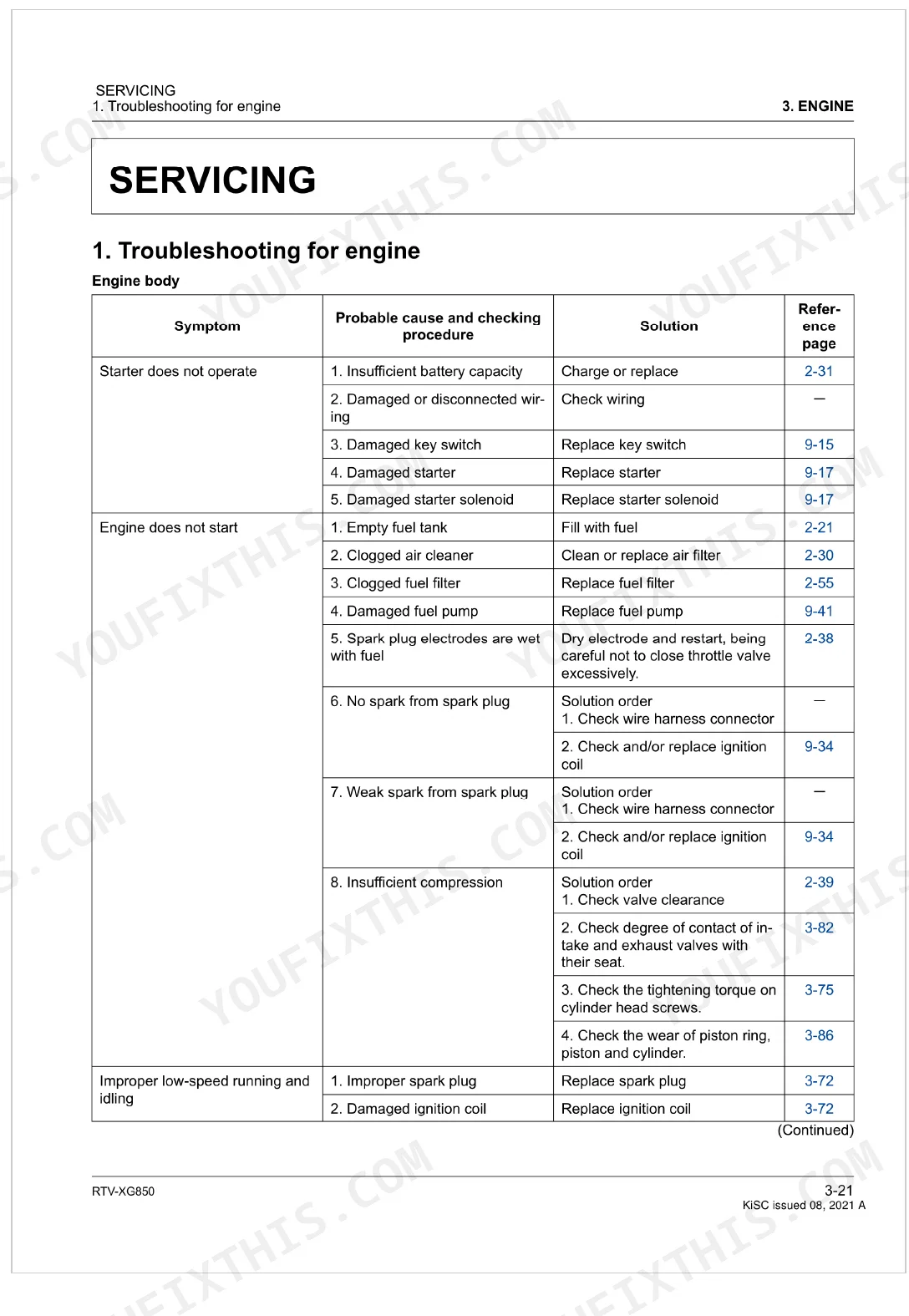
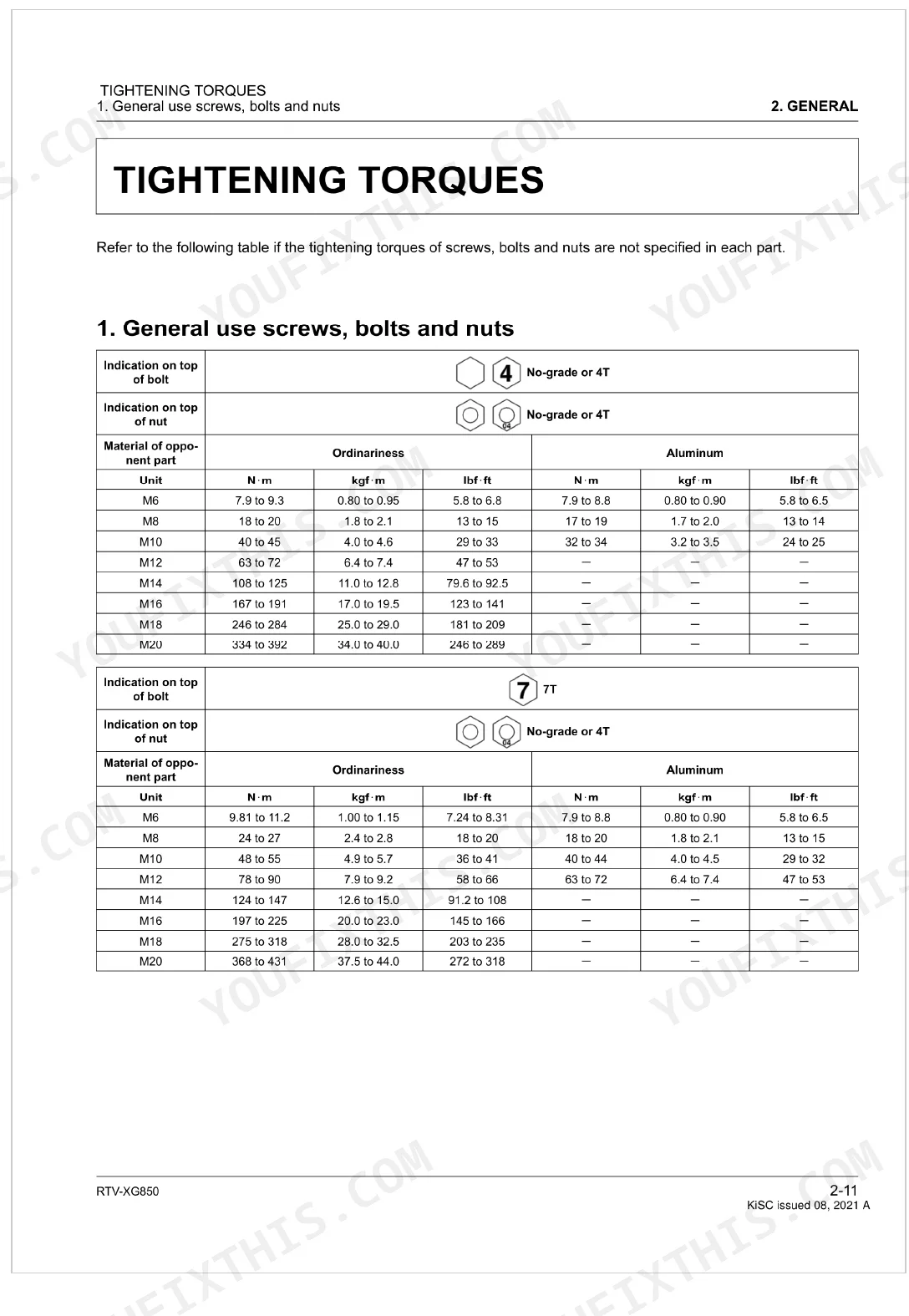
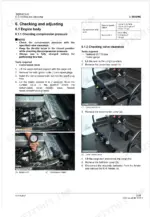
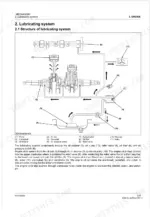
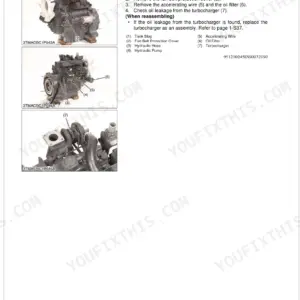
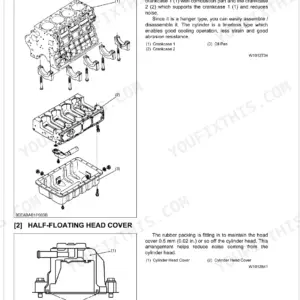
Two variants, one volume: this Workshop Manual (OEM #9Y111-18024) covers the standard RTV-XG850 and the EVAP build alike, tracing each system from EFI fuel delivery to electronic power steering across 392 pages. Wiring diagrams map every circuit in the electrical system, sitting alongside hydraulic schematics and multi-system troubleshooting charts that carry diagnostic trouble codes for the EPS ECU. Roughly 160 pages walk through step-by-step procedures with exploded views, and a 6-page torque table pins down hydraulic fittings, metric hardware, and UNC/UNF threads. Fuel tank holds 32.7 liters; top it off, then torque your M8 fasteners to 18-20 N·m before buttoning anything up. When the machine is down, you want the factory answer instead of a forum guess. Everything is bookmarked by system and searchable by keyword, so you can pull it up on a tablet right at the shop floor.
What's Inside This Kubota RTV-XG850, RTV-XG850 EVAP Manual
| System | Pages | Key Topics |
|---|---|---|
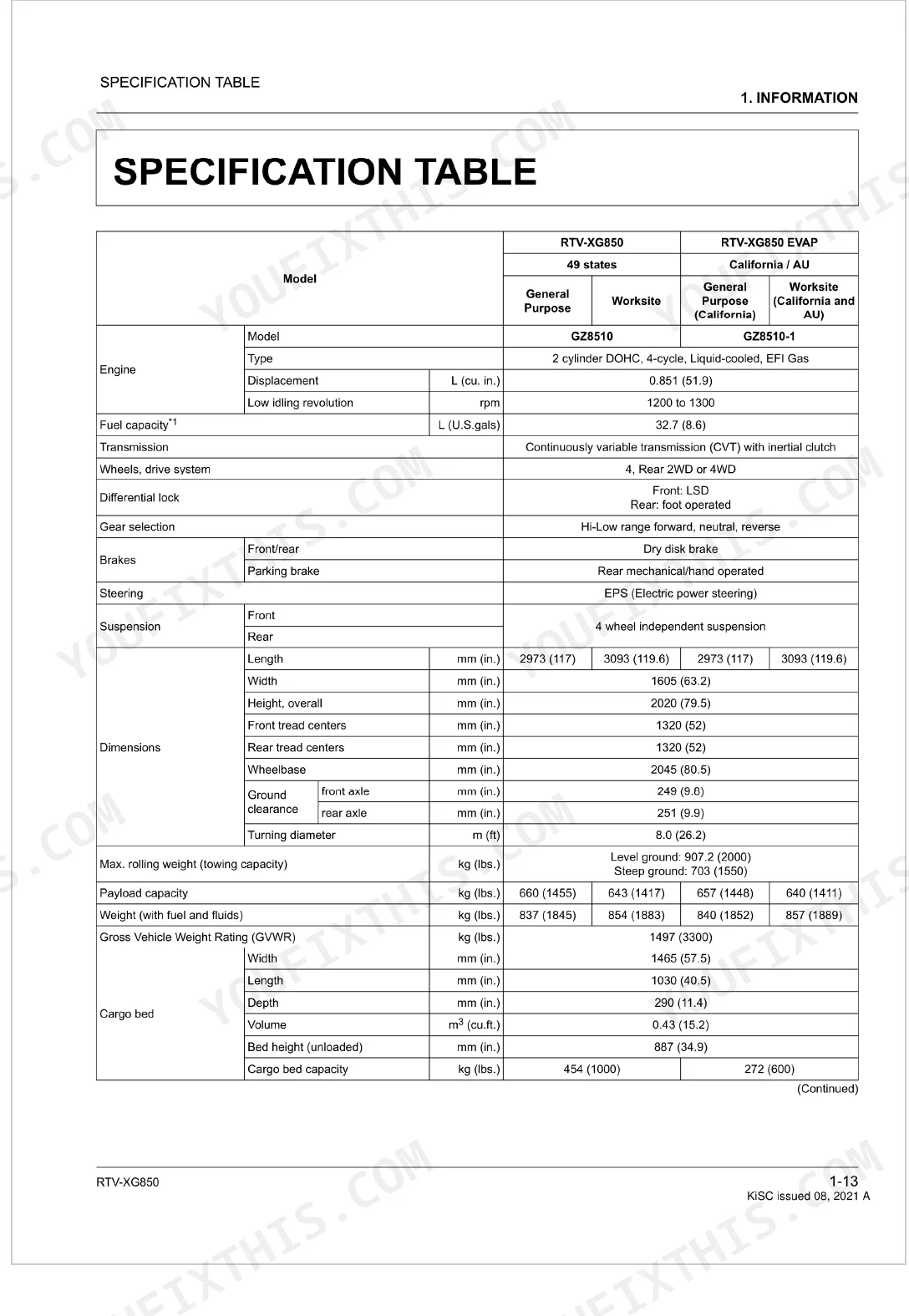
| Information | 17-35 | Safety First, Safety Labels for RTV, Care of danger, warning and caution labels, Specification Table, Traveling Speeds, Dimensions |
| General | 36-110 | Product Identification, General Precautions, Handling Precautions for Electrical Parts and Wiring, Lubricants, Fuel and Coolant, Tightening Torques, Maintenance Check List |
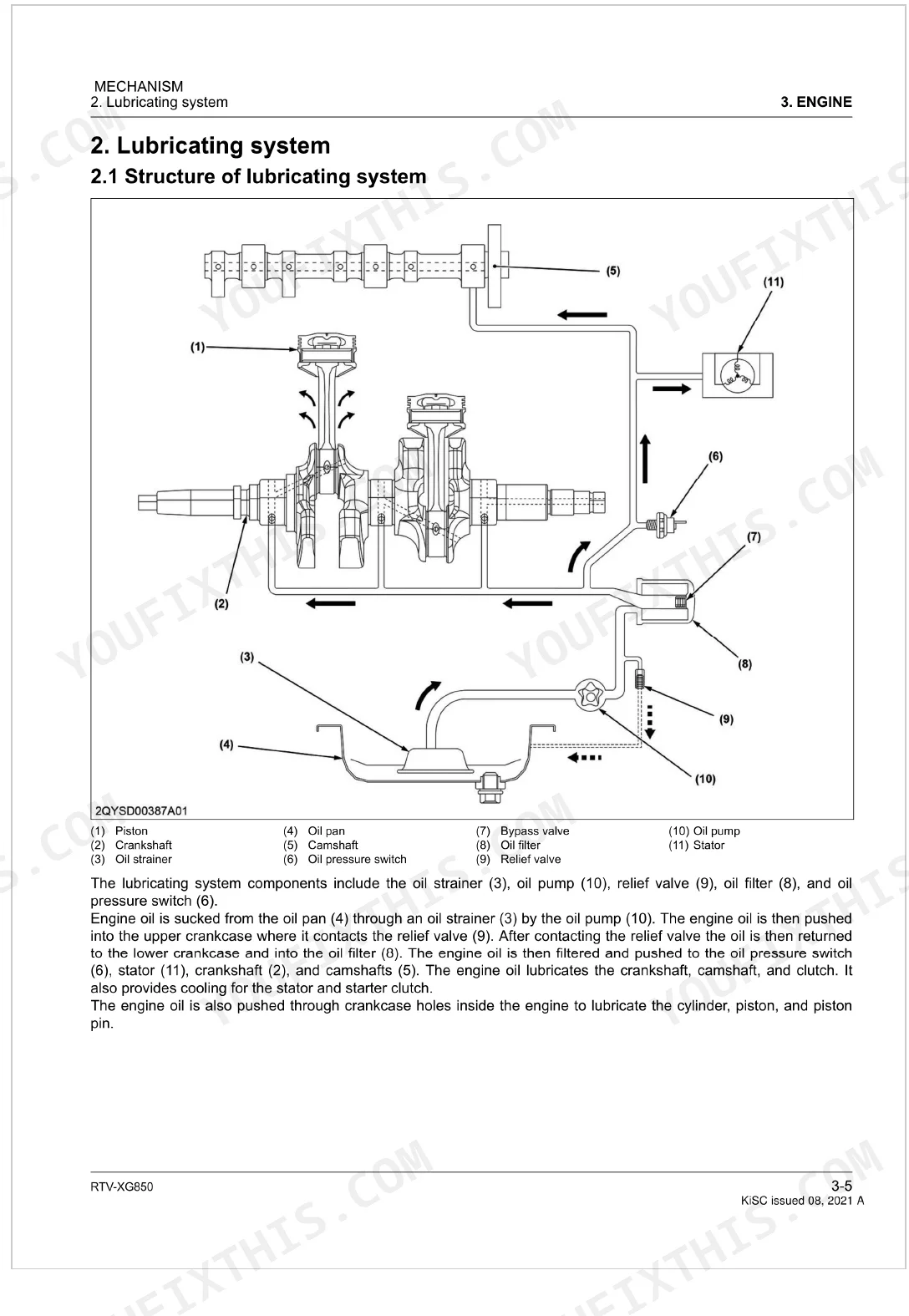
| Engine | 111-205 | Mechanism (Engine Body, Function of Camshaft, Function of Cylinder, Function of Crankcase and Oil Pan, Function of Piston, Function of Connecting Rod, Function of Balancer, Function of Flywheel, Lubricating System, Structure of Lubricating System, Function of Oil Pump, Function of Oil Filter and Relief Valve, Cooling System, Outline of Cooling System, Structure of Cooling System, Coolant Flow with Thermostat Fully Closed 66 °C, Coolant Flow with Thermostat Fully Open 84 °C, Function of Water Pump, Function of Thermostat, Function of Radiator, Function of Radiator Cap, Fuel System, Structure of Electronic Fuel Injection System, Outline of Multi-Point Injection System, Function of ISC, Function of Throttle Position Sensor, Function of TMAP Sensor, Function of O2 Sensor, Function of Coolant Temperature Sensor, Function of Crankshaft Position Sensor, Structure of Fuel System, Structure of EVAPO System, Structure of Intake System) |
| Transmission | 206-252 | Mechanism (Structure of Transaxle, Structure of CVT, Structure of Range Gear Shift, Gear Positions, Structure of Front Wheel Drive, Structure of Differential Lock) |
| Suspension | 253-263 | Mechanism (Structure of Suspension) |
| Brakes | 264-298 | Mechanism (Outline of Traveling Brake, Structure of Traveling Brake, Outline of Automatic Brake Adjustment, Outline of Master Cylinder, Outline of Brake Oil, Outline of Parking Brake) |
| Front Axle | 299-321 | Mechanism (Structure of Front Axle, Structure of Limited Slip Differential, Operation of Limited Slip Differential) |
| Steering | 322-336 | Mechanism (Structure of Electronic Power Steering) |
| Electrical System | 337-392 | Mechanism (Location of Electrical Components, Starting System, Function of Key Switch, Function of Starter Solenoid, Outline of Starter, Outline of Neutral Safety Switch, Location of Relay, Charging System, Function of Charge Coil, Function of Regulator, Outline of Brake Lamp Switch, Lighting System, Function of Head Light Switch, Cooling System, Outline of Fan Motor, Outline of Coolant Temperature Sensor, Outline of Traveling Speed Sensor, Gauge System, Function of Fuel Level Sensor, Meter Panel, Outline of Easy Checker, Others, Outline of 12 V Electric Outlet) |
Quick Reference Specifications
| Specification | Value | Page |
|---|---|---|
| All Models | ||
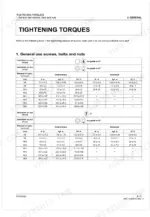
| General use screws, bolts and nuts (M6, No-grade or 4T) | 7.9 to 9.3 N·m | p. 47 |
| General use screws, bolts and nuts (M8, No-grade or 4T) | 18 to 20 N·m | p. 47 |
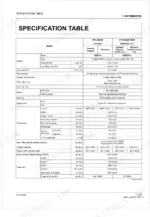
| Engine Displacement | 0.851 L (51.9 cu. in.) | p. 30 |
| Fuel Tank Capacity | 32.7 L (8.6 U.S.gals) | p. 30 |
| High Range Traveling Speed | 64.4 km/h (40 mph) | p. 32 |
| Engine Oil Capacity (Filter exchanged) | 3.8 L (4.0 U.S.qts) | p. 45 |
| Transmission Fluid Capacity | 2.5 L (2.6 U.S.qts) | p. 45 |
| General Use Bolt Torque (M10, 7T) | 48 to 55 N·m (36 to 41 lbf·ft) | p. 47 |
| Wheel Fastener Torque | 130.0 to 150.0 N·m (95.89 to 110.6 lbf·ft) | p. 65 |
| Engine Oil Change Interval | Every 100 hrs (3000 km) | p. 53 |
| RTV-XG850 | ||
| Cargo Bed Capacity | 454 kg (1000 lbs) | p. 30 |
| RTV-XG850 EVAP | ||
| Cargo Bed Capacity | 272 kg (600 lbs) | p. 30 |
Kubota RTV-XG850, RTV-XG850 EVAP Common Problems This Manual Covers
Kubota RTV-XG850 cranks over but won't fire, engine won't start in cold weather
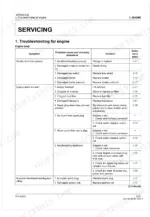
Work through the Engine Troubleshooting steps for no-start conditions, then pull ECU diagnostic codes: fuel pump, injector, and crankshaft position sensor faults all block a cold start. Verify the crankcase oil level, which holds 3.8 L (4.0 U.S.qts) with filter exchange, and confirm there's fuel in the tank (capacity 32.7 L / 8.6 U.S.gals).
Manual Section: Engine TroubleshootingCVT belt slips under load, machine loses power and bogs down on hills p. 217
Remove the CVT cover and measure belt width with calipers. Service limit is 34.5 mm (1.36 in.) per the Transmission section on page 217; replace it the moment it sits at or below that mark. Inspect the primary and secondary sheave faces for glazing or scoring, then wipe them down with a dry cloth before fitting a new belt.
Manual Section: Transmission TroubleshootingBrake pedal feels spongy or goes nearly to floor under normal braking p. 271
Bleed the brake system from the farthest caliper inward; reservoir and lines hold 0.28 L (0.3 U.S.qts). The spongy-pedal procedure lives in Brakes Troubleshooting on page 271. Inspect brake pads every 100 hrs (3000 km) per page 53, and change the fluid every 2 years per page 54, since moisture absorption softens pedal feel over time.
Manual Section: Brakes TroubleshootingFront wheels wander on straight road, steering wheel vibrates or pulls to one side p. 325
Inspect the front wheel mounting nuts and torque them to 130.0 to 150.0 N·m (95.89 to 110.6 lbf·ft) per page 65. Confirm the front axle slotted nut torque next: spec is 190 to 200 N·m per page 306. The Steering Troubleshooting steps for front wheel wander start on page 325; for torque sensor faults, pull EPS ECU diagnostic codes from page 326.
Manual Section: Steering TroubleshootingEngine temperature gauge climbs into the red zone, frequent overheating at low speeds
Check coolant level first; system capacity is 6.0 L (6.3 U.S.qts) with the reserve tank per page 45. Clear debris off the radiator fins and make sure the fan motor spins freely. Pull ECU trouble codes, where overheating and fan motor relay faults are logged. Flush and refill coolant on the 2-year schedule per page 54.
Manual Section: Engine TroubleshootingFrequently Asked Questions
What are the recommended service intervals?
The maintenance check list breaks service into intervals. Engine start system and greasing get checked every 50 hours or 1500 km, while wheel fastener torque, brake pad wear, and battery condition fall on the 100-hour (3000 km) schedule.
What fluids and capacities does this machine require?
Each system takes its own fluid and volume. The fuel tank holds 32.7 L (8.64 U.S.gals) of unleaded or regular gasoline (87 octane or higher). With the filter exchanged, the engine crankcase takes 3.8 L (4.0 U.S.qts) of API SG, SH, SJ or higher oil, and the transmission case needs 2.5 L (2.6 U.S.qts) of KUBOTA UDT or SUPER UDT-2 fluid.
How to troubleshoot engine won't start?
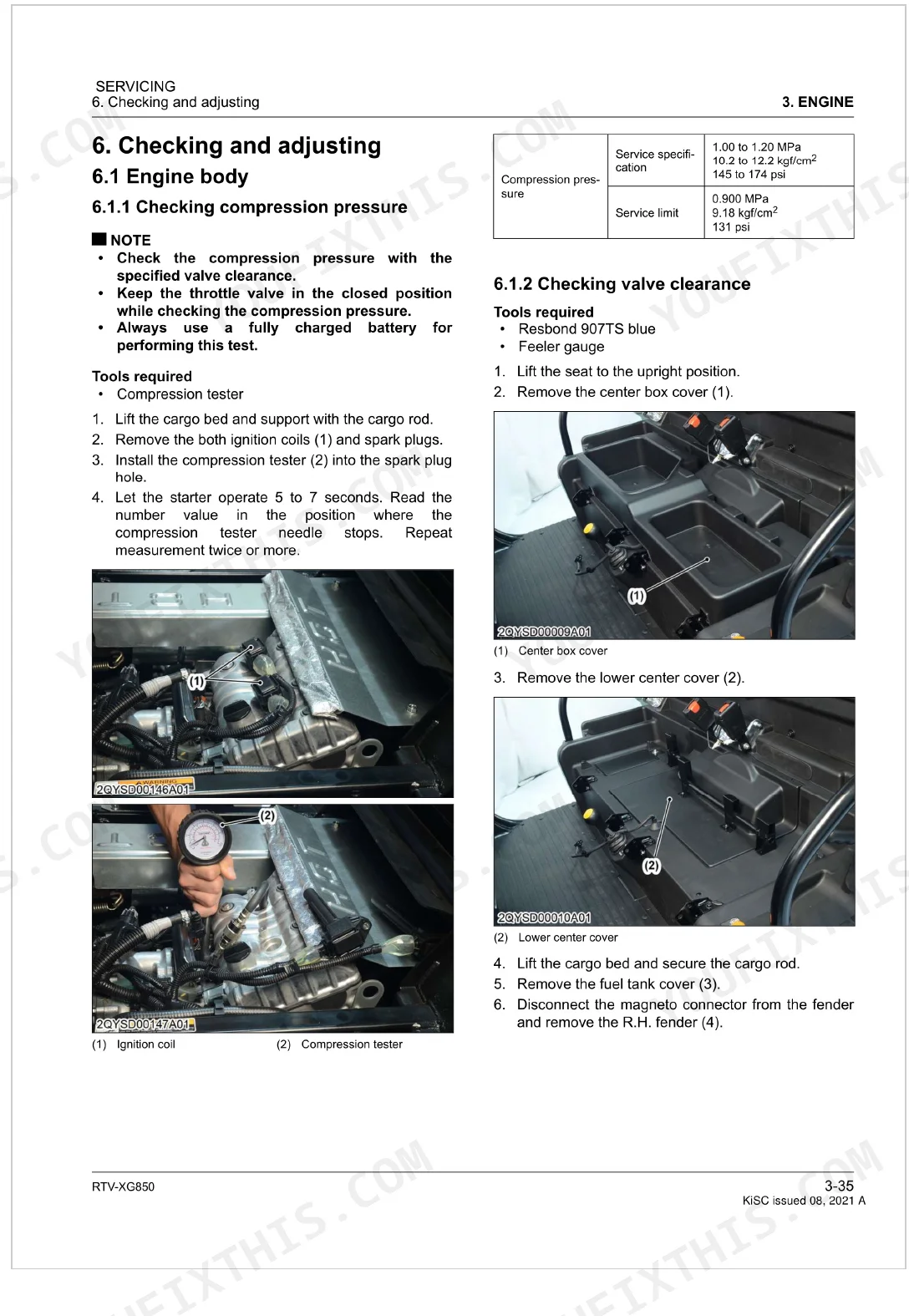
A no-start usually traces to one of a few faults: an empty fuel tank (page 2-21), a clogged air cleaner (page 2-30), or a damaged fuel pump (page 9-41). Wet spark plug electrodes (page 2-38) and low compression (page 2-39) will also keep it from firing.
What torque specifications are listed?
Torque figures run throughout the manual. General-use M6 bolts and nuts call for 7.9 to 9.3 N·m (0.80 to 0.95 kgf·m), and M10 hardware in property class 4T takes 40 to 45 N·m (4.0 to 4.6 kgf·m). Component-specific values apply too, such as 29.0 to 34.0 N·m (2.96 to 3.46 kgf·m) for the exhaust cover bolt.
Is this Kubota RTV-XG850, RTV-XG850 EVAP Workshop Manual a digital download?
Download the complete 392-page searchable Workshop Manual right away. It opens on any device, whether that's a laptop at your desk or a phone out in the field.
Is this Kubota RTV-XG850, RTV-XG850 EVAP Workshop Manual printable?
No restrictions at all. Print individual pages, full chapters, or the entire manual. The PDF is completely unlocked.
Can I find wiring schematics in this Kubota RTV-XG850, RTV-XG850 EVAP manual?
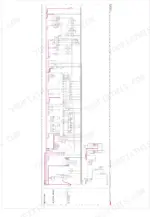
Yes. You'll find full electrical schematics with wire routing diagrams, connector identification, and circuit descriptions.
Document Quality
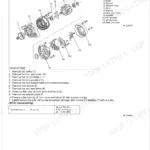
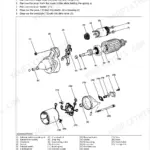
This document is a native digital PDF, allowing you to search and copy all text. The text is consistently crisp and easy to read on every page. Diagrams and illustrations are sharp vector graphics, maintaining readability for all labels even when zoomed in. All pages are clean, presenting no scan artifacts, stains, or skewed content. You will find several blank pages that serve as intentional section breaks or placeholders.


Reviews
There are no reviews yet.