
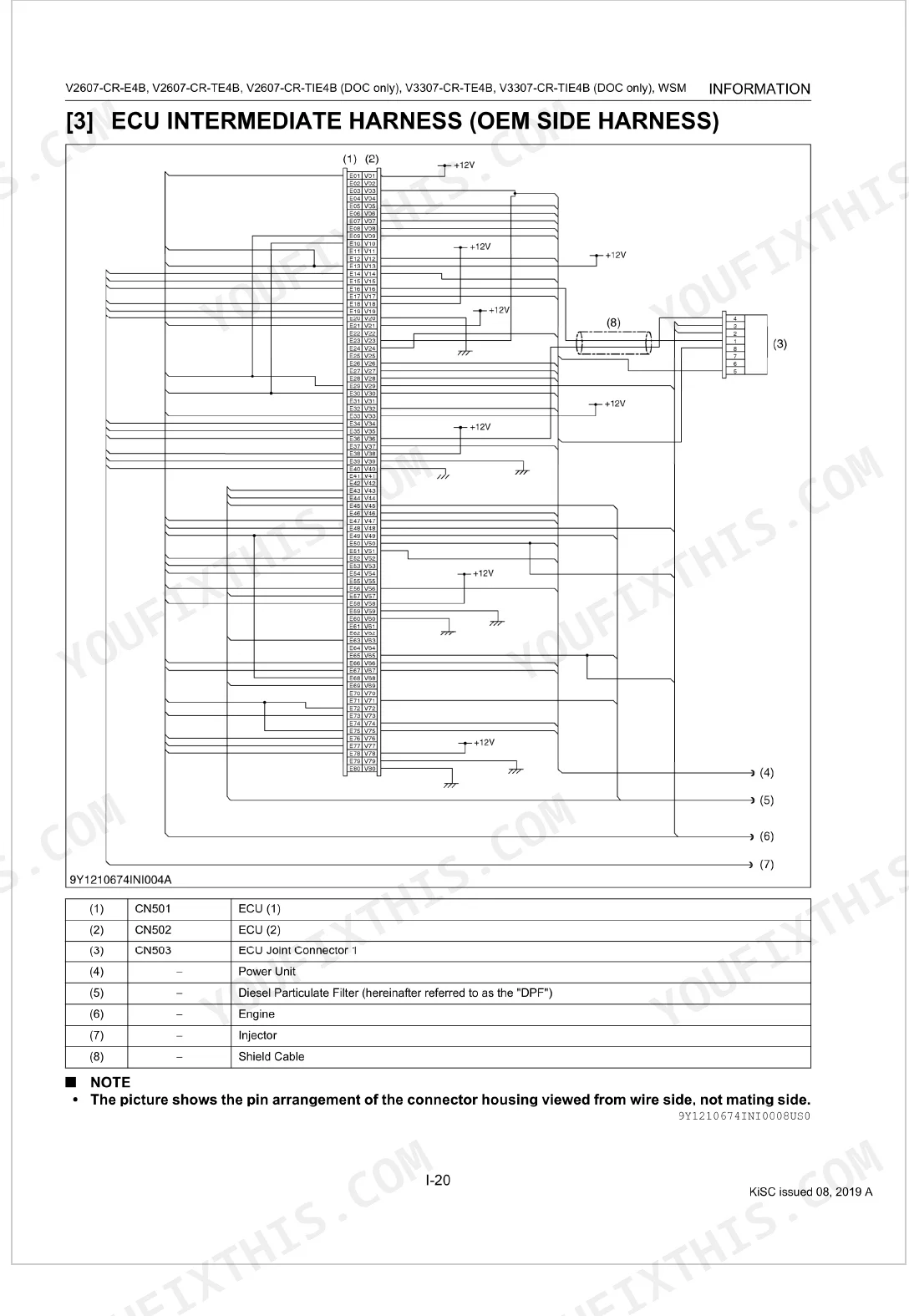
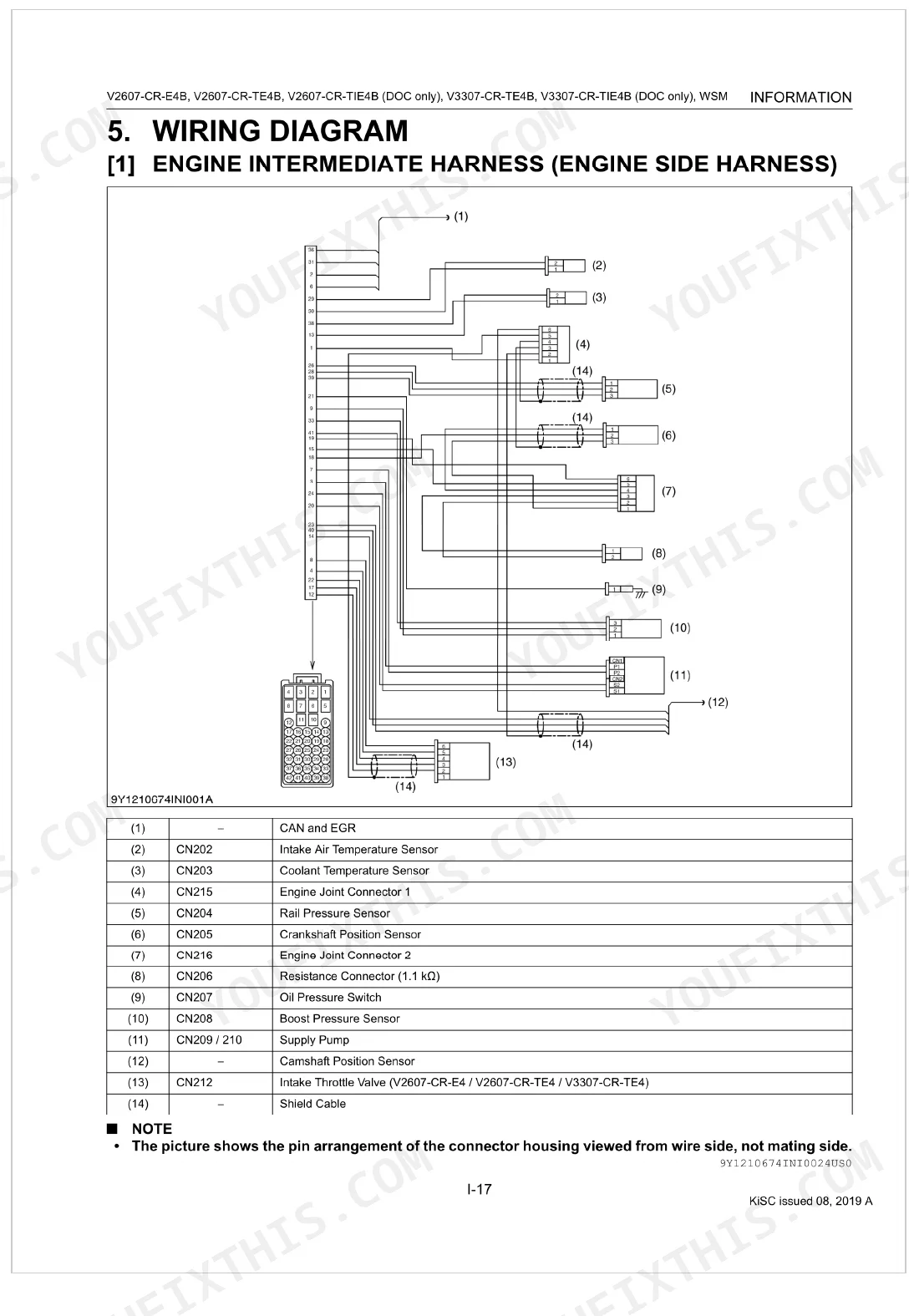
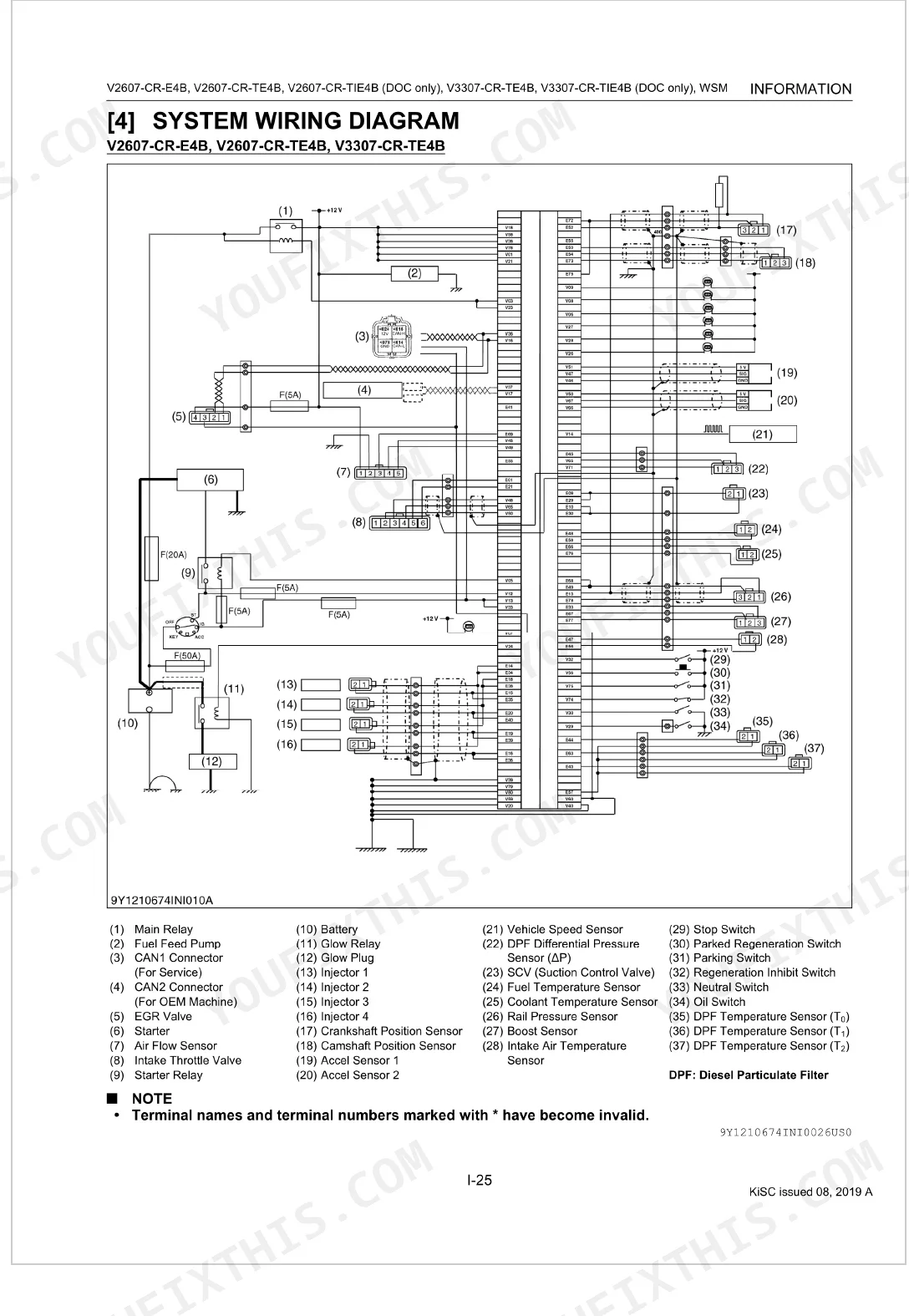
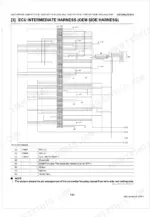
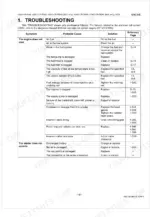
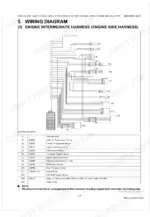
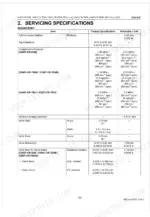
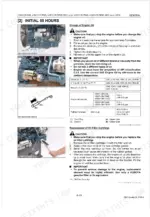
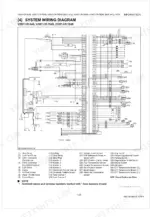
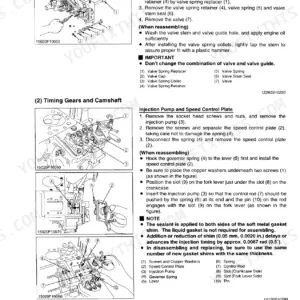
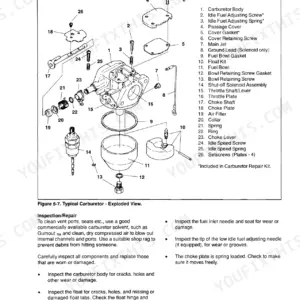
All 223 pages of this Kubota V2607–V3307 Series Shop Manual (OEM #9Y111-06749) zero in on five common-rail diesel variants: V2607-CR-E4B, V2607-CR-TE4B, V2607-CR-TIE4B, V3307-CR-TE4B, and V3307-CR-TIE4B. Inside you get full system wiring diagrams covering the engine intermediate harness, injector harness, and ECU harness, plus 77 pages of disassembly and assembly procedures walking you through common rail, cylinder head and valves, supply pump, turbocharger, EGR, piston and connecting rod, and crankshaft. The troubleshooting section pairs with a complete servicing specifications table and tightening torque charts for both general and special-use fasteners. Change the oil at 500 hours or once a year (whichever hits first), clean the DPF at 1,500 hours, and top the V2607 oil pan to 10.2 L before startup. Your machine is down. Get the factory numbers, not forum estimates. Bookmarked and keyword-searchable — pull up any section on your tablet right at the engine.
What's Inside This Kubota V2607–V3307 Series Manual
| System | Pages | Key Topics |
|---|---|---|
| Information | 4-31 | Safety First, Specifications, Performance Curves, Dimensions |
| General | 32-87 | Engine Identification (Model Name And Engine Serial Number, Cylinder Number), Muffler Full Assembly Identification (Part Number And Serial Number), Maintenance Check List |
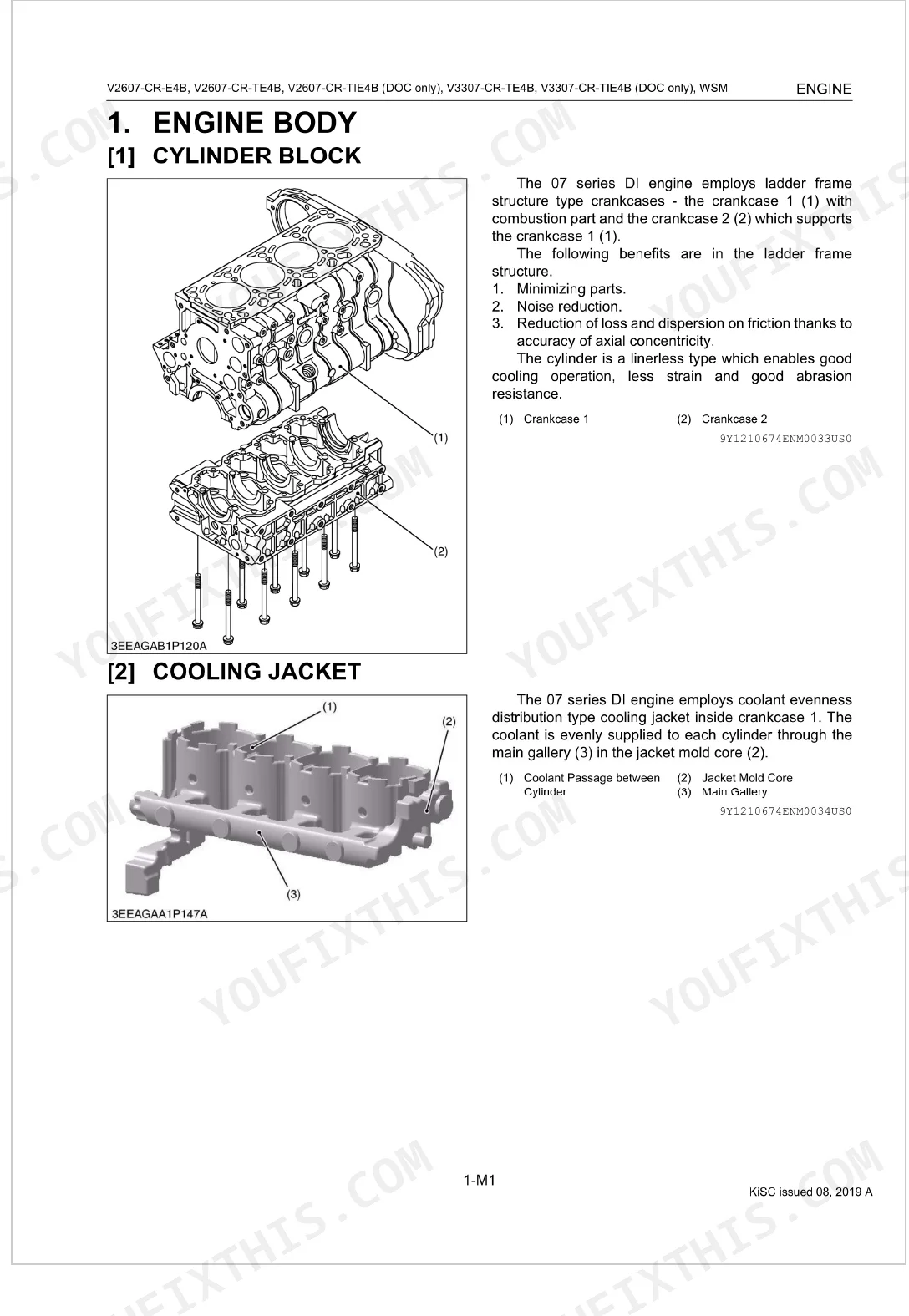
| Engine | 88-118 | Engine Body (Cylinder Block, Cooling Jacket, Half-Floating Head Cover, Cylinder Head, Screws Per Each Cylinder Assembling Structure, Center Direct Injection System, Gear Train Configuration, Piston) |
| Servicing | 119-223 | Troubleshooting, Servicing Specifications, Tightening Torques (Screws, Bolts: General Use, Special Use), Checking |
Quick Reference Specifications
| Specification | Value | Page |
|---|---|---|
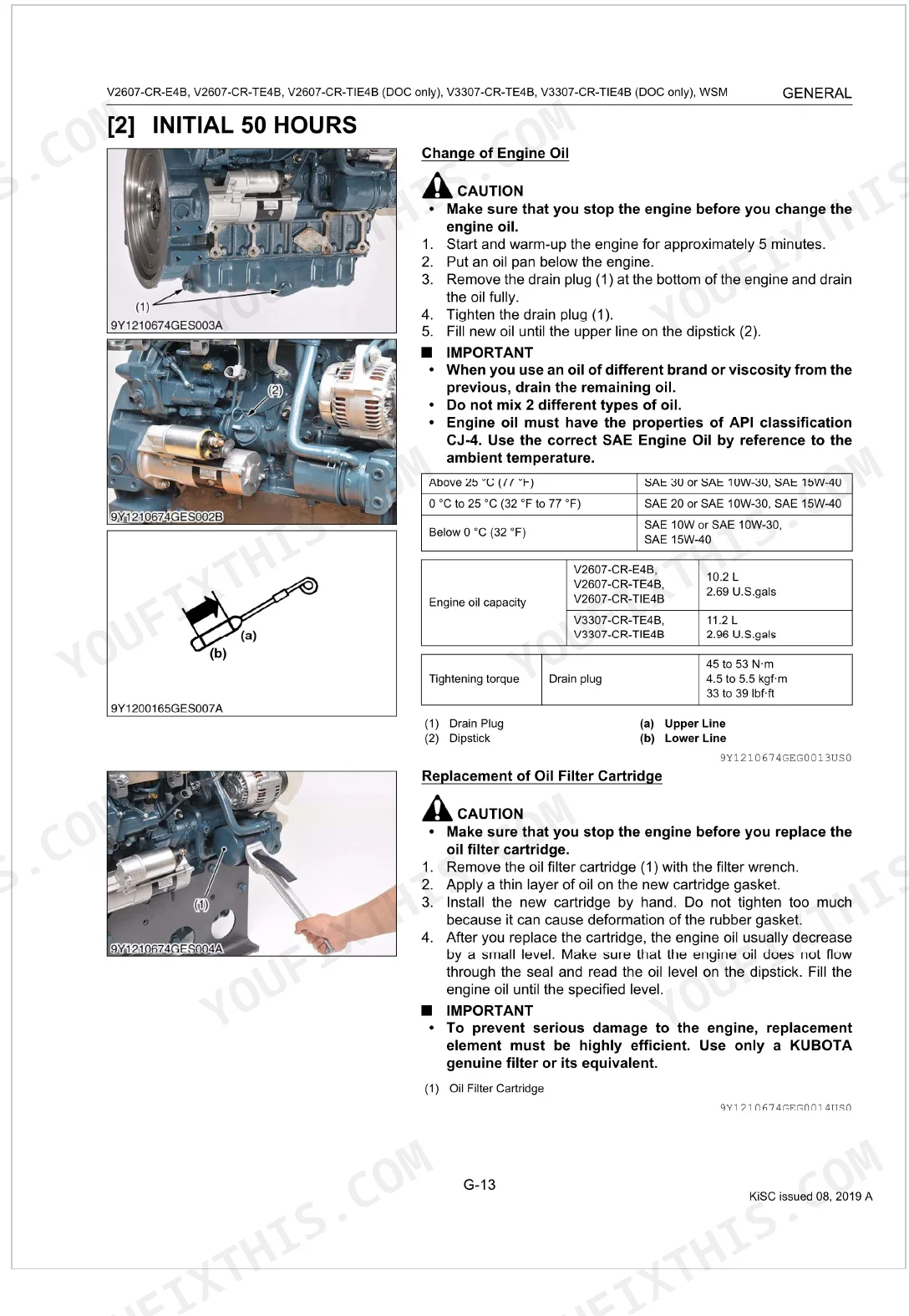
| Engine oil replacement interval | Initial 50 hrs., Every 500 hrs or 1 year whichever comes first | p. 40 |
| DPF cleaning interval | Every 1500 hours | p. 39 |
| Number of Cylinder | 4 | p. 10 |
| Bore x Stroke | 87.0 x 110 mm | p. 10 |
| Total Displacement | 2615 cm³ | p. 10 |
| Lubricating Oil Capacity | 10.2 L | p. 10 |
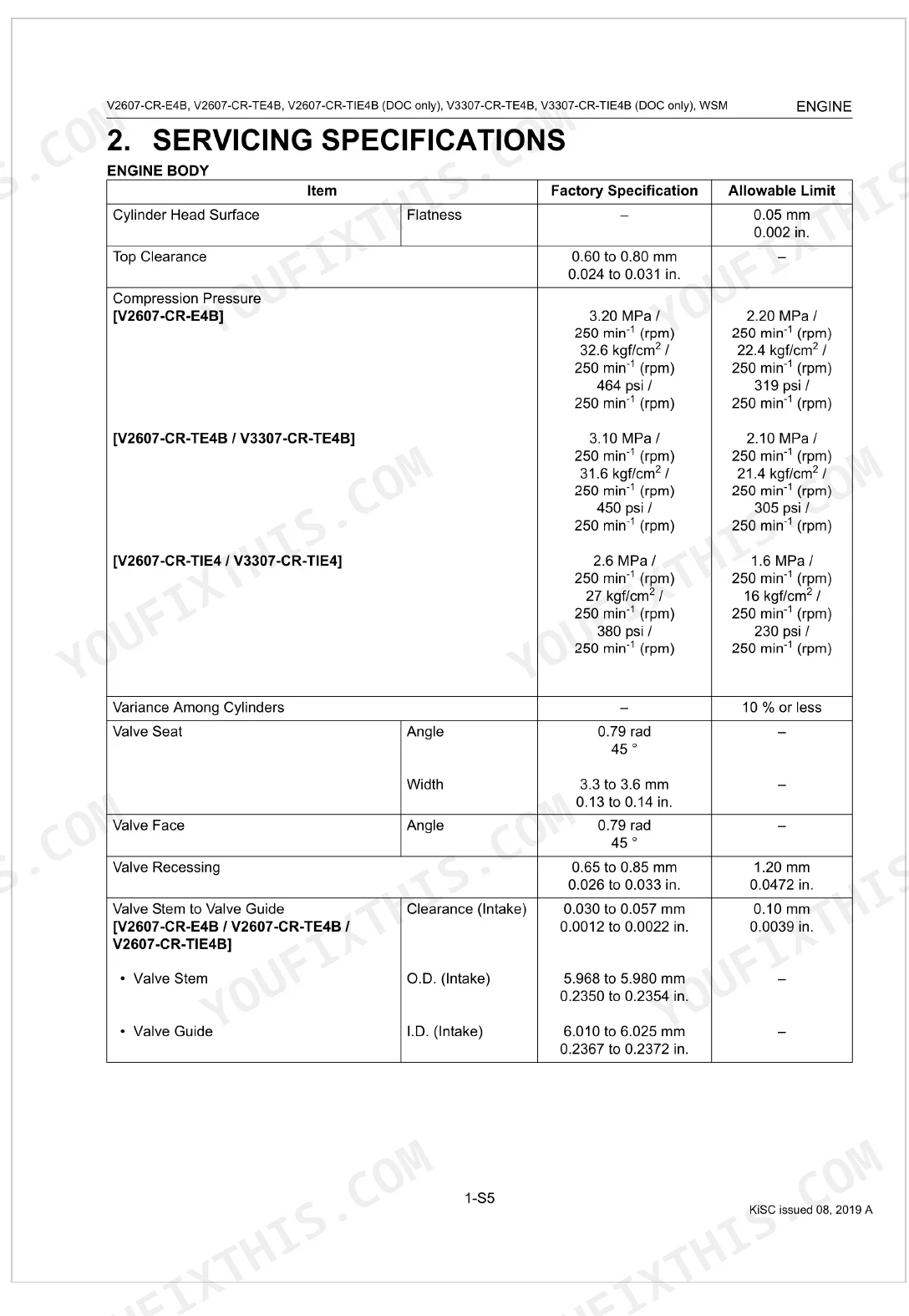
| Cylinder Head Surface Flatness (Allowable Limit) | 0.05 mm | p. 124 |
| Valve Clearance (Cold) | 0.13 to 0.17 mm | p. 125 |
| Valve Spring Free Length (Factory Spec) | 35.4 to 35.9 mm | p. 126 |
| Engine Oil Pressure (At Idle Speed, Allowable Limit) | 50 kPa | p. 131 |
| Thermostat Valve Opening Temperature (Factory Spec) | 80 to 84 °C | p. 132 |
| M8 Bolt Tightening Torque (No-grade or 4T) | 18 to 20 N·m | p. 133 |
Kubota V2607–V3307 Series Common Problems This Manual Covers
Kubota V2607-CR-E4B engine cranks but won't start or starts hard in cold weather
Check glow plug continuity at the electrical system checks. Test each plug for resistance; a dead plug reads open circuit. Replace faulty glow plugs and torque to 7.7 to 9.3 N·m. While you're there, verify battery specific gravity and voltage — a weak battery can't sustain the cranking speed needed for compression ignition in cold conditions.
Manual Section: Electrical System ChecksEngine idles rough, misfires, or produces excessive white or black exhaust smoke
Start with the troubleshooting chart and match your smoke color to the symptom tree. White smoke points toward coolant intrusion or incomplete combustion at cold start; black smoke means rich fueling or restricted air. Check valve clearance with a feeler gauge — spec is 0.13 to 0.17 mm cold (page 125). Tight or open valves kill combustion efficiency fast.
Manual Section: Engine Troubleshooting (General)Low oil pressure warning at idle, oil pressure light stays on
Verify oil level first, then measure actual pressure at idle. Allowable limit is 50 kPa minimum (page 131). If pressure is below spec, inspect the lubricating system per — check the relief valve, oil strainer, and pump clearances before condemning the pump. A clogged strainer is the most common cause before any internal wear issue.
Manual Section: Lubricating System ChecksEngine overheats, coolant temperature climbs beyond normal operating range
Inspect fan belt tension and condition per — a slipping belt cuts coolant pump flow immediately. Check radiator cap for air leakage and test the thermostat opening temperature; factory spec for V2607 models is 80 to 84 °C (page 132). A thermostat stuck closed will spike temps within minutes of warm-up. Also check radiator for external blockage and internal scale buildup.
Manual Section: Cooling System ChecksEngine compression low across one or more cylinders, power noticeably down
Run a compression test using the procedure. Compare readings cylinder to cylinder — a spread greater than the allowable limit points to a specific problem bore. Check cylinder head surface flatness with a straightedge and feeler gauge; allowable limit is 0.05 mm (page 124). A warped head from overheating lets combustion pressure bleed past the gasket before it ever registers on the gauge.
Manual Section: Engine Body ChecksTurbocharger leaking exhaust gas or boost pressure, unusual shaft play noticed
Inspect exhaust and compressor side connections for leaks per the turbocharger checks. Measure radial shaft clearance — excessive play means bearing wear, not just a loose hose clamp. Check the air inlet side for oil contamination, which signals seal failure. A leaking compressor side drops boost, while exhaust leaks on the hot side are a fire risk and will throw off back-pressure readings.
Manual Section: Turbocharger ChecksFrequently Asked Questions
What are the recommended service intervals?
The manual provides a detailed maintenance check list with various service intervals. For example, checking the engine oil level, fuel level, and fan belt should be done daily. Changing the engine oil is recommended initially at 50 hours, while the engine oil filter cartridge should be changed every 250 hours. Valve clearance should be checked every 1 year, and the fan belt should be changed every 2 years.
What fluids and capacities does this machine require?
For the V2607-CR-E4B model, the lubricating oil capacity is 10.2 L (2.69 U.S. gals) and the cooling system capacity is 3.2 L (0.85 U.S. gals). For the V3307-CR-TE4B model, the lubricating oil capacity is 11.2 L (2.96 U.S. gals) and the cooling system capacity is 3.2 L (0.85 U.S. gals). The recommended fuel type is Ultra Low Sulfur Diesel Fuel with a cetane rating of 45 or higher, and B5 blended fuel (B7, B100) can also be used.
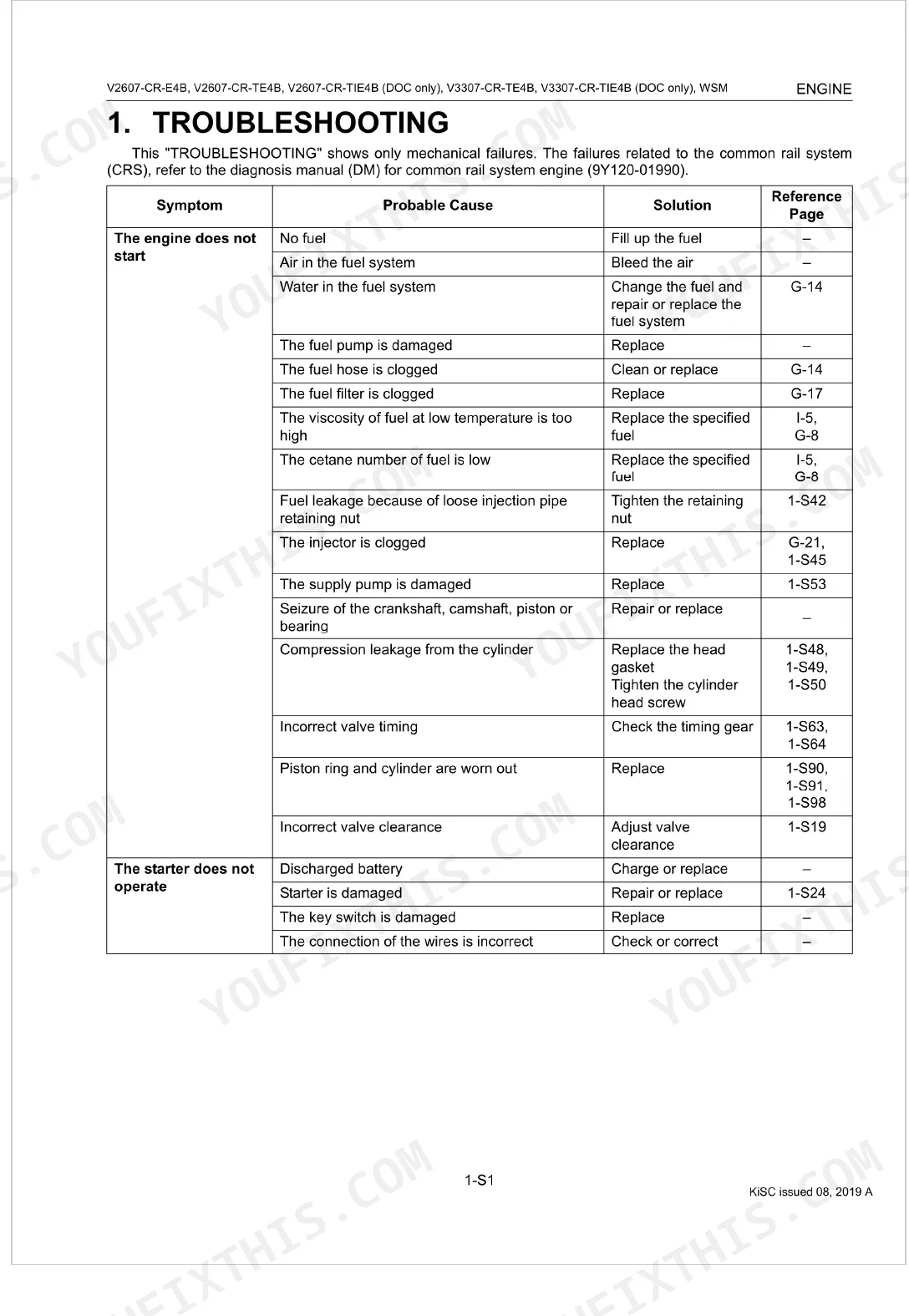
How to troubleshoot engine won't start?
If the engine does not start, probable causes include no fuel, air in the fuel system, a damaged fuel pump, or a clogged injector. Solutions involve filling up the fuel, bleeding the air, replacing the fuel pump, or replacing the injector. Additionally, a discharged battery or damaged starter could be the cause, requiring charging/replacement of the battery or repair/replacement of the starter.
What torque specifications are listed?
The manual lists various torque specifications for general and special use. For general use, M6 bolts (No-grade or 4T) require 7.9 to 9.3 N·m (5.8 to 6.8 lbf·ft), and M8 bolts (No-grade or 4T) require 18 to 20 N·m (13 to 15 lbf·ft). For special use, the glow plug requires 7.7 to 9.3 N·m (5.7 to 6.8 lbf·ft), and the injection pipe retaining nut requires 30 to 40 N·m (23 to 29 lbf·ft). Cylinder head mounting screws for V2607-CR-E4B models require 147 to 156 N·m (109 to 115 lbf·ft).
What do I get after purchasing this Kubota V2607–V3307 Series manual?
You get a 223-page searchable PDF that downloads instantly after checkout. Open it on your laptop, tablet, or phone — bring it right to the shop floor.
Is this Kubota V2607–V3307 Series Shop Manual printable?
Yes, print as many copies as you want — there are no restrictions. Many mechanics print the section they need and bring it to the shop floor.
Does this Kubota V2607–V3307 Series manual include hydraulic schematics?
Not included. This manual is for a DIESEL ENGINE and does not contain hydraulic schematics.
Document Quality
This document is a scanned PDF with an OCR layer, allowing you to search and copy the full text. The text quality is crisp and consistently easy to read throughout. Diagrams and illustrations are primarily raster images, but their labels remain clear and legible even when zoomed. Pages are clean, free from scan artifacts, stains, or skewing. There are several blank or filler pages, such as page 4, page 32, and page 88, which contain only section titles.

Reviews
There are no reviews yet.