


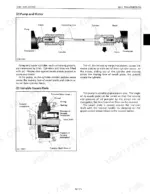


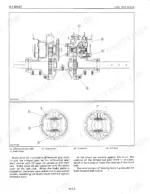
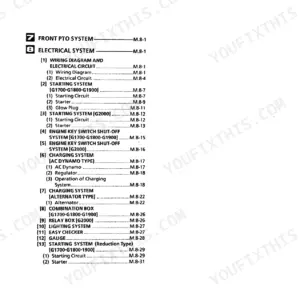
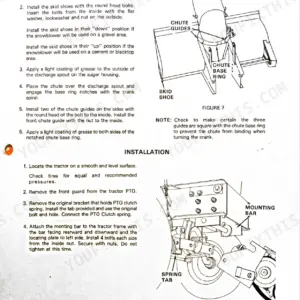
This Kubota workshop manual (OEM #9789710284) runs 394 factory pages built for the F2000, F2100, F2100E, and F2400 front mowers, plus the RC60-F20 cutting deck. Wiring diagrams trace the electrical circuits for both the standard machines and the F2400 variant, while the hydraulic schematics map the power steering circuit and the hydrostatic transmission. Diagnosis gets 10 pages of troubleshooting charts spanning drivetrain, engine, and mower faults. For hands-on work, there are 4 pages of tightening torque tables, a maintenance checklist keyed to 35-hour through 2-year intervals, and 50 pages of step-by-step disassembly and assembly for the engine, HST, clutch housing, and rear axle. Set clutch pedal play to 20-30 mm (0.79-1.18 in.) before chasing slip; blade center screws torque to 177-216 N·m (130-160 ft-lbs). Bookmarked and keyword-searchable, so you can pull up a procedure on the tablet right at the machine.
What's Inside This Kubota F2000–F2400 Series Manual
| System | Pages | Key Topics |
|---|---|---|
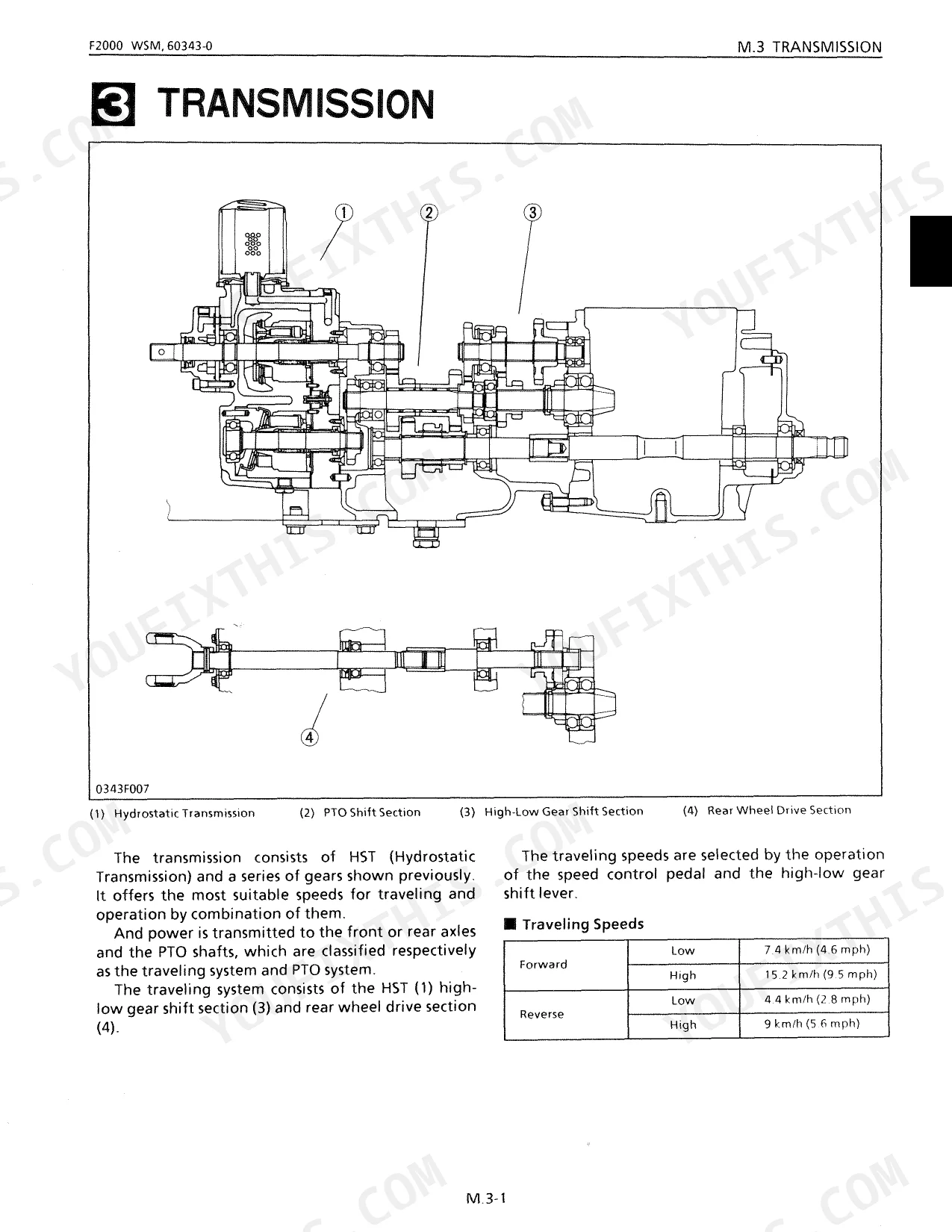
| Specifications | 8 | Model, Engine, Capacities, Tires, Traveling Speeds, Dimensions, Weight, Front PTO |
| Dimensions | 9-16 | Overall Length, Overall Width, Overall Height, Wheel Base, Front Tread, Rear Tread |
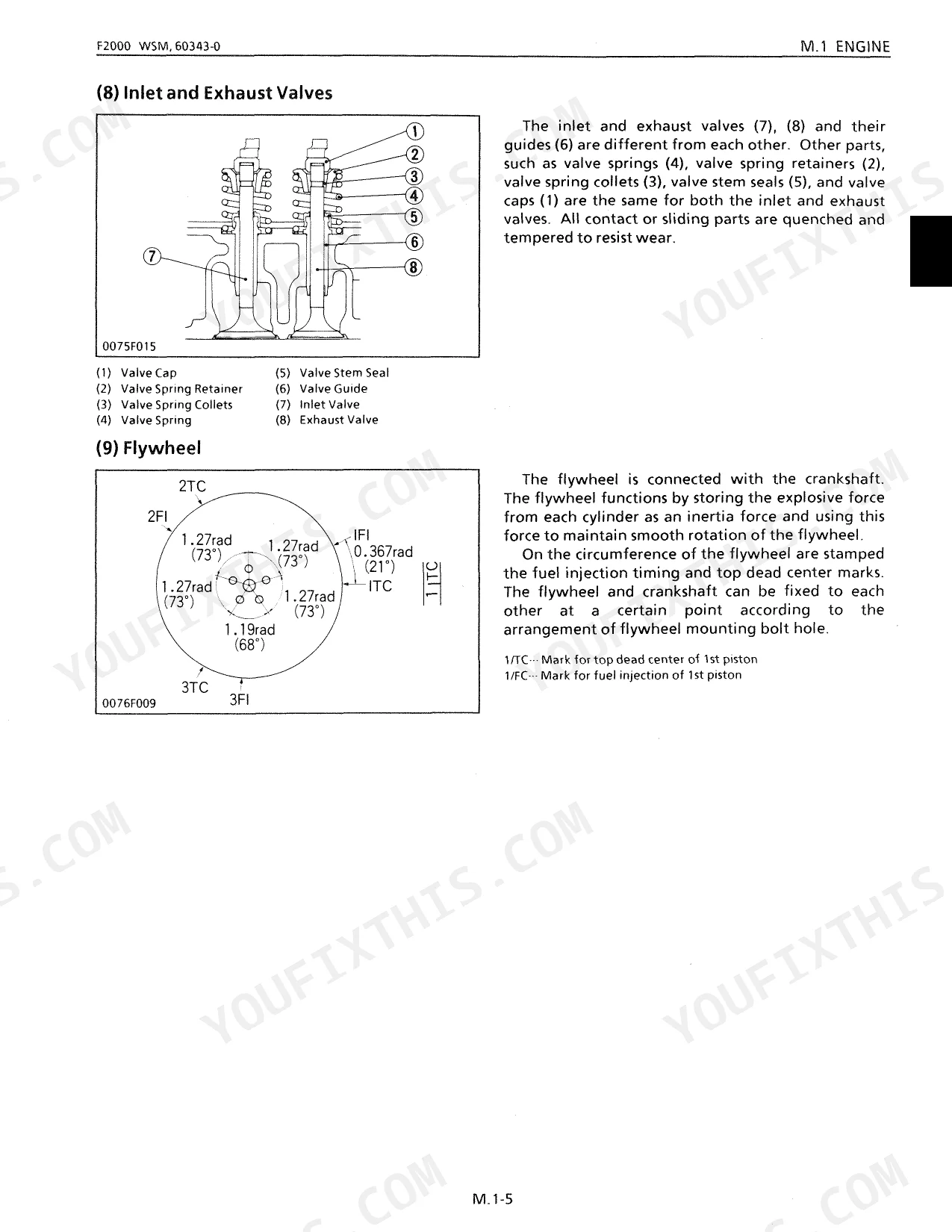
| Mechanism | 17-96 | Features, Engine (Features, Body, Lubricating System, Cooling System, Fuel System), Clutch |
| Servicing | 97-286 | General, General Precautions, Lubricants, Tightening Torques, Maintenance Check List, Check and Maintenance, Separation, Special Tools |
| Mechanism (Addition) | 287-306 | Features, Engine (Features, Body, Lubricating System, Cooling System, Fuel System), Clutch |
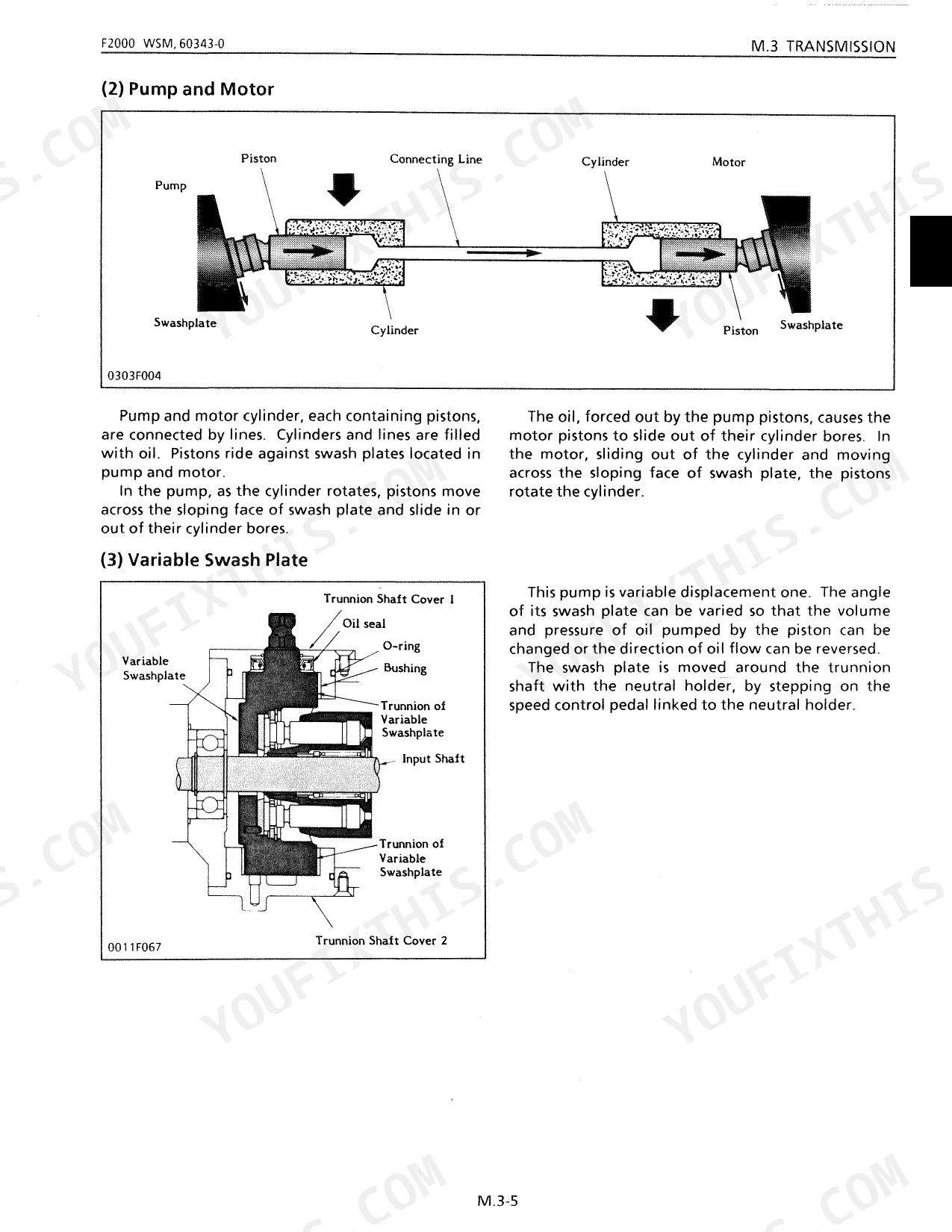
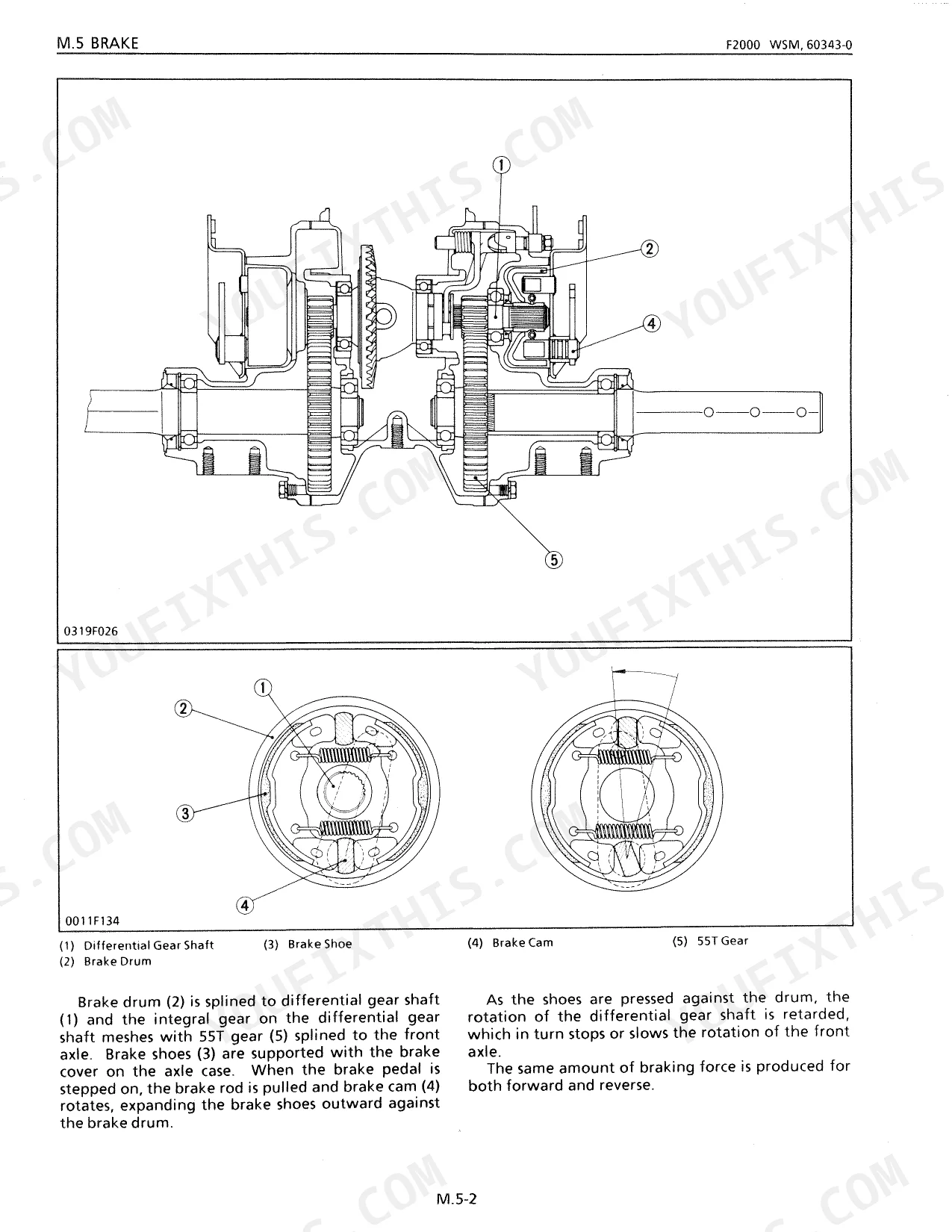
| Servicing (Addition) | 307-350 | General, Separation, Engine for F2400, Checking, Disassembling and Servicing, Brakes, Rear Axle for F2100E, Electrical System for F2400 |
| Mower | 351-394 | General, Mechanism, Servicing, Cutting Height, Maintenance, Dismounting Mower, Checking, Disassembling and Servicing |
Quick Reference Specifications
| Specification | Value | Page |
|---|---|---|
| All Models | ||
| Blade Screw (Center) Torque | 177 to 216 N·m (18 to 22 kgf·m, 130 to 160 ft-lbs) | p. 354 |
| Blade Screw (Outer) Torque | 177 to 216 N·m (18 to 22 kgf·m, 130 to 160 ft-lbs) | p. 354 |
| Clutch Pedal Play | 20 to 30 mm (0.79 to 1.18 in.) | p. 191 |
| Clutch Pedal Stroke | 100 to 110 mm (3.9 to 4.3 in.) | p. 191 |
| Clutch Disc Spline Boss to Propeller Shaft Backlash | 2.0 mm (0.079 in.) | p. 191 |
| Engine oil filter cartridge mesh size | 10 µ | p. 308 |
| Transmission oil filter cartridge (for HST, hydraulic system) mesh size | 10 µ | p. 308 |
| Relief Valve of Control Valve Setting Pressure | 10.8 to 11.8 MPa (110 to 120 kgf/cm², 1564 to 1706 psi) | p. 205 |
| RC60-F20, RC60-F24 | ||
| V-belt Spring length L | 155 mm (6.1 in.) | p. 361 |
| RC72-F20, RC72-F24 | ||
| V-belt Spring length L | 165 mm (6.5 in.) | p. 361 |
| F2000 | ||
| Fan Belt Tension Deflection | 10 mm/98N, 10 kgf (0.4 in./22 lbs) | p. 30 |
| F2100, F2400 | ||
| Fan Belt Tension Deflection | 7 mm/98N, 10 kgf (0.28 in./22 lbs) | p. 337 |
Kubota F2000–F2400 Series Common Problems This Manual Covers
Kubota F2400 front mower stops moving, clutch slips, or drive won't engage under load p. 191
Check clutch pedal free play; it should measure 20 to 30 mm (0.79 to 1.18 in.) per the spec table on page 191. Verify total pedal stroke is 100 to 110 mm (3.9 to 4.3 in.) as well. If play is correct but slipping continues, remove the clutch assembly and measure disc surface depth to rivet heads. Replace the disc if depth is under 0.3 mm (0.012 in.).
Manual Section: ServicingEngine cranks slowly, won't start in cold weather, or runs rough under load p. 30
Drain the fuel filter bowl and inspect the air cleaner for restriction. Then check fan belt tension: on F2000 machines, deflection should be 10 mm (0.4 in.) at 98 N (22 lbs) per page 30; F2100 and F2400 units spec 7 mm (0.28 in.) per page 337. A slack belt under-charges the battery and worsens cold cranking, especially below freezing.
Manual Section: MechanismHydraulic steering, lift, or PTO engagement is weak, slow, or erratic during operation p. 205
Examine the hydraulic fluid for foam or a milky tint, both signs of contamination. Inspect the transmission oil filter (10-micron cartridge per page 308) and replace if restricted. If response remains soft, test control valve relief pressure per page 205; spec is 10.8 to 11.8 MPa (1564 to 1706 psi). Below-range pressure points to a worn pump or stuck control valve.
Manual Section: ServicingCutting deck vibrates hard, scalps turf on one side, or leaves visible stripe variations p. 354
Remove the deck and inspect each blade for bends, cracks, or worn edges. Replace any damaged blade, then torque center and outer blade screws to 177 to 216 N·m (130 to 160 ft-lbs) per page 354. While the deck is off, spin each spindle by hand; roughness or vertical play means the bearing needs replacement. Recheck deck levelness after remounting.
Manual Section: MowerDeck belt squeals, slips under load, burns, or front PTO disengages mid-mow p. 361
Inspect the deck belt for glazing, cracking, or frayed sidewalls and replace if worn. Verify V-belt idler spring length per page 361: RC60-F20 and RC60-F24 decks target 155 mm (6.1 in.); RC72-F20 and RC72-F24 target 165 mm (6.5 in.). After fitting a new belt, recheck spring length. A spring measuring in-spec cold but collapsing at full tension needs replacement.
Manual Section: MowerFrequently Asked Questions
What are the torque specs for Kubota F2000/F2100/F2100E/F2400 wheel nuts, blade bolts, and engine fasteners?
On the F2000, torque the rear wheel mounting nuts to 77.5 to 90.1 N·m (57.2 to 66.5 ft-lbs); see page 195. Mower blade screws, center and outer, take 177 to 216 N·m (130 to 160 ft-lbs) on page 354. Engine fasteners vary: cylinder head cover cap nuts run 6.9 to 8.8 N·m (5.1 to 6.5 ft-lbs) and crankshaft screws 137.3 to 156.9 N·m (101.3 to 115.7 ft-lbs) for the F2000 (page 129), with slightly different values for the F2400 (page 317).
How do I adjust the hydrostatic transmission on a Kubota F2100E?
The "Adjusting Neutral" procedure on page 329 walks through this for the F2100E. Rotate the neutral adjuster clockwise until the front wheels roll forward, then counterclockwise until they stop, mark the clutch housing, and repeat for reverse. Hold the adjuster with its groove centered between the marks, then tighten the screw to 19 to 32 N·m (13.7 to 23.9 ft-lbs) per page 332.
How to reset Kubota F2100E hydrostatic transmission
Resetting neutral on the F2100E hydrostatic transmission follows the "Adjusting Neutral" steps on page 329: rotate the neutral adjuster to watch wheel movement (forward, stop, reverse, stop), mark the clutch housing, then secure the adjuster centered between the marks. Final torque for the neutral adjuster to case is 19 to 32 N·m (13.7 to 23.9 ft-lbs) per page 332.
What are the replacement specifications for clutch components?
Clutch replacement specs sit in the "S.2 CLUTCH SERVICING SPECIFICATIONS" section on page 163. Pedal play runs 20 to 30 mm (0.79 to 1.18 in.) and pedal stroke 100 to 110 mm (3.9 to 4.3 in.). The allowable limit for clutch disc surface to rivet depth is 0.3 mm (0.012 in.), and pressure plate flatness tops out at 0.2 mm (0.008 in.).
Is this Kubota F2000–F2400 Series Workshop Manual a digital download?
Yes, it downloads instantly as a PDF. The full 394-page searchable Workshop Manual is yours right after payment, ready to open on a laptop, tablet, or phone in the shop.
Can I print specific sections of this Kubota F2000–F2400 Series Workshop Manual?
None at all. The PDF is DRM-free, so print whatever sections you want to carry out to the shop. Standard letter or A4 paper works fine.
Are there wiring harness diagrams in this Kubota F2000–F2400 Series manual?
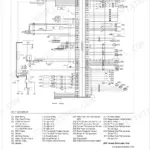
Yes. This workshop manual includes wiring diagrams covering the mower electrical circuits.
Document Quality
This document is a scanned PDF with an optical character recognition (OCR) layer, allowing you to search and copy the full text. The text is consistently crisp and easy to read across all pages. Diagrams and illustrations are clear scanned images, with labels generally readable, though some fine details might soften at high zoom. Pages are clean and well-aligned, but be aware there are numerous blank pages interspersed throughout the document.

Reviews
There are no reviews yet.