
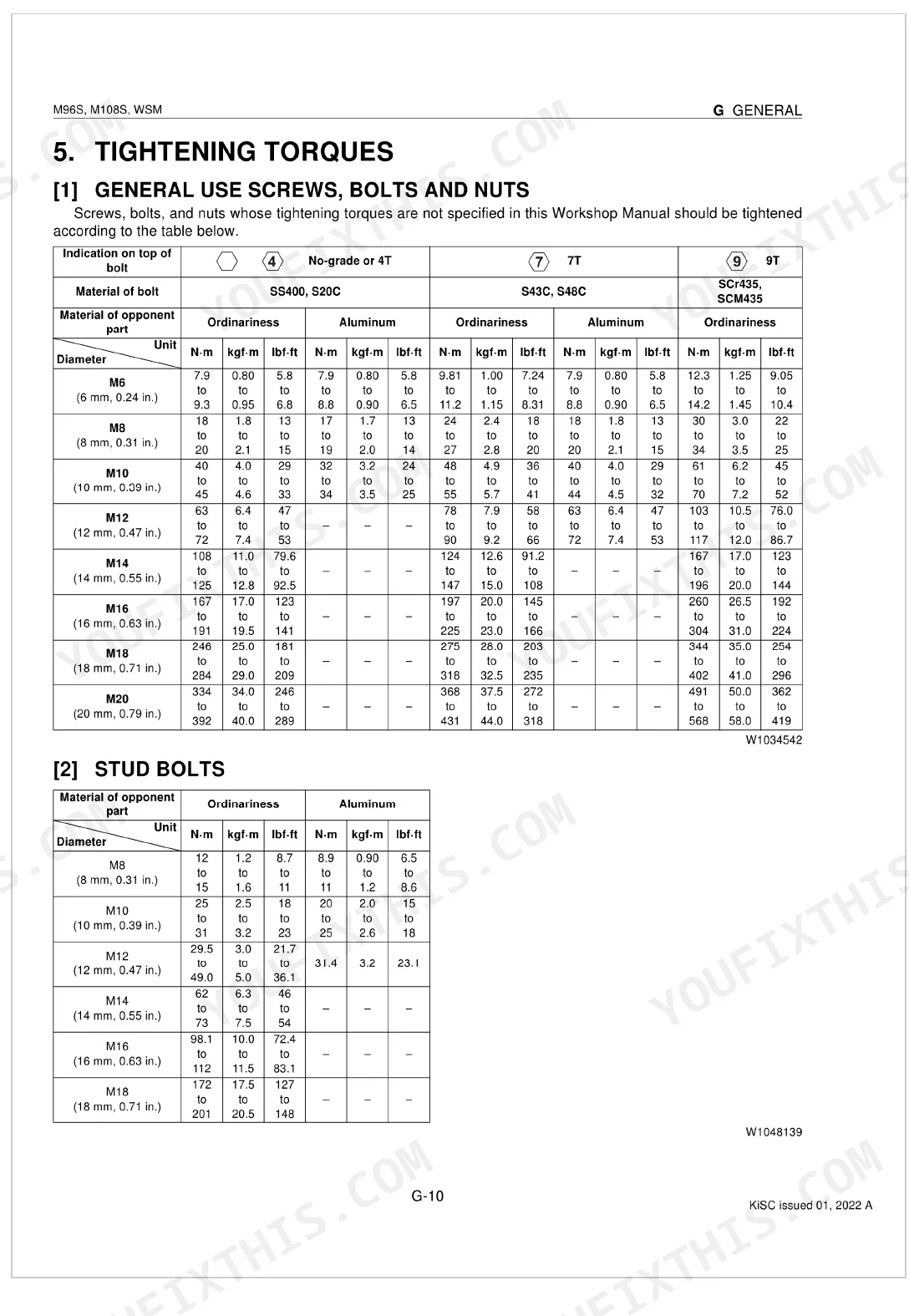
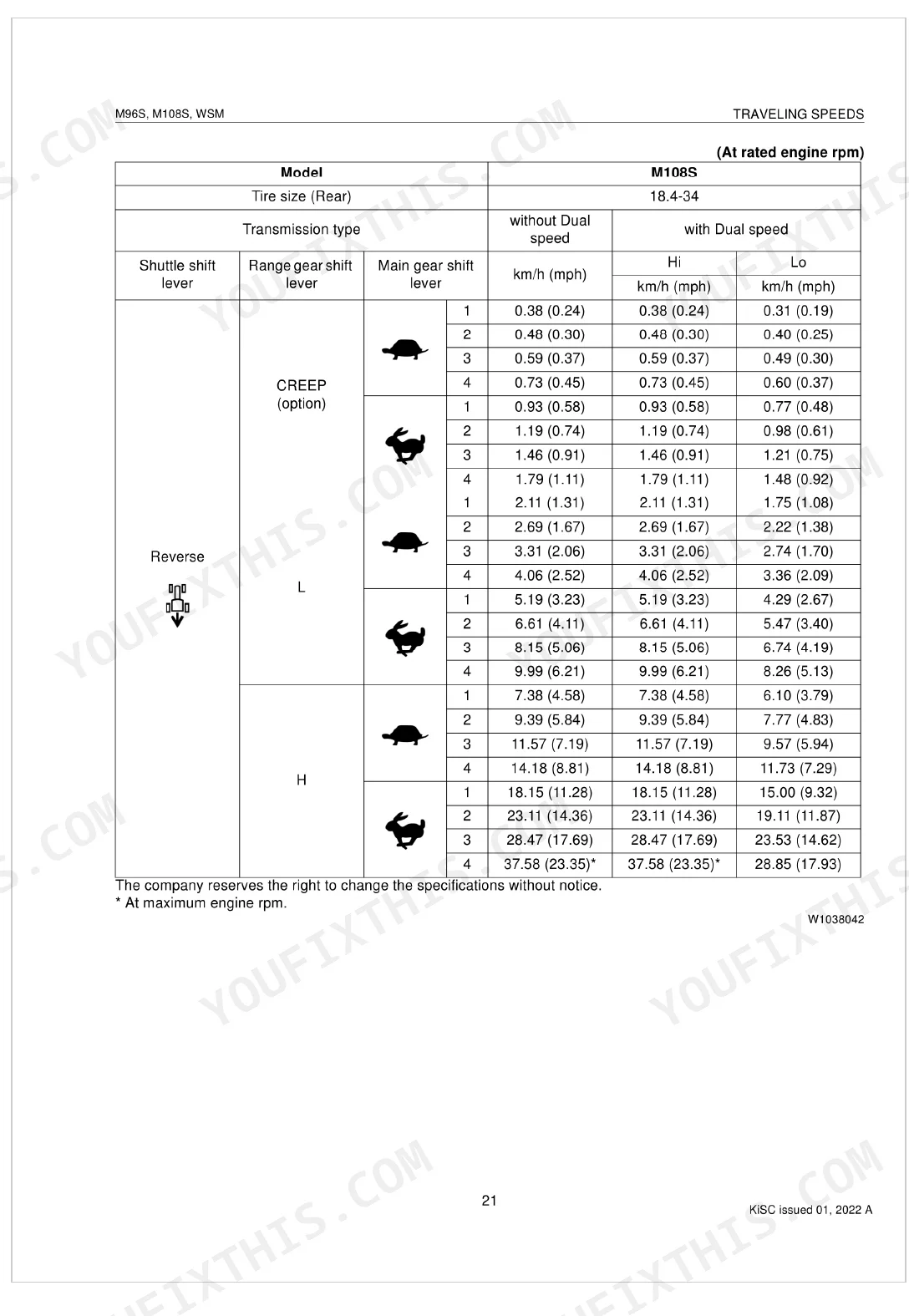
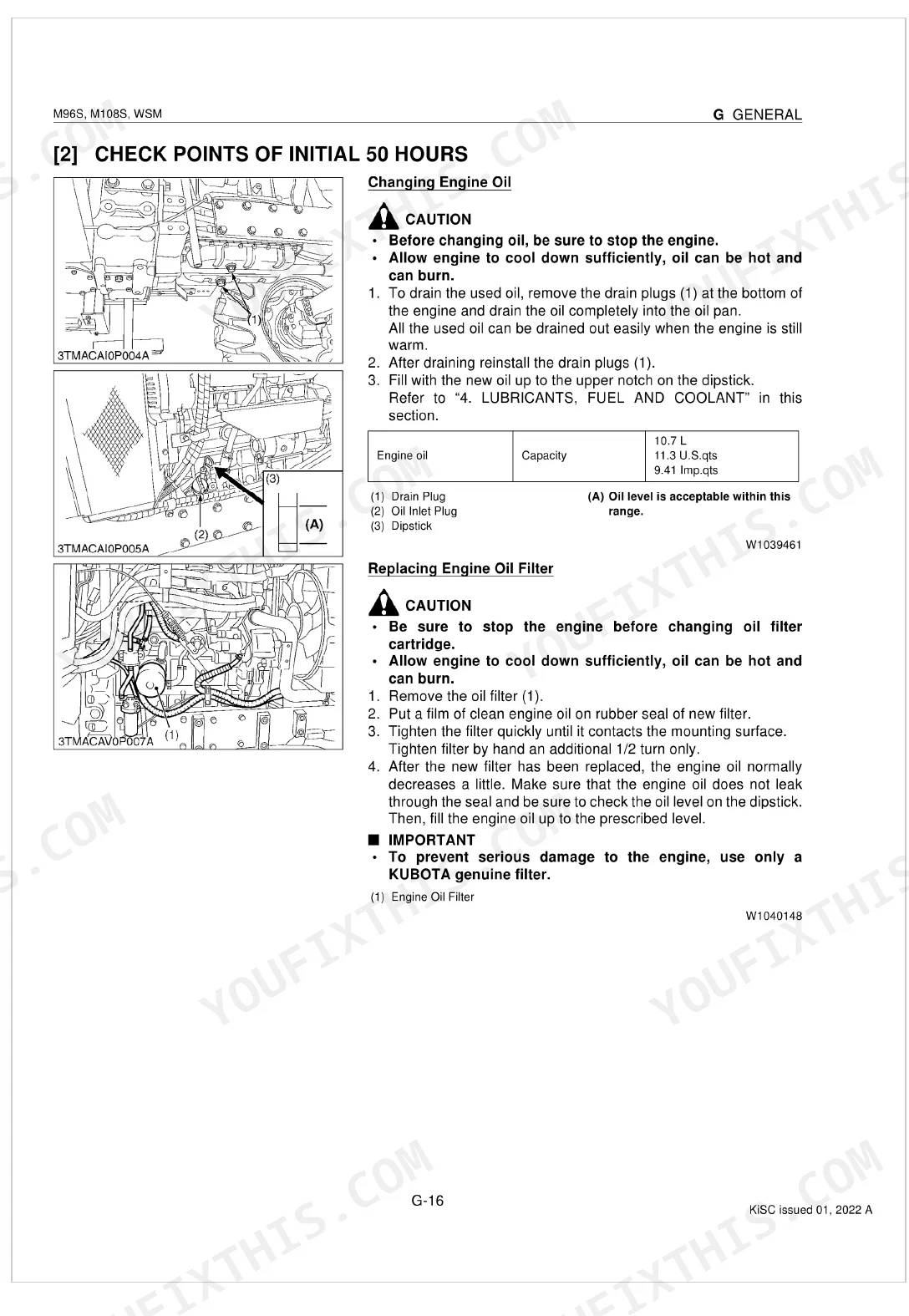
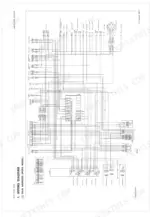
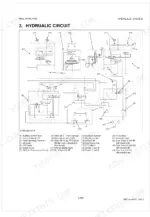
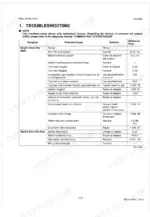
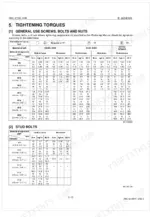
Kubota wrote these 641 pages (OEM #9Y111-00329) for one job: keeping your M96S or M108S working instead of parked. The hydraulics section runs 36 pages of schematics across the power steering circuit, position control, and shuttle valve routing. Seven pages of wiring diagrams map the main, engine, CRS, body, and cabin harnesses for both ROPS and CABIN builds. Troubleshooting tables fill another 15 pages and reach the engine, transmission, brakes, front axle, steering, and electrical system. Need a fill quantity? Transmission takes 60.0 L, engine oil 10.7 L with the filter, both verified against the spec pages. When the machine is down, the goal is the right answer on the first try. Everything is bookmarked and keyword-searchable, so pull it up on a tablet, walk to the tractor, and get started.
What's Inside This Kubota M96S, M108S Manual
| System | Pages | Key Topics |
|---|---|---|
| Safety First | 4-17 | Danger, Warning, Caution, Important, Note, Before Servicing and Repairing, Safety Working, Avoid Fires |
| Specifications | 18-26 | ROPS Model, CABIN Model, Traveling Speeds, Dimensions |
| General | 27-113 | Tractor Identification, Handling Precautions for Electrical Parts and Wiring (Battery, Fuse, Connector, Handling of Circuit Tester), Lubricants, Fuel and Coolant |
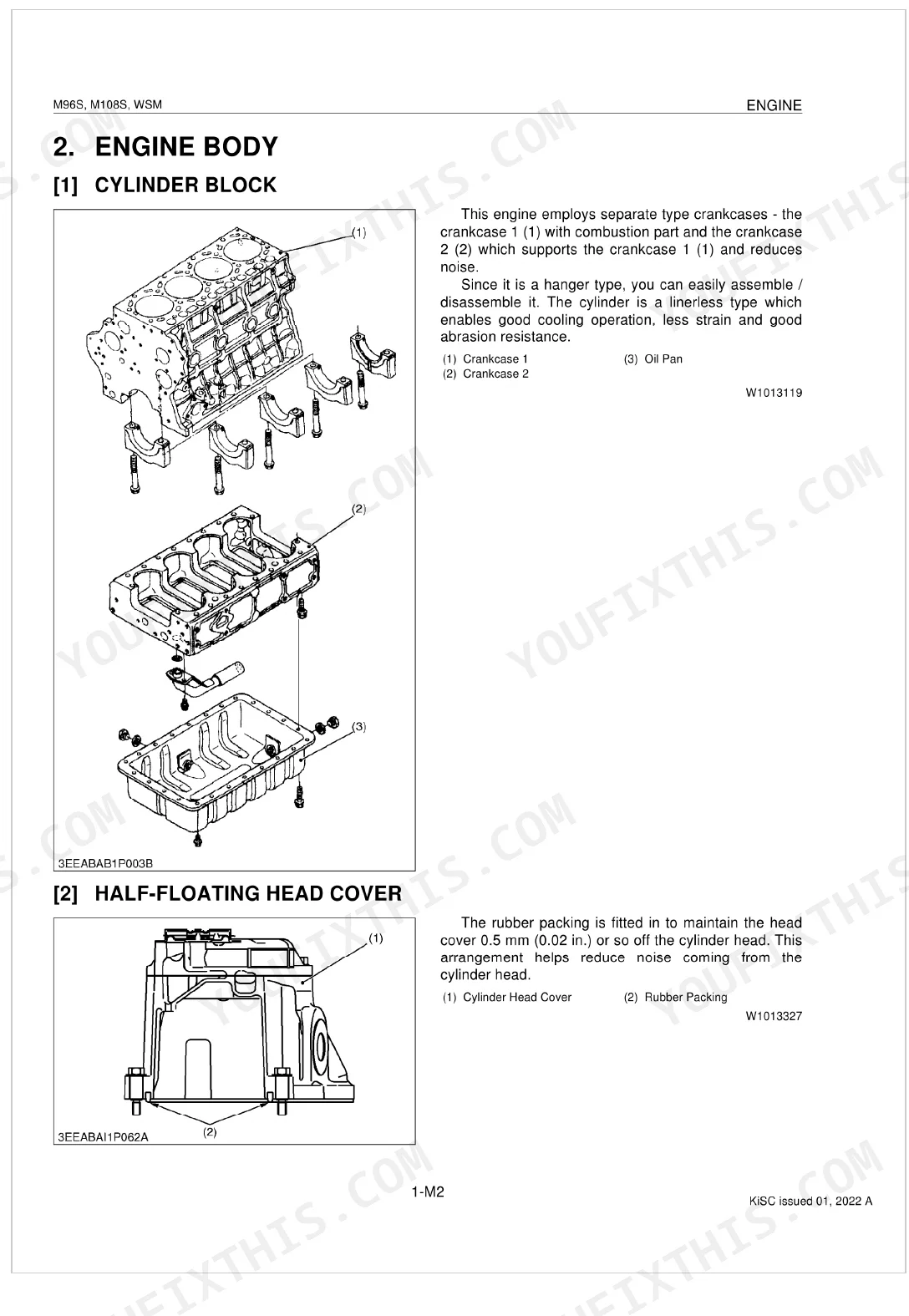
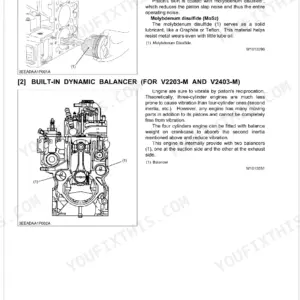
| Engine | 114-147 | Feature, Engine Body (Cylinder Block, Half Floating Head Cover, Cylinder Head, Center Direct Injection System, Piston, Built-in Dynamic Balancer), Lubricating System (Oil Cooler) |
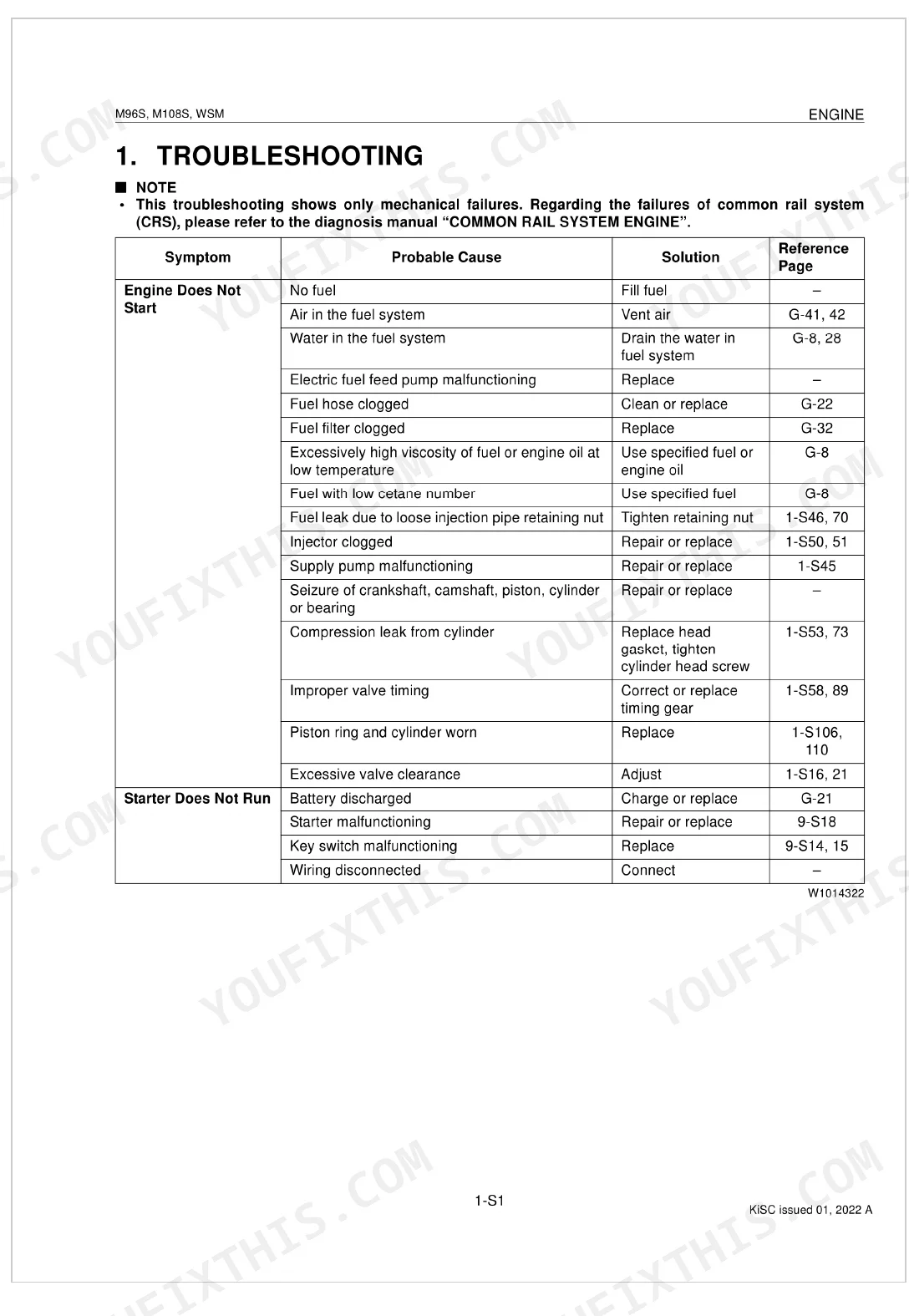
| Servicing (Engine) | 148-259 | Troubleshooting, Servicing Specifications, Tightening Torques, Checking |
| Clutch | 260-265 | Traveling Clutch, PTO Clutch (Structure, Oil Flow, Operation) |
| Transmission | 295-325 | Structure, Shuttle Shift Mechanism (Shuttle Shift Section, Regulator Valve, Hydraulic Shuttle Valve) |
| Rear Axle | 382-384 | Structure, Rear Axle Components, Planetary Gear System |
| Brakes | 399-401 | Feature, Travelling Brake System, Parking Brake System |
| Servicing (Brakes) | 402-422 | Troubleshooting, Servicing Specifications, Tightening Torques, Checking, Disassembling and Servicing (Checking and Adjusting, Disassembling and Assembling) |
| Front Axle | 423-426 | Structure, 2-Wheel Drive Type, 4-Wheel Drive Type |
| Servicing (Front Axle) | 427-454 | Troubleshooting, Servicing Specifications, Tightening Torques, Checking, Disassembling and Servicing (Checking and Adjusting, Disassembling and Assembling) |
| Steering | 455-457 | Structure, Steering Mechanism, Hydraulic Power Steering System |
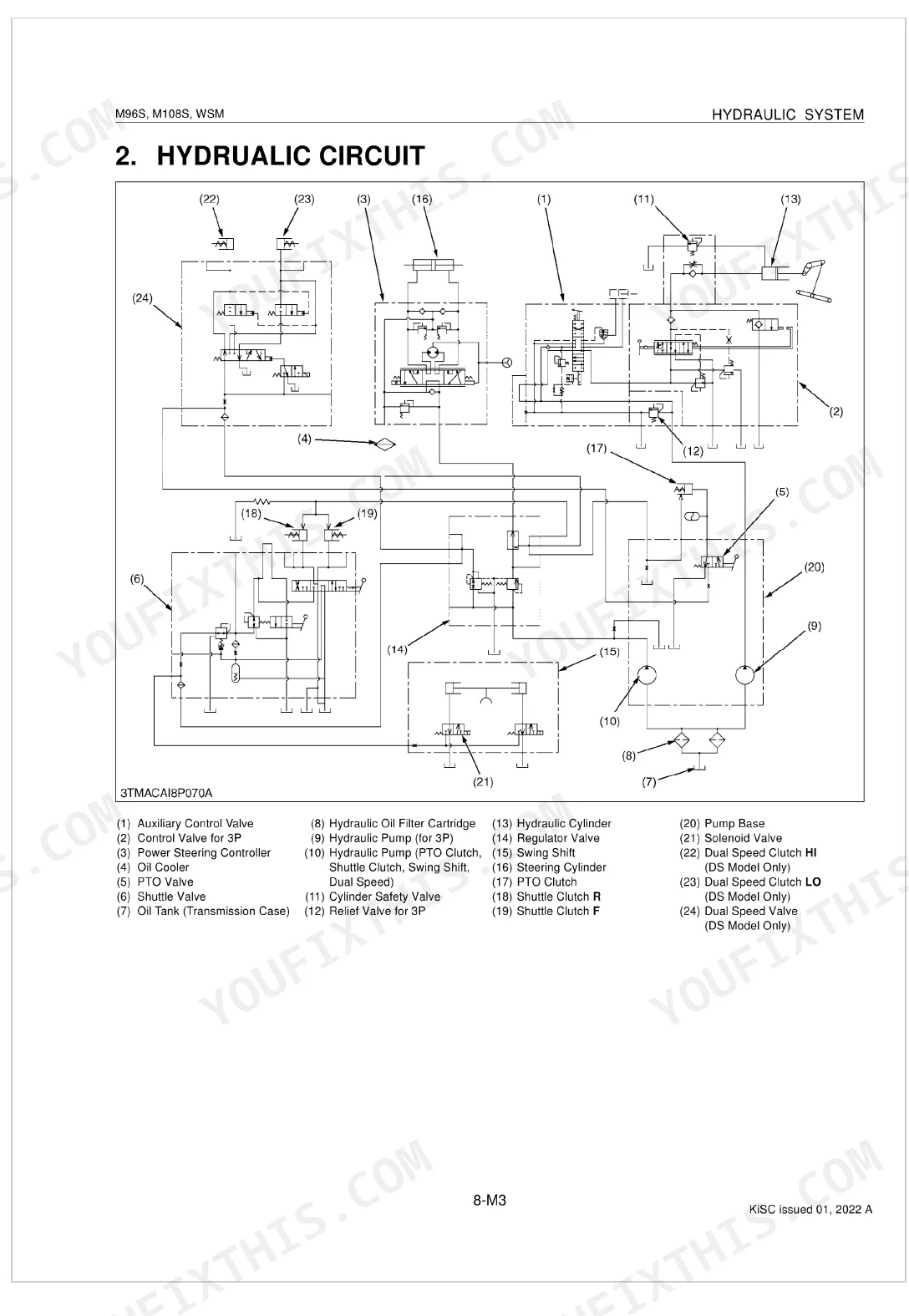
| Hydraulic System | 475-483 | Structure, Hydraulic Circuit, Control Valve, Position Control |
| Servicing (Hydraulic System) | 484-511 | Troubleshooting, Servicing Specifications, Tightening Torques, Checking, Disassembling and Servicing (Checking and Adjusting, Disassembling and Assembling) |
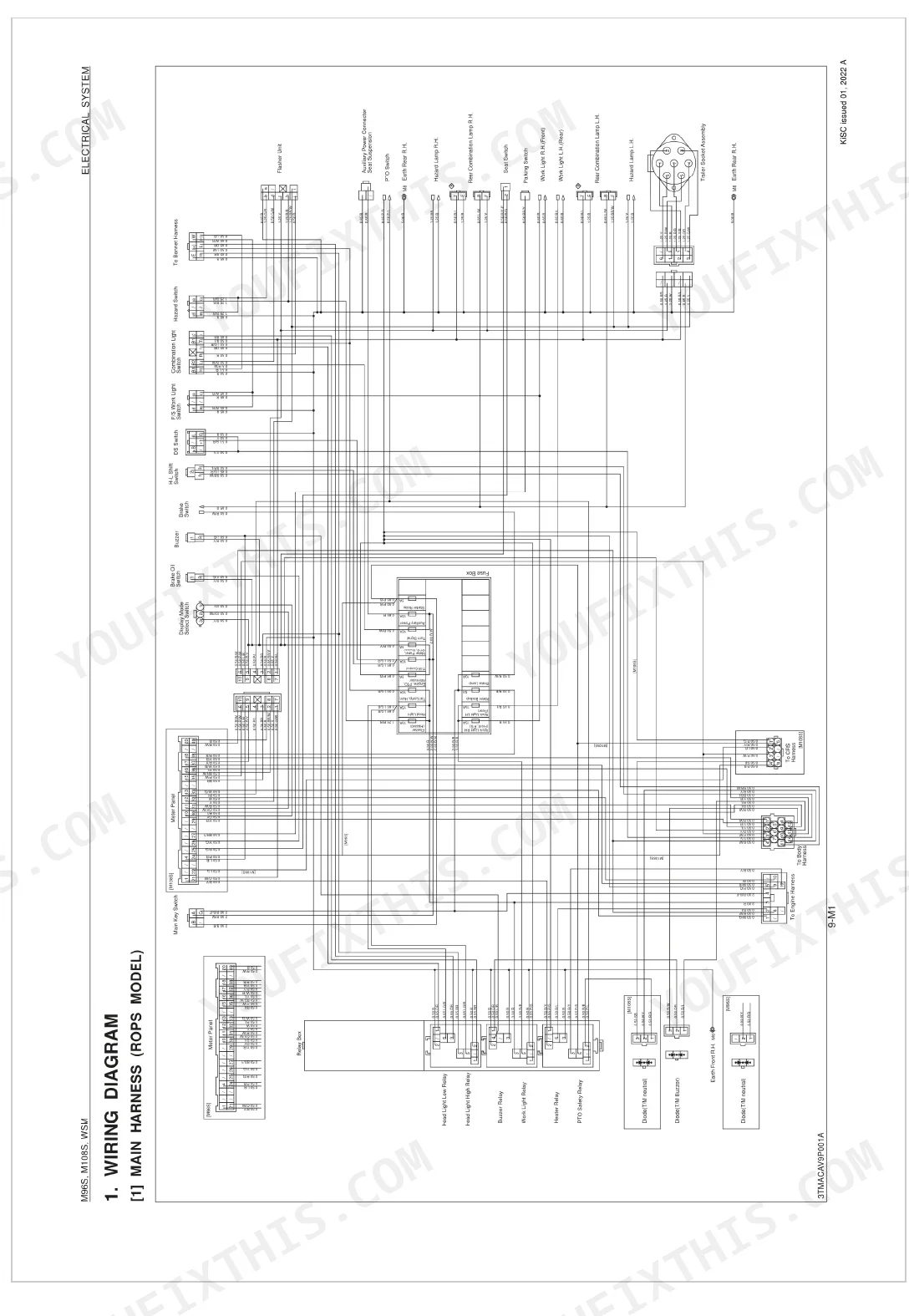
| Electrical System | 512-534 | Wiring Diagram (Main Harness, Engine Harness, CRS Harness, Body Harness and Bonnet Harness, Cabin Harness) |
| Servicing (Electrical System) | 535-580 | Troubleshooting, Servicing Specifications, Tightening Torques |
Quick Reference Specifications
| Specification | Value | Page |
|---|---|---|
| All Models | ||
| Engine oil capacity (with filter) | 10.7 L | p. 36 |
| Transmission fluid capacity | 60.0 L | p. 36 |
| Coolant Capacity | 9.6 L | p. 19 |
| Fuel Tank Capacity | 175 L | p. 19 |
| Engine Oil Pressure (At Rated Speed) | 200 to 390 kPa | p. 29 |
| Valve Clearance (Cold) | 0.23 to 0.27 mm | p. 25 |
| Cylinder Head Surface Flatness (Allowable Limit) | 0.05 mm | p. 24 |
| Connecting Rod Screw Torque | 79 to 83 N-m | p. 38 |
| Rear Wheel Mounting Nut Torque | 344 to 402 N-m | p. 38 |
| M96S | ||
| Engine Oil Capacity (with filter) | 10.7 L | p. 19 |
| M108S | ||
| Engine Oil Capacity (with filter) | 12.0 U.S.qts | p. 19 |
| M96S (Serial No. below 10013, below 50299, below 70084) | ||
| PTO Clutch Disc Thickness (M96S, Serial No. below 10013) | 1.70 to 1.90 mm | p. 268 |
Kubota M96S, M108S Common Problems This Manual Covers
Kubota M96S hydraulic implement not rising or stops short of maximum height p. 485
Start with the hydraulic oil level; the transmission doubles as the hydraulic reservoir (60.0 L, changed every 600 hours per page 41). Confirm the position control lever moves freely and the draft control isn't fighting the command. Look at the control valve for a sticky spool. Test system pressure at the outlet port; if it reads low, work the troubleshooting chart on page 485 to separate pump wear from valve malfunction.
Manual Section: Servicing (Hydraulic System)Engine cranks but won't start or runs rough at idle in cold conditions p. 149
Verify the air heater works before condemning the fuel system; the electrical chart on page 536 covers air heater circuit faults. Crack a line fitting to confirm fuel reaches the injectors. Measure valve clearance cold, where the spec is 0.23 to 0.27 mm (page 25); tight valves starve combustion on cold starts. Then check the fuel filter for water contamination, common after seasonal storage.
Manual Section: Servicing (Engine)Shuttle transmission slips or tractor fails to hold in neutral position p. 267
Measure the shuttle clutch internal circlip-to-pressure-plate clearance on both F and R sides; spec is 2.0 to 2.2 mm (page 329), and anything outside it causes slip on engagement or neutral drift. Read operating pressure at the test port too; low pressure points to the regulator valve in the troubleshooting index. Drain and refill the transmission fluid (60.0 L) if you see contamination or foaming.
Manual Section: Clutch TroubleshootingBattery discharging overnight or charging warning lamp stays on after startup p. 536
Test battery voltage under load before you replace the alternator. Look at fuse integrity and every ground connection at the battery negative terminal and chassis strap. A charging lamp that stays lit at speed means checking alternator output at the B-terminal; low output points to a worn regulator or brush assembly. Run the charging system chart on page 536, and confirm belt tension, since a slipping belt drops output at low RPM.
Manual Section: Servicing (Electrical System)Steering feels heavy or steering force fluctuates during field operation p. 459
Examine the power steering fluid level and watch for aeration, since foamy fluid signals a suction leak. Inspect the hose fittings from the steering pump to the orbital valve for weeping joints that pull air in under vacuum. If the wheel turns heavy only at full lock, relief valve pressure may be low. Follow the steering troubleshooting sequence to tell pump output problems from orbital valve wear. Rapidly rising fluid temperature points to a blocked return line or clogged filter.
Manual Section: Steering TroubleshootingBrakes pull to one side or pedal feels spongy and soft underfoot p. 403
Trace both brake circuits for oil contamination on the friction surfaces; even a small axle-seal leak ruins braking balance. Bleed the system fully and refill to the brake oil capacity of 0.3 L (page 407). Set pedal free travel on both sides and equalize before any road test. A pedal still spongy after bleeding points to the master cylinder cup seals. The full brake procedure is on page 403.
Manual Section: Brakes TroubleshootingFrequently Asked Questions
What are the recommended service intervals?
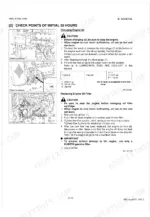
Service intervals run from daily through every two years. Daily, you check items like engine oil level and tire pressure. The 50-hour list adds an engine oil change and wheel mounting nut checks. From there the schedule sets check points at 100, 200, 400, 600, and 800 hours, on up to the two-year cooling-system flush.
What fluids and capacities does this machine require?
Three capacities matter most. The engine crankcase holds 10.7 L (11.3 U.S.qts, 9.41 Imp.qts) of oil, the engine block radiator takes 9.6 L (10.0 U.S.qts, 8.4 Imp.qts) of coolant, and the transmission case needs 60.0 L (63.4 U.S.qts, 52.7 Imp.qts) of KUBOTA UDT or KUBOTA SUPER UDT fluid.
How to troubleshoot engine won't start?
Start with fuel delivery: no fuel means fill the tank, air in the system means vent it, and water in the system means drain it (G-8, 28). If the starter won't turn, a discharged battery needs a charge or replacement (G-21), and a faulty starter gets repaired or replaced (9-S18).
What are the hydraulic system specifications?
Pump delivery runs above 66.6 L/min (17.6 U.S.gals/min, 14.6 Imp.gals/min), with an allowable limit of 53.2 L/min (14.1 U.S.gals/min, 11.7 Imp.gals/min). For the three-point hitch system, relief valve setting pressure is 19.2 to 19.6 MPa (195 to 200 kgf/cm², 2780 to 2840 psi).
What do I get after purchasing this Kubota M96S, M108S manual?
A 641-page Shop Manual in searchable PDF, available the moment checkout completes. Read it on a computer, tablet, or phone with no shipping wait.
Can I print specific sections of this Kubota M96S, M108S Shop Manual?
No restrictions at all. Print individual pages, full chapters, or the entire manual. The PDF is completely unlocked.
Are hydraulic system diagrams in this Kubota M96S, M108S Shop Manual?
Included. Hydraulic system schematics cover all circuits, control valves, and component specifications for the Kubota M96S, M108S.
Document Quality
This is a native digital PDF, allowing you to search and copy the full text content. The text is consistently crisp and easy to read throughout the document. All diagrams and illustrations are vector-based, providing sharp detail and readable labels at any zoom level. Pages are clean and free from scan artifacts or other imperfections. There are no notable blank or filler pages.


Reviews
There are no reviews yet.