
Part of the Case Repair Manuals.
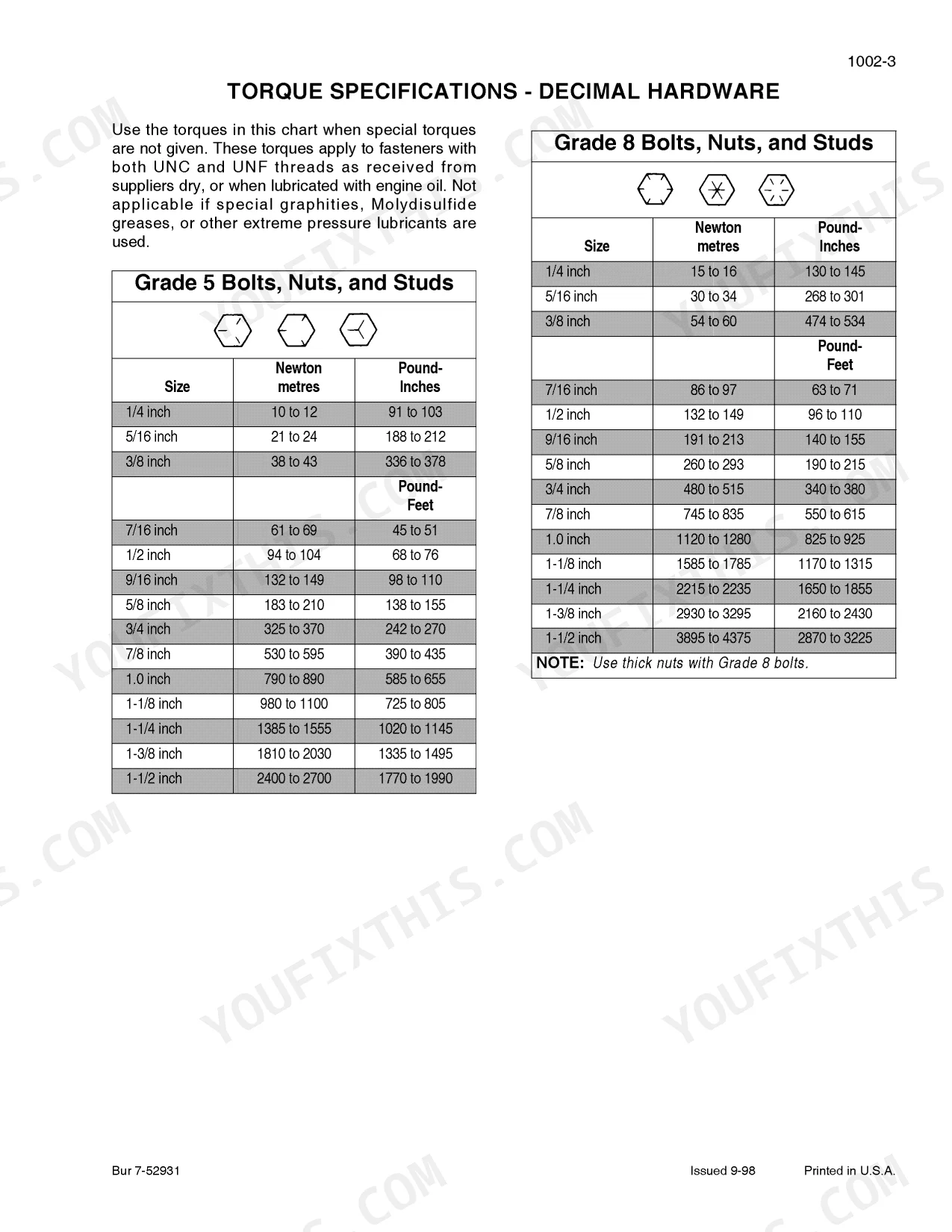
This 653-page Case 70XT Skid Steer Service Manual (OEM Bur 6-45720) puts every system on your machine under one cover, from the hydrostatic drive train to the loader and ROPS canopy. You get full wiring and hydraulic schematics in the rear pocket section, a dedicated electrical troubleshooting chapter, and step-by-step procedures covering engine removal, brake system rebuilds, and hydraulic component service. Inside: torque specs, fluid capacities, and maintenance interval charts pulled straight from Case engineering, not a forum thread. Set your main relief valve to 20,700 kPa (207 bar) and fill the tank to 83.3 litres, exactly what the factory calls for. Your hydrostatic system won't fix itself with guesswork. This PDF is bookmarked by section so you can jump from Power Train straight to Brakes without scrubbing through 650 pages, on your laptop in the office or your phone next to the machine.
What's Inside This Case 60XT, 70XT SKID STEER, 60 Manual
| System | Pages | Key Topics |
|---|---|---|
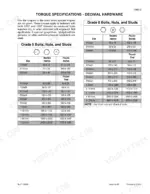
| General | 3-24 | Section Index - General, Fluids and Lubricants, Standard Torque Specifications, Metric Conversion Chart, Loctite Product Chart |
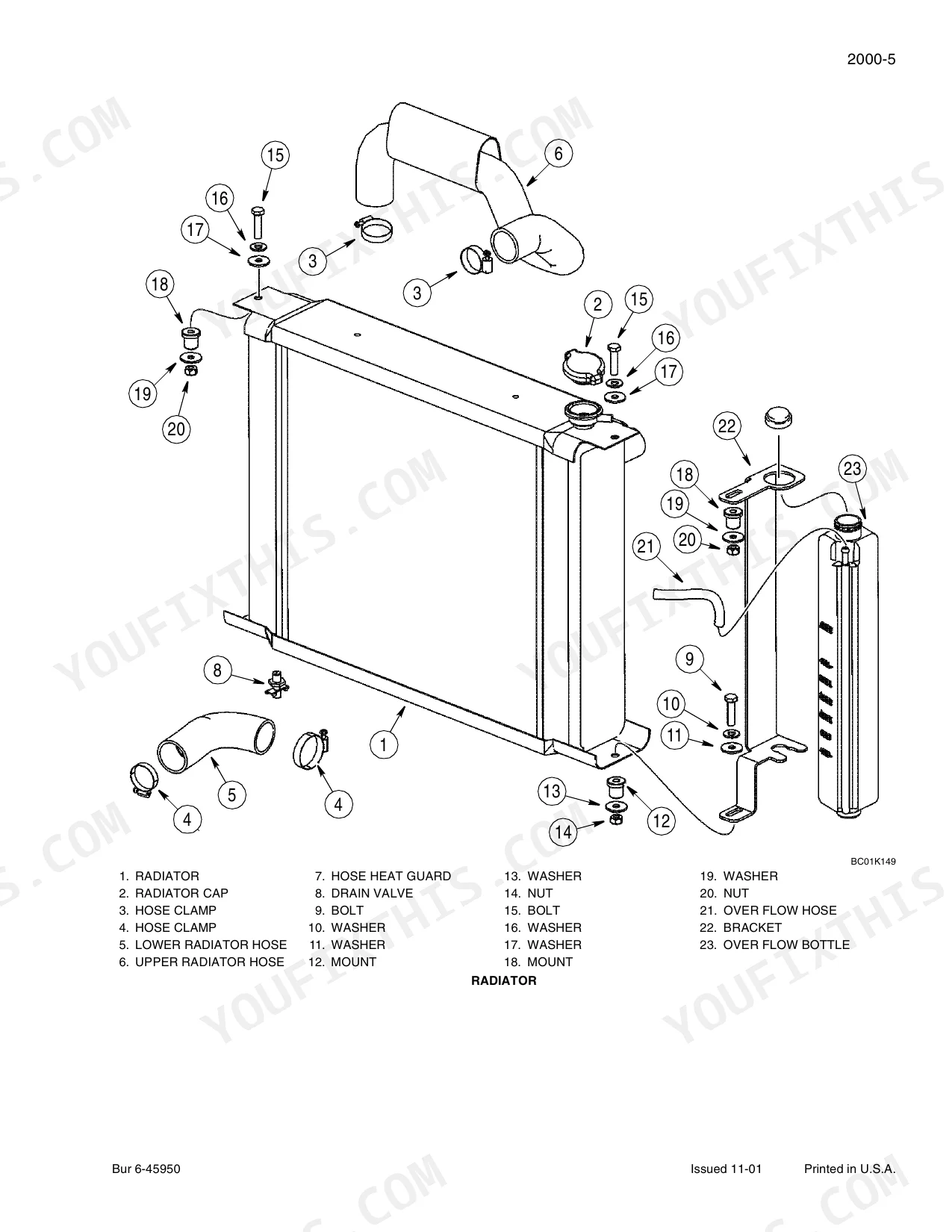
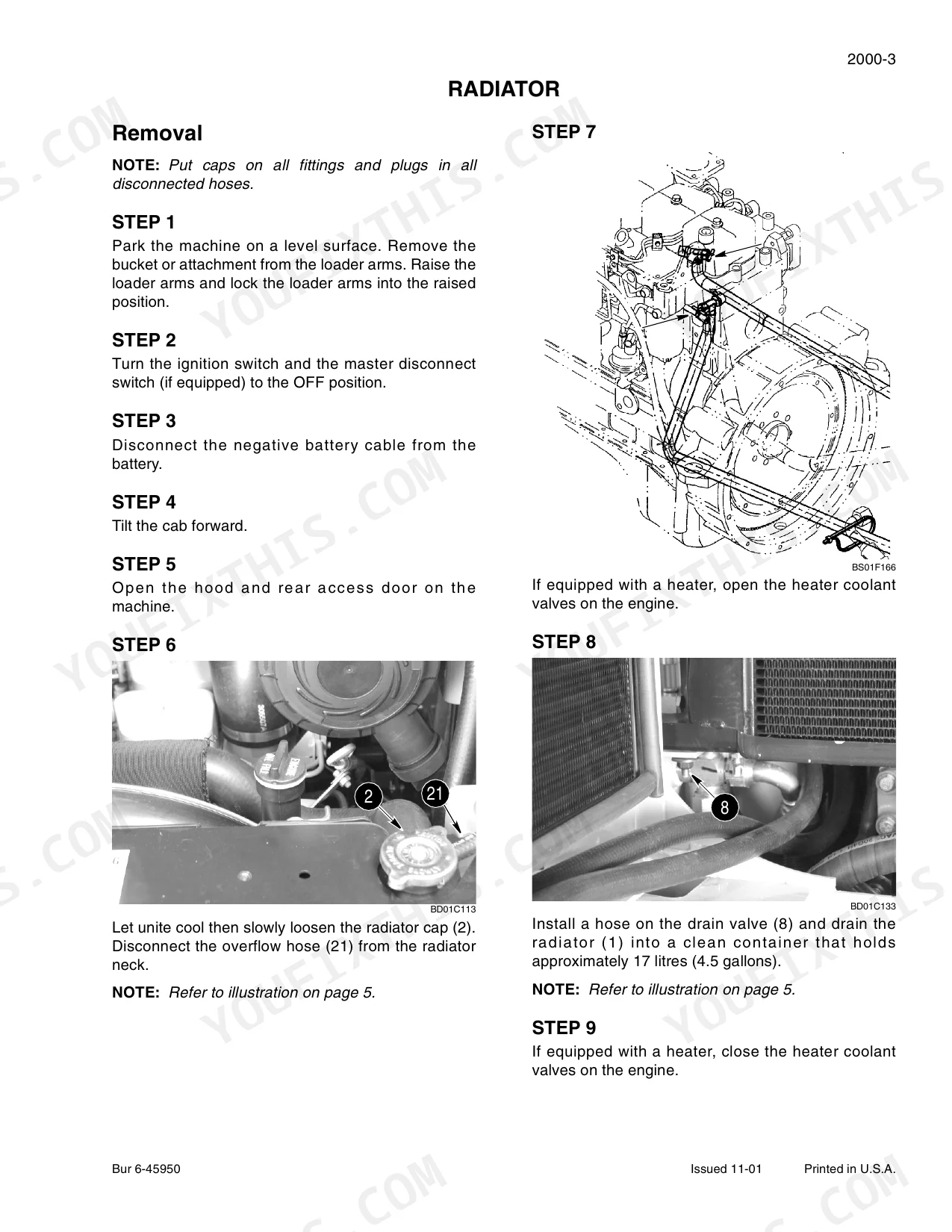
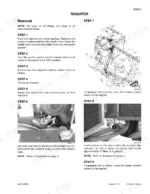
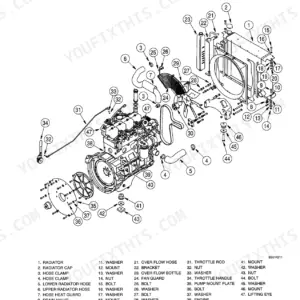
| Engine | 25-40 | Section Index - Engines, Engine and Radiator Removal and Installation |
| Fuel System | 41-42 | Section Index - Fuel Systems |
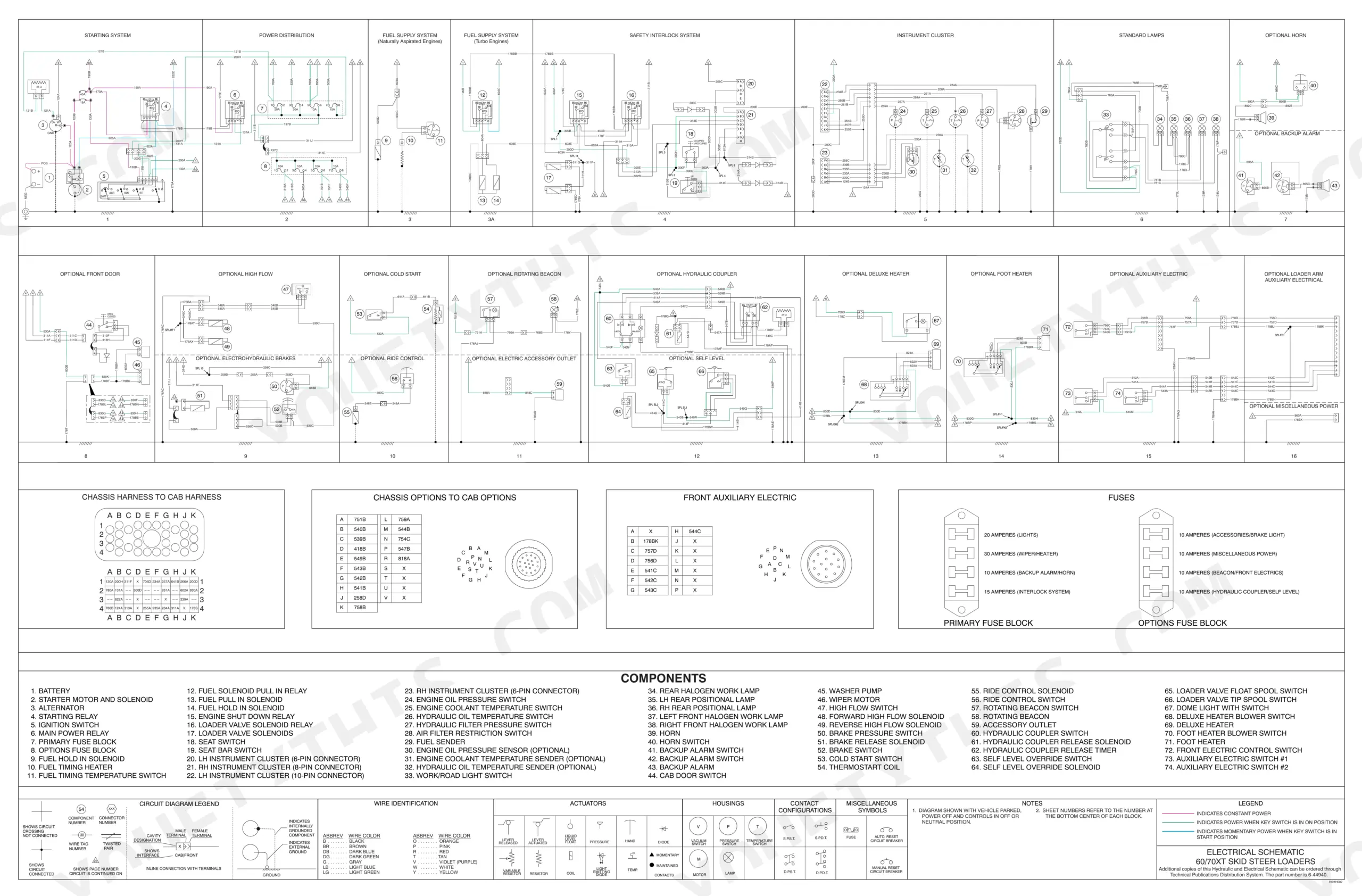
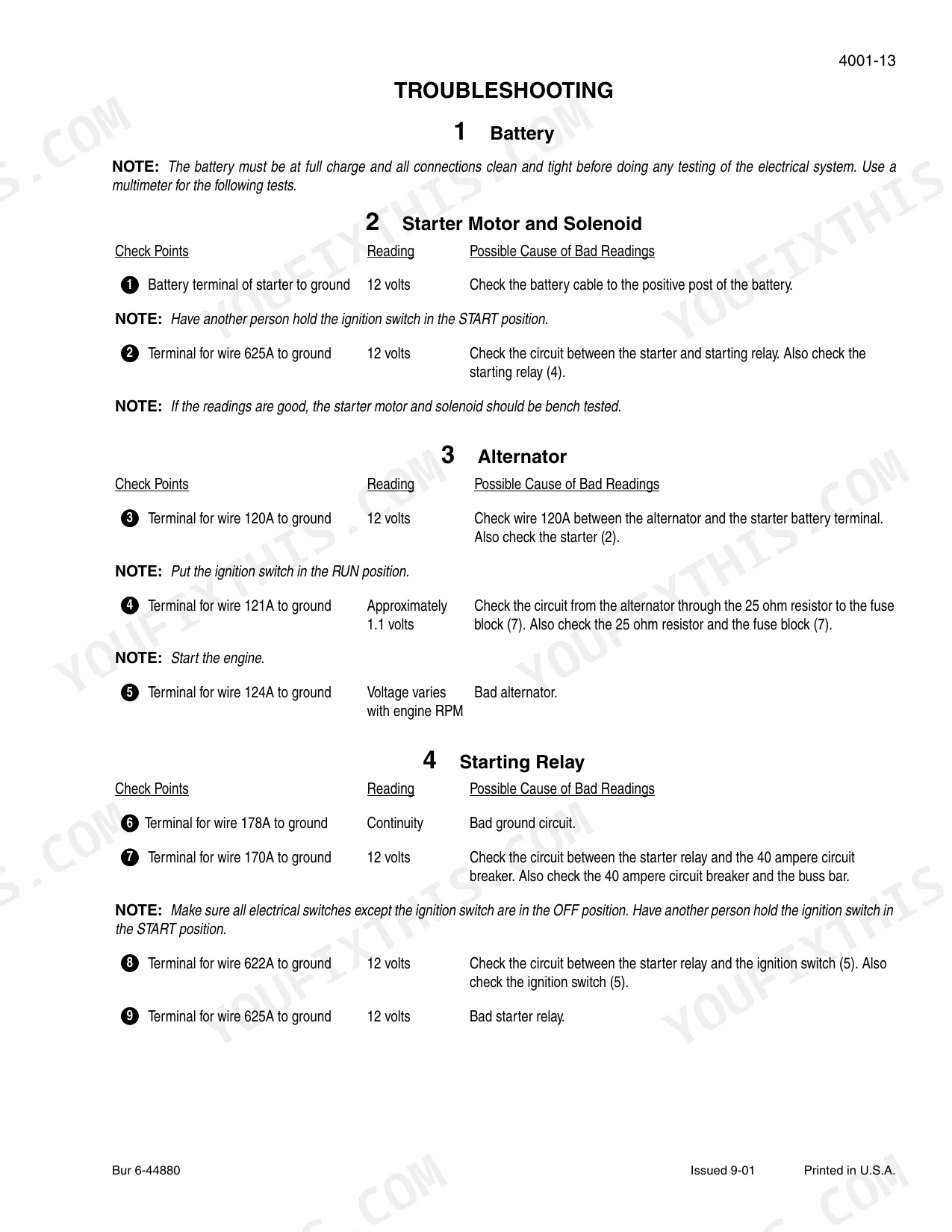
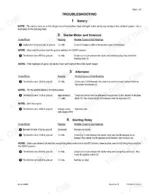
| Electrical System | 43-148 | Section Index - Electrical, Electrical System - How It Works, Electrical Specifications and Troubleshooting, Battery, Starter and Starter Solenoid, Alternator |
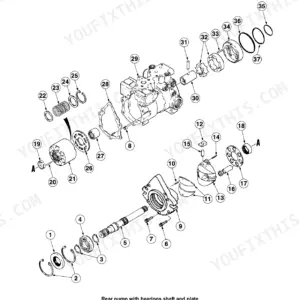
| Power Train | 149-280 | Section Index - Power Train, Hydrostatic System - How It Works, Hydrostatic System Troubleshooting, Removal and Installation of Hydrostatic Components, Drive Coupling, Piston Pump |
| Brakes | 281-342 | Section Index - Brakes, Brake System - How It Works, Brake System Troubleshooting, Removal and Installation of Park Brakes |
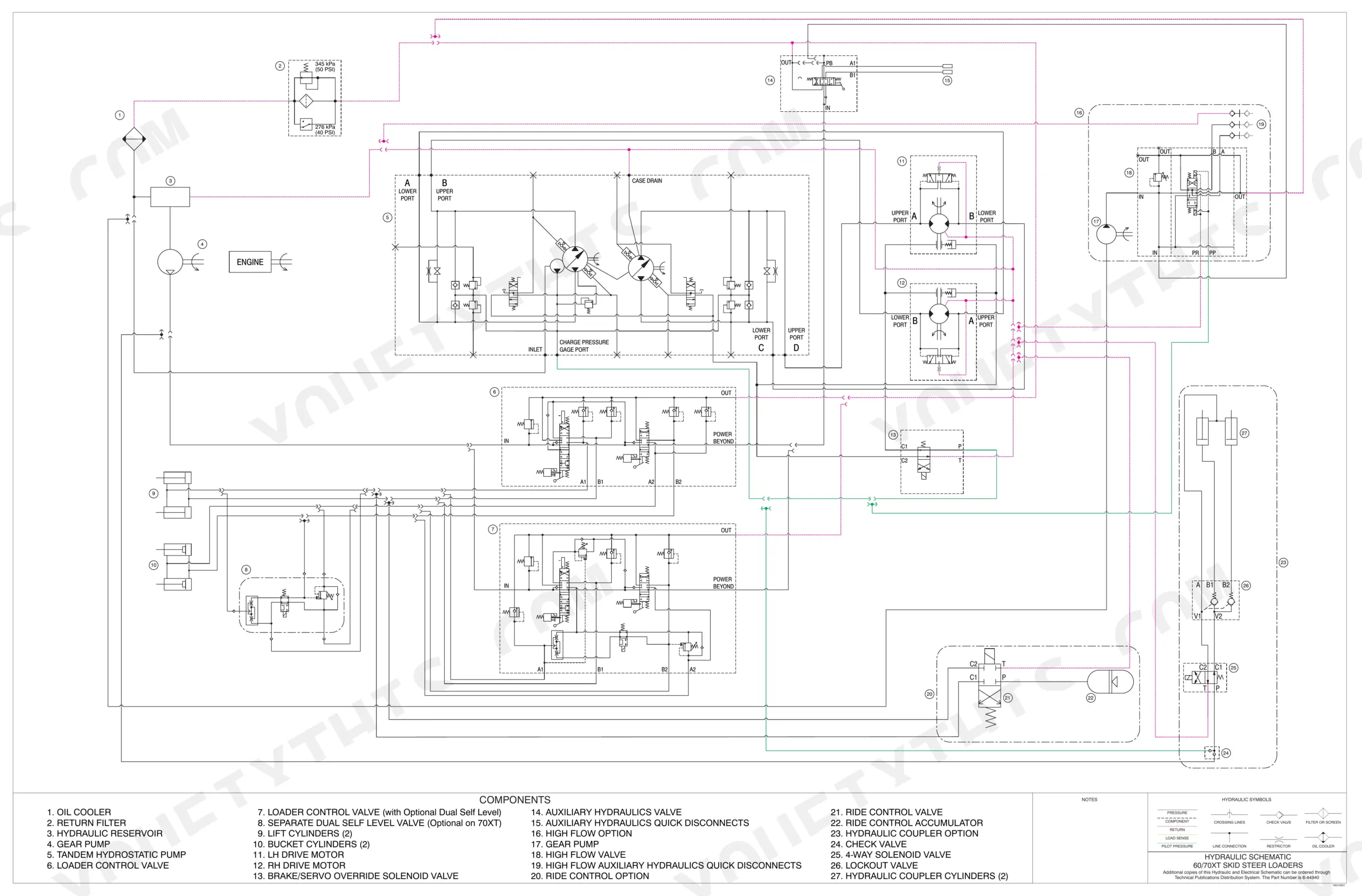
| Hydraulics | 343-566 | Section Index - Hydraulics, Hydraulic System - How It Works, Hydraulic System Troubleshooting, Cleaning the Hydraulic System and Hydrostatic System |
| Mounted Equipment | 567-650 | Section Index - Mounted Equipment, Pedals and Levers, Loader, Attachment Coupler, ROPS Canopy, Seat, Seat Belts, And Operators Compartment |
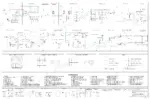
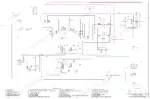
| Schematic Set | 651-653 | Hydraulic and Electrical Schematics |
Quick Reference Specifications
| Specification | Value | Page |
|---|---|---|
| Main Relief Pressure | 20,700 kPa (207 bar) (3000 psi) | p. 393 |
| Control handle to ROPS front post clearance | 25 to 40 mm (0.98 to 1.57 inches) | p. 579 |
| Auxiliary hydraulic pedal position | Adjust the cable until the auxiliary hydraulic pedal is in the horizontal position. | p. 584 |
| Fuel Tank Capacity | 83.3 litres (22 U.S. gallons) | p. 7 |
| Engine Crankcase Oil Capacity - with filter change | 10.4 litres (11.0 quarts) | p. 7 |
| Hydrostatic Pump System Relief Pressure (forward and reverse) | 34,500 kPa (5004 psi) | p. 179 |
| Hydrostatic Drive Motors Maximum Displacement | 503 cc (30.7 in³) | p. 179 |
| Tandem Pump Mounting Bolts Torque | 102 to 113 Nm (75 to 83 pound-feet) | p. 187 |
| Nuts for Wheels Torque | 135 to 163 Nm (100 to 120 pound-feet) | p. 263 |
| Brake System Release Pressure (Maximum) Fully Disengaged | 1034 kPa (10.34 bar) (400 psi) | p. 293 |
| Loader Control Valve Main Relief Pressure | 20,700 kPa (207 bar) (3000 psi) | p. 393 |
| Loader Raising Time (with rated load in bucket) | 4.1 seconds | p. 393 |
Case 60XT, 70XT SKID STEER, 60 Common Problems This Manual Covers
Case 70XT main relief valve pressure drifts below spec after repeated adjustment attempts p. 393
Check the loader control valve main relief pressure on page 393; spec is 20,700 kPa (207 bar, 3000 psi). Run the engine to high idle, hold the relief, and turn the adjustment screw until the gauge reads spec. If pressure won't climb to 207 bar even at full adjustment, the relief poppet or seat is worn; pull it and inspect, replace if scored.
Manual Section: HydraulicsHydraulic flow inconsistent across bucket dump, lift, and rollback positions at 2000 rpm
Run the flowmeter test on the gear pump and loader circuit with the engine at 2000 rpm. Cycle the bucket through dump, lift, and rollback while watching the gauge; flow should hold steady through every position. A drop confined to one position points to a worn spool or internal leakage in that section's control valve; isolate and rebuild the suspect section.
Manual Section: HydraulicsAuxiliary hydraulic pedal won't hold consistent pressure through full stroke during attachment use p. 584
Verify the pedal cable adjustment on page 584; the pedal must sit horizontal before the cable is set. If pressure sags mid-stroke, check the pressure valve on the flowmeter and inspect the auxiliary circuit for blockage. Bleed the circuit and retest; replace the pedal pressure valve if flow still drops once the cable is correctly positioned.
Manual Section: Mounted EquipmentBucket control lever assembly feels sloppy or won't return to neutral cleanly p. 579
Check the loader control linkage adjustment on page 579; clearance between the control handle and ROPS front post should be 25 to 40 mm (0.98 to 1.57 inches). Loosen the linkage rod jam nuts, reposition for correct clearance, and retighten. If the lever still binds or won't self-center, inspect the pivot bushings for wear and replace them.
Manual Section: Mounted EquipmentDrive chains rattle or feel loose under load, sprockets show uneven wear p. 571
Check drive chain tension on page 571; maximum total deflection at the loosest point is 40 mm (1-1/2 inch). Remove the side panel, press down mid-span, and measure deflection. Loosen the idler or axle mounting bolts, take up slack, then retorque. Replace any chain with stretched links or sprockets showing hooked teeth.
Manual Section: Mounted EquipmentFrequently Asked Questions
What are the replacement specifications for Main relief valve?
The main relief valve for the loader control valve should be set to a pressure of 20,700 kPa (207 bar) (3000 psi). If the main relief valve cannot be adjusted to this correct setting, it must be replaced. Refer to page 394 for adjustment procedures.
How do you fix case 70XT main relief valve pressure drifts below spec after repeated adjustment attempts?
Check the loader control valve main relief pressure on page 393; spec is 20,700 kPa (207 bar, 3000 psi). Run the engine to high idle, hold the relief, and turn the adjustment screw until the gauge reads spec. If pressure won't climb to 207 bar even at full adjustment, the relief poppet or seat is worn; pull it and inspect, replace if scored.
How do you fix hydraulic flow inconsistent across bucket dump, lift, and rollback positions at 2000 rpm?
Run the flowmeter test on the gear pump and loader circuit with the engine at 2000 rpm. Cycle the bucket through dump, lift, and rollback while watching the gauge; flow should hold steady through every position. A drop confined to one position points to a worn spool or internal leakage in that section's control valve; isolate and rebuild the suspect section.
How do you fix auxiliary hydraulic pedal won't hold consistent pressure through full stroke during attachment use?
Verify the pedal cable adjustment on page 584; the pedal must sit horizontal before the cable is set. If pressure sags mid-stroke, check the pressure valve on the flowmeter and inspect the auxiliary circuit for blockage. Bleed the circuit and retest; replace the pedal pressure valve if flow still drops once the cable is correctly positioned.
What do I get after purchasing this Case 70XT Skid Steer manual?
You get a 653-page searchable PDF that downloads instantly after checkout. Open it on your laptop, tablet, or phone, and bring it right to the shop floor.
Is this Case 70XT Skid Steer Service Manual printable?
Yes, print as many copies as you want, and there are no restrictions. Many mechanics print the section they need and bring it to the shop floor.
Can I find wiring schematics in this Case 70XT Skid Steer manual?
Complete wiring diagrams are included, covering all electrical circuits, harness routing, and connector pinouts for the Case 70XT Skid Steer.



Reviews
There are no reviews yet.