
This OEM workshop manual stays on one machine across all 367 pages: the B3200HSD and B3200HSDWO tractor, from hydrostatic transmission teardown to 3-point hitch hydraulics and the full electrical wiring. Hydraulic circuit schematics map the hitch control valve, front loader valve, and relief valve, while troubleshooting charts for engine, clutch, transmission, brakes, front and rear axle, and steering run throughout the Servicing sections. Expect 9 pages of torque tables, 100 pages of exploded-view diagrams, and a maintenance schedule running from the initial 50-hour service through 3,000-hour intervals. Swap the fuel filter at 400 hours, replace the engine oil filter after every six cleanings, and fill the coolant system to 4.5 L before startup. With your B3200HSD down, bookmarks drop you straight to the section you need, so you pull the right spec the first time.
What's Inside This Kubota B3200HSD, B3200HSDWO Manual
| System | Pages | Key Topics |
|---|---|---|
| Safety Decals | 5-8 | Safety decal locations and part numbers for required labels |
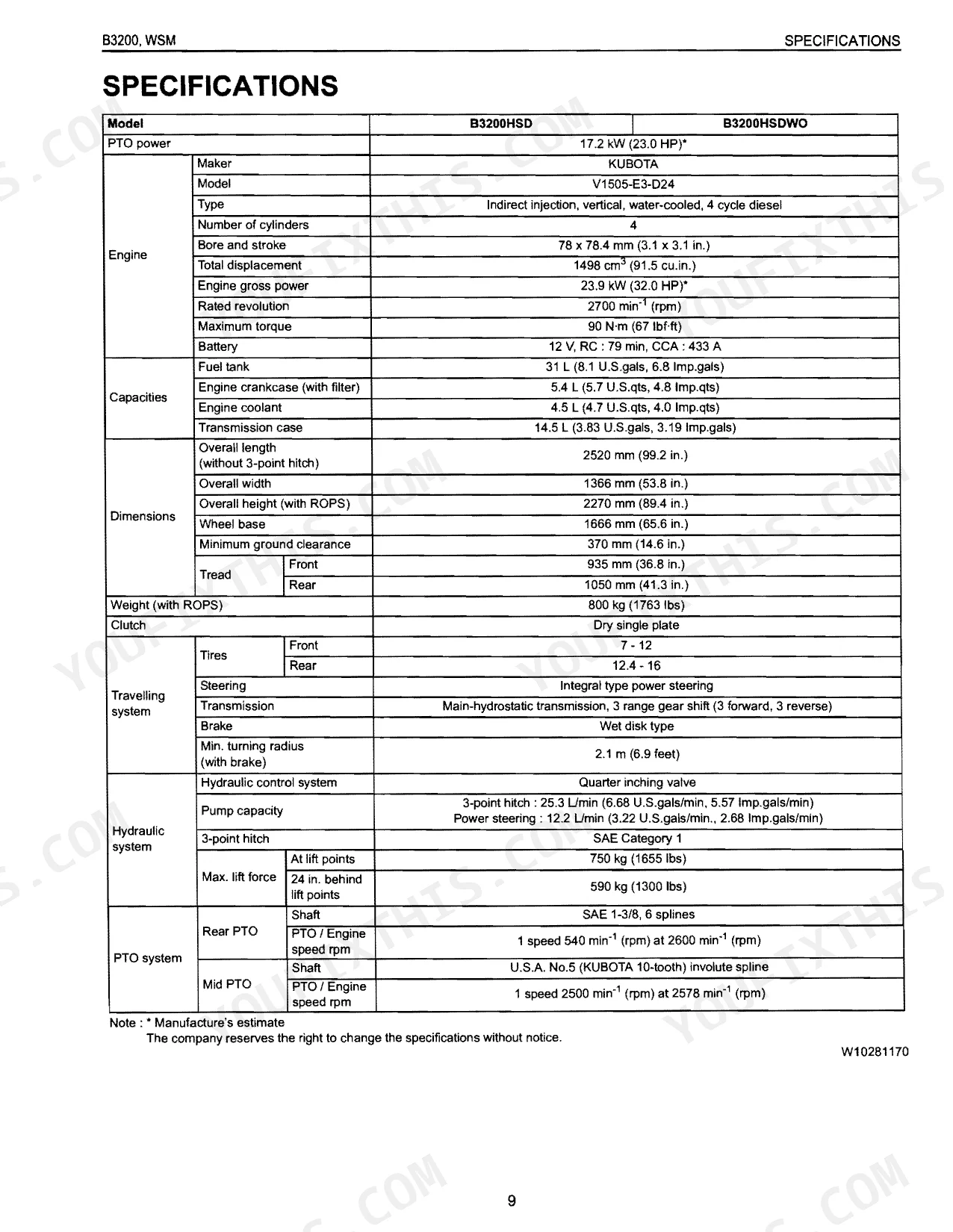
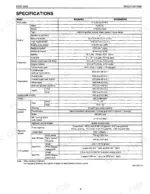
| Specifications | 9-9 | PTO Power, Engine, Capacities, Dimensions, Weight, Clutch, Tires, Steering |
| Travelling Speeds | 10-10 | Model B3200, Tire Size, Forward, Reverse |
| Dimensions | 11-12 | Overall Length, Overall Width, Overall Height, Wheel Base, Minimum Ground Clearance, Front Tread, Rear Tread |
| General | 13-68 | Tractor Identification (Model Name and Serial Number, Cylinder Number), Handling Precautions for Electrical Parts and Wiring (Battery, Fuse, Connector, Handling of Circuit Tester) |
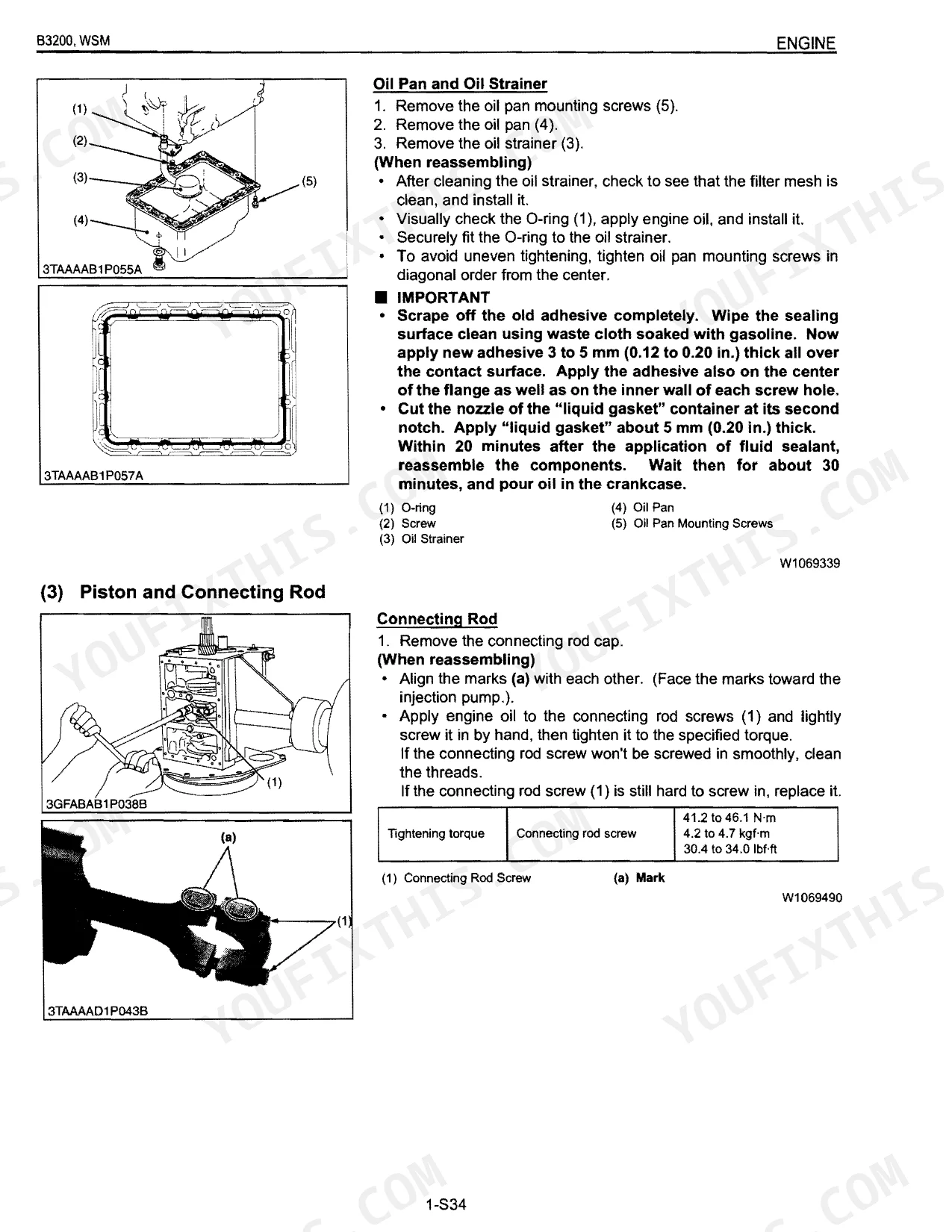
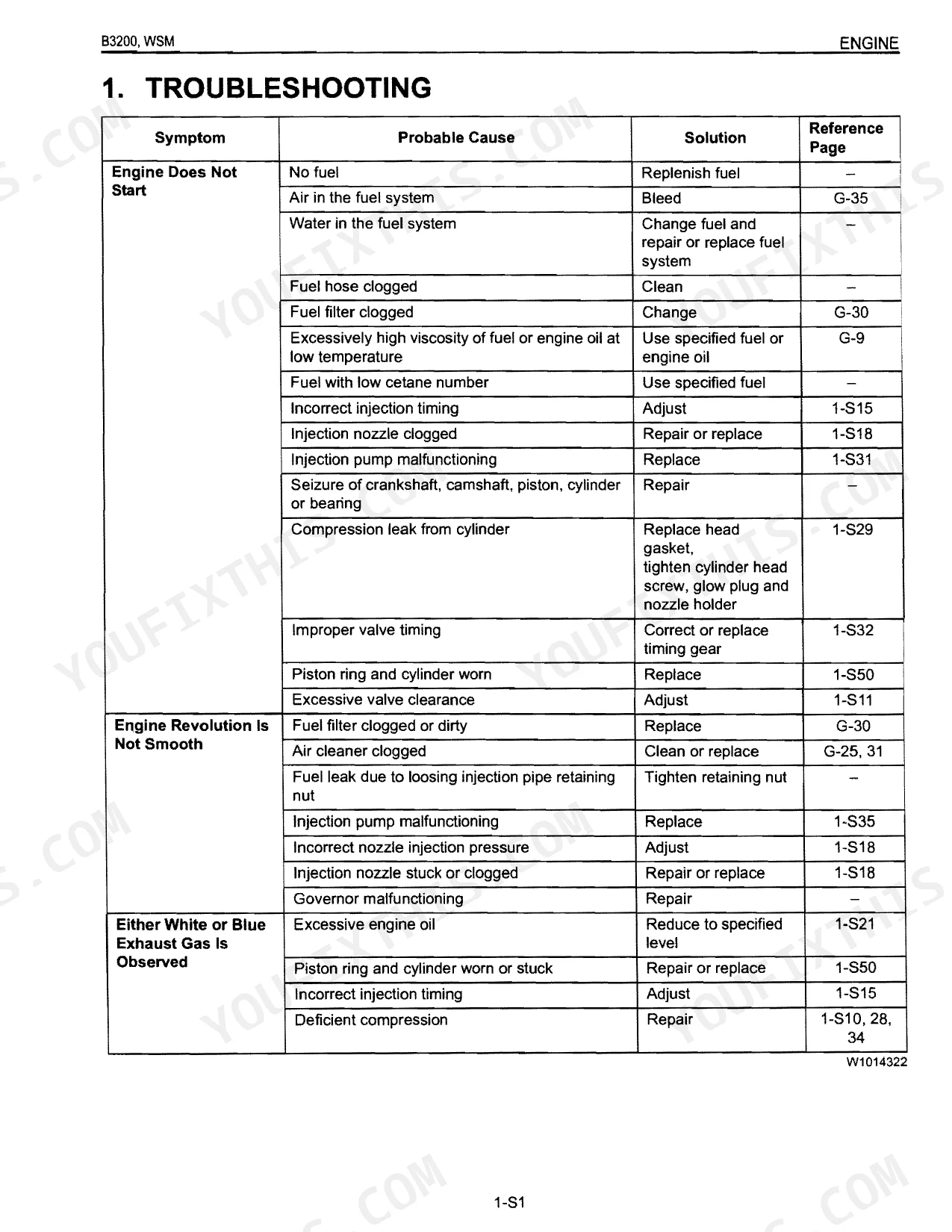
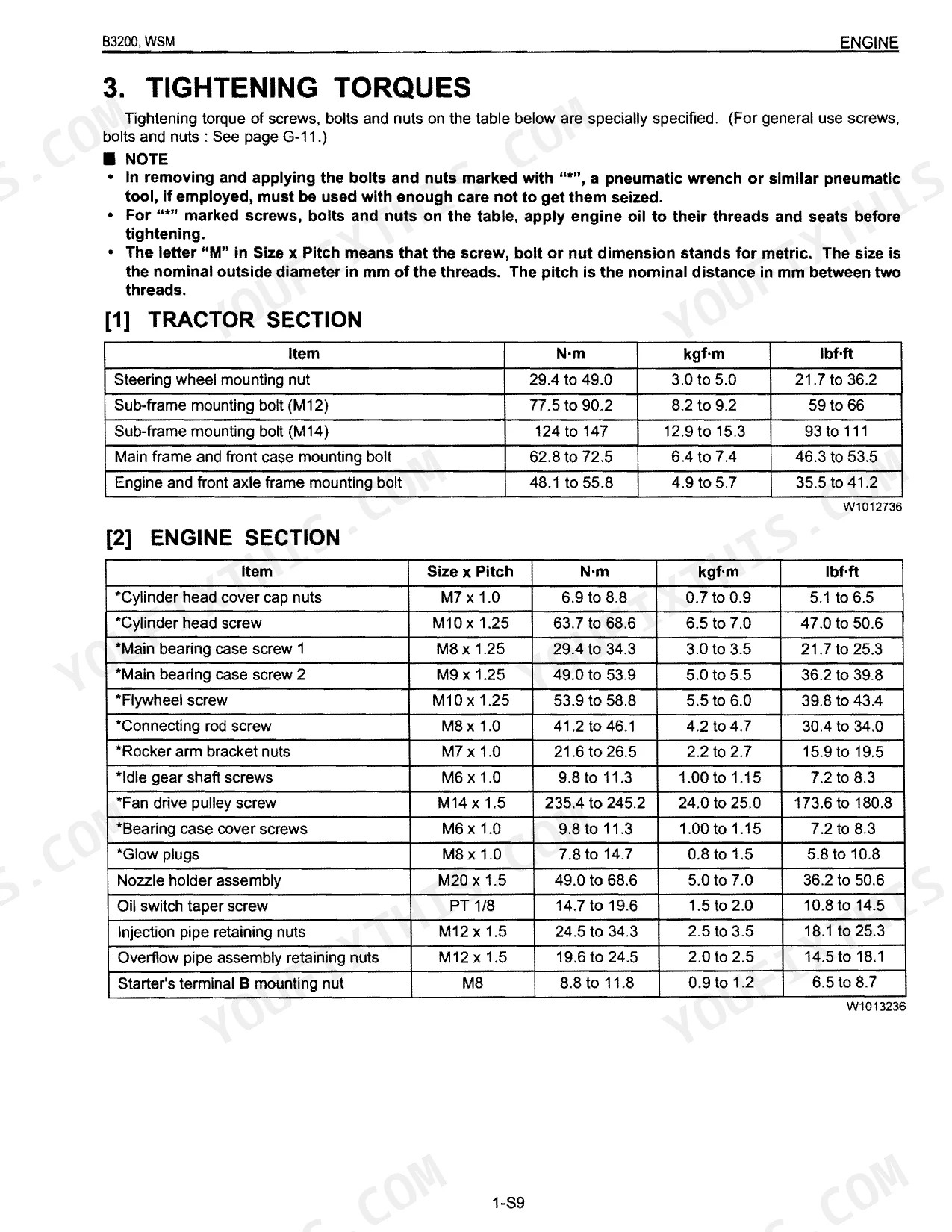
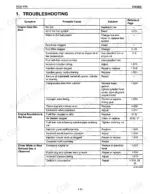
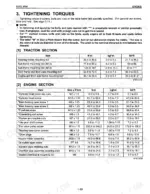
| Engine Servicing | 69-126 | Troubleshooting, Servicing Specifications, Tightening Torques (Tractor Section, Engine Section), Checking |
| Clutch Mechanism | 127-130 | Linkage Mechanism, Operation, Clutch Engaged, Clutch Disengaged |
| Clutch Servicing | 131-146 | Troubleshooting, Servicing Specifications, Tightening Torques, Checking, Disassembling and Servicing (Checking and Adjusting, Preparation, Disassembling and Assembling) |
| Transmission Mechanism | 147-162 | Structure, Power Train for Travelling System (Hydrostatic Transmission), Power Train for PTO Gear (Rear PTO Section, Mid-Pto Section) |
| Transmission Servicing | 163-206 | Troubleshooting, Servicing Specifications, Tightening Torques, Checking. Disassembling and Servicing (Checking and Adjusting, Preparation, Disassembling and Assembling) |
| Rear Axle Mechanism | 207-210 | Structure, Rear Axles, Differential Gears |
| Rear Axle Servicing | 211-220 | Troubleshooting, Tightening Torques, Disassembling and Servicing (Disassembling and Assembling) |
| Brakes Mechanism | 221-224 | Linkage, Operation, During Braking |
| Brakes Servicing | 225-238 | Troubleshooting, Servicing Specifications, Tightening Torques, Checking, Disassembling and Servicing (Checking and Adjusting, Disassembling and Assembling) |
| Front Axle Mechanism | 239-242 | Structure, Power Transmission, Differential System |
| Front Axle Servicing | 243-260 | Troubleshooting, Servicing Specifications, Tightening Torques, Checking, Disassembling and Servicing (Checking and Adjusting, Disassembling and Assembling) |
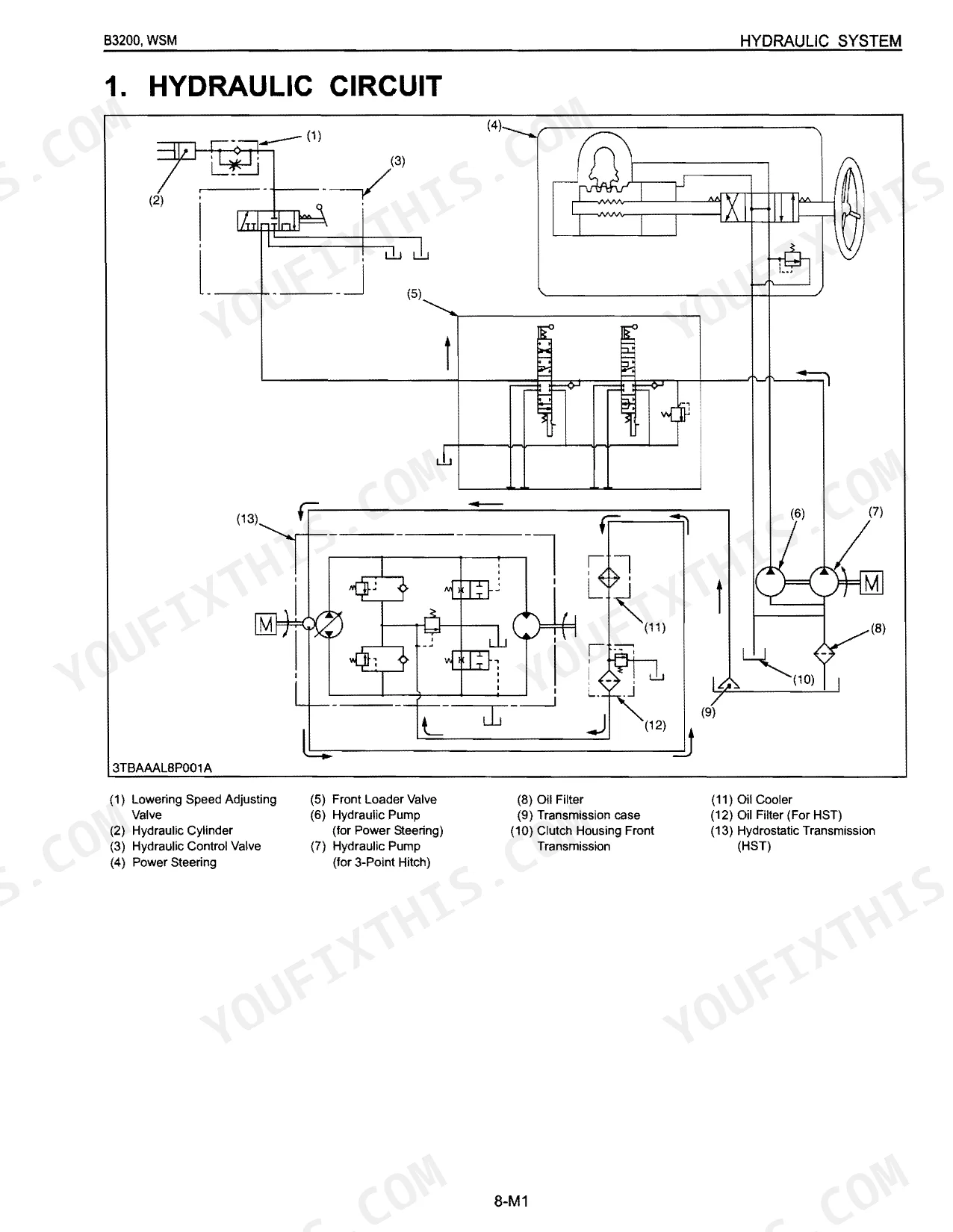
| Steering Mechanism | 261-264 | Structure, Steering Linkage, Power Steering (Hydraulic Circuit for Power Steering System) |
| Steering Servicing | 265-284 | Troubleshooting, Servicing Specifications, Tightening Torques, Checking, Disassembling and Servicing (Checking and Adjusting, Preparation, Disassembling and Assembling) |
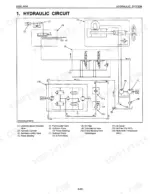
| Hydraulic System Mechanism | 285-300 | Hydraulic Circuit, Hydraulic Pump, Control Valve Assembly (Front Loader Control Valve, 3-Point Hitch Control Valve, Relief Valve) |
| Hydraulic System Servicing | 301-320 | Troubleshooting, Servicing Specifications, Tightening Torques, Checking, Disassembling and Servicing (Checking and Adjusting, Preparation, Disassembling and Assembling) |
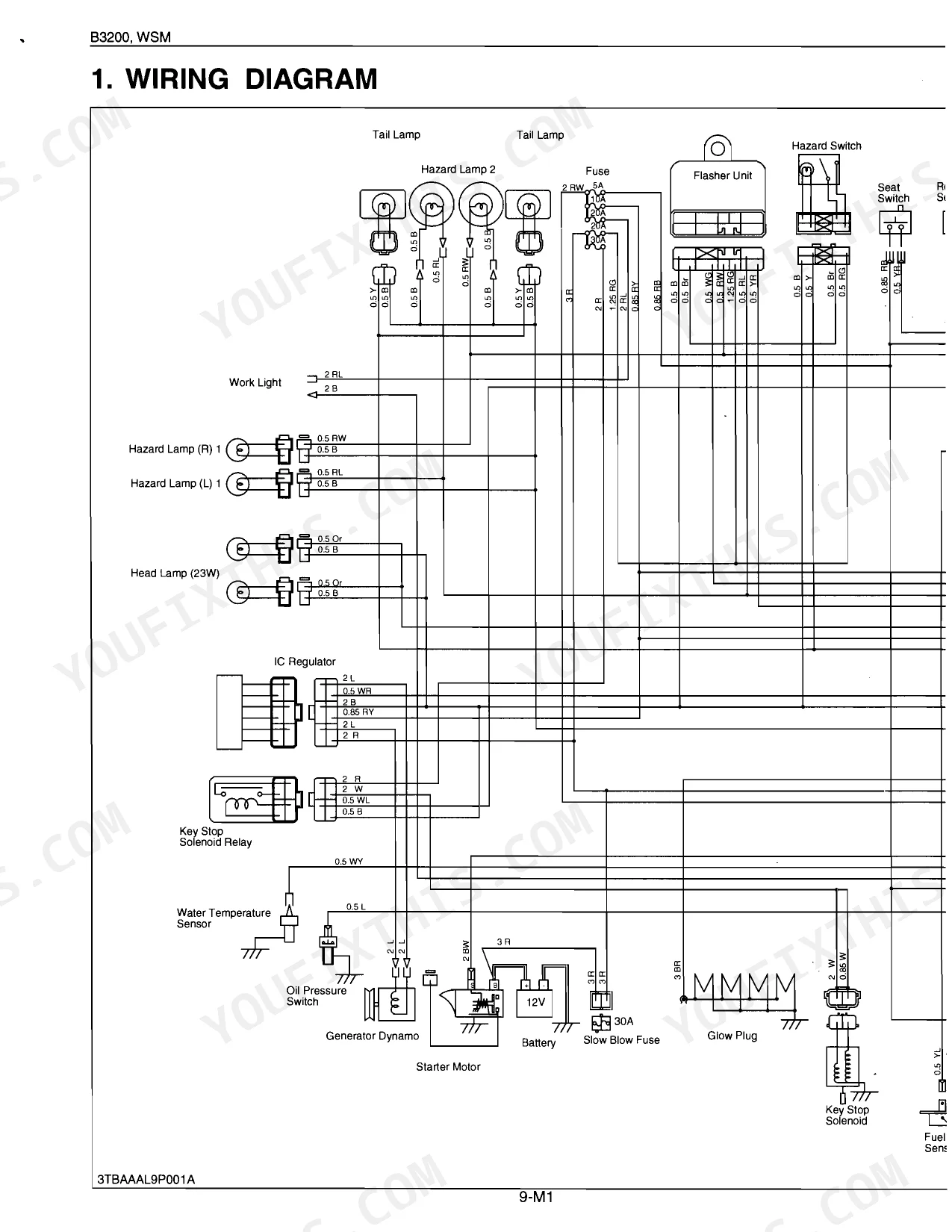
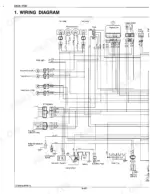
| Electrical System Mechanism | 321-335 | Wiring Diagram, Engine Starting System and Stopping System (Opc System Circuit, Controller, Safety Switch and Engine Condition) |
| Electrical System Servicing | 336-367 | Troubleshooting, Servicing Specifications, Checking, Disassembling and Servicing (Checking and Adjusting, Disassembling and Assembling) |
Quick Reference Specifications
| Specification | Value | Page |
|---|---|---|
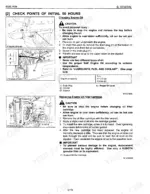
| Hydraulic oil filter replacement interval | Initial 50 hours, then periodically | p. 27 |
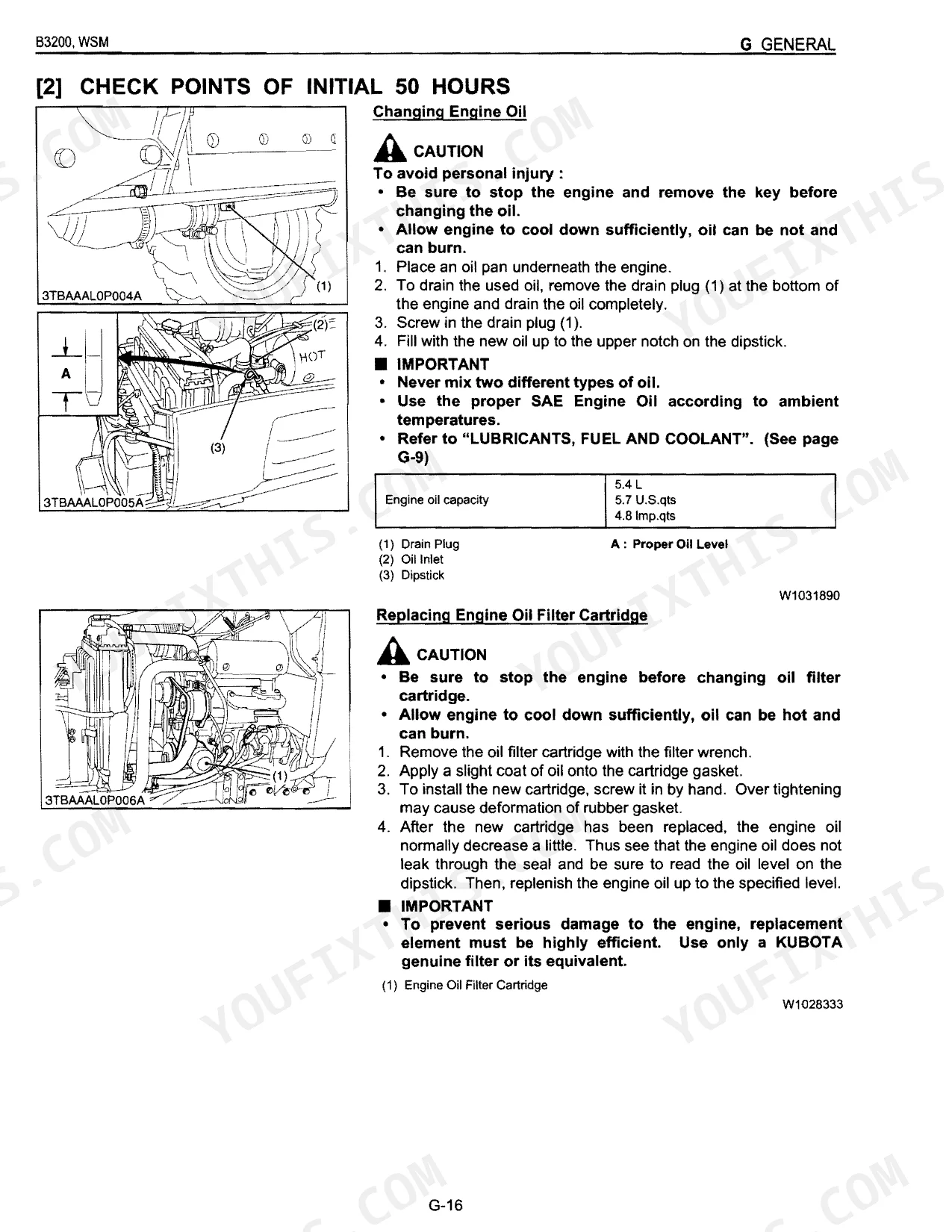
| Engine oil filter replacement interval | Initial 50 hours, then every year or every 6 times of cleaning | p. 27 |
| Fuel filter element replacement interval | Every 400 hours | p. 44 |
| Air cleaner primary element replacement interval | Once a year or after every six times of cleaning, whichever comes first | p. 39 |
| Coolant capacity (with recovery tank) | 4.5 L | p. 46 |
| Thermostat Valve Opening Temperature (Opened Completely) | 85 °C | p. 78 |
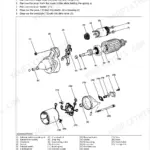
| Starter Commutator O.D. (Allowable Limit) | 27.0 mm | p. 343 |
| Starter Mica Undercut (Allowable Limit) | 0.20 mm | p. 343 |
| Transmission fluid capacity | 14.5 L | p. 23 |
| Piston to Bore (HST) Clearance (Allowable Limit) | 0.04 in. | p. 168 |
| Radiator Water Leakage Test Pressure | 137 kPa | p. 78 |
| Engine gross power | 23.9 kW (32.0 HP) | p. 9 |
Kubota B3200HSD, B3200HSDWO Common Problems This Manual Covers
Kubota B3200HSD hydrostatic transmission loses power or jerks under load after warming up p. 163
Check transmission fluid level first; the case holds 14.5 L (page 23). Drain and refill if the fluid looks milky or smells burnt. Work the Transmission Servicing troubleshooting chart from page 163. Measure HST piston slipper thickness against the 2.90 mm allowable limit (page 168); anything thinner means an HST rebuild.
Manual Section: Transmission Servicing TroubleshootingEngine won't start or cranks slowly in cold weather, glow plug warning stays lit
Verify the operator presence safety switches are all satisfied before you blame the engine. Check glow plug resistance, roughly 0.9 Ω per plug (page 343). If the plugs test good, follow engine troubleshooting from there. Swap the fuel filter every 400 hours (page 44); a clogged element starves injection and can mimic a deeper fault.
Manual Section: Engine Servicing TroubleshootingEngine overheats or temperature climbs past normal during heavy loader or bush-hog work
Confirm coolant level; capacity with the recovery tank is 4.5 L (page 46). Clear packed debris from the radiator core and check that the fan belt is tight. Test the thermostat, which should open fully at 85 °C (page 78). If all of that passes, work through the overheating section in Engine Servicing Troubleshooting.
Manual Section: Engine Servicing TroubleshootingThree-point hitch lifts slowly, won't reach full height, or drops implement under load p. 301
Inspect hydraulic fluid level; the transmission case holds 14.5 L (page 23). Replace the hydraulic oil filter at the initial 50-hour mark per the schedule on page 27. Then follow the implement-not-rising fault tree in Hydraulic System Servicing Troubleshooting on page 301. With fluid level good, a clogged suction screen or stuck relief valve is usually to blame.
Manual Section: Hydraulic System Servicing TroubleshootingPTO won't engage or slips through load, clutch pedal free travel feels off p. 131
Measure clutch pedal free travel first; it should land between 20 and 30 mm (page 134). Out of spec? Adjust per Clutch Servicing on page 131 before suspecting the PTO. Check that the PTO engagement safety switch closes properly. Clutch drag or too little free travel is the usual reason a PTO won't pull through load.
Manual Section: Clutch Servicing TroubleshootingExcessive white or black smoke at startup, rough idle, noticeable power loss under load
Replace the air cleaner element once a year or after six cleanings (page 39), and the fuel filter every 400 hours (page 44). Contaminated fuel or a blocked intake drives both smoke and power loss. If smoke persists, check cold valve clearance against the 0.145 to 0.185 mm spec (page 74). The engine fault tree narrows it from there.
Manual Section: Engine Servicing TroubleshootingFrequently Asked Questions
What are the torque specs for Kubota B3200HSD wheel lug nuts?
Front wheel mounting nuts torque to 77 to 90 N·m (57 to 67 lbf·ft); rear wheel mounting nuts take 167 to 191 N·m (123 to 141 lbf·ft). Check the nuts regularly, especially on a new machine, and retighten to spec if any have loosened.
What does it mean when the Kubota B3200HSD hydraulic pump whines loudly?
Loud whining from the pump, particularly when the implement won't rise, points to a few suspects: a loose or broken suction pipe, a damaged suction pipe O-ring, or a failed hydraulic pump. Any of these can make noise and drag down hydraulic performance.
How to find Kubota B3200HSD torque specs
Torque values live in dedicated sections throughout the manual: general screws, bolts, and nuts on page 25, engine torques on page 79, clutch on page 135, transmission on page 170, rear axle on page 214, brakes on page 229, front axle on page 247, steering on page 270, and hydraulic system on page 306.
What are the replacement specifications for hydraulic oil filter?
Fit only a genuine Kubota hydraulic oil filter at replacement; a non-genuine element risks serious damage to the hydraulic system. The manual lists no part number or detailed specs for the filter itself.
How quickly can I access this Kubota B3200HSD, B3200HSDWO manual after buying?
It's a 367-page searchable PDF ready to download the moment you buy. Open it on any device, including your phone right at the machine. Nothing ships, nothing to wait for.
Can I print specific sections of this Kubota B3200HSD, B3200HSDWO manual?
No restrictions at all. Print individual pages, full chapters, or the entire manual. The PDF is completely unlocked.
Can I find wiring schematics in this Kubota B3200HSD, B3200HSDWO manual?
Yes. You'll find full electrical schematics with wire routing diagrams, connector identification, and circuit descriptions.
Document Quality
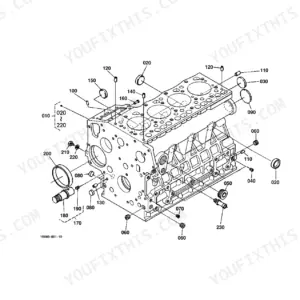
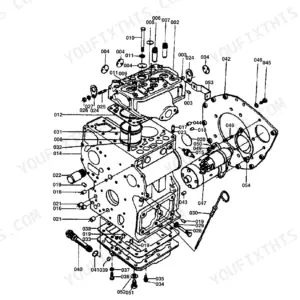
This document is a scanned PDF, featuring an OCR layer that allows you to search and copy text throughout. The text quality is generally clear and readable, though it exhibits slight pixelation characteristic of scanned material rather than native digital crispness. Diagrams and illustrations are raster images, meaning they may show some pixelation when zoomed in, but all labels and details remain readable. The pages are clean, free from any notable scan artifacts, stains, marks, or skewed content. You will encounter several blank pages, typically after major sections, which serve as filler.



Reviews
There are no reviews yet.