
Kubota built the L3200 and L3800 to work, and this 79-page Operator Manual keeps them working from first startup through winter storage. Safety comes first across 8 pages: ROPS operation, slope limits, and what the road-driving rules require. From there a pre-operation checklist and dashboard indicator guide lead into 24 pages of operating procedures for the engine, PTO, three-point hitch, and hydraulic control system. Fluid capacities fill four pages, and the maintenance schedule lays out every interval from 50 hours to 800 hours. Need a number fast? Torque the smaller wheel bolts to 137 N-m, the larger ones to 215 N-m, and fill the fuel tank to 38.0 L. Section bookmarks and keyword search mean the spec loads on any device before you reach for a wrench.
What's Inside This Kubota L3200, L3800 Operator Manual
| System | Pages | Key Topics |
|---|---|---|
| Safe Operation | 9-16 | Before Operating the Tractor, CAB/ROPS, Operating on Slopes, Driving the Tractor on the Road, Parking the Tractor, Danger, Warning and Caution Labels |
| Servicing of Tractor | 17 | Tractor Identification Plate, Engine Serial Number, ROPS Identification Plate |
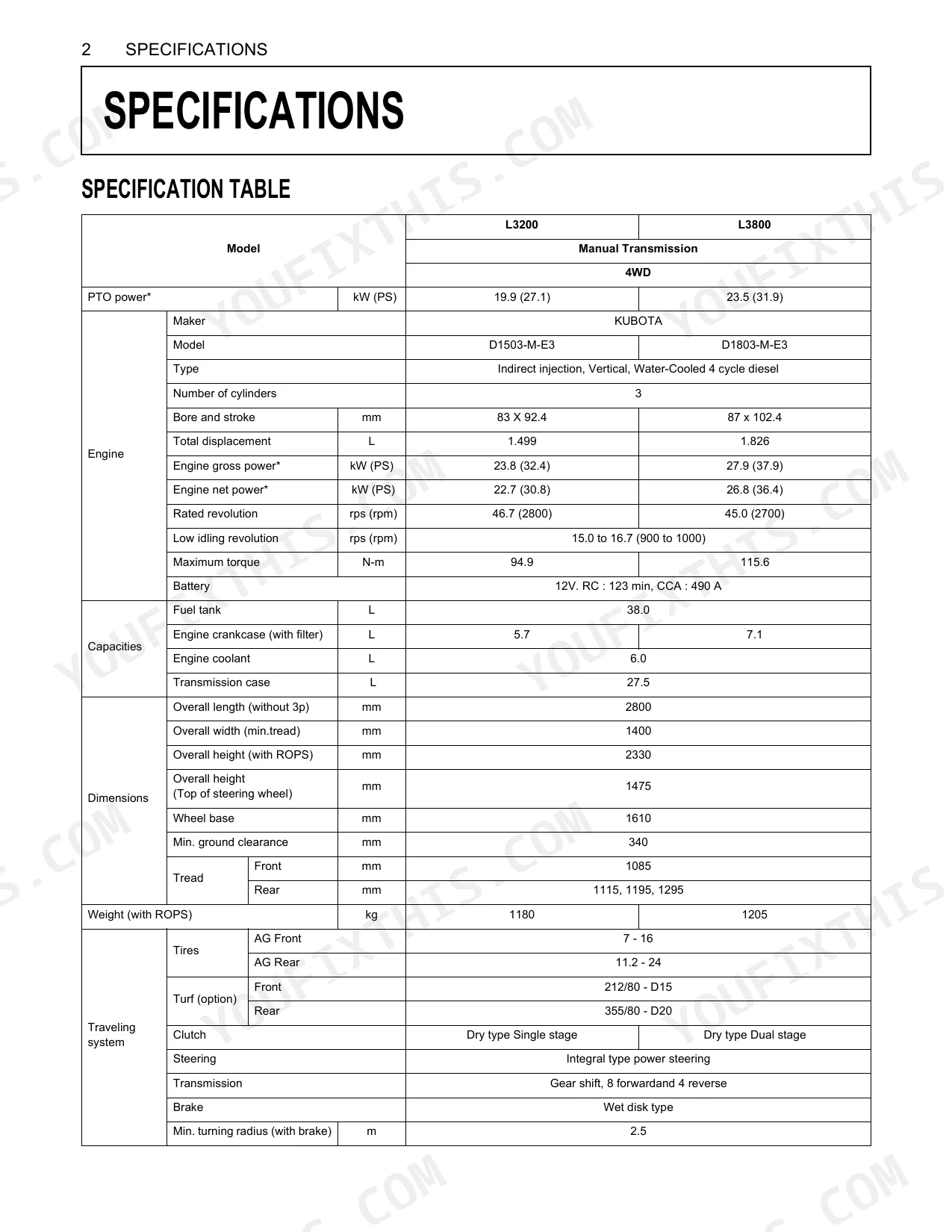
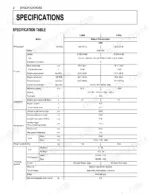
| Specifications | 18-19 | PTO Power, Engine Specifications, Capacities, Dimensions, Traveling System, Hydraulic Control System, Traveling Speeds |
| Implement Limitations | 20-21 | Tread (max. width), Lower Link End Max. Lifting Capacity, Implement Weight, Max. Drawbar Load, Trailer Loading Weight, Specific Implement Specs |
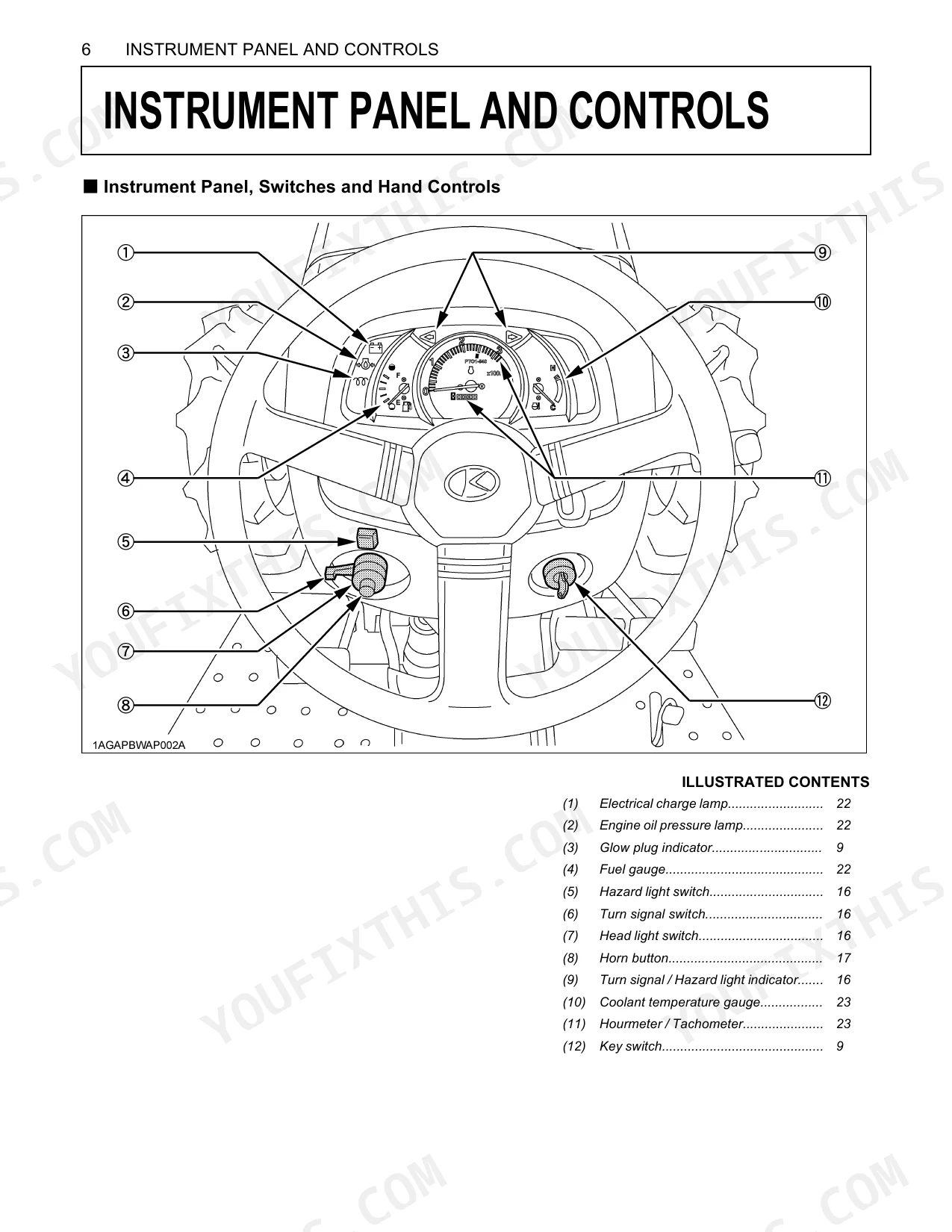
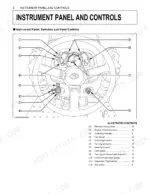
| Instrument Panel and Controls | 22-23 | Instrument Panel, Switches and Hand Controls, Electrical Charge Lamp, Engine Oil Pressure Lamp, Fuel Gauge, Hourmeter/Tachometer |
| Pre-Operation Check | 24 | Daily Check, Walk Around Inspection, Checking and Refueling, Checking Engine Oil Level, Checking Transmission Oil Level, Checking Coolant Level |
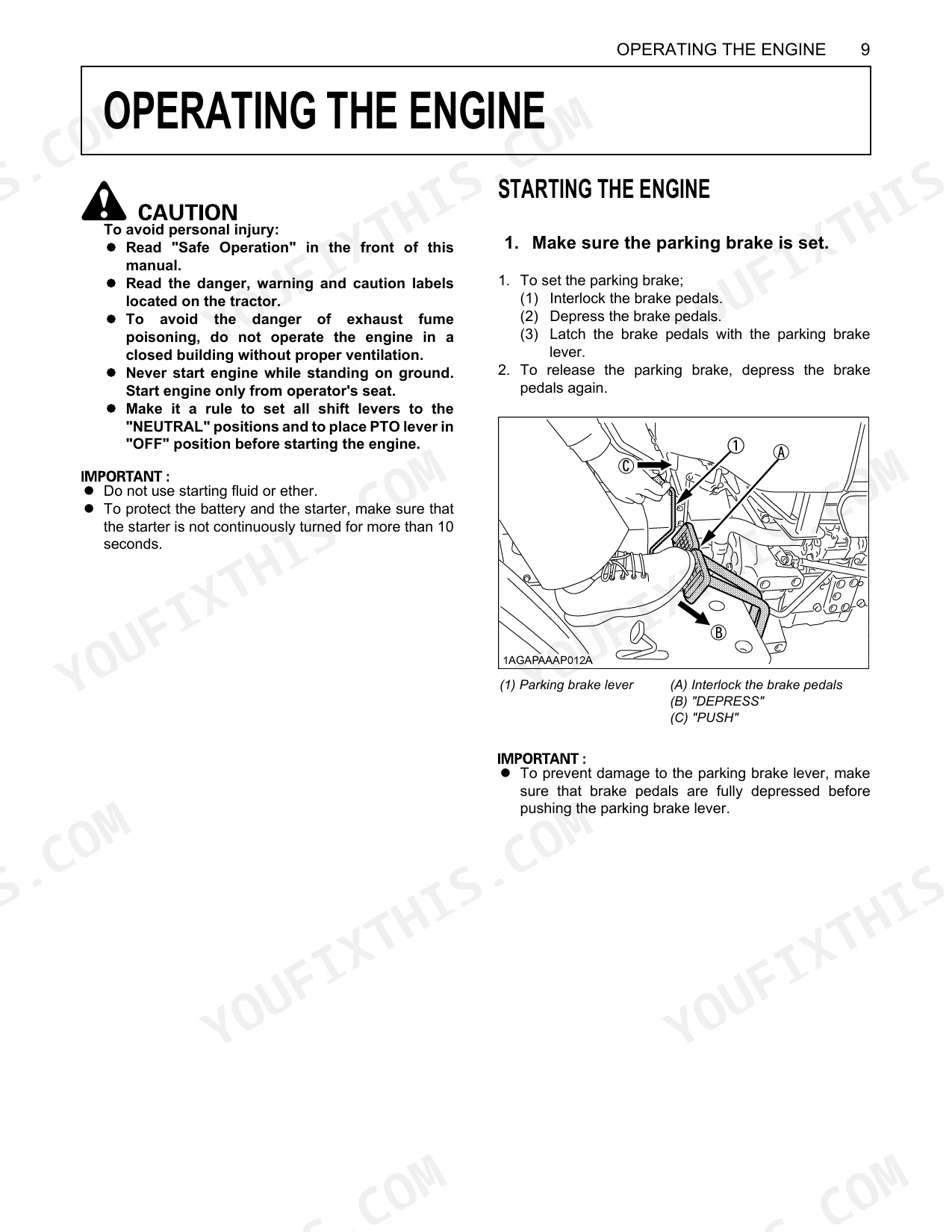
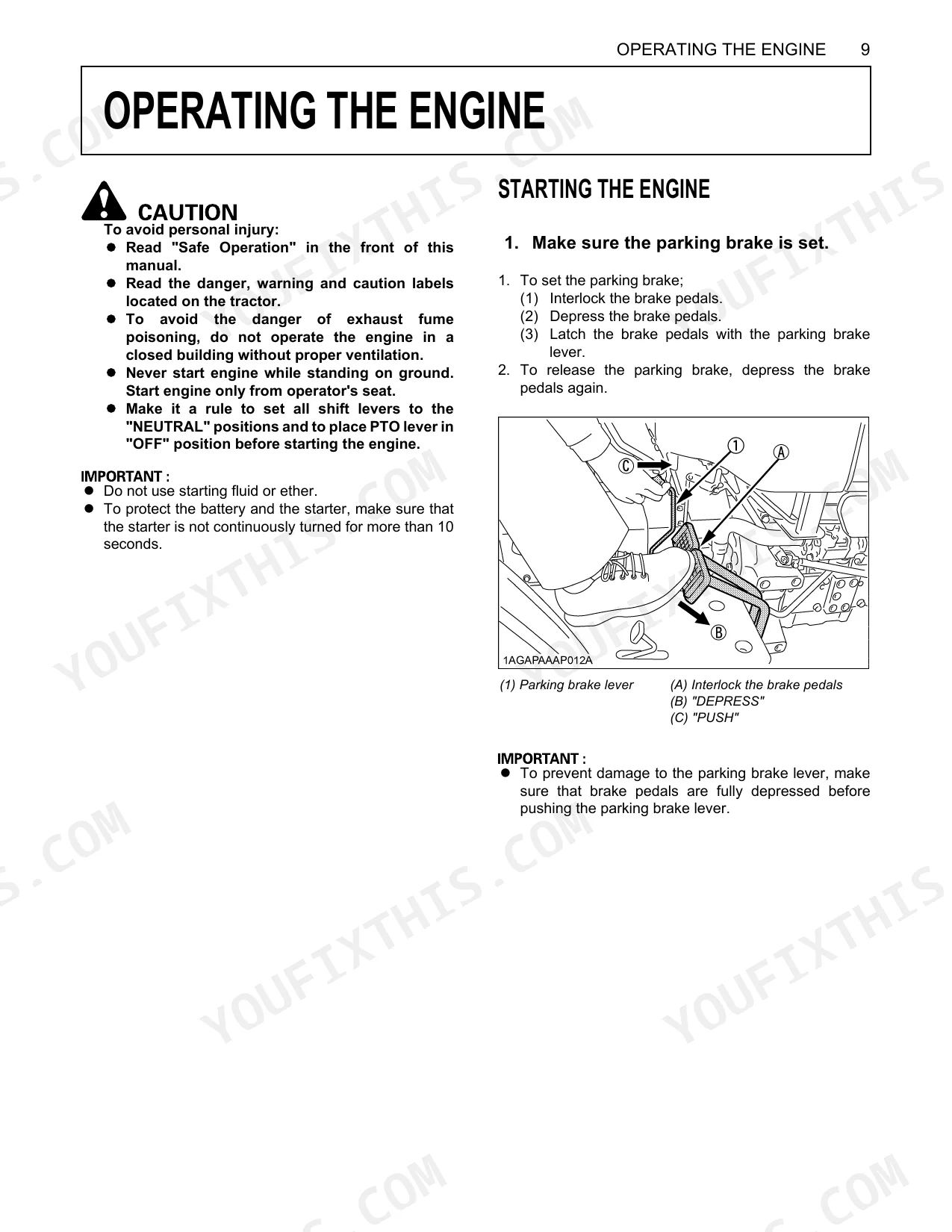
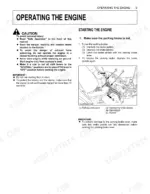
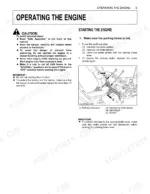
| Operating the Engine | 25-29 | Starting the Engine, Stopping the Engine, Warming Up, Warm-Up Transmission Oil in the Low Temperature Range, Jump Starting |
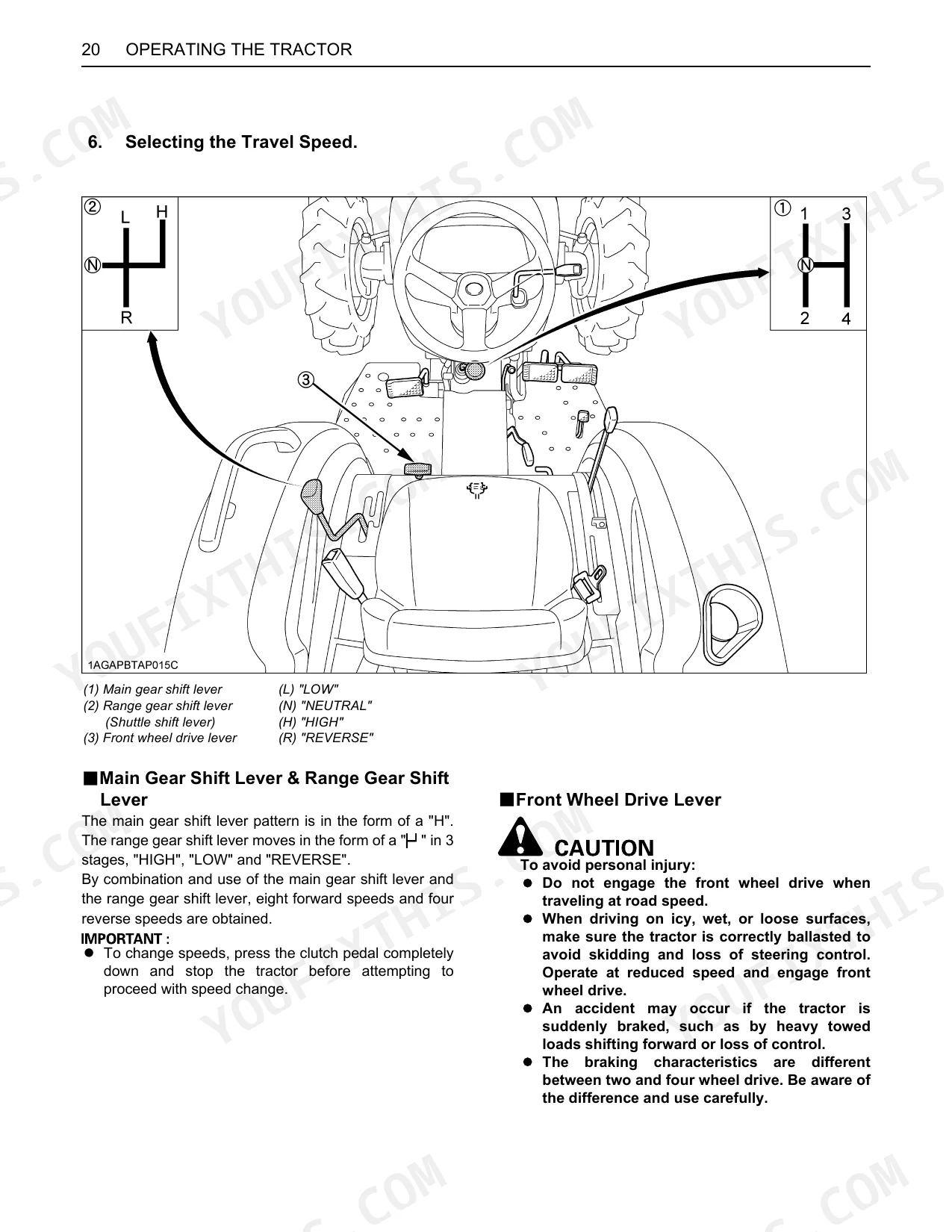
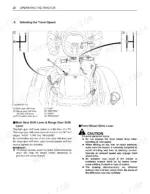
| Operating the Tractor | 30-37 | Operating New Tractor, Adjusting the Operator's Position, Head Light Switch, Turn Signal / Hazard Light Switch, Brake Pedals, Clutch Pedal |
| PTO | 42 | PTO Operation, PTO Gear Shift Lever, Live PTO Operation, PTO Shaft Cover and Shaft Cap |
| Three-Point Hitch & Drawbar | 43-45 | 3-Point Hitch, Selecting the Holes of Lower Links, Selecting the Top Link Mounting Holes, Lifting Rod (Right), Top Link, Adjusting Drawbar Length |
| Hydraulic Unit | 46-48 | 3-Point Hitch Control System, Position Control, Float Control, 3-Point Hitch Lowering Speed, Auxiliary Hydraulics, Hydraulic Block Type Outlet |
| Tires, Wheels and Ballast | 49-51 | Tires, Inflation Pressure, Wheel Adjustment, Front Wheels, Rear Wheels, Ballast, Front Ballast, Rear Ballast |
| Maintenance | 52-55 | Service Intervals, Lubricants, Fuel and Coolant, Engine Oil, Transmission Oil |
| Periodic Service | 56-60 | How to Open the Hood, Daily Check, Every 50 Hours, Every 100 Hours, Every 200 Hours, Every 400 Hours, Every 600 Hours, Every 800 Hours |
| Storage | 61 | Tractor Storage, Removing the Tractor from Storage |
| Troubleshooting | 62 | Engine Troubleshooting, No Fuel Flow, Difficult to Start, Insufficient Engine Power, Engine Stops Suddenly, Exhaust Fumes Colored, Engine Overheats |
| Options | 63 | Engine Block Heater, Front End Weights, Rear Wheel Weights, Sunshade, Front Grill Guard, Work Light |
Quick Reference Specifications
| Specification | Value | Page |
|---|---|---|
| All Models | ||
| Wheel bolt torque (smaller bolts) | 137 N-m (14 kgf-m) | p. 46 |
| Wheel bolt torque (larger bolts) | 215 N-m (22 kgf-m) | p. 46 |
| Fuel tank capacity | 38.0 L | p. 18 |
| Engine coolant capacity | 6.0 L | p. 18 |
| Transmission case capacity | 27.5 L | p. 18 |
| Front axle case capacity | 4.5 L | p. 18 |
| Max. lift force at lift points | 906 kg | p. 19 |
| Hydraulic system pressure | 15.7 MPa (160 kgf/cm²) | p. 19 |
| L3200 | ||
| Main hydraulic pump capacity | 24.7 L/min | p. 19 |
| Engine crankcase capacity (with filter) | 5.7 L | p. 18 |
| L3800 | ||
| Main hydraulic pump capacity | 23.9 L/min | p. 19 |
| Engine crankcase capacity (with filter) | 7.1 L | p. 18 |
Kubota L3200, L3800 Common Problems This Manual Covers
L3200 cranks slowly or not at all when you turn the key, sometimes intermittently p. 62
Start at the battery condition indicator on page 49, then clean the electrical grounds and confirm the safety interlock switches sit fully engaged. Page 63 covers fan belt deflection; adjust it to 7 to 9 mm so the alternator charges properly.
Manual Section: TroubleshootingThree-point hitch lifts heavy implements in jerks or fits p. 43
Check the implement weight limits on page 20 first, and keep the load under the 906 kg maximum lift force at the lift points. Then inspect the hydraulic block connections; system pressure should read 15.7 MPa (160 kgf/cm²), the value listed on page 19.
Manual Section: Three-Point Hitch & DrawbarGrinding noise from the gearbox or transmission area during normal forward travel p. 24
Drain the fluid and look through the transmission case for metal shavings. During the daily walk-around, check transmission fluid level on page 42. If it runs low, top the case back up to the 27.5 L capacity given on page 18.
Manual Section: Pre-Operation CheckCoolant temperature gauge indicator enters the red zone while mowing or pulling loads p. 62
Watch the coolant temperature gauge, and let the engine idle before shutdown so it cools evenly. Clear the front radiator screen of packed grass or debris, then check the coolant level and refill to the 6.0 L total capacity detailed on page 18.
Manual Section: TroubleshootingExcessive brake pedal travel or weak braking response when driving on the road p. 30
Inspect the brake linkages for damage, then measure pedal free travel and adjust the linkage to 15 to 20 mm, the figure shown on page 65. Confirm the rear wheel lug nuts hold 215 N-m (22 kgf-m), per page 50.
Manual Section: Operating the TractorFrequently Asked Questions
What are the common Kubota L3200/L3800 starting problems and fixes?
Hard starting or a no-start usually traces to one of four things: no fuel flow, air or water in the fuel system, thicker oil in winter, or a weak battery. Work through the fixes accordingly: inspect the fuel tank and filter, bleed the fuel system (see "Bleeding Fuel System" under "SERVICE AS REQUIRED"), match oil viscosity to the temperature, or charge the battery. In cold weather, an optional engine block heater helps.
Why does my Kubota L3800 have jerky hitch or hydraulic issues?
Noises while the implement lifts, right after you move the hydraulic control lever, mean the hydraulic mechanism is out of adjustment. Left uncorrected, it can damage the unit, so have your KUBOTA Dealer set it right. One more caution: a fast lowering speed on the 3-point hitch risks damage or injury, so adjust it to take two or more seconds.
How will I receive this Kubota L3200, L3800 Operator Manual?
Download the complete 79-page searchable Operator Manual right after checkout. It opens on any device, whether that's a laptop at your desk or a phone out in the field.
Can I print specific sections of this Kubota L3200, L3800 Operator Manual?
Absolutely. No DRM or copy protection. Print the whole manual or just the pages you need. Any home or office printer works.
Document Quality
This PDF is a scanned copy of a physical manual, not a native digital document. An OCR layer has been applied, allowing you to search and copy text throughout the document, and the text is generally clear and readable despite being rasterized. All diagrams and illustrations are raster images that show pixelation when zoomed, but their labels are consistently readable. The pages are clean with no visible stains, marks, or significant skewing, and there are no notable blank or filler pages.


Reviews
There are no reviews yet.