
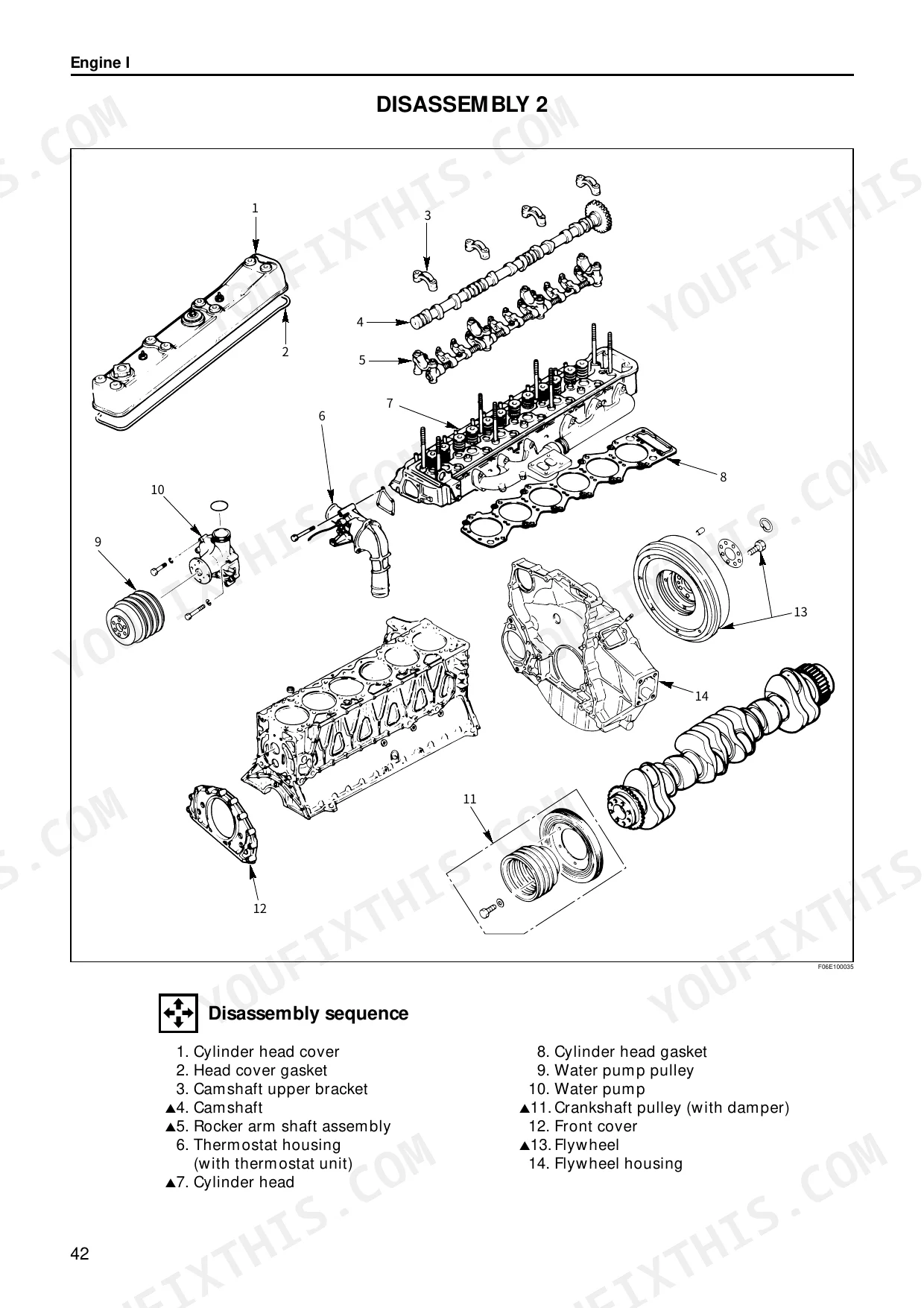
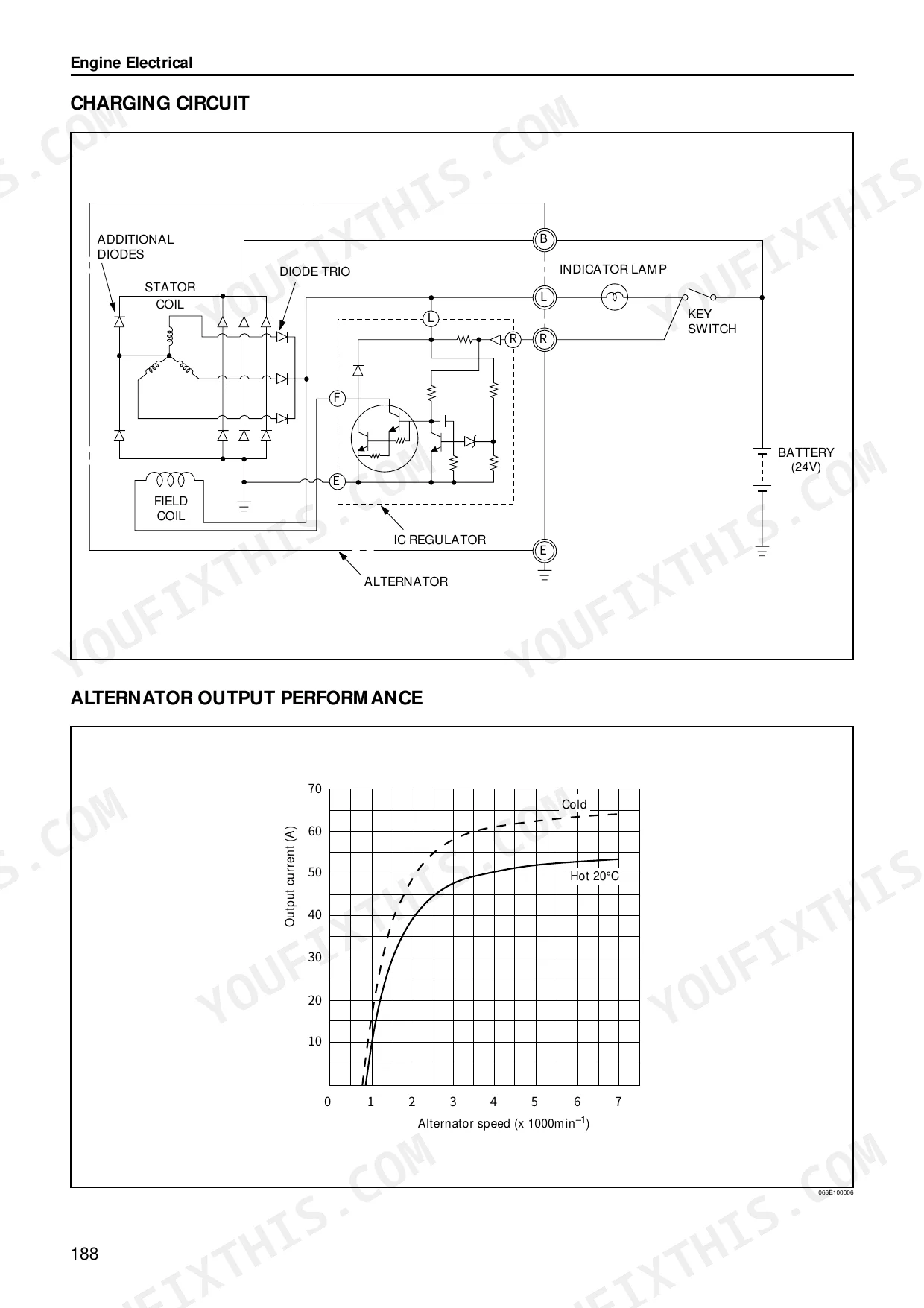
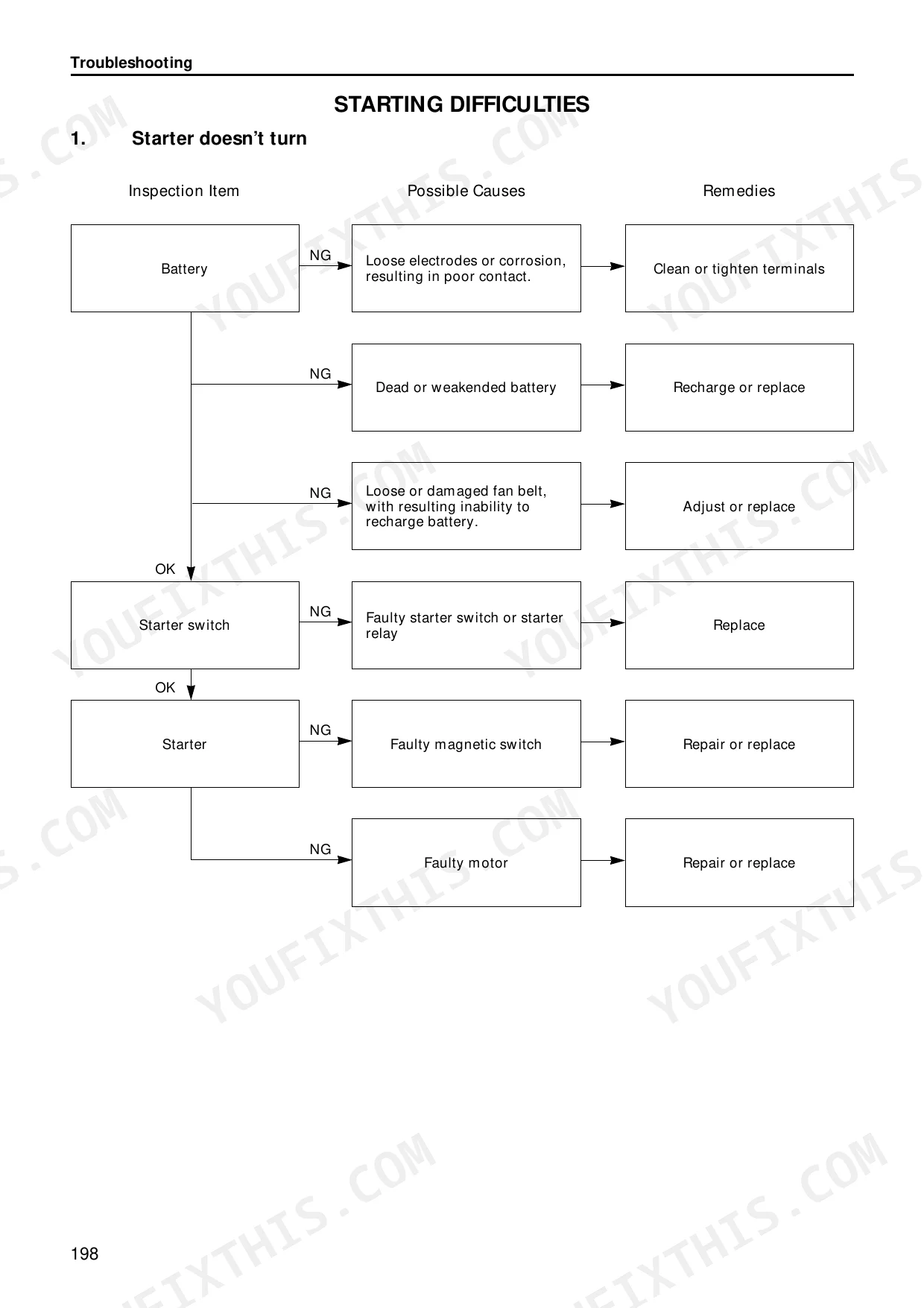
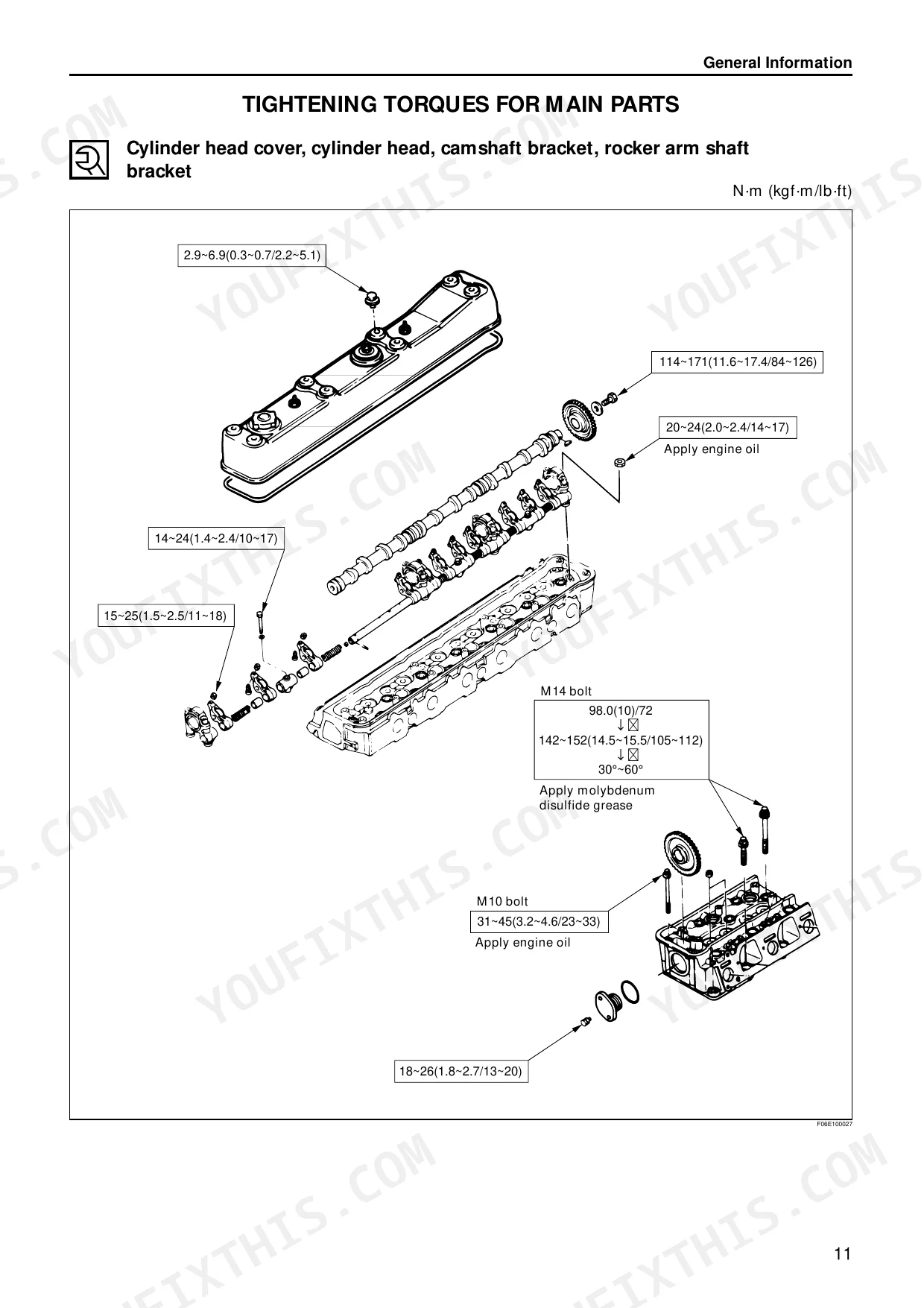
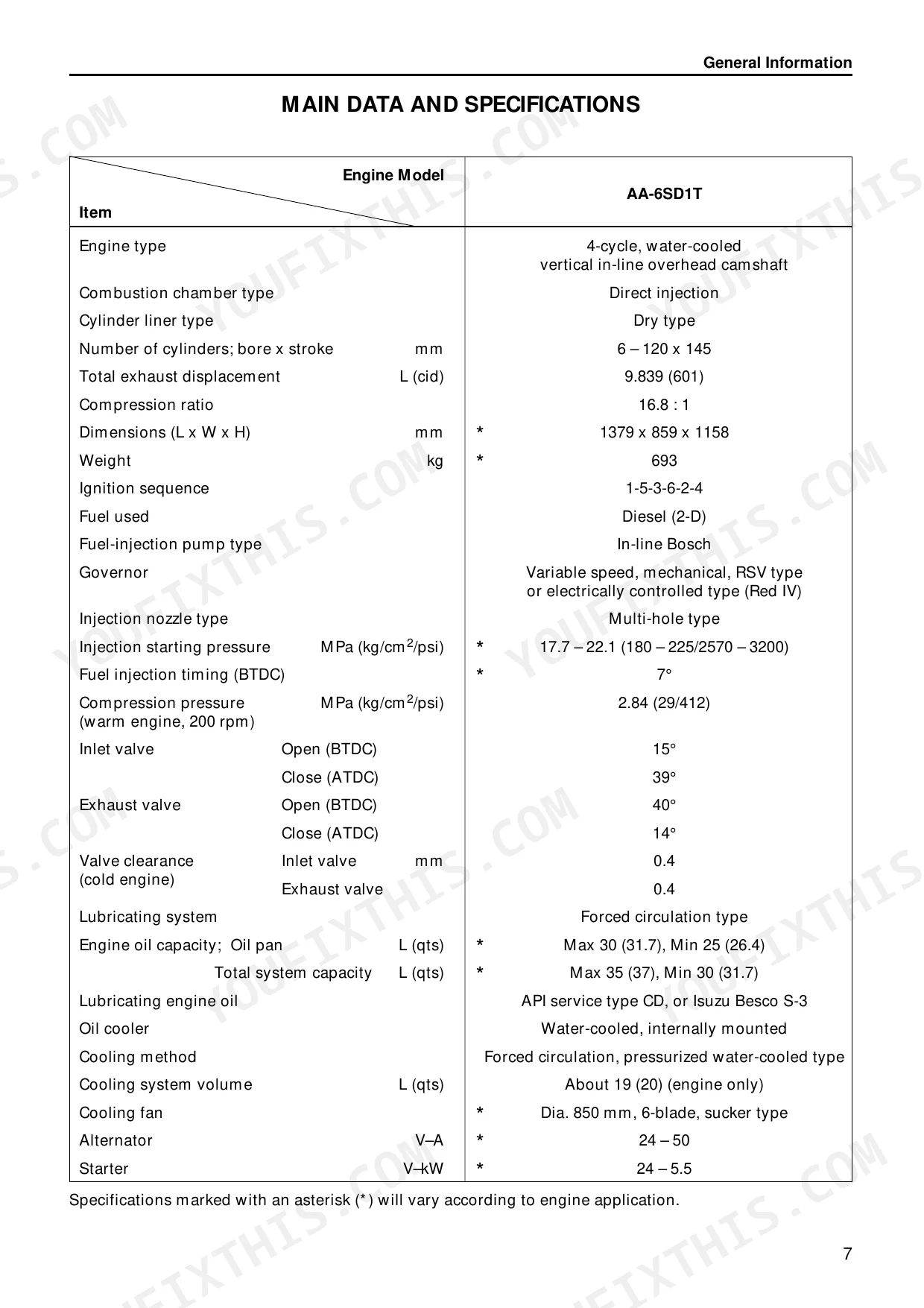
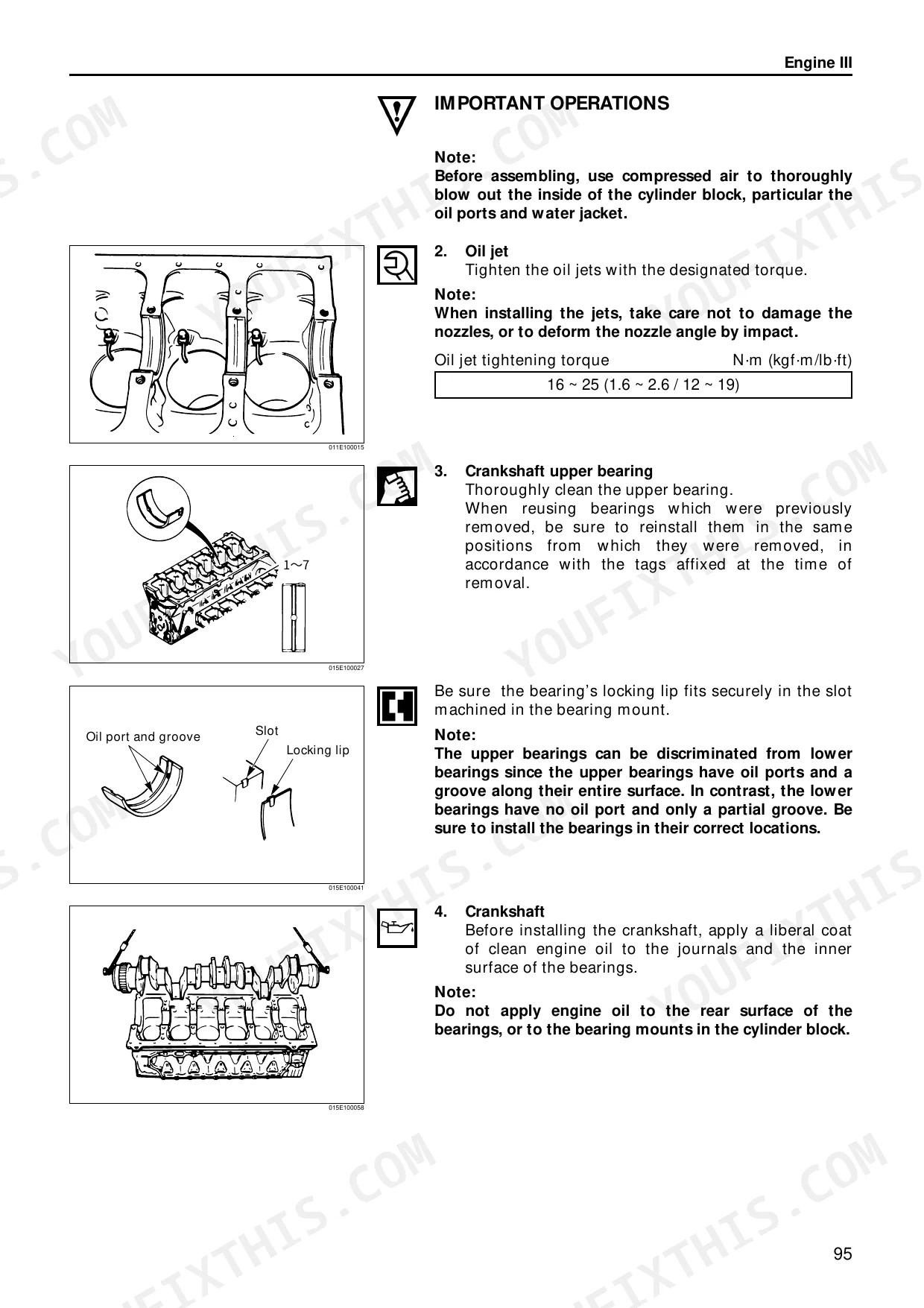
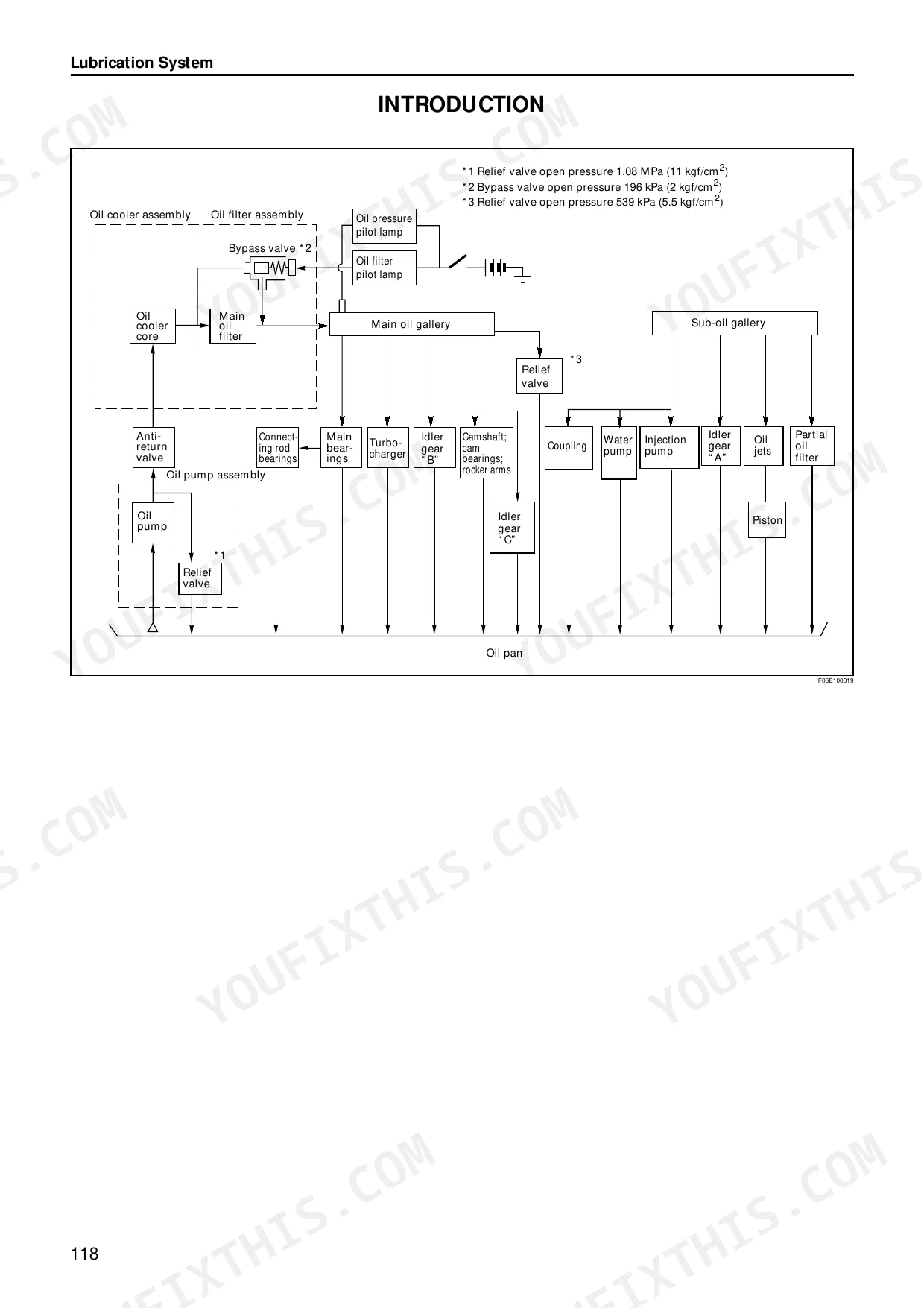
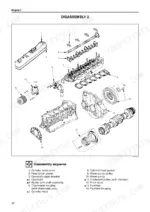
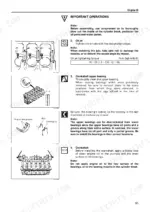
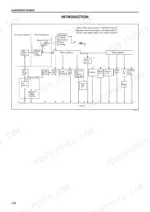
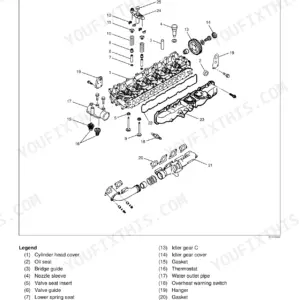
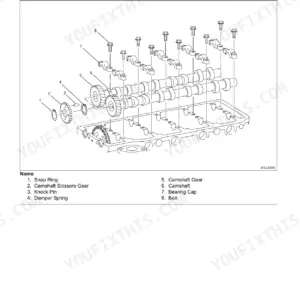
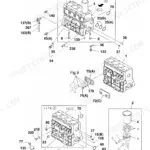
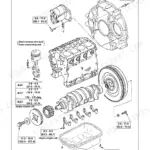
Built around the 9.839 L, 16.8:1 compression AA-6SD1T industrial diesel, this 243-page workshop manual (OEM #IDE-2392) puts factory repair data where you need it. Over 100 pages detail step-by-step disassembly, inspection, and reassembly, backed by 25 exploded-view diagrams showing every component from crankshaft to turbocharger. Torque tables span 15 pages, wear-limit clearances another 15, and starter/alternator wiring diagrams are included. Twenty-four pages of troubleshooting cover starting problems, power loss, overheating, and abnormal engine sounds. Valve clearance is 0.4 mm cold (intake and exhaust); first-stage injector opening pressure is 17.7 MPa. Your machine is down. Get the factory answer on the first try. Bookmarked and searchable, so pull it up on your phone and start wrenching.
What's Inside This Isuzu AA-6SD1T Manual
| System | Pages | Key Topics |
|---|---|---|
| General Information | 4-23 | Servicing precautions, Main data and specifications, Tightening torque specifications |
| Maintenance | 24-39 | Lubricating system, Fuel system, Valve clearance adjustment, Cylinder compression pressure |
| Engine I (Disassembly) | 40-57 | External components, Cylinder head, Piston and connecting rod |
| Engine II (Inspection and Repair) | 58-87 | Cylinder head, Cylinder block, Crankshaft, Pistons |
| Engine III (Assembly) | 88-119 | Piston and connecting rod assembly, Cylinder head assembly, Timing gear train |
| Lubrication System | 120-131 | Oil pump, Oil filter, Oil cooler |
| Cooling System | 132-141 | Water pump, Thermostat |
| Fuel System | 142-155 | Injection nozzle disassembly, Reassembly, Opening pressure adjustment |
| Turbocharger | 156-175 | Troubleshooting, Disassembly, Inspection, Reassembly |
| Engine Electrical | 176-199 | Starter, Alternator |
| Troubleshooting | 200-221 | Starting difficulties, Lack of power, Overheating, Engine sounds |
| Repair Standards | 226-241 | Wear limits, Assembly standards, Clearances |
Quick Reference Specifications
| Specification | Value | Page |
|---|---|---|
| Valve clearance (intake and exhaust) (cold engine) | 0.4 (0.016) mm (in) | p. 31 |
| Flywheel tightening torque | 74 ~ 83 (7.5 ~ 8.5 / 54 ~ 61) → 60° → 30° ~ 60° N·m (kgf·m/lb·ft) | p. 105 |
| Valve lift when fully open | 10 (0.39) mm (in) | p. 141 |
| Glow plug tightening torque | 22 ~ 27 (2.25 ~ 2.75 / 16.3 ~ 19.9) N·m (kgf·m/lb·ft) | p. 114 |
| injection nozzle opening pressure (1st stage) | 17.7 (180/2570) MPa (kg/cm2/psi) | p. 28 |
| Axial play of shaft & turbine wheel (Standard Clearance) | 0.075 – 0.155 (0.00295 – 0.00610) mm (in.) | p. 174 |
| Injection pump bolts tightening torque | 31 ~ 45 (3.2 ~ 4.6 / 23 ~ 33) N·m (kgf·m/lb·ft) | p. 114 |
| Cylinder head bolt tightening torque (M14 bolts) | 98 (10/72) → 142 ~ 152 (14.5 ~ 15.5 / 105 ~ 112) → 30° ~ 60° N·m (kgf·m/lb·ft) | p. 107 |
| Overflow valve opening pressure | 245 (2.5 / 36) kPa (kgf/cm2/psi) | p. 27 |
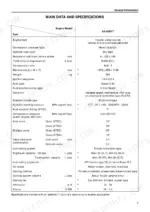
| Compression Ratio | 16.8 : 1 | p. 10 |
| Engine Weight | 693 kg | p. 10 |
| Total Exhaust Displacement | 9.839 L (601 cid) | p. 10 |
Isuzu AA-6SD1T Common Problems This Manual Covers
Engine overheating under heavy load, coolant temperature climbing past safe range p. 213
Start with coolant level and a visual leak check around hoses and the water pump. Confirm fan belt deflection falls within 8.5 to 10.5 mm per the spec on page 30; a slack belt starves the water pump. Pull the thermostat housing and test operation (valve lift should reach 10 mm when fully open, per page 141). Replace the radiator cap if it won't hold pressure. Page 213 has a flowchart that walks each cause in order.
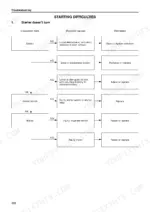
Manual Section: TroubleshootingEngine won't start or cranks slowly, especially in cold weather conditions p. 201
Clean battery terminals of corrosion and load-test the battery. Test each glow plug for continuity; torque replacements to 22 to 27 N·m per page 114. Confirm fuel reaches the injection pump using the procedures starting on page 201. If the starter spins but won't engage, pull the starter motor (rated output 5.5 kW, page 177) and look for worn pinion gear or solenoid faults.
Manual Section: TroubleshootingTurbocharger whine or boost loss, black smoke visible at higher RPM p. 156
Pull the intake ducting and look for blade contact marks or oil residue on the compressor wheel. Measure turbo shaft axial play; the standard range is 0.075 to 0.155 mm per page 174. Exceeding that limit means a cartridge rebuild or replacement. Swap the air cleaner element if it's clogged. The turbocharger troubleshooting section starting on page 156 covers oil supply and drain line inspection.
Manual Section: TurbochargerRough idle, engine misfires or hunts between RPM at low speed p. 205
Trace the fuel system from tank to injection pump, checking every fitting for air leaks. Set valve clearance to 0.4 mm on a cold engine per the procedure on page 31. Pull each injection nozzle and test opening pressure; first-stage should read 17.7 MPa (2570 psi) per page 28. Overhaul or replace any nozzle that dribbles or opens below spec. Page 205 covers governor and idle adjustment checks.
Manual Section: TroubleshootingSignificant power loss under load, engine bogs down and won't pull p. 207
Swap the fuel filter and drain water from the sedimenter first. Confirm injection timing sits at 7° BTDC per the specifications on page 10. Run a compression test across all six cylinders; standard pressure is 2.84 MPa (410 psi) per page 37. Low readings on one or more cylinders point to worn rings or poor valve seating. The power-loss troubleshooting chart on page 207 steps through feed pump and turbocharger checks.
Manual Section: TroubleshootingOil pressure gauge reads low at idle, warning light flickers intermittently p. 216
Confirm you're running the correct viscosity for ambient temperature and that oil is at the full mark; total system capacity is 35 L (37 qts) per page 10. Inspect the oil filter element for blockage. Attach a known-good mechanical gauge to the sending unit port before condemning the pump. Page 216 covers worn pump gears, a sticking relief valve, and bearing clearance checks detailed in the repair standards starting on page 226.
Manual Section: TroubleshootingFrequently Asked Questions
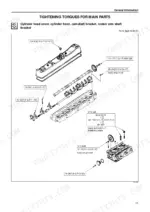
What are the torque specs for cylinder head bolts on Isuzu AA-6SD1T?
Cylinder head bolts use a multi-step angular method. Torque M14 bolts first to 98 N·m, then to 142-152 N·m, and finish with an additional 30° to 60° rotation. M10 bolts get 31-45 N·m. Note: the manual limits bolt reuse to two times.
What are the torque specifications for the connecting rod bearing cap nuts on an AA-6SD1T engine?
Con rod bearing cap nuts follow an angular tightening sequence. Alternate nuts ① and ② to 37-41 N·m, then turn nut ① 60°, nut ② 120°, and nut ① another 60°. Apply molybdenum disulfide grease to threads and seating areas before starting.
How do I check and adjust the valve clearance on an Isuzu 6SD1T engine?
Set clearance on a cold engine. Both intake and exhaust valves take 0.4 mm (0.016 in). Bring cylinder No. 1 to TDC on its compression stroke and adjust the specified valves, then rotate the crankshaft 360° to put cylinder No. 6 at TDC and adjust the rest. Torque the locknut to 15-25 N·m.
What are the torque specifications for the flywheel bolts on an AA-6SD1T engine?
Flywheel bolts use angular tightening in three stages: torque to 74-83 N·m, turn 60°, then turn another 30° to 60°. Follow the sequence shown in the manual. These bolts may only be reused two times.
What do I get after purchasing this Isuzu AA-6SD1T manual?
After checkout you'll download a 243-page searchable PDF. Works on laptops, tablets, and phones, so you can pull it up right at the machine.
Can I print this Isuzu AA-6SD1T manual?
Yes. No DRM or copy protection. Print the whole thing or just the pages you need on any standard printer.
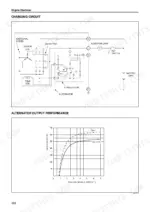
Can I find wiring schematics in this Isuzu AA-6SD1T manual?
Yes. Circuit diagrams for the starter and alternator systems are included.
Document Quality
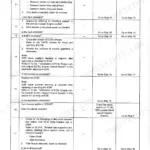
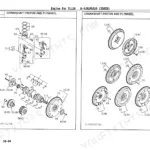
Native digital PDF with vector-based text and illustrations, so everything stays sharp at any zoom level or print size. Exploded assembly diagrams, torque charts, and troubleshooting flowcharts are rendered with fine detail and professional clarity. Procedural illustrations are clean and readable on a shop floor screen. No scan artifacts, compression noise, or watermarks. Prints at full size without losing any technical detail.
Reviews
There are no reviews yet.