
Need the factory reference for your Case IH 495? This 192-page operator manual (OEM #9-19740) walks through every control, daily procedure, and service interval for both the 395 and 495 Tractor. Inside: a full controls section mapping the instrument cluster, indicator lamps, RH and LH console, and foot pedals, so you know what every warning light means before it costs you a field day. You also get step-by-step operating and field procedures covering PTO engagement, differential lock, three-point hitch setup, and remote hydraulic control, plus a lubrication chapter with the intervals that matter. Change the engine oil filter every 200 hours; fuel filters at 800; transmission and hydraulic filter at 20-hour break-in, then every 200 after that. Your machine is down. Get the factory answer, not a forum guess. Bookmarked and keyword-searchable; pull it up on your tablet and get back to work.
What's Inside This Case IH 395, 495, 395 Tractor, 495 Tractor Operator Manual
| System | Pages | Key Topics |
|---|---|---|
| Safety/ Decals | 8-16 | Decals, Safety, Roll Over Protection Structure (ROPS), ROPS Label, Safety Rules, Tractor Roll Over |
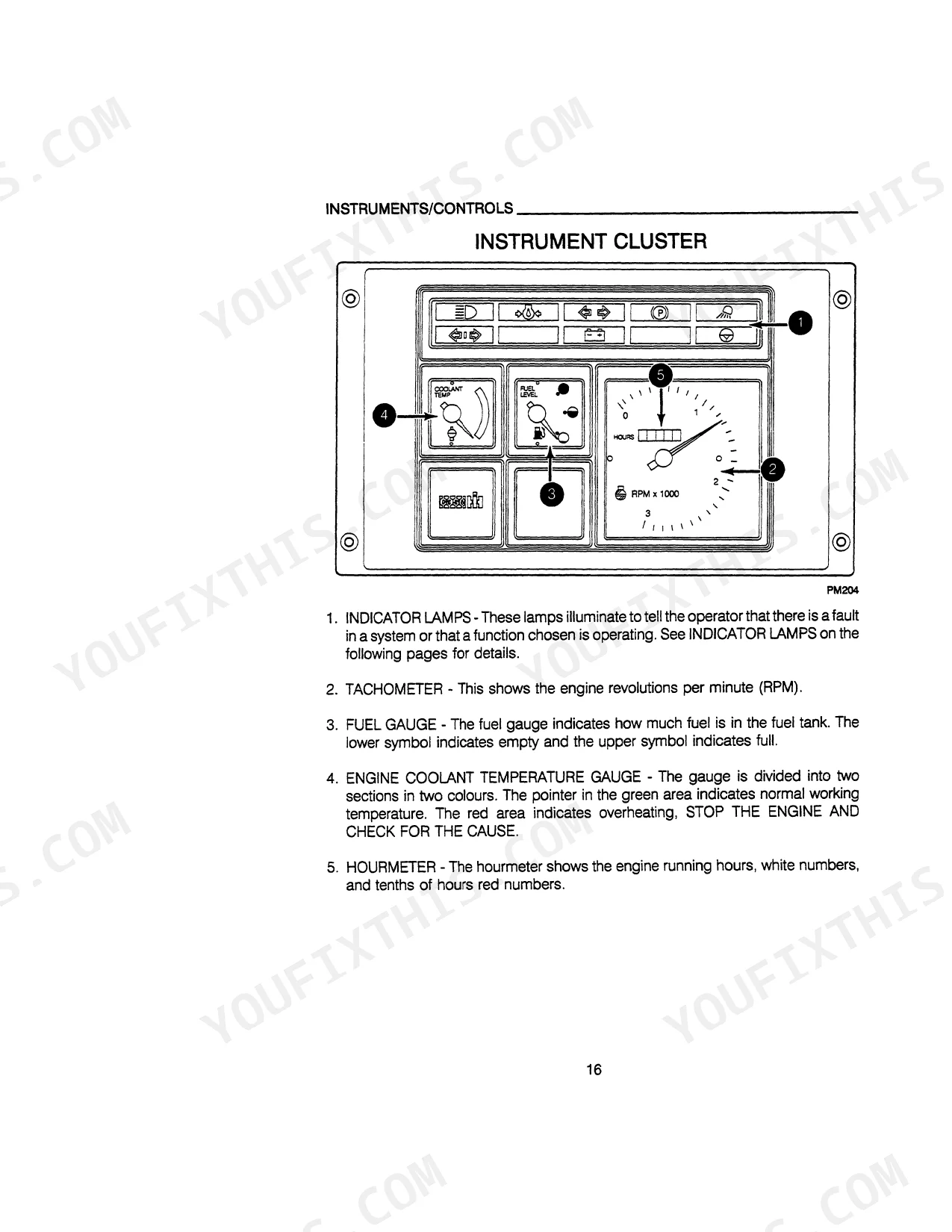
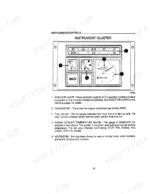
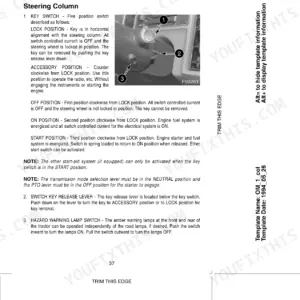
| Instruments/ Controls | 17-29 | Instrument Cluster, Indicator Lamps, Instrument Panel Controls, Foot Pedals, RH Side Console, LH Side Controls |
| Operating Instructions | 30-63 | Before Starting Engine, Normal Starting Procedure, Cold Temperature Operation, Transmission Speeds, Power Takeoff, Differential Lock |
| Field Operation | 64-82 | Drawbar Preparation, Connecting Implement to Drawbar, Three Point Hitch System Preparation, Check Chains, Rear Hitch Operation, Remote Hydraulic Control |
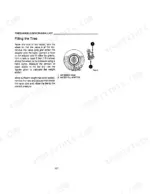
| Tires/ Wheels/ Spacing/ Ballast | 83-109 | Tire Inflation Specifications, Tire Load Capacity, Check Air Pressure, Tire Installation, Front Wheel Tread Positions, Rear Wheel Tread Positions |
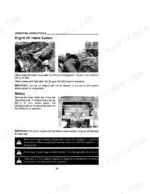
| Lubrication/ Filters/ Fluids | 110-141 | Lubrication/Maintenance Chart, Engine Lubrication, Fuel System, Cooling System, Air Induction System, Transmission Lubrication |
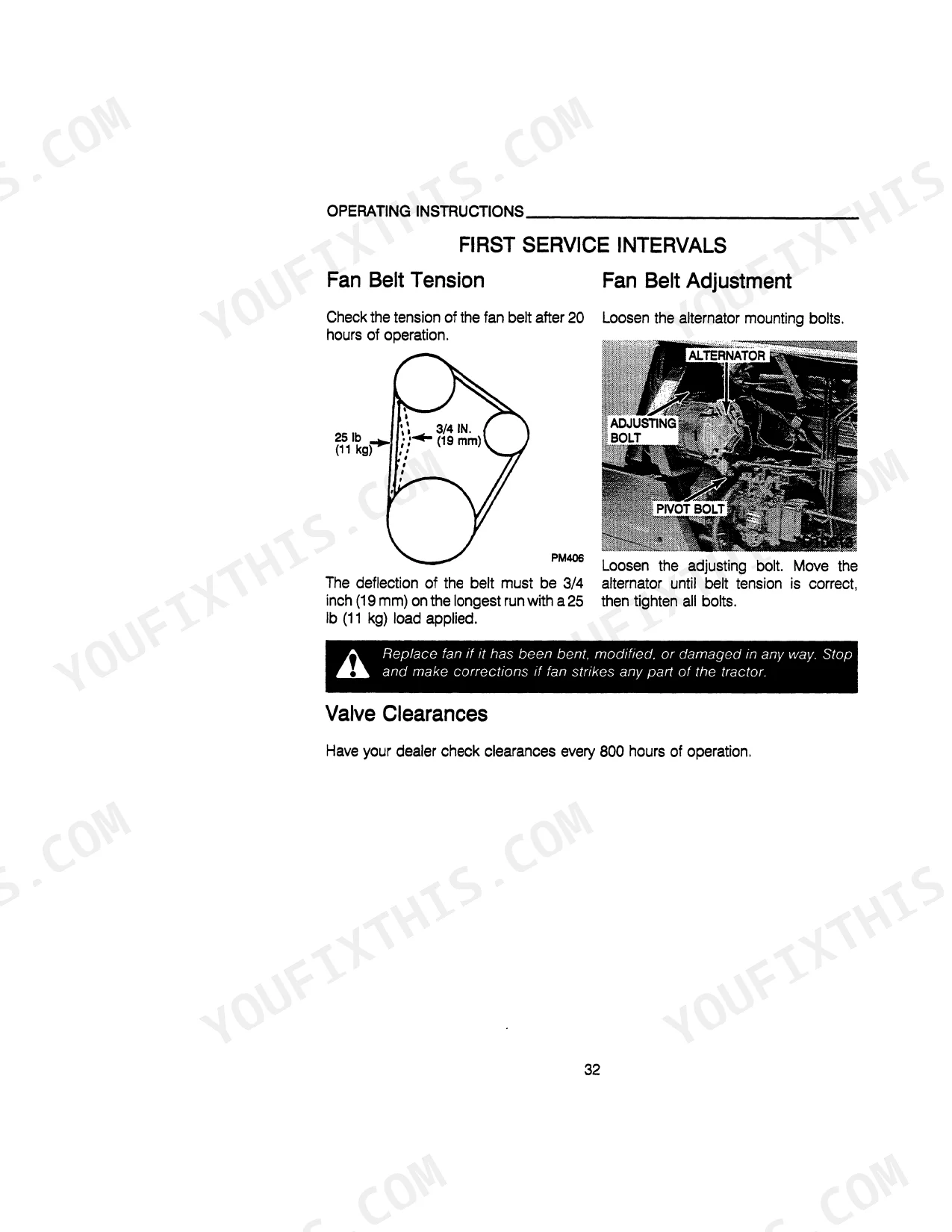
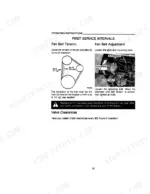
| Maintenance/ Adjustments | 142-152 | Hood and Side Covers, Cooling System, Fan/Alternator Belt Adjustment, Seat Belt Inspection and Maintenance, Removing Air From the Brake System, Parking Brake Adjustment |
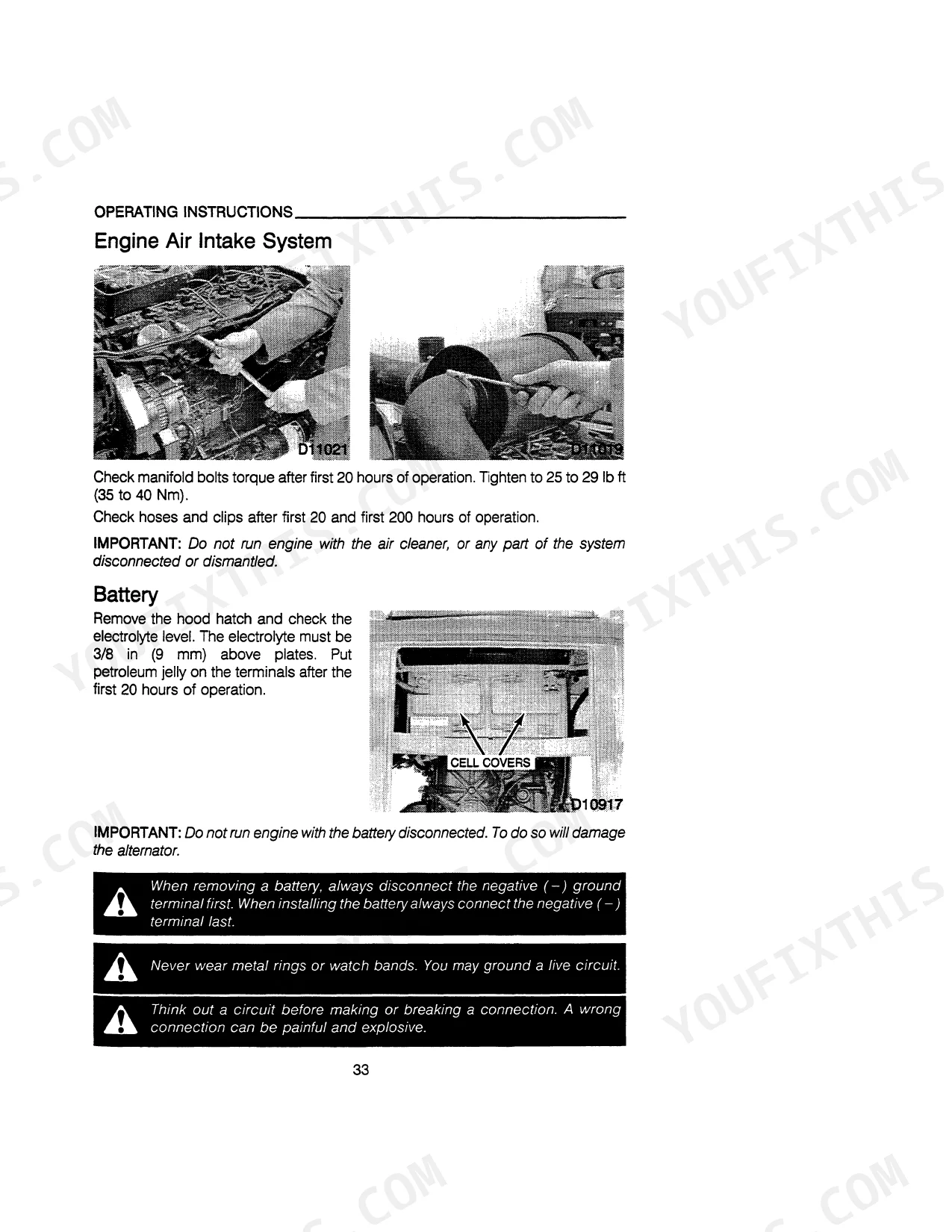
| Electrical System | 153-163 | Alternator Charging System, Fuses and Relays, Batteries, Auxiliary Battery Connections, Bulb and Lamp Replacement, Instrument Cluster Lamps |
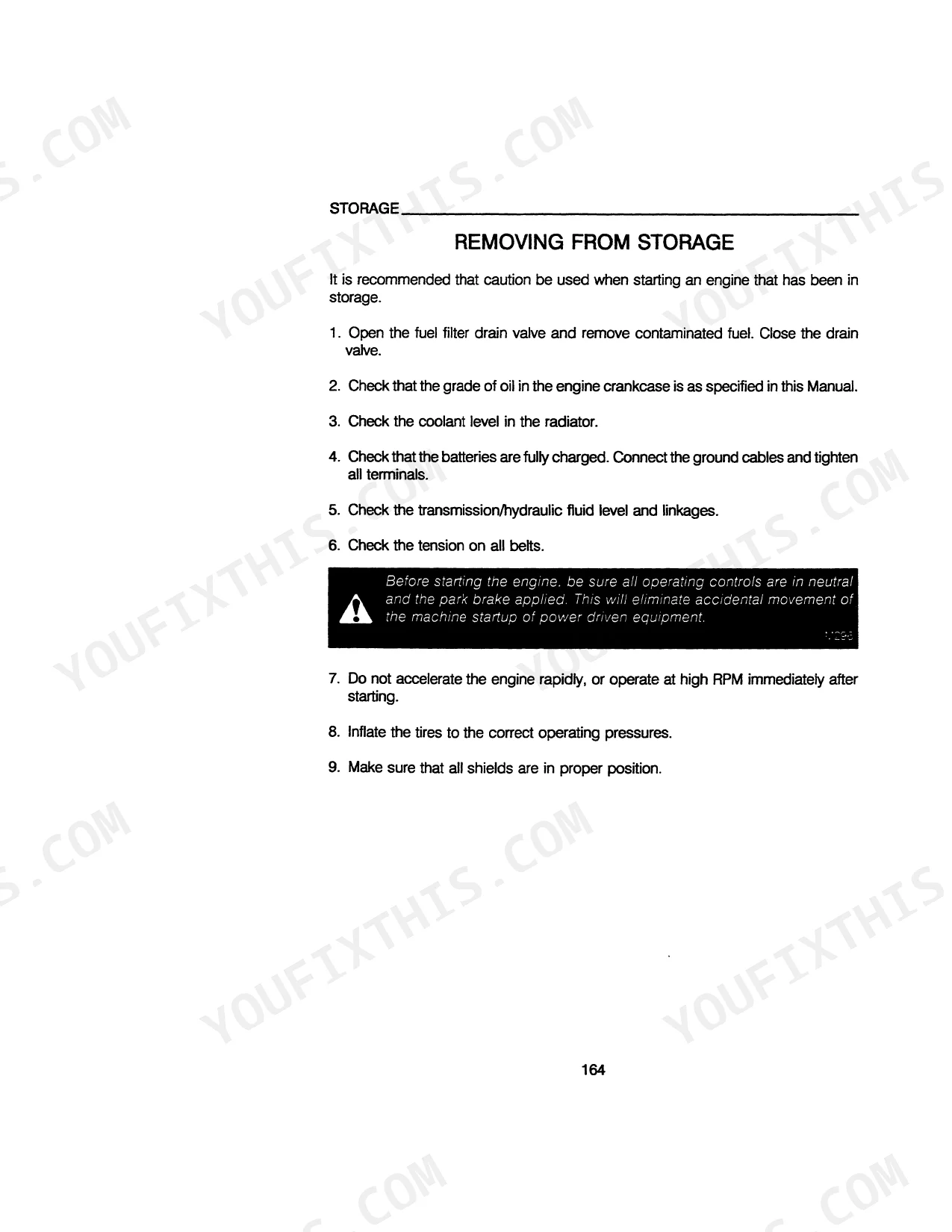
| Storage | 164-166 | Removing From Storage, Storage Preparation |
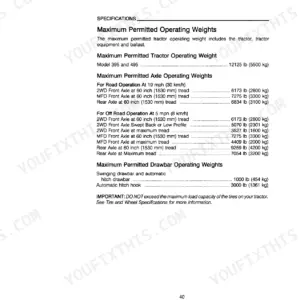
| Specifications | 167-186 | Approximate Overall Measurements and Weights, Maximum Recommended Operating Weights, Engine, General Machine, Transmission, Hitch System, Remote Hydraulic System, Travel Speeds |
Quick Reference Specifications
| Specification | Value | Page |
|---|---|---|
| Model 395 | ||
| Hydraulic pump capacity | 14.3 US GPM (54.1 Litre/min) | p. 169 |
| Model 495 | ||
| Hydraulic pump capacity | 15.6 US GPM (59.1 Litre/min) | p. 169 |
| All Models | ||
| Fuel filter replacement interval | 800 hours of operation | p. 122 |
| Engine oil filter change interval | 200 hours | p. 117 |
| Transmission/Hydraulic oil filter change interval | After first 20 hours of operation then every 200 hours | p. 136 |
| Engine Oil Capacity (with filter) | 1.98 US Gallons (7.5 Litres) | p. 115 |
| Cooling System Capacity | 12 US Quarts (11.4 Litres) | p. 115 |
| Fuel Tank Capacity | 20 US Gallons (76 Litres) | p. 115 |
| Radiator Cap Pressure | 9-12 PSI (0.62-0.82 bar) | p. 126 |
| Rocker Arm to Valve Clearance (Engine Hot) | 0.012 inch (0.305 mm) | p. 166 |
| Engine Oil Pressure | 40-60 PSI (275-414 kPa) | p. 167 |
| PTO Speed | 540 RPM | p. 168 |
Case IH 395, 495, 395 Tractor, 495 Tractor Common Problems This Manual Covers
Case IH 395 or 495 engine cranks but won't fire after fuel filter replacement p. 122
Bleed air from the fuel system after any filter service. Loosen the bleed screw on the secondary fuel filter housing and crank the engine until fuel flows bubble-free. Filters are due every 800 hours per page 122. If the engine still won't fire, drain the primary filter bowl and check for water or sediment contamination.
Manual Section: Lubrication/ Filters/ FluidsThree-point hitch drops freely but implements float on surface without soil penetration p. 64
Verify hydraulic oil level at the transmission sight glass and confirm the rate-of-drop control is set to mid-range per page 64. Adjust the draft control sensitivity lever to a lower number. Maximum system pressure is 2500 PSI (17 237 kPa). If implements still float, check that all remote hydraulic valve handles are fully closed.
Manual Section: Field OperationWarning indicator lamp on instrument cluster stays lit after engine reaches operating temperature p. 17
Identify the lamp using the indicator chart in Instruments/Controls on page 17. Check engine oil level on the dipstick; normal operating pressure runs 40-60 PSI (275-414 kPa) per the specifications on page 167. If the oil level is correct and the light stays on, inspect the sensor connector behind the instrument panel for corrosion or a loose pin.
Manual Section: Instruments/ ControlsEngine temperature climbs into the red during field work, coolant overflow tank empty p. 126
Check coolant level at the radiator fill point and in the overflow tank. System capacity is 12 US Quarts (11.4 Litres). Inspect the radiator pressure cap; it must hold 9-12 PSI (0.62-0.82 bar) per page 126. Clear any crop debris from radiator fins and check fan belt tension at the Maintenance/Adjustments section on page 142.
Manual Section: Lubrication/ Filters/ FluidsHydraulic implements respond slowly and transmission feels sluggish since last scheduled service p. 136
Check the transmission/hydraulic oil level and inspect the filter service history. The filter must be replaced after the first 20 hours, then every 200 hours per page 136. Drain and refill with fresh fluid if it appears dark or milky. After refilling, run the tractor for 10 minutes and recheck the oil level at the sight glass.
Manual Section: Lubrication/ Filters/ FluidsEngine won't crank or cranks too slowly to fire on cold mornings p. 30
Check battery specific gravity with a hydrometer; a fully charged battery reads 1.255-1.265 per page 152. Clean terminal corrosion and tighten both cable clamps. In temperatures below freezing, confirm the starting fluid container is seated correctly per the Cold Temperature Operation procedure starting on page 30.
Manual Section: Operating InstructionsFrequently Asked Questions
What are the service intervals for the Case IH 395 and 495 tractor?
The Case IH 395/495 operator manual specifies: engine oil and filter every 200 hours (page 117); fuel filters every 800 hours (page 122); transmission/hydraulic filter after the first 20 hours, then every 200 hours (page 136). Engine oil capacity with filter is 1.98 US Gallons (7.5 Litres); fuel tank capacity is 20 US Gallons (76 Litres).
How do I bleed air from the fuel system after replacing the fuel filter?
After any fuel filter service, loosen the bleed screw on the secondary fuel filter housing and crank the engine until fuel flows bubble-free (page 122). If the engine still fires, drain the primary filter bowl and check for water or sediment contamination. Fuel filters are due every 800 hours of operation.
Why does my three-point hitch drop freely and implements float without soil penetration?
Check hydraulic oil level at the transmission sight glass and confirm the rate-of-drop control is set to mid-range (page 64). Adjust the draft control sensitivity lever to a lower number. Maximum system pressure is 2500 PSI (17 237 kPa). If implements still float, verify all remote hydraulic valve handles are fully closed.
What hydraulic pump capacity does the Case IH 395 vs 495 have?
Per page 169 specifications: Model 395 standard pump delivers 14.3 US GPM (54.1 Litre/min) at rated engine speed of 2200 RPM. Model 495 standard pump delivers 15.6 US GPM (59.1 Litre/min) at rated engine speed of 2180 RPM. Maximum hydraulic system pressure is 2500 PSI (17 237 kPa).


Reviews
There are no reviews yet.