
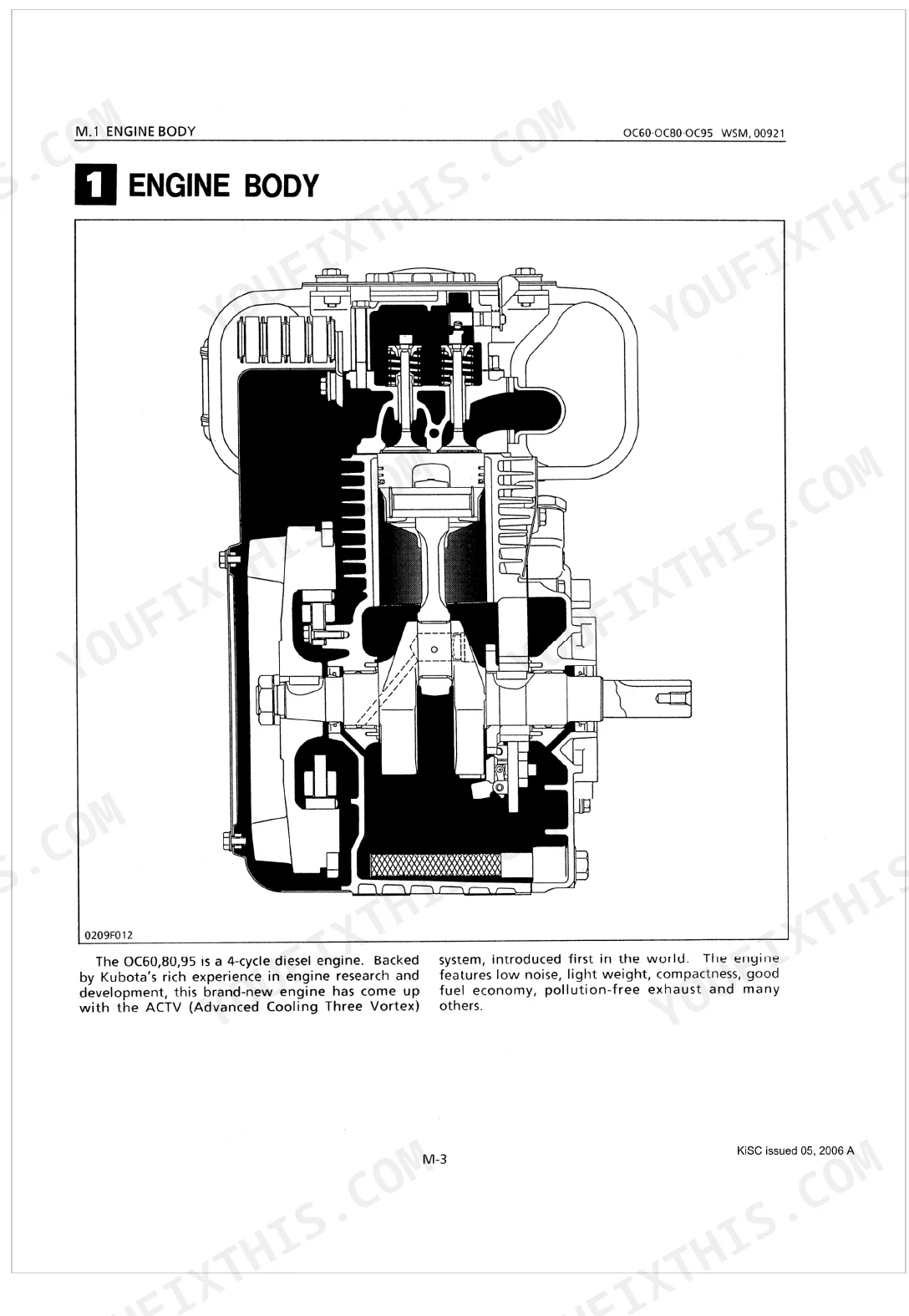
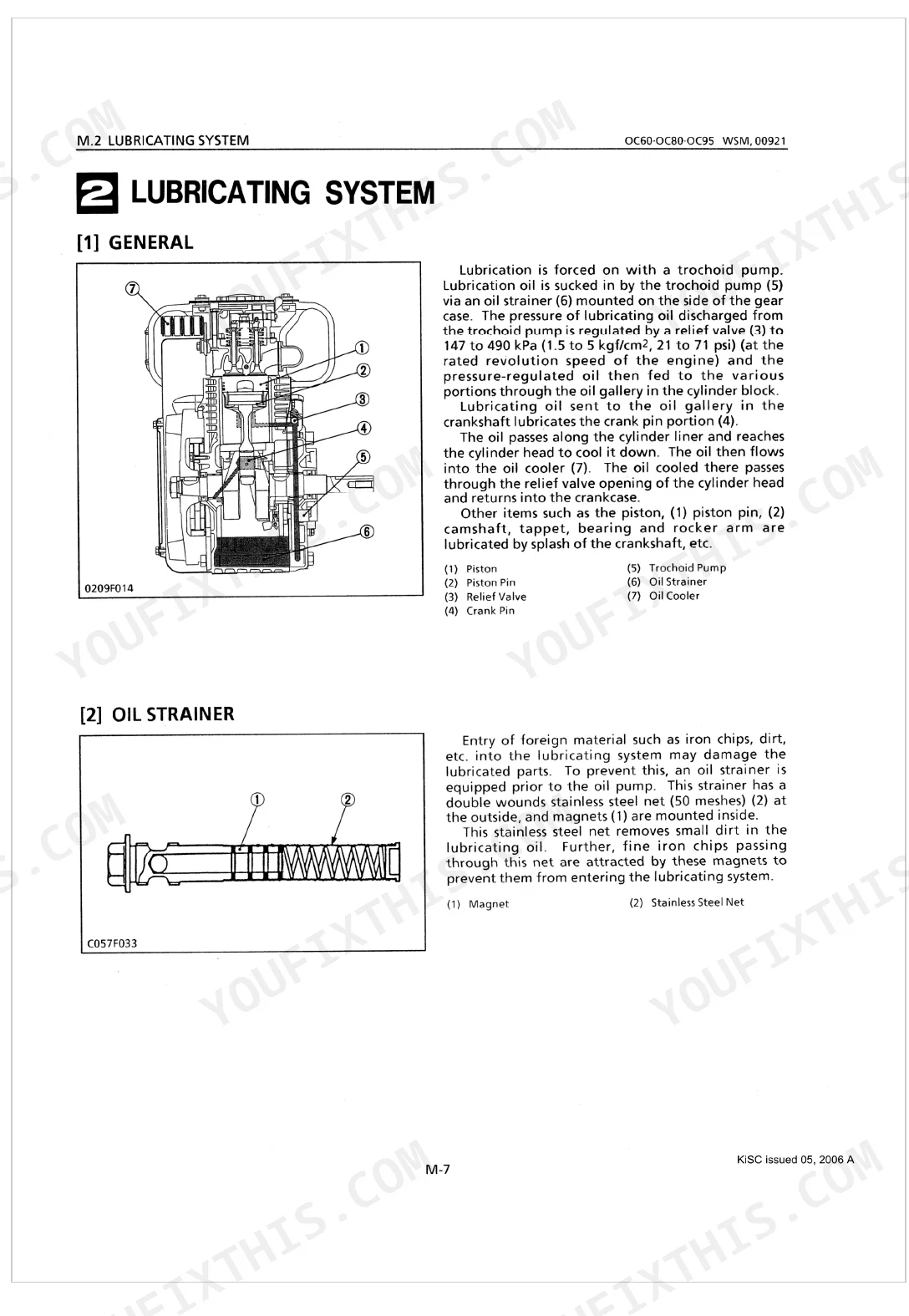
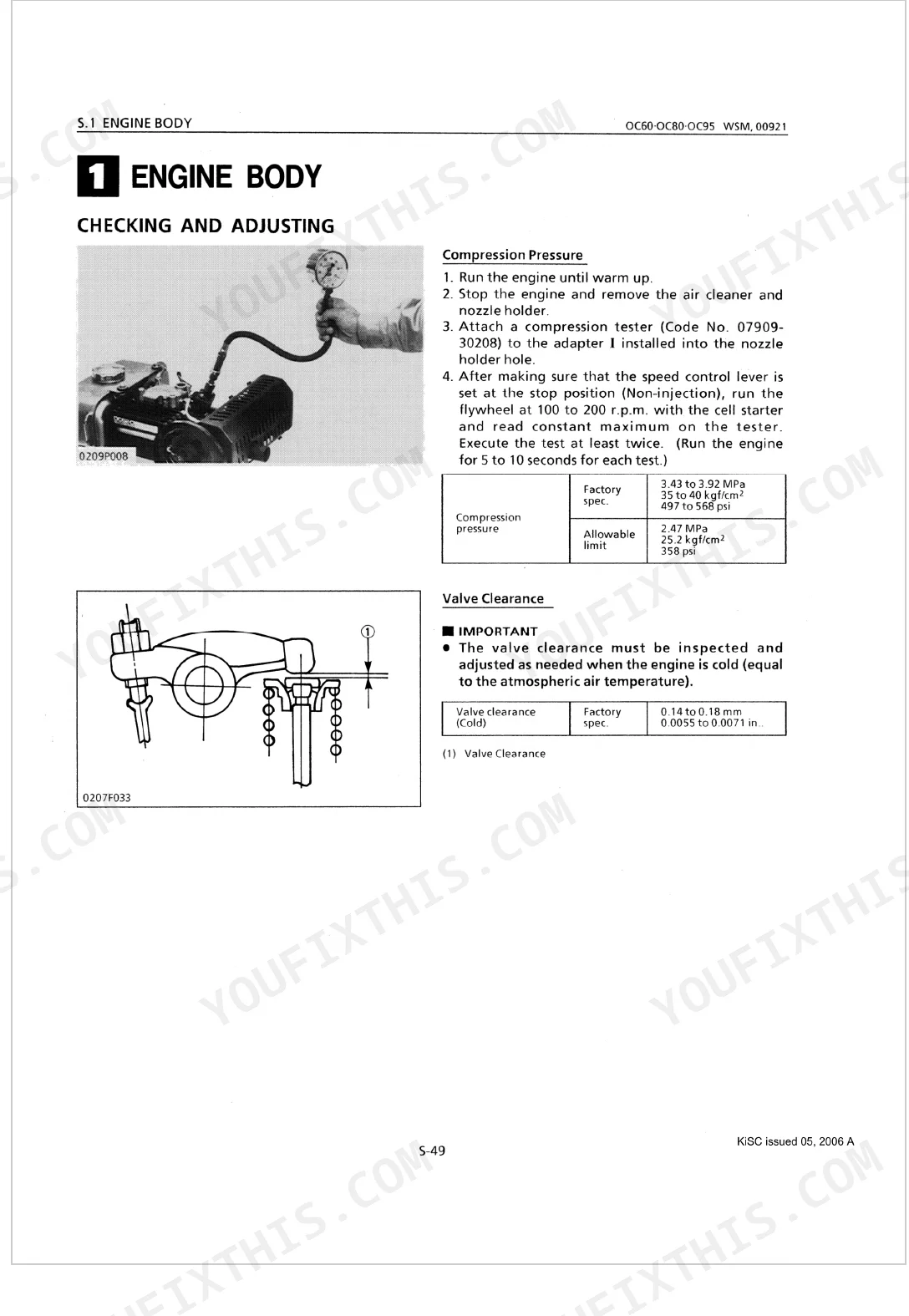
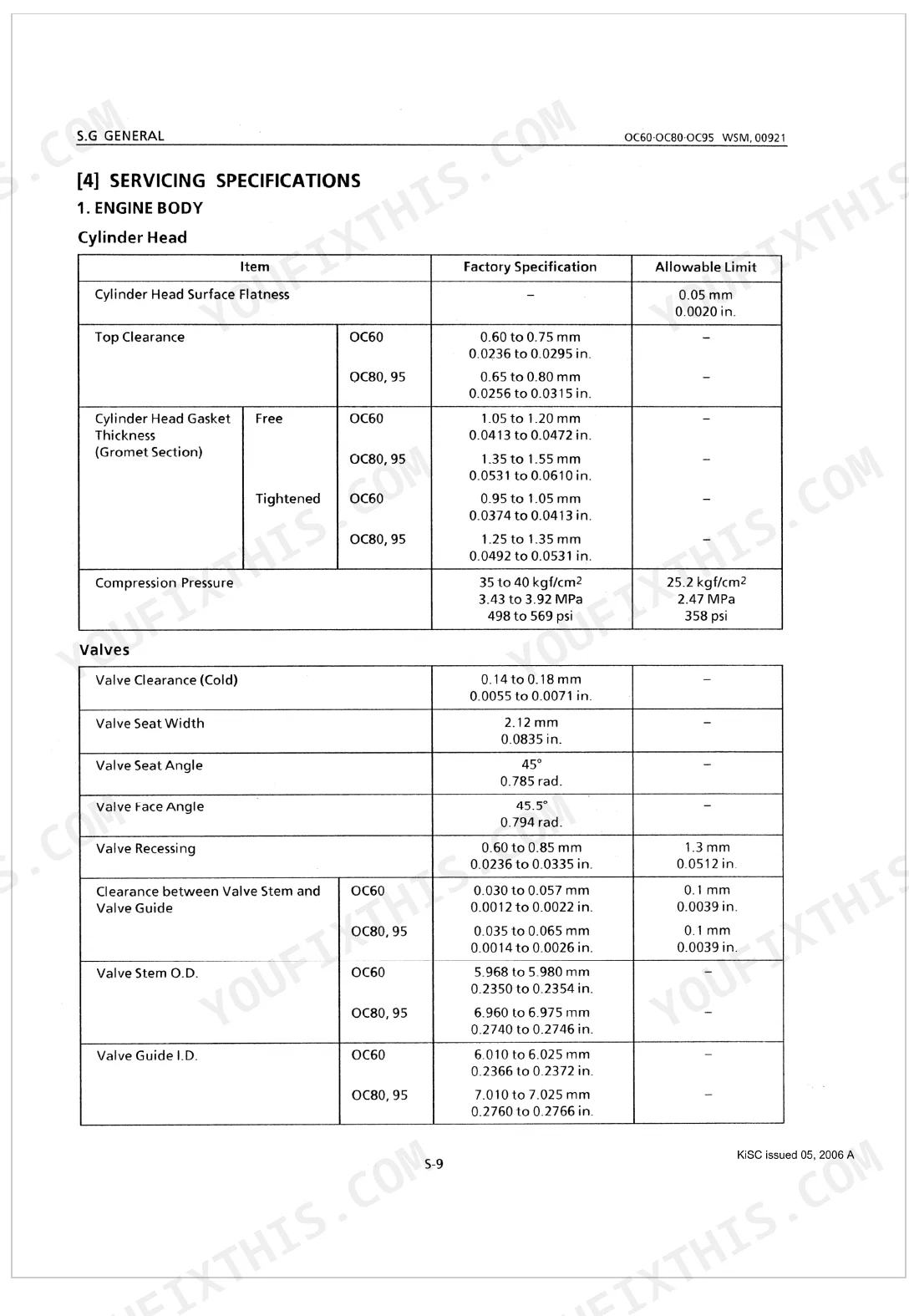
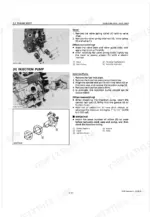
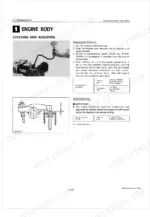
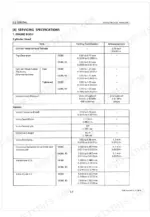
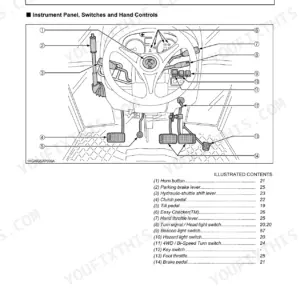
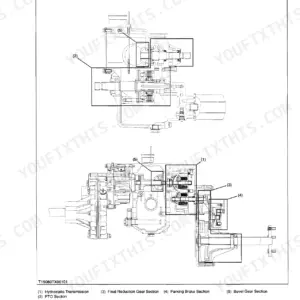
Factory-written for a single job: tearing down and rebuilding the OC60, OC80, and OC95 diesels correctly (OEM #9Y011-00923). The 76 pages carry performance curves for each variant, exploded views of the cylinder head, crankcase, uniaxial balancer, injection pump, and governor mechanism, then 30 pages of step-by-step disassembly and servicing procedures. Clearance tables, a tightening torque section, and troubleshooting charts hand you every number before you pull a bolt: valve clearance runs 0.14 to 0.18 mm cold, and the cylinder head screws (M10 x 1.5) torque to 51.9 to 56.8 N-m. With your engine already apart on the bench, forum threads full of half-right numbers only waste the afternoon and risk the rebuild. Bookmarks keep it quick: type a keyword, land on the procedure, and finish the job.
What's Inside This Kubota OC60, OC80, OC95 Manual
| System | Pages | Key Topics |
|---|---|---|
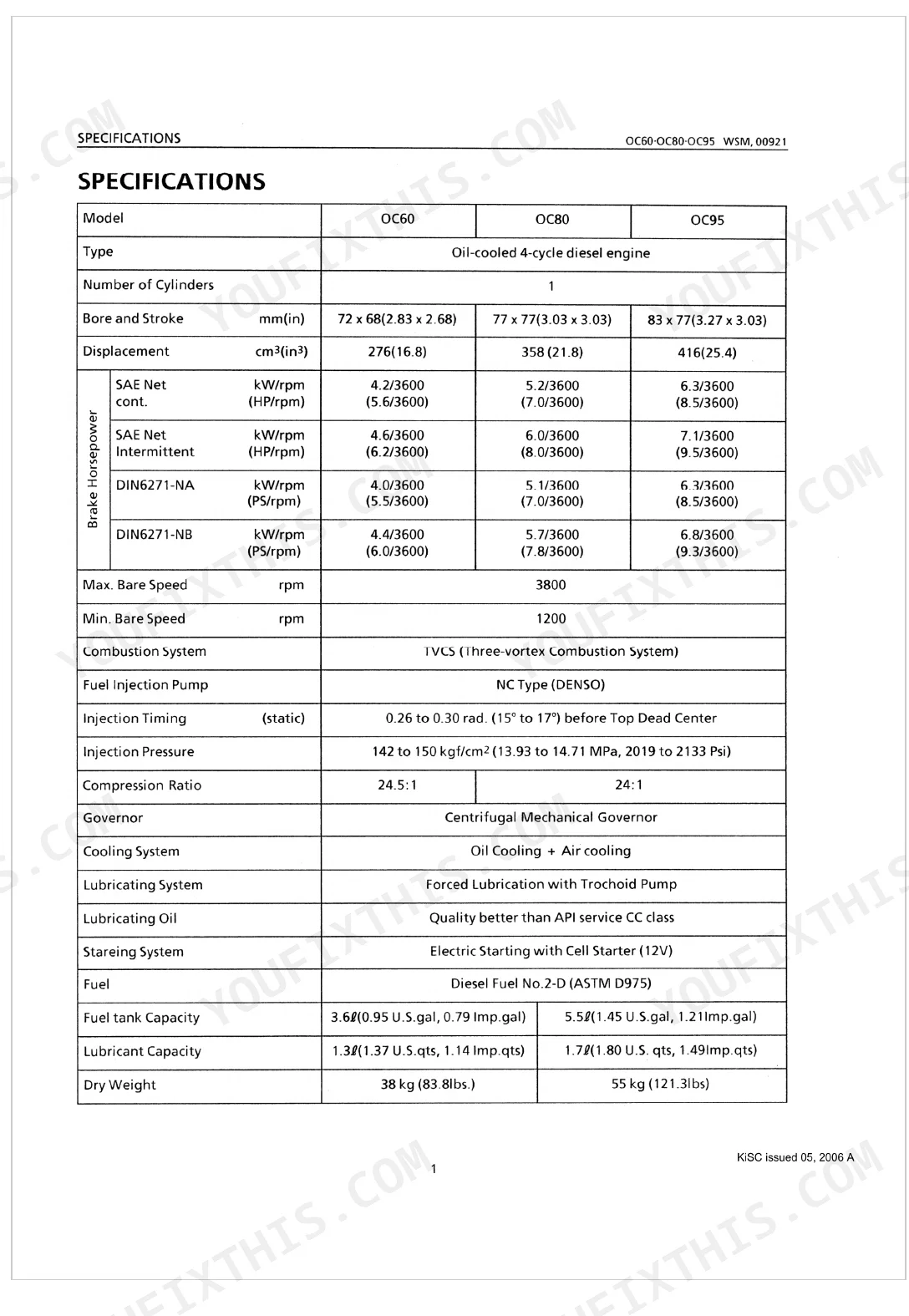
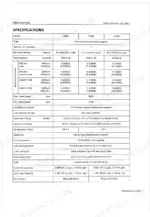
| Specifications | 4 | Engine Specifications, Brake Horsepower Specifications, Fuel System Specifications, Cooling And Lubricating System Specifications, Electrical And General Specifications |
| Performance Curves | 5-6 | OC60 Performance Curves, OC80 Performance Curves, OC95 Performance Curves, Performance Curve Legend |
| Appearance and Dimensions | 7-9 | OC60, OC80, OC95, D type, G type, PTO Shaft Dimensions |
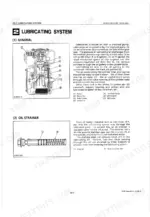
| M. Mechanism | 10-23 | Feature, Engine Body (Cylinder Head, Crank Case And Cylinder Liner, Uniaxial Balancer System), Lubricating System (General, Oil Strainer, Oil Pump, Oil Pressure Switch) |
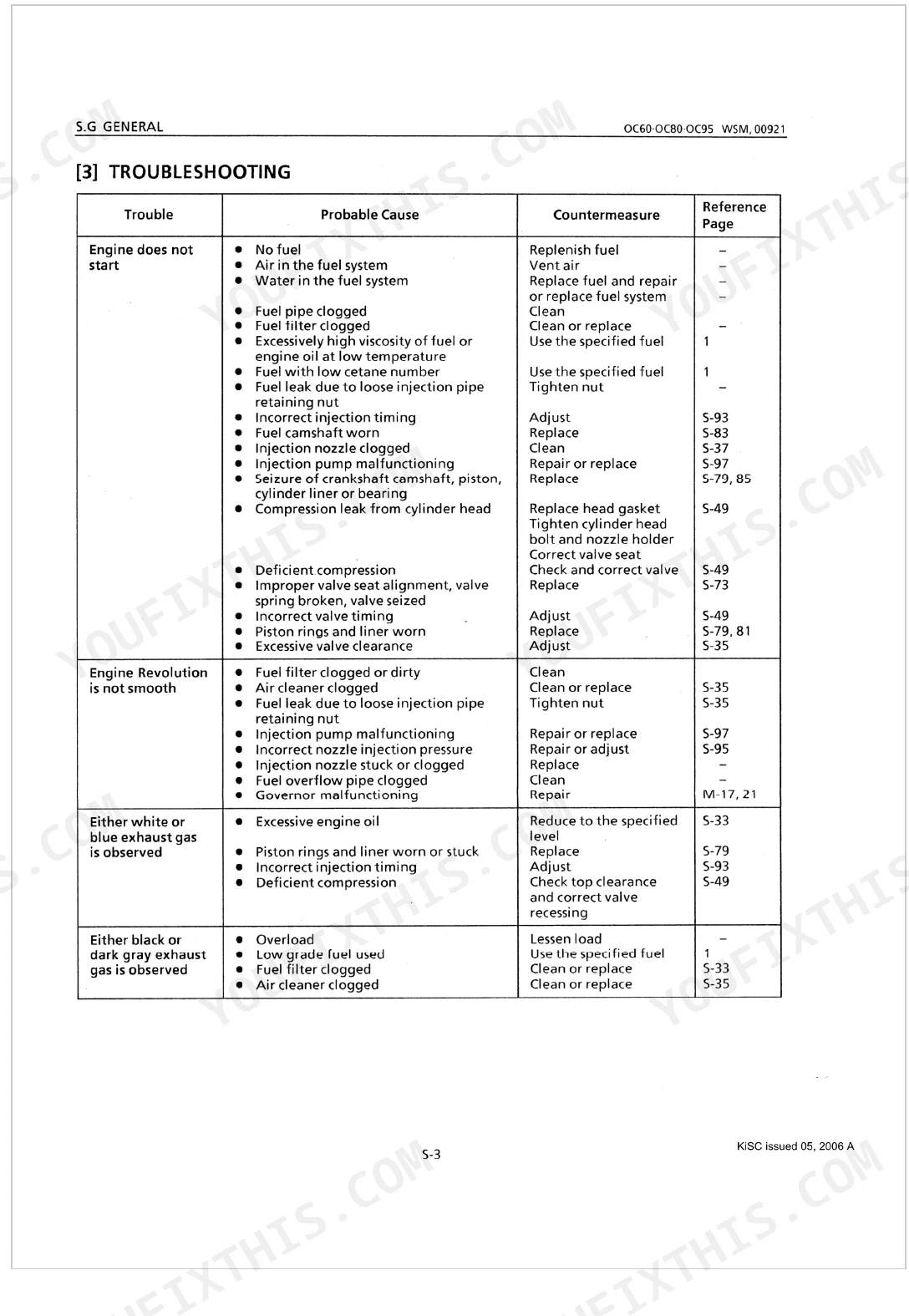
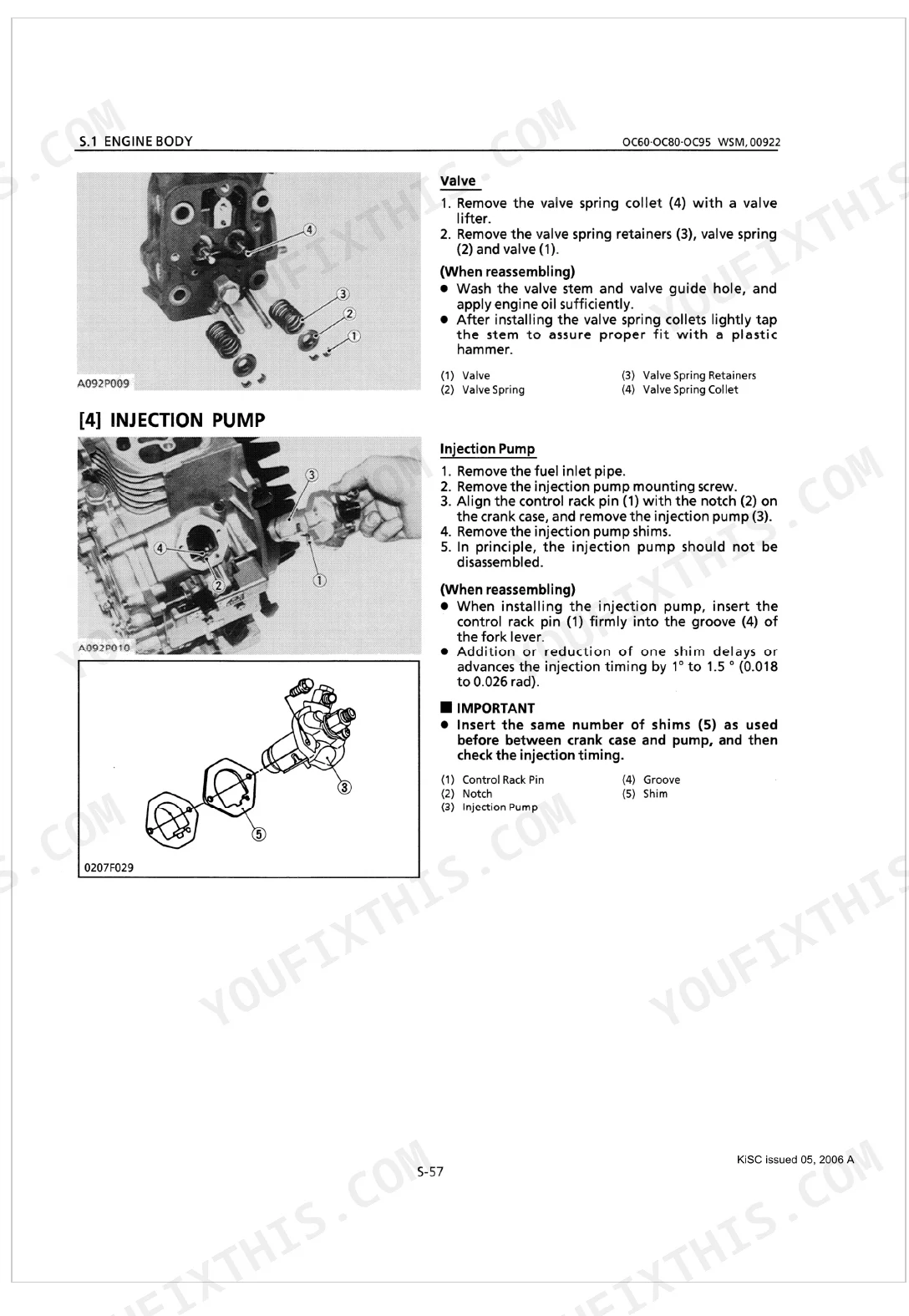
| S. Disassembling and Servicing | 24-76 | General (Engine Identification, Trouble-Shooting, Servicing Specifications, Tightening Torques, Maintenance Check List, Check And Maintenance, Special Tools) |
Quick Reference Specifications
| Specification | Value | Page |
|---|---|---|
| OC60 | ||
| Fuel tank Capacity | 3.6ℓ(0.95 U.S.gal, 0.79 Imp.gal) | p. 4 |
| Valve Spring Free Length (Allowable Limit) | 31.0 mm | p. 29 |
| Engine Oil Capacity | 1.3ℓ | p. 4 |
| OC80,OC95 | ||
| Fuel tank Capacity | 5.5ℓ(1.45 U.S.gal, 1.21lmp.gal) | p. 4 |
| All Models | ||
| Compression Pressure (Allowable Limit) | 25.2 kgf/cm² | p. 28 |
| Valve Clearance (Cold) (Factory Spec) | 0.14 to 0.18 mm | p. 28 |
| Valve Seat Width (Factory Spec) | 2.12 mm | p. 28 |
| Tappet Clearance (Allowable Limit) | 0.1 mm | p. 29 |
| Crankshaft Alignment (Allowable Limit) | 0.08 mm | p. 32 |
| OC80, 95 | ||
| Valve Spring Free Length (Allowable Limit) | 36.0 mm | p. 29 |
| Engine Oil Capacity | 1.7ℓ | p. 4 |
| Fuel Tank Capacity | 5.5ℓ | p. 4 |
Kubota OC60, OC80, OC95 Common Problems This Manual Covers
Kubota OC60, OC80, or OC95 cranks but will not fire in cold weather
Check glow plug resistance with a multimeter; a failed plug shows open circuit rather than near-zero ohms. Test battery voltage under cranking load; it should stay above 9.6V. Work through the no-start diagnostic to rule out fuel delivery and verify the stop solenoid is releasing fully.
Manual Section: Engine TroubleshootingBlack or dark gray exhaust smoke at full throttle, engine lacks rated output
Clean the air cleaner element; it needs service every 100 hours and replacement after 6 cleanings or once a year (page 36). If the filter is clean, check injection pressure against the factory spec of 142 to 150 kgf/cm² (page 33). Off-spec pressure means the nozzle needs cleaning or replacement.
Manual Section: Engine TroubleshootingOil pressure warning lamp illuminates at idle after reaching operating temperature
Verify oil level is at the full mark; refer to page 4 for the correct fill capacity for your engine. Inspect the oil strainer for blockage. Follow the schedule on page 36: first oil change at 25 hours, then every 300 hours. If level is correct and the lamp stays on, check for a worn pump.
Manual Section: Engine TroubleshootingLoud valve train clatter at startup, ticking persists after engine warms up
Adjust valve clearance to the factory spec of 0.14 to 0.18 mm cold, following the procedure. Inspect tappets; replace any showing more than 0.1 mm clearance. Check that valve springs meet the free-length minimum on page 29. Schedule valve clearance service every 300 hours per page 36.
Manual Section: Valve Clearance Check and AdjustmentWhite or blue exhaust on startup, oil consumption abnormally high between scheduled changes
Measure compression pressure; the allowable minimum is 25.2 kgf/cm² (from the clearance specs on page 28). If compression is low, check valve clearance (factory spec: 0.14 to 0.18 mm cold) before assuming ring wear. Persistent blue smoke with acceptable compression points to valve stem seals rather than piston rings.
Manual Section: Engine Compression Pressure CheckFrequently Asked Questions
What are the recommended service intervals?
Check engine oil daily, then change it at the initial 25 hours and every 300 hours after that. Clean the oil strainer on the same schedule: first at 25 hours, then every 300 hours. The air cleaner element gets cleaned every 100 hours, and replaced once a year or after 6 cleanings.
What fluids and capacities does this machine require?
These engines run on Diesel Fuel No.2-D (ASTM D975) and oil rated better than API service CC class. Fuel tank capacity is 3.6ℓ (0.95 U.S.gal, 0.79 Imp.gal) on the OC60 and 5.5ℓ (1.45 U.S.gal, 1.21 Imp.gal) on the OC80 and OC95. Lubricant capacity is 1.3ℓ (1.37 U.S.qts, 1.14 Imp.qts) for the OC60, rising to 1.7ℓ (1.80 U.S. qts, 1.49 Imp.qts) for the OC80 and OC95.
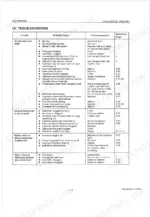
How to troubleshoot engine won't start?
When the engine won't start, the usual suspects are no fuel, air in the fuel system, or a clogged fuel filter; the fixes are to replenish fuel, vent the air, or clean and replace the filter. Less common causes include incorrect injection timing, a worn fuel camshaft, or a failing injection pump, which call for adjustment or repair.
What torque specifications are listed?
Tightening torques are listed for the special-use screws and bolts. Cylinder Head Screws on the OC60 take 51.9 to 56.8 N-m (5.3 to 5.8 kgf-m, 38.3 to 42.0 ft-lbs); on the OC80,95 they take 68.6 to 73.6 N-m (7.0 to 7.5 kgf-m, 50.6 to 54.2 ft-lbs). The OC60 Flywheel Nut calls for 137 to 157 N-m (14 to 16 kgf-m, 101 to 116 ft-lbs).
What are the common electrical problems?
Most electrical faults trace back to the starting and charging systems. The troubleshooting guide lists the Glow Plug and Starter as probable causes when the engine won't start. It also walks through checking the Alternator, Regulator, Glow Plug, and Starter to pin down electrical faults.
Is this Kubota OC60, OC80, OC95 Workshop Manual a digital download?
Yes, it's an immediate download of the full 76-page searchable Workshop Manual. Open it on any device: the laptop at your desk or the phone out in the field.
Are there any print restrictions on this Kubota OC60, OC80, OC95 manual?
None at all. The PDF is DRM-free, so print whatever sections you want to take out to the shop. Standard letter or A4 paper works fine.
Document Quality
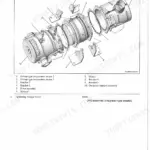
This document is a scanned PDF with an OCR layer, allowing you to search and copy the full text content. The text is crisp and easy to read throughout. Diagrams and illustrations are scanned raster images; while clear and with readable labels at normal viewing, they will show pixelation if zoomed in significantly. The pages are clean, free of scan artifacts, stains, or skewed content. There are no notable blank or filler pages within this sample.

Reviews
There are no reviews yet.