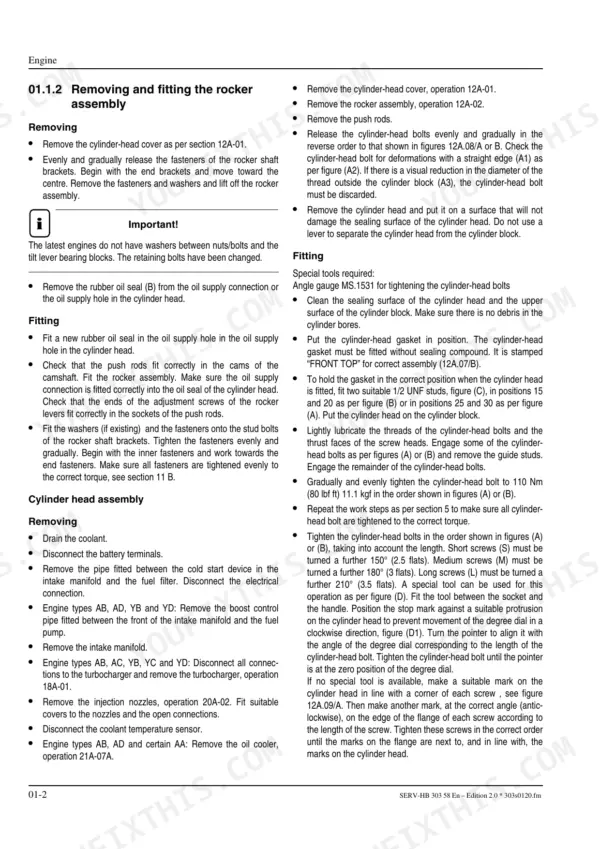
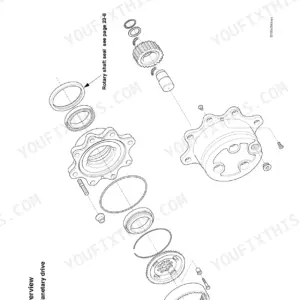
This factory service manual covers the Gehl 520, 521, and 620 wheel loaders, built on models 303 58 and 304 59 and powered by the Perkins 1004-4 diesel engine. The 520 is rated at 53 kW (72 HP) and the 620 at 58.5 kW (79.5 HP), both at 2,200 rpm. Publication 50940187, it runs 196 pages.
Coverage is organized by system: specifications and controls, servicing materials, engine, fuel lines, cooling, frame, the hydrostatic drive, front and rear axles, brakes, steering, the electrical system, cab, and the hydraulic system.
With this manual an owner or mechanic can follow the lubrication plan, rebuild the engine to factory torque values, service the hydrostatic drive and axles, bleed and adjust the brakes, and trace the wiring. It is a searchable PDF you download once and can print for shop use.
What's Inside This Gehl 520, 521, 620 Manual
| System | Pages | Key Topics |
|---|---|---|
| Contents & Overview | 3 | Engine, Fuel Lines, Cooling, Frame, Hydrostatic Drive, Front Axle |
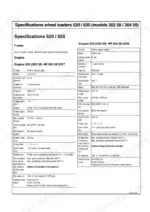
| Technical Specifications | 4-16 | Engine, Hydrostatic Drive, Front Axle, Brakes, Steering, Loader Unit |
| Operator Station & Controls | 17-19 | Front Instrument Panel, Front Controls, Operator's Seat, Side and Rear Controls |
| Implement & Bucket Controls | 20-21 | Implement, Sensor Operating Point, Automatic Bucket Repositioning Mode |
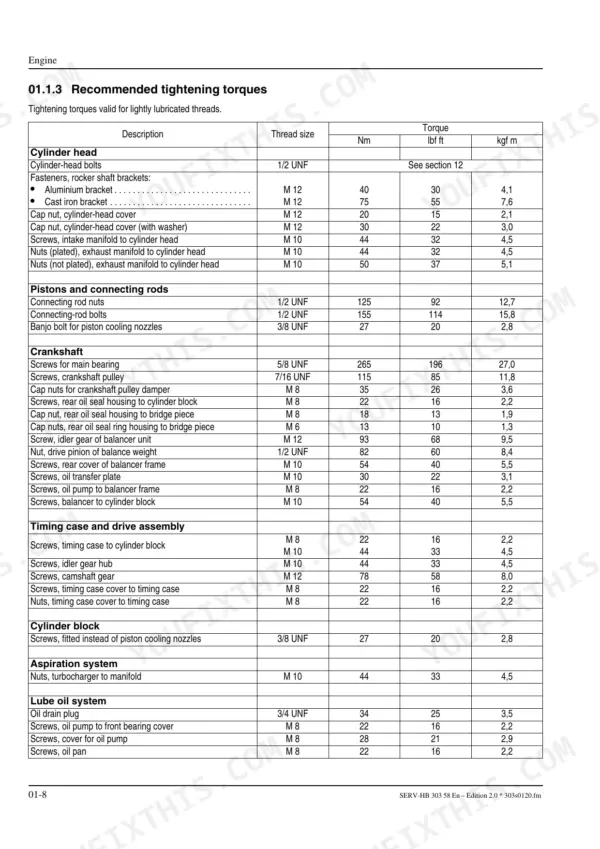
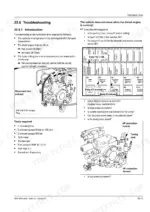
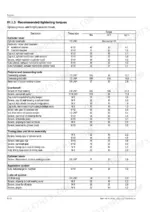
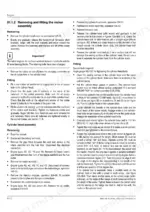
| Engine | 22-32 | Engine Specifications, Valve Tip Clearance, Rocker Assembly, Cylinder Head Assembly, Fuel Pump, Recommended Tightening Torques |
| Fuel System | 33-34 | Fuel Filter, Water Separator, Suction Line, Reflux Line, Fuel Tank, Stop Cock |
| Cooling System | 35-36 | Water Cooler, Oil Cooler, Water Pump, Temperature Sensor, Expansion Tank, Drain Valve |
| Frame & Attachments | 37-38 | Frame, Attachment, Counterweight |
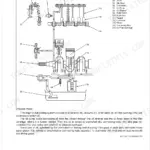
| Hydrostatic Drive System | 39-88 | Reflux From Tank, Radiator, Oil Cooler, Boost Pressure Valve, HP Valves, Boost Pump |
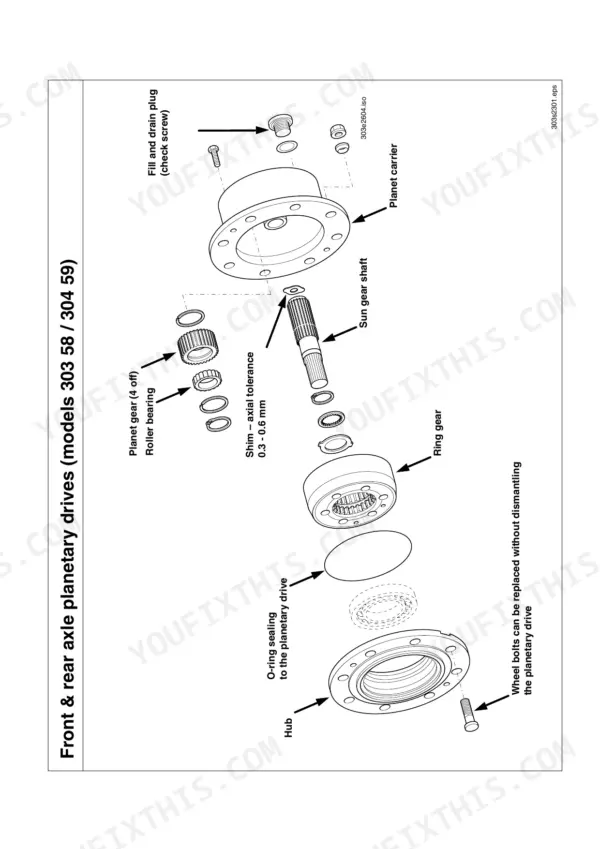
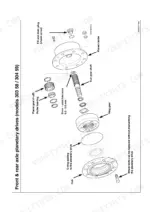
| Axles & Final Drives | 89-94 | Planet Gear, Roller Bearing, Sun Gear Shaft, Ring Gear, O-Ring Sealing, Hub |
| Brake System | 95-98 | Brake Pedals, Expansion Tank, Master Brake Cylinder, Brake Light Switch, Air Bleed Valve, Pressure Difference Valve |
| Hydrostatic Drive Controls | 99-101 | Solenoid Front & Rear Axle Lock, Drive Pump, Boost Pump, Solenoid High Speed, Measuring Point Boost Pressure, Pressure Line |
| Steering System | 102-106 | Solenoid Front & Rear Axle Diff Lock, HP Pump, Priority Valve, Rear Axle Steering Ram, Servostat, Steering Valve |
| Electrical System | 107-139 | Solenoid Valve, Pressure-Sensing Switch, Flame Heater Plug, Starter, Cutoff Solenoid, Battery |
| Electrical, Sensors & 4-Wheel Steering | 140-149 | Flat Plug, Earthing Connection, Magnet 1st Speed, Rear Sensor, Front Wheel Steer, Four-Wheel Steering |
| Wiring Harnesses | 150-155 | Wiring Harness (Drive), Wiring Harness (Differential Lock), Wiring Harness (Load Stabilizer), Plug Housing, Plugs |
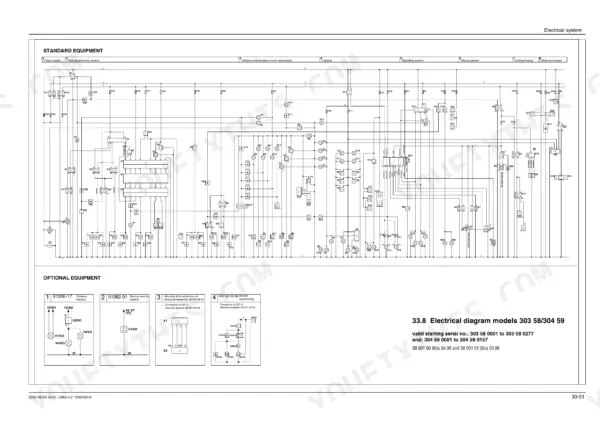
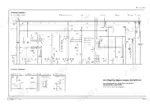
| Wiring Diagrams | 156-163 | Electrical Diagrams, Electrical System |
| Cab Electrics & Instruments | 164-165 | Front Wiper Motor, Wiper Arm, Instrument Panel, Steering Column |
| Hydraulic System | 166-184 | Quickhitch Facility with Ram ❙➜ 303 58 0528, ❙➜ 304 59 0382, Quickhitch Ram ❙➜ 303 58 0528, Dismantling |
| Steering & Brake Hydraulic Circuits | 185-188 | Steering (Servostat), Steering Ram, Priority Valve, Master Brake |
| Cab Heating | 189-196 | With Coarse-Pitch Thread, With Fine-Pitch Thread |
Quick Reference Specifications
| Specification | Value | Page |
|---|---|---|
| All Models | ||
| General tightening torques for screws (8.8 strength class) | 3 Nm (M4) to 1420 Nm (M30) | p. 10 |
| Wheel nut tightening torque | 420 ±20 Nm | p. 10 |
| Hydraulic oil filter replacement interval | every 12 months or 1200 service hours | p. 21 |
| Engine Oil Capacity | 11 ltr. | p. 18 |
| Hydraulic Oil Tank Capacity | About 90 ltr. | p. 18 |
| Fuel Tank Capacity | 90.0 ltr. | p. 18 |
| Brake System Brake Fluid Capacity | 0.5 ltr. | p. 18 |
| Max. Service Pressure (Hydrostatic Drive) | 465 bar | p. 7 |
| Max. Axle Load (front and rear) | 4,600 kg | p. 8 |
| 520 | ||
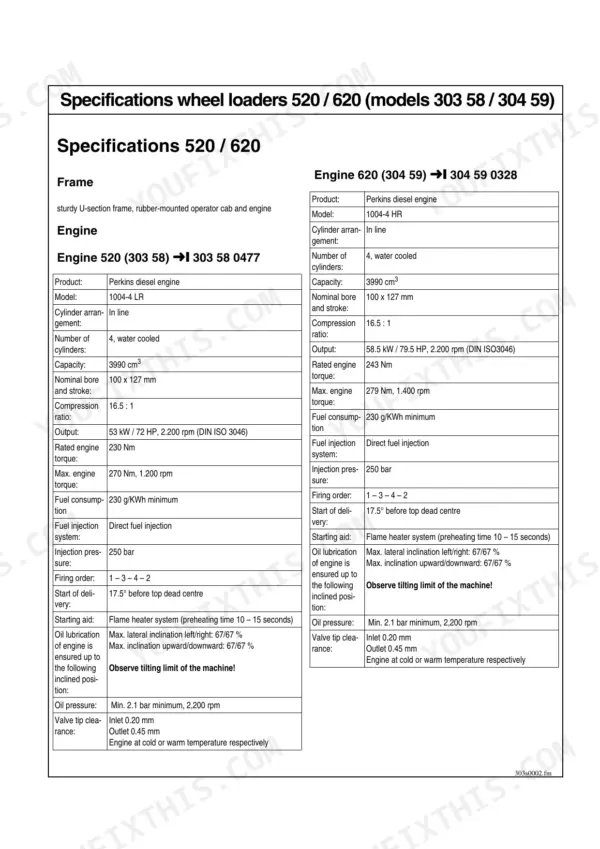
| Engine 520 Output | 53 kW / 72 HP, 2.200 rpm | p. 5 |
| 620 | ||
| Engine 620 Output | 58.5 kW / 79.5 HP, 2.200 rpm | p. 5 |
Gehl 520, 521, 620 Common Problems This Manual Covers
Weak or slow hydraulic response
Slow lift or weak loader action usually traces to low fluid, contaminated oil, a restricted filter, or internal valve and cylinder leakage. The Hydraulic system section maps the loader circuits so you can find where pressure is being lost.
Manual Section: Hydraulic system p. 166Machine loses drive or traction
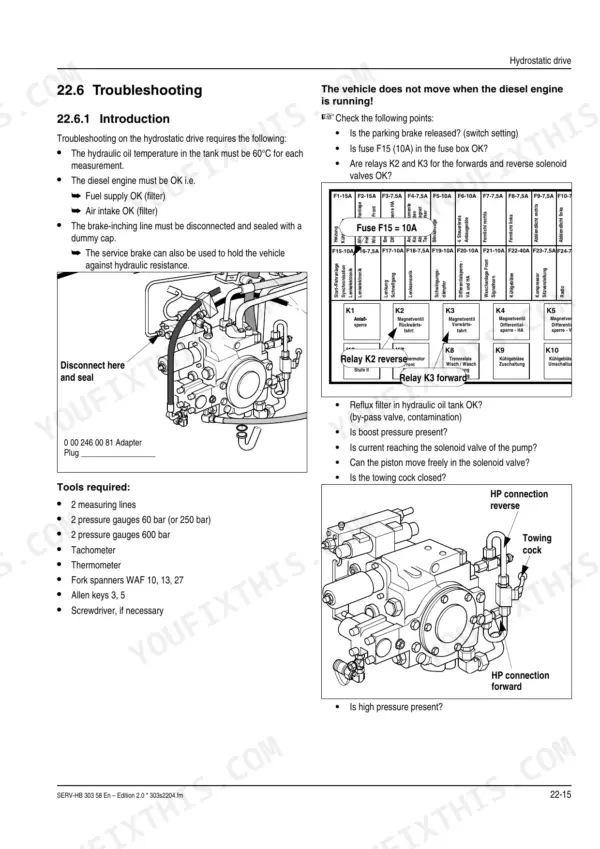
Poor traction or a machine that stops moving under load points to the hydrostatic drive: low oil, boost pressure loss, or worn pump and motor. The Hydrostatic drive section covers the boost pump, high pressure valves, and pressure measuring points.
Manual Section: Hydrostatic drive p. 39Engine overheats during work
Repeated overheating usually means a blocked radiator or oil cooler, low coolant, or a water pump fault. The Cooling section covers the water cooler, oil cooler, water pump, temperature sensor, and expansion tank.
Manual Section: Cooling p. 35Hard starting or no-start
A machine that will not start or starts intermittently often has a battery, starter, or cutoff solenoid fault. The Electrical system section covers the starter, flame heater plug, cutoff solenoid, and battery so you can find the break.
Manual Section: Electrical system p. 107Steering feels heavy or wanders
Heavy or wandering steering can come from low pressure, a priority valve issue, or a worn steering ram. The Steering system section covers the priority valve, rear axle steering ram, servostat, and steering valve.
Manual Section: Steering system p. 102Soft or weak braking
A soft pedal or weak braking usually needs bleeding or master cylinder service. The Brakes section covers the master brake cylinder, expansion tank, air bleed valve, and pressure difference valve.
Manual Section: Brakes p. 95Frequently Asked Questions
Which models does this manual cover?
It covers the Gehl 520, 521, and 620 wheel loaders, built on models 303 58 and 304 59 and powered by the Perkins 1004-4 diesel engine. The 520 is rated at 53 kW (72 HP) and the 620 at 58.5 kW (79.5 HP). p. 5
Where are the tightening torque specifications?
The Engine section lists the recommended tightening torques for engine components, and the specifications include general and specific torque tables such as the wheel nut torque of 420 plus or minus 20 Nm. p. 22
Does it cover the hydrostatic drive?
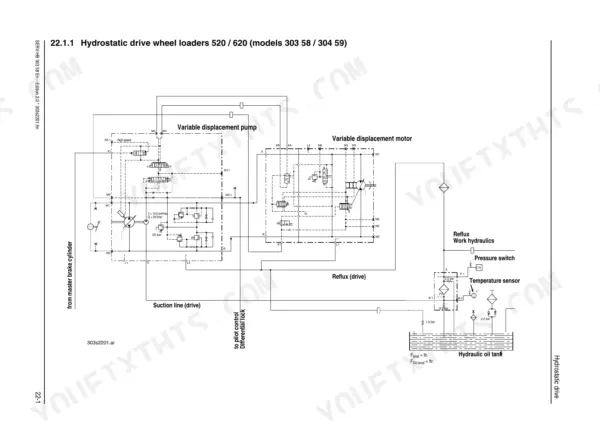
Yes. The Hydrostatic drive section is the largest in the book, covering the drive and boost pumps, high pressure valves, boost pressure valve, and the measuring points needed to diagnose drive and traction faults. p. 39
Does it include wiring and electrical diagrams?
Yes. The Electrical system section covers the wiring harnesses for the drive, differential lock, and load stabilizer, along with the starter, solenoids, sensors, and battery. p. 107
How quickly can I access this manual after buying?
A 196-page service manual in searchable PDF, ready to download the moment checkout completes. Open it on a computer, tablet, or phone. No shipping wait.
Does this Gehl 520 manual allow printing?
Yes. Print individual pages or full chapters for your own shop use, on letter or A4 paper.
Does this Gehl 520 manual show the hydraulic circuits?
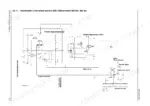
Yes. The manual includes hydraulic circuit diagrams, system schematics, and component specifications with pressure ratings. p. 166