
Part of the Kubota Repair Manuals.
This Kubota Workshop Manual covers the EGV01, EGV06, EGV08, and EGV09 electronic governor systems used on Kubota diesel engines. Its 39 pages focus on how the electronic governor is built, how it controls fuel and engine speed, and how to diagnose it when something goes wrong.
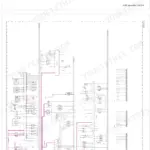
Inside you will find the governor construction and function, wiring diagrams, terminal layouts, a signal pattern sheet, and a diagnostic trouble code list for the EGV06 and EGV08 units. Component test procedures cover the speed sensor, coolant temperature sensor, actuator, alternator, and battery, each with the voltages and resistances you should measure.
This is factory reference material, publication number 9Y011-03014, aimed at technicians servicing the electronic governor rather than the whole engine. It downloads instantly as a PDF you can view on any device or print for the bench.
What's Inside This Kubota EGV01–EGV09 Series Manual
| System | Pages | Key Topics |
|---|---|---|
| Record of Revisions | 3-5 | |
| Safety | 6-10 | Working Precautions, Preparing for Emergencies, Working Cautions, Starting Machine Safely, Preventing Fires, Preventing Acid Burns, Avoiding High Pressure Fluid |
| Outline of Electronic Governor | 12 | Electronic Governor |
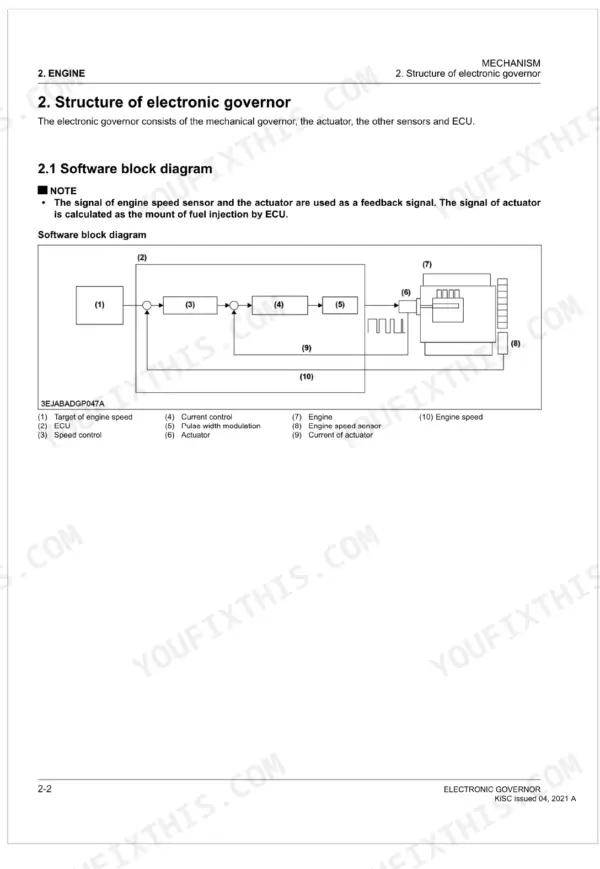
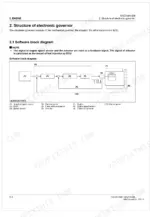
| Structure of Electronic Governor | 13-17 | Electronic Governor, Software Block Diagram, Component Parts, Control Unit, Speed Sensor |
| Function of Electronic Governor | 18-23 | Actuator, Electronic Governor, Fuel Control, Emergency Engine Stop, Failure Diagnosis, Circuit Protection, Smoke Reduce Control, CAN Communication (EGV06/EGV08) |
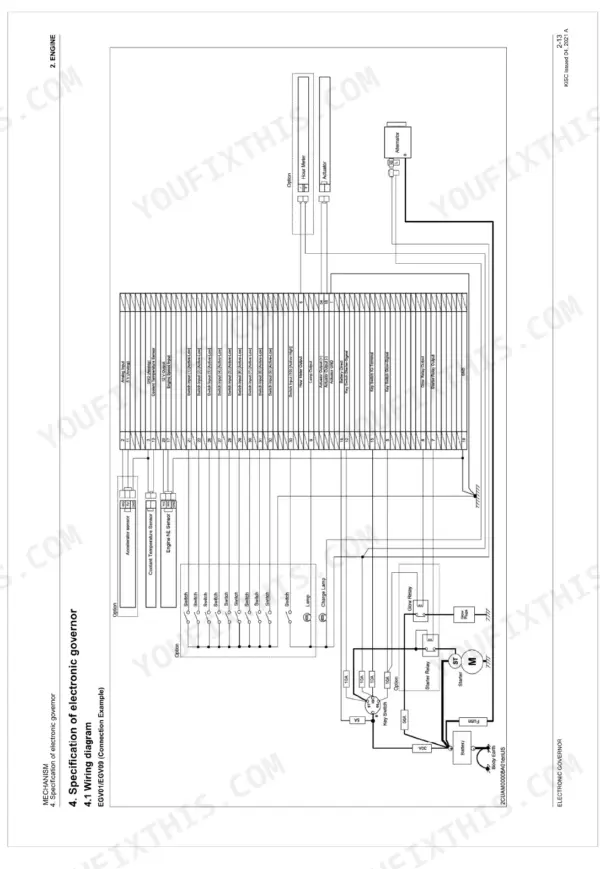
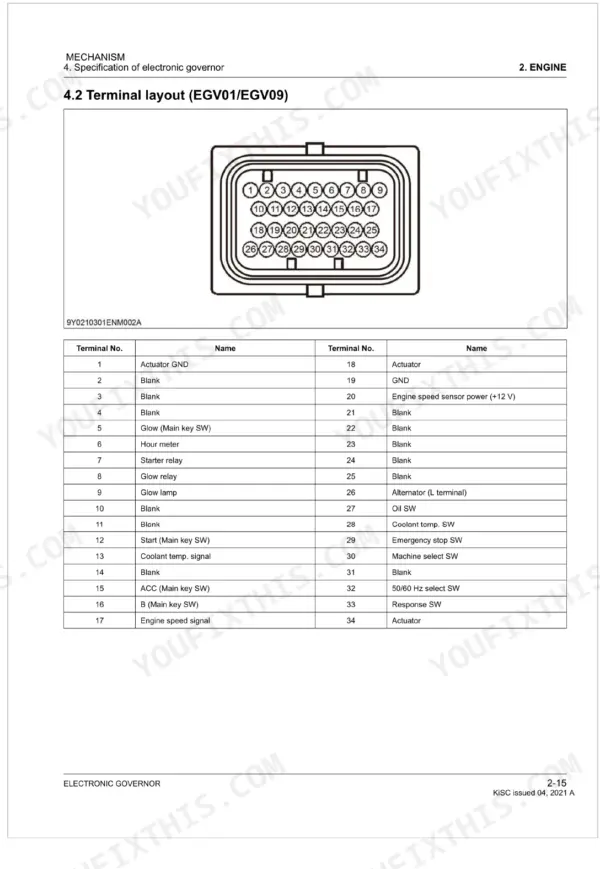
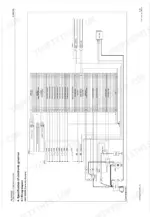
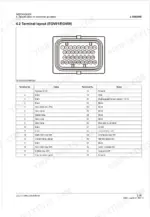
| Specification of Electronic Governor | 24-27 | Electronic Governor, Wiring Diagram, Terminal Layout (EGV01/EGV09), Terminal Layout (EGV06/EGV08) |
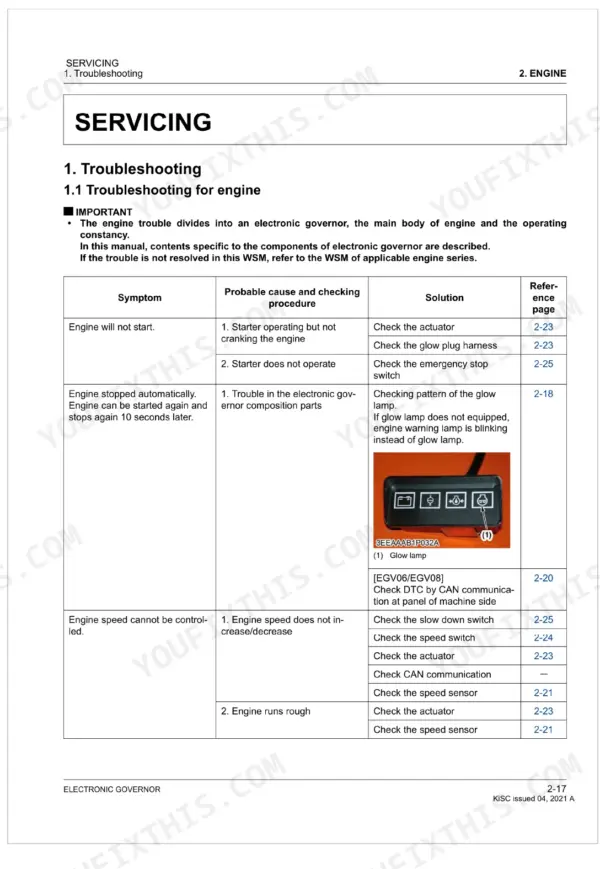
| Troubleshooting | 28-31 | Signal Pattern Sheet, Dtc List (EGV06/EGV08) |
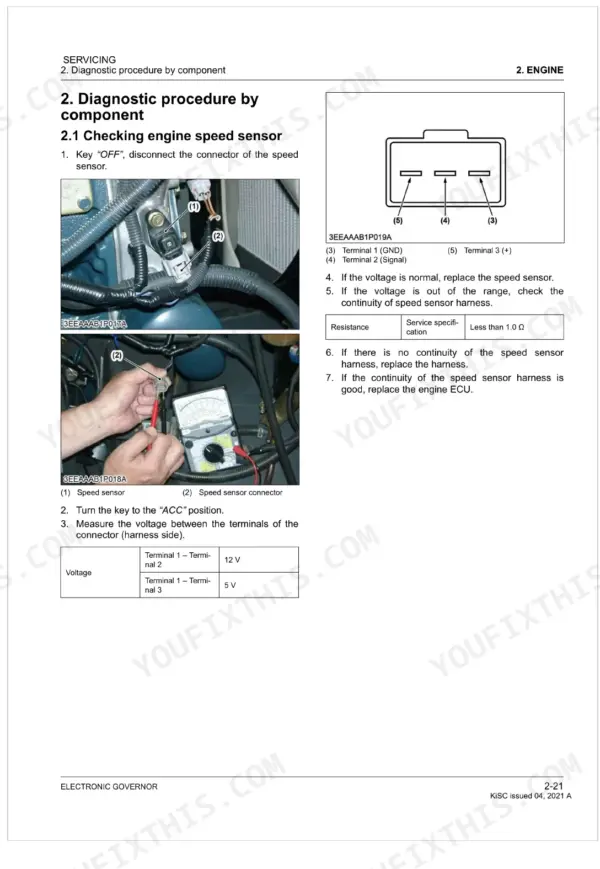
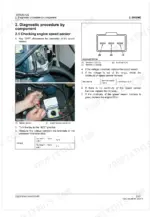
| Diagnostic Procedure by Component | 32-37 | Checking Engine Speed Sensor, Checking Coolant Temperature Sensor, Checking Oil Pressure Switch, Checking Actuator, Checking Glow Plug Harness, Checking Alternator, Checking Speed Switch |
| Editor Information | 39 | Editor, Address, Phone, Fax, E-Mail, Kubota Corporation, Printed in Japan |
Quick Reference Specifications
| Specification | Value | Page |
|---|---|---|
| All Models | ||
| ECU Tightening torque | 7.0 to 9.0 N·m | p. 17 |
| ECU Operating voltage range | 10 to 16 V | p. 17 |
| Engine speed sensor connector voltage (Terminal 1-Terminal 2) | 12 V | p. 32 |
| Engine speed sensor harness continuity | Less than 1.0 Ω | p. 32 |
| Coolant temperature sensor connector voltage (Terminal 1-Terminal 2) | 5 V | p. 33 |
| Actuator connector voltage (Terminal 1-Terminal 2) | 12 V | p. 34 |
| Speed switch resistance (ON position) | 0 Ω | p. 35 |
| Battery voltage | 12 V | p. 36 |
| EGV01/EGV09 | ||
| ECU Operating temperature, EGV01/EGV09 | -30 to 65 °C | p. 17 |
| EGV06/EGV08 | ||
| ECU Operating temperature, EGV06/EGV08 | -30 to 80 °C | p. 17 |
Kubota EGV01–EGV09 Series Common Problems This Manual Covers
Engine hunting or surging
An electronic governor that hunts or surges usually points to a fault in the control unit or actuator signal. The Troubleshooting section maps the symptoms to specific component checks.
Manual Section: Troubleshooting p. 28Actuator not moving fuel control
A failed actuator or open harness stops the governor from regulating fuel delivery. The Checking Actuator procedure gives the connector voltage test used to confirm it.
Manual Section: Checking Actuator p. 34No or erratic engine speed reading
A dirty or failed speed sensor makes the control unit lose engine rpm and can trigger a shutdown. The Checking Engine Speed Sensor procedure covers the connector voltage and harness continuity tests.
Manual Section: Checking Engine Speed Sensor p. 32Coolant temperature sensor fault
A shorted or open coolant temperature sensor skews governor fueling and can log a fault code. The Checking Coolant Temperature Sensor procedure lists the expected connector voltage.
Manual Section: Checking Coolant Temperature Sensor p. 33Weak charging or low supply voltage
Low battery voltage or a failing alternator can leave the control unit below its operating range. The Checking Battery procedure confirms supply voltage at the source.
Manual Section: Checking Battery p. 36Unexpected emergency engine stop
The governor can command an emergency engine stop when it detects a critical fault. The Function Of Emergency Engine Stop section explains the logic behind that shutdown.
Manual Section: Function Of Emergency Engine Stop p. 20Frequently Asked Questions
Which governor units does this manual cover?
It covers the Kubota EGV01, EGV06, EGV08, and EGV09 electronic governor systems. Some content, such as the DTC list and CAN communication, applies specifically to the EGV06 and EGV08 units.
Does it include wiring diagrams and terminal layouts?
Yes. The Specification Of Electronic Governor section contains the wiring diagram plus separate terminal layouts for the EGV01/EGV09 and EGV06/EGV08 units. p. 24
Can I diagnose a specific sensor with it?
Yes. The Diagnostic Procedure By Component section gives step by step checks for the speed sensor, coolant temperature sensor, actuator, alternator, and battery, with the expected test values. p. 32
What is the ECU mounting torque?
The manual specifies the ECU tightening torque as 7.0 to 9.0 N·m. The component parts pages cover the control unit details. p. 17
How is the manual delivered?
It is an instant PDF download. You can read it on a phone, tablet, or computer and print the diagnostic pages you need.
What format is this Kubota EGV01–EGV09 Series manual in?
A 39-page Workshop Manual in searchable PDF, ready to download the moment checkout completes. Read it on a computer, tablet, or phone, with no shipping wait.
Can I print this Kubota EGV01–EGV09 Series manual?
Yes. Print a chapter or just the pages for the job at hand, for use in your own shop. Any home or office printer works.
Does this Kubota EGV01–EGV09 Series Workshop Manual have electrical diagrams?
Yes. Full electrical schematics are included, with wire colors, connector locations, and circuit descriptions.



Reviews
There are no reviews yet.