
Part of the Kubota Repair Manuals.
This Kubota workshop manual covers the ZD321, ZD323, ZD326 and ZD331 zero-turn mowers and their D782, D902, D1005 and D1305 diesel engines. Its 288 pages are organized into general information, mechanism and servicing for each system on the machine.
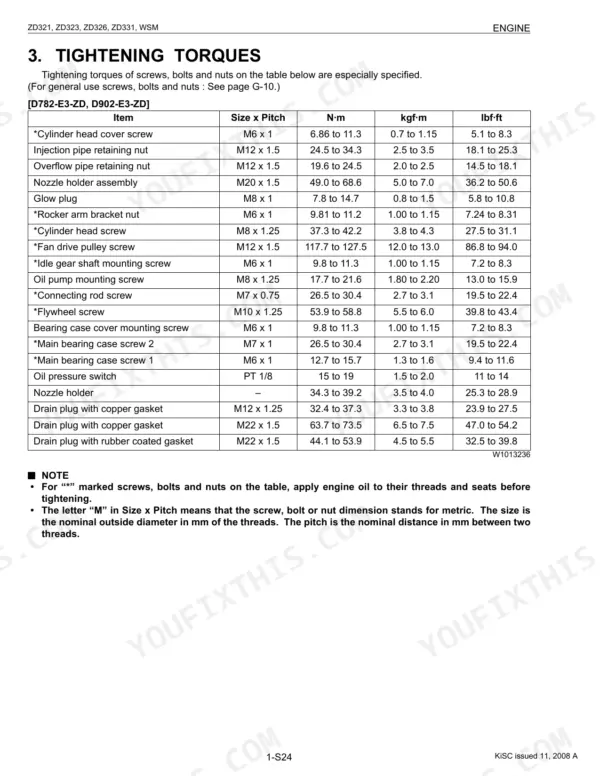
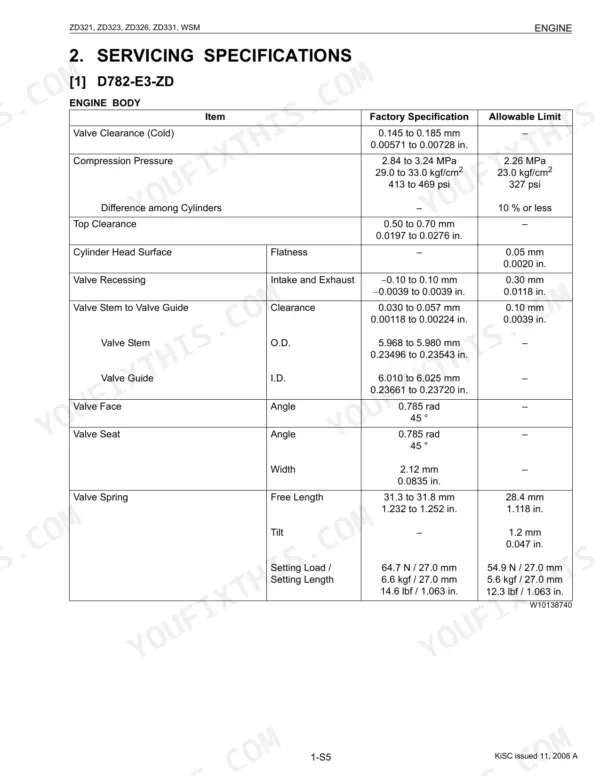
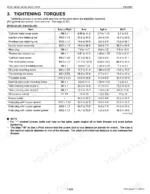
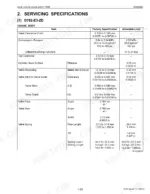
Inside you will find engine troubleshooting, servicing specifications and tightening torques, plus full coverage of the transaxle, front axle, hydraulic system, electrical system and rotary mower deck. Factory specifications and allowable limits let you diagnose a fault and rebuild to the correct tolerance.
For an owner or independent shop maintaining these commercial zero-turns, this PDF download is the same technical reference Kubota provides to its service personnel, delivered as a searchable file you can open on any device and print when you need it at the bench.
What's Inside This Kubota ZD321–ZD331 Series Manual
| System | Pages | Key Topics |
|---|---|---|
| General | 14-60 | Cylinder Number, Electrical Parts, Wiring, Battery, Fuse, Connector, Lubricants, Fuel |
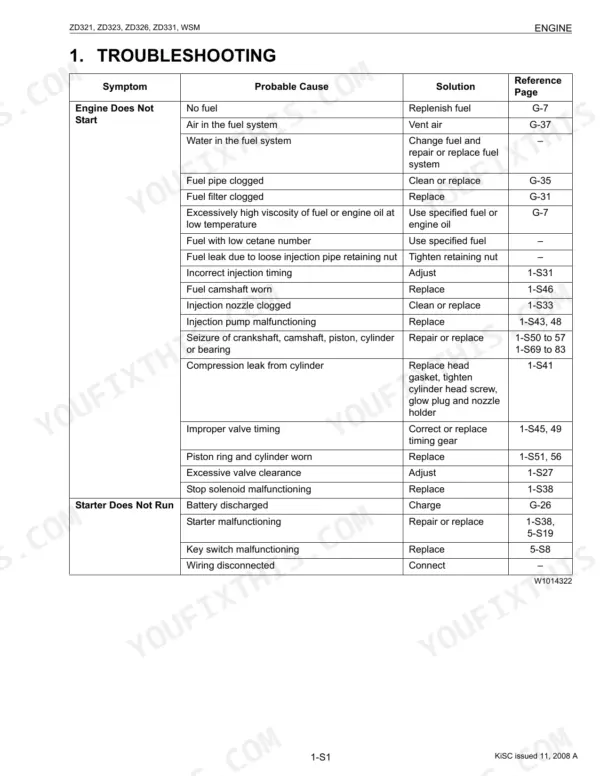
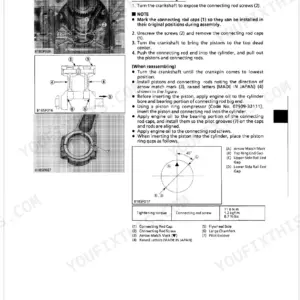
| Engine | 61-147 | Troubleshooting, Servicing Specifications, Tightening Torques, Cylinder Head and Valve, Piston and Connecting Rod, Crankshaft |
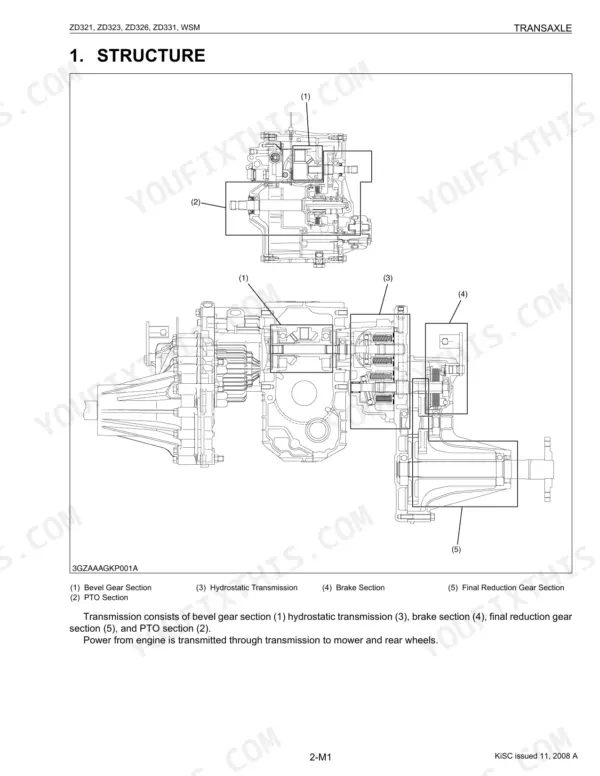
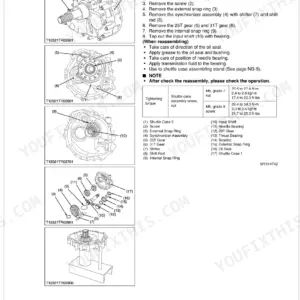
| Transaxle | 148-200 | Hydrostatic Transmission, PTO System, Parking Brake, Final Reduction Gear, Motion Control Lever, Speed Control Rod, Trunnion Arm |
| Front Axle | 201-211 | Front Wheel, Wheel Bracket, Wheel Hub |
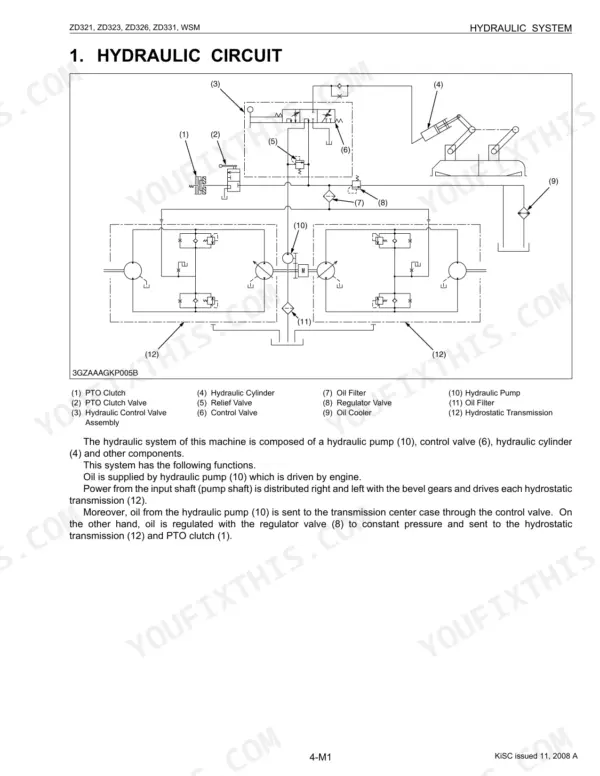
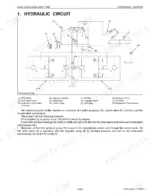
| Hydraulic System | 212-236 | Hydraulic Circuit, Hydraulic Pump, Hydraulic Control Valve, Lift Cylinder, Mower Linkage, Relief Valve, Dial Cam Gear |
| Electrical System | 237-271 | Wiring Diagram, Starting System, Charging System, Gauges, Relay, Starter, Glow Plug, Safety Switch |
| Rotary Mower | 272-288 | Power Transmission, Center Blade, Outer Blade, Universal Joint, Belt Covers, Blade Boss, Gear Box |
Quick Reference Specifications
| Specification | Value | Page |
|---|---|---|
| All Models | ||
| General Use Screws, Bolts and Nuts (M6, No-grade or 4T, Ordinariness) | 7.9 to 9.3 N·m | p. 25 |
| General Use Screws, Bolts and Nuts (M8, No-grade or 4T, Ordinariness) | 18 to 20 N·m | p. 25 |
| Fuel tank capacity | 49 L (13 U.S.gals, 11 Imp.gals) | p. 22 |
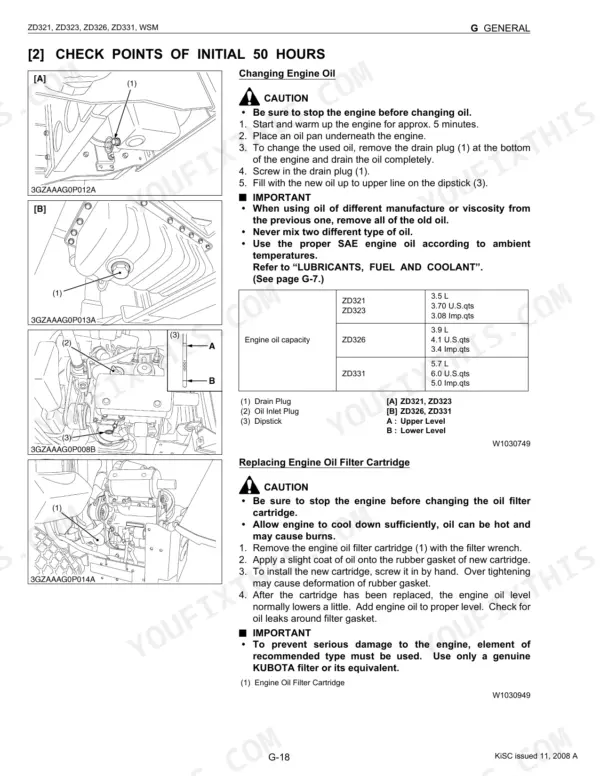
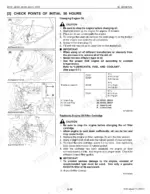
| Engine oil change interval | every 100 Hr | p. 27 |
| Engine oil filter replacement interval | every 200 Hr | p. 27 |
| Transmission including rear axle gear case capacity | 12.1 L | p. 22 |
| Mower gear case capacity | 0.4 L | p. 22 |
| Engine Oil Pressure (At Idle Speed) | More than 49 kPa | p. 71 |
| ZD321 | ||
| Engine crankcase (with filter) capacity | 3.5 L (3.70 U.S.qts, 3.08 Imp.qts) | p. 22 |
| Engine crankcase capacity (with filter), ZD321 | 3.5 L | p. 22 |
| ZD323, ZD326 | ||
| Engine crankcase capacity (with filter) (ZD323, ZD326) | 3.9 L | p. 22 |
| ZD331 | ||
| Engine crankcase capacity (with filter), ZD331 | 5.7 L | p. 22 |
Kubota ZD321–ZD331 Series Common Problems This Manual Covers
Hard starting or rough running
A diesel that cranks but will not fire, or runs rough, often traces to injection pressure, valve clearance or fuel delivery. The Engine section provides troubleshooting, servicing specifications and tightening torques to work through the causes.
Manual Section: 1 Engine p. 61Loss of drive or weak HST
Sluggish ground speed or a mower that creeps in neutral usually points to the hydrostatic transaxle. The Transaxle section covers its mechanism and servicing so you can check and correct the drive.
Manual Section: 2 Transaxle p. 148Mower deck will not raise
A deck that lifts slowly or drops on its own is typically a hydraulic pressure or valve issue. The Hydraulic System section documents the circuit and servicing steps to restore reliable lift.
Manual Section: 4 Hydraulic System p. 212Charging faults or dead PTO clutch
No-start, a flat battery or a PTO clutch that will not engage all call for an electrical trace. The Electrical System section provides the mechanism and servicing coverage to find the break.
Manual Section: 5 Electrical System p. 237Uneven or ragged cut
Scalping, streaking or an uneven finish often comes from worn blades, spindle wear or deck setup on the rotary mower. The Rotary Mower section covers its mechanism and servicing for correcting the cut.
Manual Section: 6 Rotary Mower p. 272Front caster or axle play
Wandering or wobble at the front usually means worn caster or front axle components. The Front Axle section explains the mechanism and servicing needed to tighten it up.
Manual Section: 3 Front Axle p. 201Frequently Asked Questions
Which mowers does this manual cover?
It covers the Kubota ZD321, ZD323, ZD326 and ZD331 zero-turn mowers, with their D782, D902, D1005 and D1305 diesel engines. A single manual serves all four models, noting differences where they apply.
Does it include full engine service procedures?
Yes. The Engine section provides troubleshooting, servicing specifications, tightening torques and step by step work on the cylinder head, valves, piston, connecting rod and crankshaft for the diesel engines. p. 61
Are wiring diagrams and electrical service included?
Yes. The Electrical System section covers the electrical mechanism and servicing, so you can diagnose starting, charging and PTO clutch faults across the machine. p. 237
How is the manual delivered?
You download the PDF immediately after purchase. Nothing is shipped; the file is yours to keep and reopen every time you service the mower.
How quickly can I access this Kubota ZD321–ZD331 Series manual after buying?
You get a 288-page searchable PDF that downloads instantly after checkout. Open it on your laptop, tablet, or phone, bring it right to the shop floor.
Can I print this Kubota ZD321–ZD331 Series manual?
Yes. Print a chapter or just the pages for the job at hand, for use in your own shop. Any home or office printer works.
Are electrical wiring diagrams included in this Kubota ZD321–ZD331 Series?
Included. The Kubota ZD321–ZD331 Series Workshop Manual covers complete wiring harness diagrams, electrical circuits, and connector pinouts.




Reviews
There are no reviews yet.