
This is the factory service manual for the Mustang AL 106, AL206, and AL306 articulated loaders, part number 918360, covering all three series in one 360 page PDF. The AL 100 and AL 200 machines run the Yanmar 3TNV76-KGWL and 3TNV88-BKGWL diesels, with model specific fluid capacities, wheel torques, and axle procedures called out throughout.
The manual is organized by system: safety, maintenance, operation, chassis, engine, cooling, axles, hydraulics, and electrical, plus a full troubleshooting section and torque specification tables. You get filter and oil change intervals, brake adjustment steps, hydraulic pressure test values, and complete removal and installation procedures.
Owners, independent mechanics, and restorers can download it instantly and print any section, so the exact figures for whichever series you own are on the bench when you need them.
What's Inside This Mustang AL 106, AL206, AL306 Manual
| System | Pages | Key Topics |
|---|---|---|
| Safety | 12-19 | |
| Maintenance | 32-61 | Maintenance Schedule, Check, Clean and Inspect, Leakage Check, Lubrication and Filter Changes, Functional Check |
| Operation | 62-73 | Operation Safety (Chapter 5, Operation), Controls and Switches, Instrument Panel and Indicators |
| Chassis | 74-109 | Tilting the Platform (AL100 Series Platform Tilting, Chapter 6, AL200 and 300 Series Platform Tilting) |
| Engine | 110-147 | Engine Removal, Engine Installation, Drive Coupling Removal, Drive Coupling Installation, Starter Removal, Starter Installation |
| Cooling System | 148-159 | Radiator/Oil Cooler Removal (AL100 Series Radiator/Oil Cooler Removal, Chapter 8, AL200 and 300 Series Radiator/Oil Cooler Removal) |
| Axles | 160-181 | Service Brake Adjustment (Al 100/200 Series Service Brake Adjustment, Al 300 Series Service Brake Adjustment, Chapter 9, Service Brake Troubleshooting – Al 300 Series) |
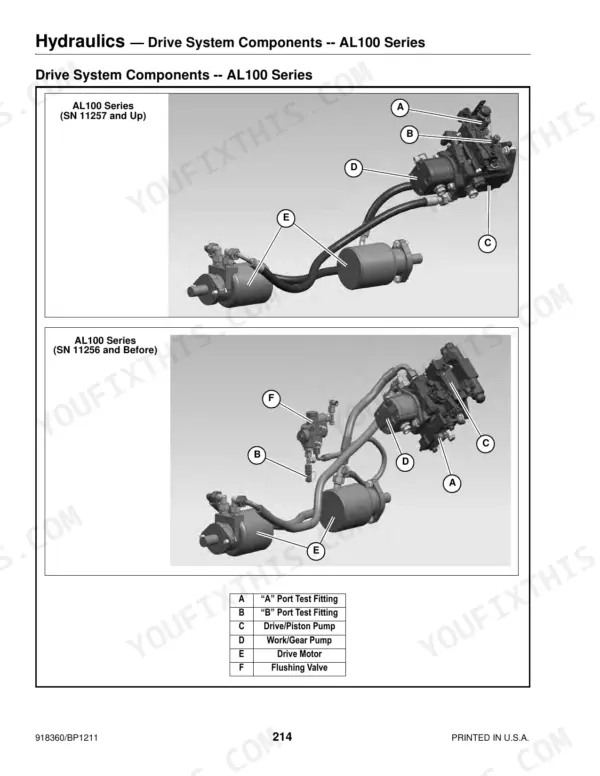
| Hydraulics | 182-307 | Work Hydraulics Troubleshooting (Chapter 10, Hydraulics), Hydrostatic Drive System |
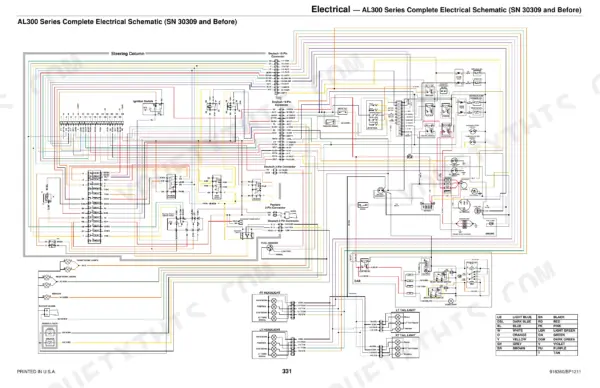
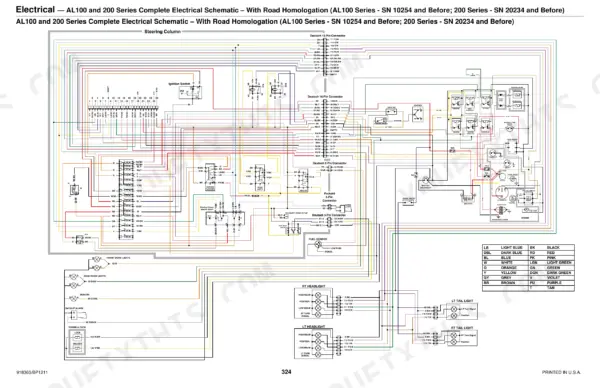
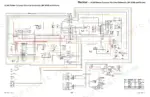
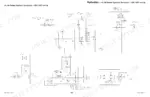
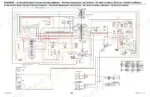
| Electrical System | 308-341 | Battery Removal, Battery Installation, Machine Controller (LED/Indicator Assignments, Logic), AL100 Series Complete Electrical Schematic – with Standard Steering Column |
| Troubleshooting | 342-351 | Indicator Lamps / Seals and Hoses, Hydraulic System (Problem, Possible Cause, Corrective Action), Hydrostatic Drive System (Problem |
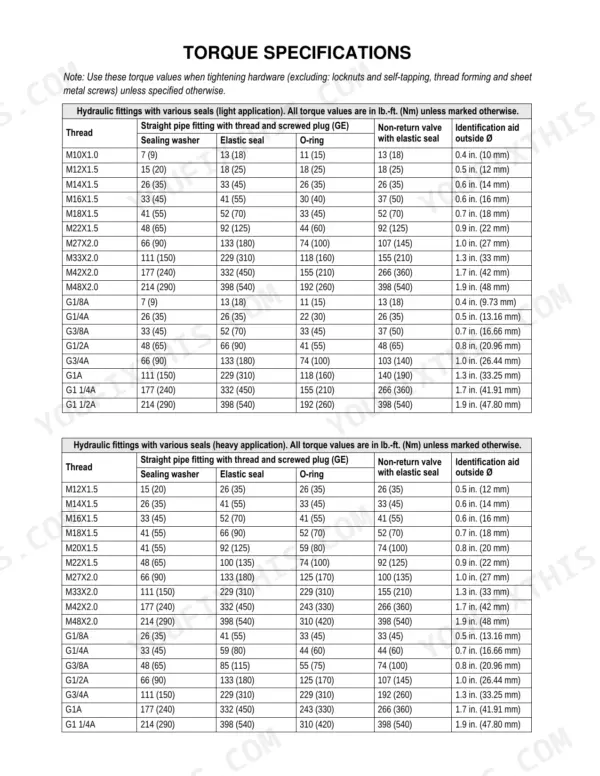
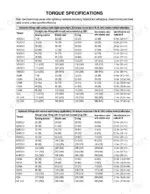
| Torque Specifications | 356-359 | Hydraulic Fittings with Various Seals (Thread, Straight Pipe Fitting with Thread and Screwed Plug, Non-Return Valve with Elastic Seal, Identification Aid Outside Ø) |
| Back Cover | 360 | Mustang, Manitou Americas, Inc, P.O. Box 179, West Bend, 53095-0179 Usa, Www.Mustangmfg.Com, © 2011 All Right Reserved |
Quick Reference Specifications
| Specification | Value | Page |
|---|---|---|
| AL 100 Series, AL 200 Series | ||
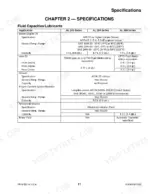
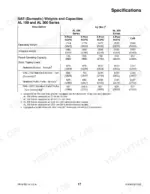
| Wheel Fastener Torque | 165 N•m (122 lbf-ft) | p. 19 |
| All Models | ||
| Hydraulic fittings torque (M12X1.5, light application, elastic seal/O-ring) | 18 (25) lb.-ft. (Nm) | p. 356 |
| Hydraulic Fluid and Return Filter Replacement Interval | 500 Hours (or annually) | p. 34 |
| Engine Oil/Filter Replacement Interval | After first 50 hours; every 250 hours thereafter. | p. 34 |
| Air Filter Replacement Condition | Replace filter if necessary (indicator turns red); inner element every third time outer element is replaced. | p. 28 |
| Fuel Filter Replacement Interval | 500 Hours (or annually) | p. 34 |
| V-belt Deflection | no more than 8 mm (5/16") | p. 42 |
| Battery Capacity | 850 CCA – 74 Ah | p. 19 |
| Coolant System Hoses Inspection Interval | Monthly | p. 33 |
| AL300 Series | ||
| Axle Mounting Bolts Torque | 302 lb.-ft (410 N•m) | p. 171 |
| AL 100 Series | ||
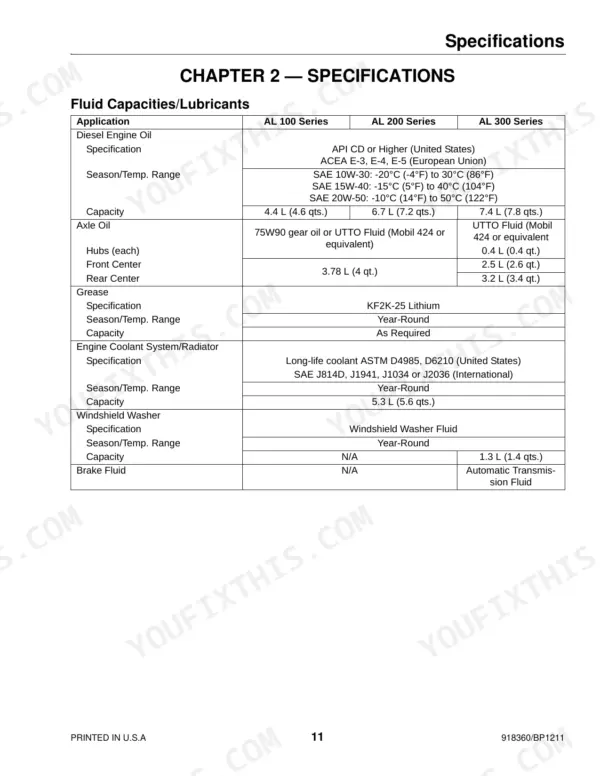
| Diesel Engine Oil Capacity, AL 100 Series | 4.4 L (4.6 qts.) | p. 20 |
| AL 200 Series | ||
| Diesel Engine Oil Capacity, AL 200 Series | 6.7 L (7.2 qts.) | p. 20 |
Mustang AL 106, AL206, AL306 Common Problems This Manual Covers
Engine cranks but will not start
A loader that turns over without firing, or dies shortly after starting, usually comes down to fuel delivery, a safety interlock, or the starting circuit. The Engine section walks through starter and drive coupling removal and installation for deeper diagnosis.
Manual Section: Engine p. 110Weak or slow hydraulic functions
Lift or steering functions that stall under load point to low or contaminated oil, a clogged filter, or pump wear. The Hydraulics section covers work hydraulics and hydrostatic drive troubleshooting; work system pressure should test at 207 bar plus or minus 7 (3000 psi plus or minus 100).
Manual Section: Hydraulics p. 182Overheating or repeated shutdowns
Rising temperature or nuisance shutdowns during work usually trace to low coolant, a dirty radiator or oil cooler, or restricted airflow. The Cooling System section covers radiator and oil cooler removal for both the AL 100 and the AL 200 and 300 series.
Manual Section: Cooling System p. 148Brake drag or weak braking
Poor stopping or dragging brakes, most often flagged on the AL 300 series, are set right through the service brake adjustment procedure. The Axles section gives the adjustment and troubleshooting steps for each series.
Manual Section: Axles p. 160Battery drains or electrical faults
Accessories that quit or a battery that goes flat overnight point to a charging fault, poor connections, or a switch problem. The Electrical System section covers battery removal and installation and the machine controller LED and indicator logic.
Manual Section: Electrical System p. 308Belt slip or squeal at cold start
A squeal on startup or a slack drive belt reduces charging and cooling performance. The Maintenance section sets V-belt deflection at no more than 8 mm (5/16 in.) and covers the check and adjustment procedure.
Manual Section: Maintenance p. 32Frequently Asked Questions
Which models does this manual cover?
It covers the Mustang AL 106, AL206, and AL306 articulated loaders, part number 918360, across the AL 100, AL 200, and AL 300 series. The PDF runs 360 pages and calls out series specific values where they differ.
What are the torque specs?
The Torque Specifications section lists hydraulic fitting and fastener values, including the AL 300 series axle mounting bolts at 302 lb.-ft. (410 N.m). Wheel fastener torque is 165 N.m (122 lbf-ft) for the AL 100 and AL 200 series. p. 356
How often do the filters need changing?
The Maintenance section sets hydraulic and return filter replacement at every 500 hours or annually, engine oil and filter after the first 50 hours then every 250 hours, and the fuel filter at every 500 hours or annually. p. 32
What is the hydraulic work system pressure?
The work system pressure test value is 207 bar plus or minus 7 (3000 psi plus or minus 100 psi). The Hydraulics section covers the pressure test and hydrostatic drive diagnosis. p. 182
Will this Mustang AL 106 Service Manual download right away?
This is a 360-page searchable PDF ready for immediate download. It works on any device, so you can pull it up on your phone while you're under the hood. No shipping, no waiting.
Am I able to print pages from this Mustang AL 106 manual?
Yes. Printing works from any reader and any printer, for your own shop use.
Can I trace hydraulic lines with this Mustang AL 106 manual?
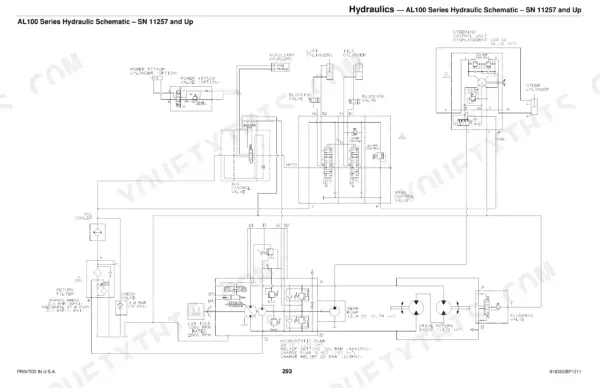
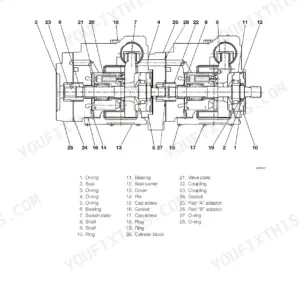
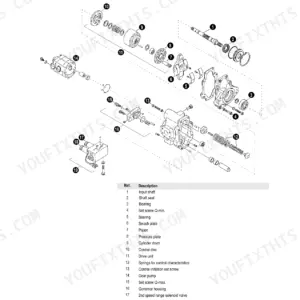
Yes. It includes complete hydraulic schematics with flow diagrams, valve configurations, and pressure specifications.



Reviews
There are no reviews yet.