
Part of the John Deere Repair Manuals.
This is the John Deere Technical Manual TM1780 for the 260 and 270 skid steer loaders produced from 2001 to 2003. It is a 590 page PDF that downloads instantly and opens on a phone, tablet, or shop computer.The manual is built for repair and rebuild work, covering the engine, the hydraulic and hydrostatic drive systems, the electrical system, and cooling, with specifications, adjustments, and detailed teardown and reassembly steps.Use it to diagnose a slow or weak drive, loader arms that settle, a no start, overheating, or a wiring fault, then carry out the fix yourself. Print the sections you are working on or keep the complete file on hand so the information is there every time the machine is down.
What's Inside This John Deere 260, 270 Manual
| System | Pages | Key Topics |
|---|---|---|
| Safety | Operating and Service Safety, Decal Locations, Lift and Support Procedures | |
| Specifications and Information | Engine Power, Capacities, Operating Weights, Dimensions, Torque Charts, Fuel and Fluid Specs | |
| Engine (Diesel) | PowerTech 3029T and 4045D, Fuel Injection, Idle Settings, Repair-Stand Torques | |
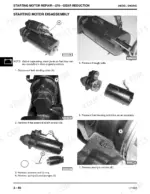
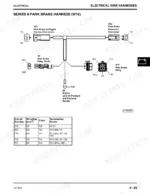
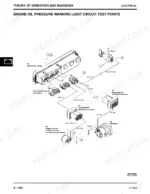
| Electrical | 12-Volt System, 55 Amp Alternator, Starting Circuit, Instrument Cluster, Wiring | |
| Power Train (Chain Case and Axles) | Chain Case Capacities by Serial Break, Drive Sprockets, Axle Service | |
| Power Train (Hydrostatic) | Hydrostatic Pumps and Motors, Charge Pressure, Relief Settings, Ground Speed | |
| Steering | Steering Controls, Linkage Adjustment, Neutral Setting | |
| Brakes | Park Brake Operation, Brake Drag Diagnosis, Adjustment | |
| Hydraulics | Boom and Bucket Circuits, Relief Pressures, Pump Flow, High-Flow Option | |
| Miscellaneous | Operator Station, Attachments, General Repair References |
Quick Reference Specifications
| Specification | Value | Page |
|---|---|---|
| 260 | ||
| Engine (260) | John Deere 3029T, 2.9L 3-cyl, 51.5 kW (69 hp) @ 2400 rpm | |
| 270 | ||
| Engine (270) | John Deere 4045D, 4.5L 4-cyl, 57.5 kW (77 hp) @ 2400 rpm | |
| 260 / 270 | ||
| Rated operating capacity | 998 kg (2200 lb) / 1180 kg (2600 lb) | |
| Operating weight | 3787 kg (8350 lb) / 3890 kg (8575 lb) | |
| 260 and 270 | ||
| Hydrostatic system relief | 34 474 kPa (5000 psi) | |
| Hydraulic system relief | 21 374 +/- 1034 kPa (3100 +/- 150 psi) | |
| Boom circuit relief | 23 442 kPa (3400 psi) | |
| Charge pressure (single / 2-speed) | 200-225 psi / 300-340 psi | |
| Standard pump flow | 64.3-71.8 L/min (17-19 gpm) | |
| High-flow option | 107.5-121.5 L/min (28.4-32.1 gpm) | |
| Bucket breakout force | 3039 kg (6700 lb) | |
| Max ground speed (single / 2-speed) | 10.6 km/h (6.6 mph) / 19.3 km/h (12.0 mph) | |
| Fuel tank | 75.7 L (20.0 gal) | |
| Hydraulic system capacity | 34.1 L (9 gal) | |
| Standard tires | 14 x 17.5 | |
John Deere 260, 270 Common Problems This Manual Covers
Drive weak or one side slow
A skid steer that pulls to one side, creeps, or lacks pushing power usually has a hydrostatic pump, charge pressure, or drive motor issue. The drive system procedures cover pressure testing and adjustment.
Manual Section: Hydrostatic Drive SystemBucket or boom settles
Loader arms that drift down on their own point to worn valve spools or leaking lift cylinders. The hydraulic procedures cover pressure checks and cylinder rebuild.
Manual Section: Hydraulic SystemHard starting or rough running
Difficult starts, low power, or uneven running are diagnosed through compression, fuel delivery, and valve clearance. The engine section carries the tests and overhaul steps.
Manual Section: EngineRuns hot during heavy work
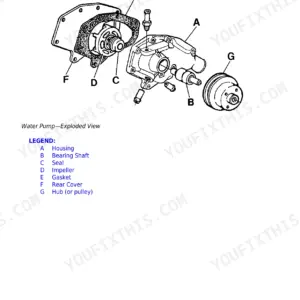
Overheating under load often traces to a plugged radiator, a worn water pump, or a stuck thermostat. The cooling section covers inspection and replacement.
Manual Section: Cooling SystemNo start or electrical faults
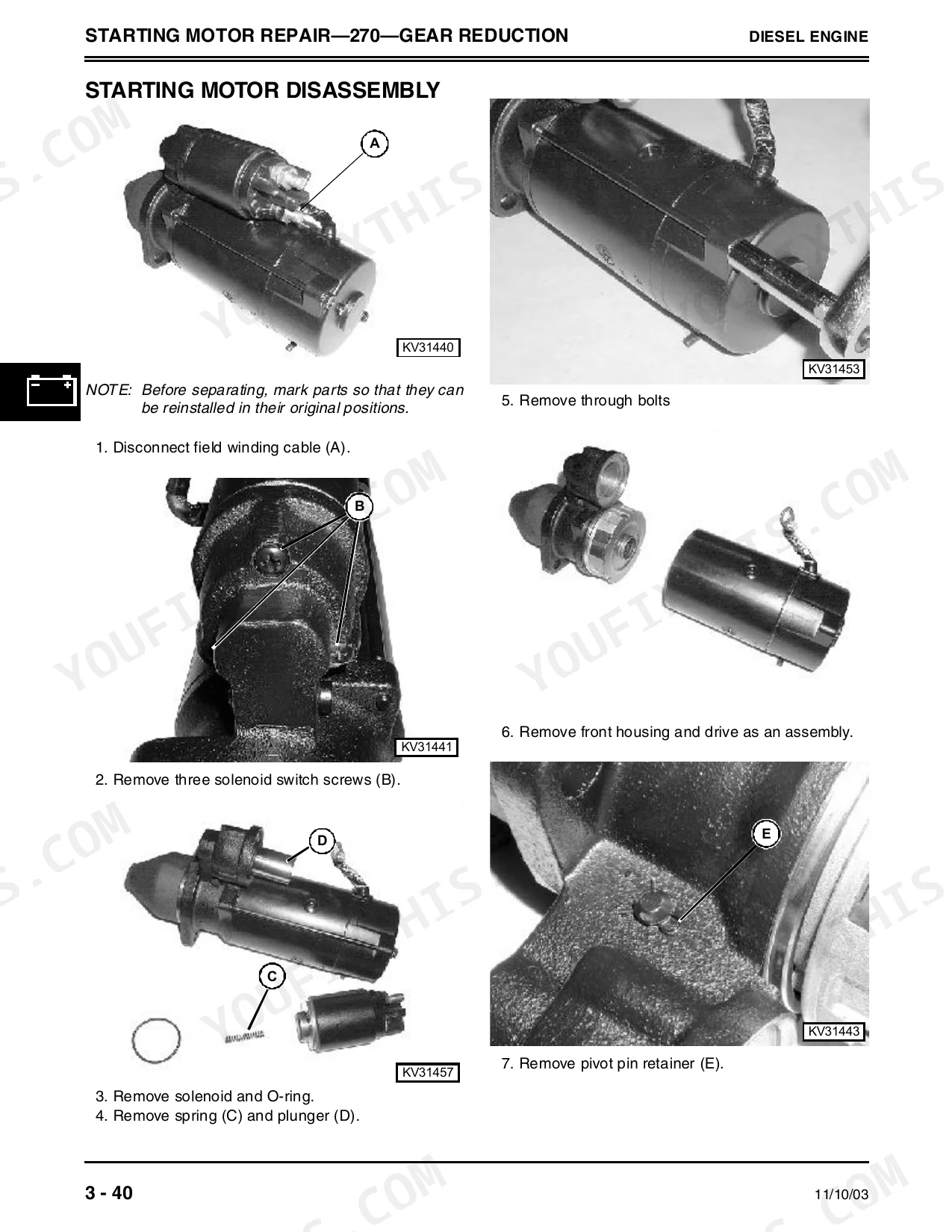
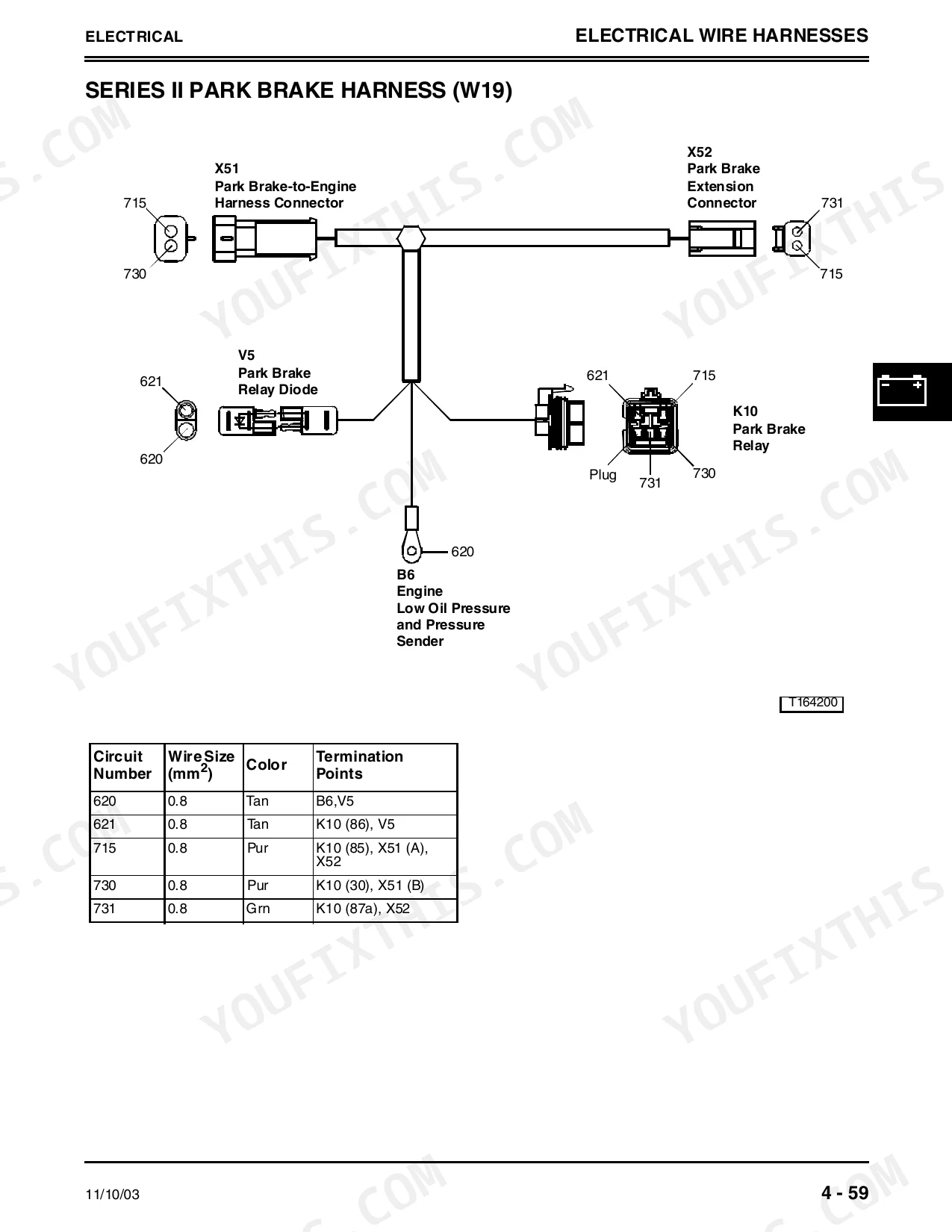
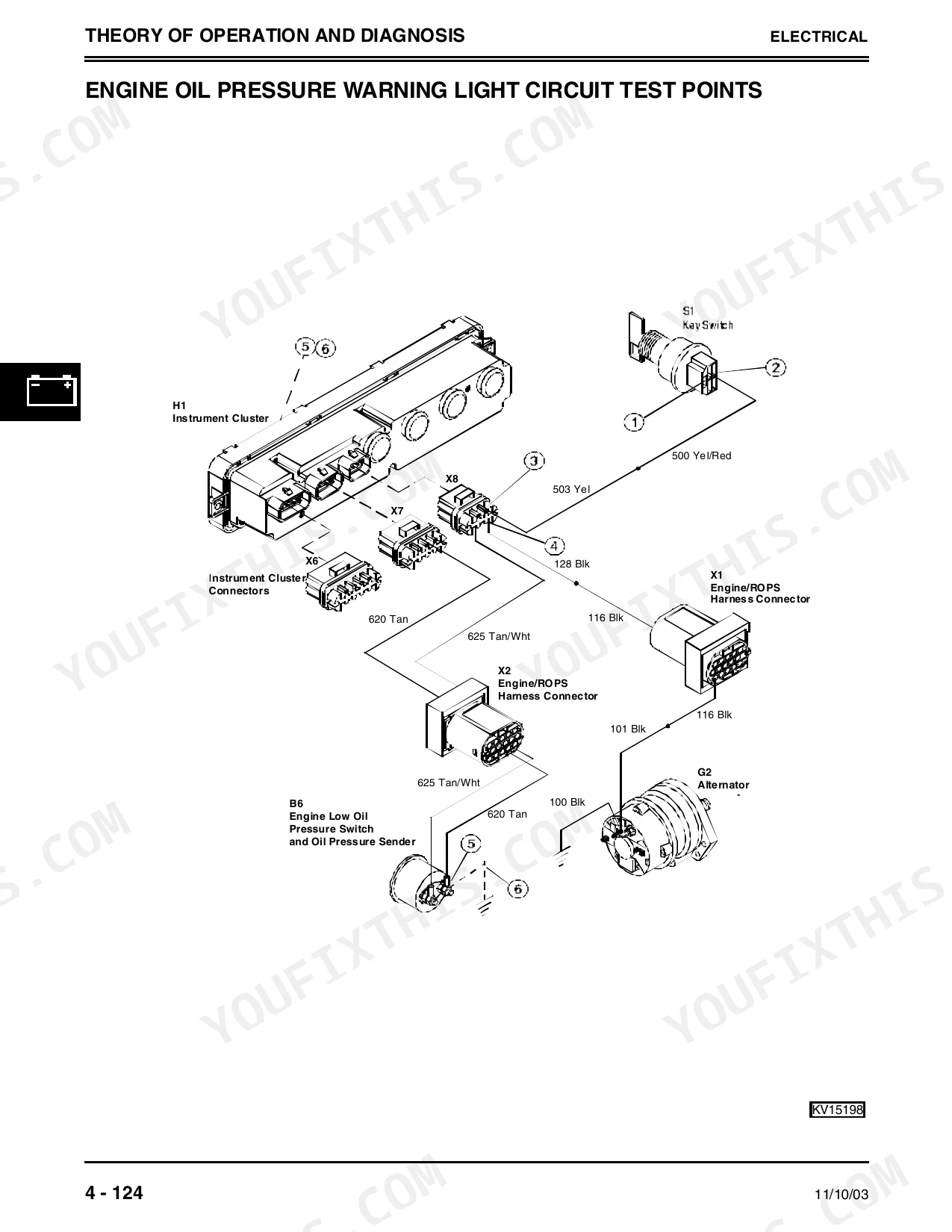
A no crank condition or intermittent electrical trouble is worked back to the battery, starter circuit, and wiring. The electrical section covers the checks and repairs.
Manual Section: Electrical SystemFrequently Asked Questions
Which machines does this manual cover?
It is John Deere Technical Manual TM1780 for the 260 and 270 skid steer loaders produced from 2001 to 2003.
Does it cover the hydrostatic drive and hydraulics?
Yes. It covers the hydraulic and hydrostatic drive systems, with pressure testing, adjustment, and pump and cylinder service for a weak drive or a settling loader.
Does it include engine and electrical repair?
Yes. The manual covers engine diagnosis and overhaul plus the electrical system, so hard starting, overheating, no crank, and wiring faults can all be worked in one book.
What do I get after purchasing this John Deere 260, 270 manual?
Instant PDF download (20 MB). You get the full 590-page scanned Technical Manual immediately after payment. Open it on your laptop, tablet, or phone right in the shop.
Am I able to print pages from this John Deere 260, 270 manual?
Yes. The PDF has no DRM restrictions, so print any page or section you need for your shop. Works with any standard printer.





Reviews
There are no reviews yet.