
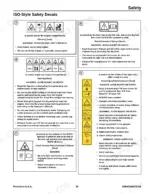
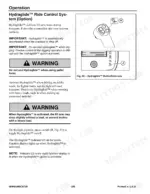
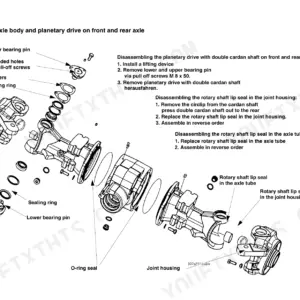
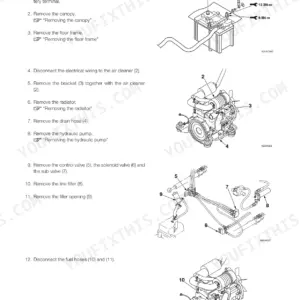
This is the factory service manual for the Mustang RT series compact track loaders, part number 50940165, covering the 1750RT, 1750RT NXT2/3, 2100RT, 2100RT NXT2/3, 2500RT, and 2500RT NXT3 in one 440 page PDF. These machines run a range of Yanmar 4TNV98 variants and the Deutz TD3.6 L4, with serial number breaks and model specific procedures called out throughout.
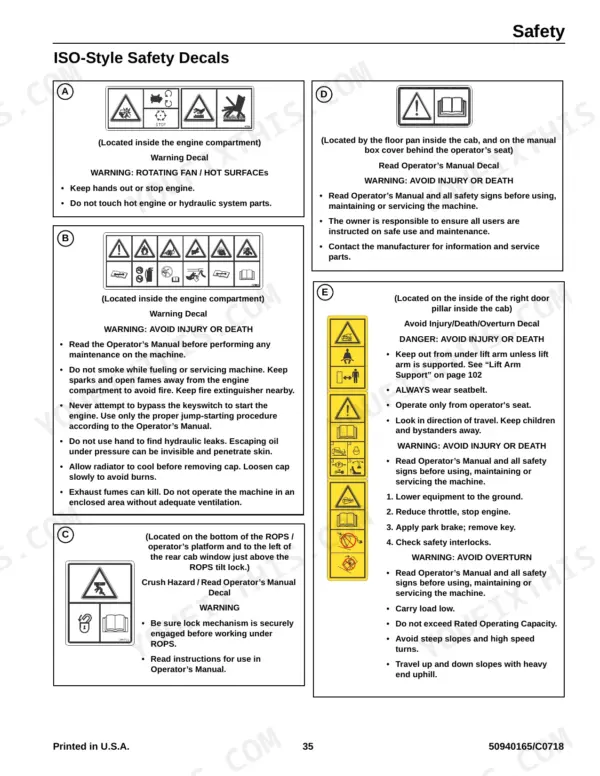
The manual is organized by system: introduction, safety, specifications, controls, operation, maintenance, engine removal and installation for each model, hydraulic equipment, hydraulic system tests, electrical and control systems, troubleshooting, schematics, and torque specifications. It covers DPF regeneration, multi function display error codes, pressure testing, and full component service.
Owners, independent mechanics, and restorers can download it instantly and print any section, so the right figures for whichever RT model and engine you own are ready at the bench.
What's Inside This Mustang 1750–2500 Manual
| System | Pages | Key Topics |
|---|---|---|
| Introduction | Safety Symbol, Manual Contents and Use, Component Identification, Vibration Information | |
| Specifications | Fluids/Lubricants Capacities, Dimensions, Payloads/Capacities, Engine Specs, Hydraulic System Specs, Track Drive | |
| Controls | Multi-Function Display Screens, Control Joysticks, Travel Speed Range Selection, Battery Disconnect Switch | |
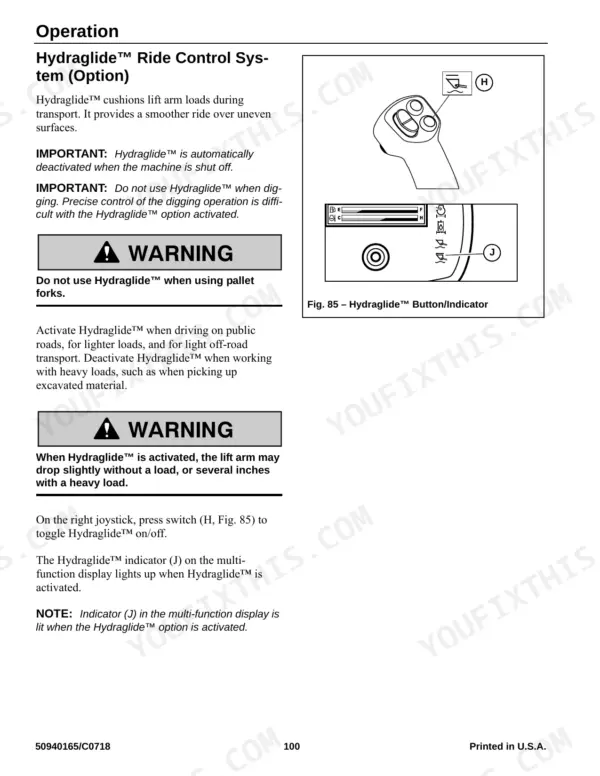
| Operation | Pre-Start Checks, Starting the Engine, DPF Regeneration Procedures, Travel Drive Operation, Lift Arm Operation, Loading and Transporting | |
| Maintenance | Maintenance Schedule, Engine Oil Change, Air Filter Replacement, Fuel System Maintenance, Hydraulic System Maintenance, Track Replacement, ROPS/FOPS Tilting | |
| Lift Arm and ROPS/FOPS | Lift Arm Alignment Stops, Tilt Stop Adjustment, Lift Arm Removal, ROPS/FOPS Installation | |
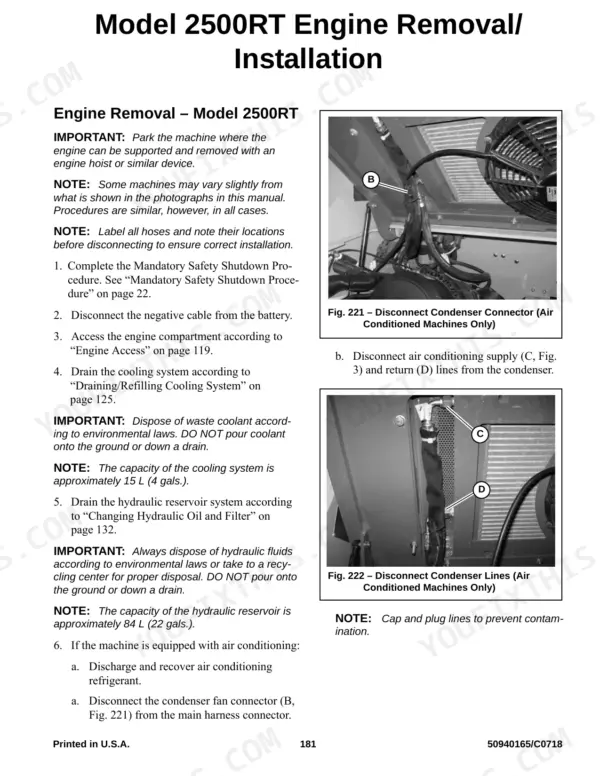
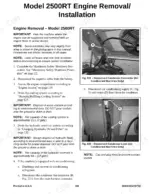
| Model 2500RT Engine Removal/Installation | Engine Removal Procedures, Engine Installation Procedures, Disconnecting Components | |
| Models 1750RT/2100RT Tier 4 Engine Removal/Installation | Tier 4 Engine Removal, Tier 4 Engine Installation, Fuel Tank Removal | |
| 1750RT/2100RT Interim Tier 4 Engine Removal/Installation | Interim Tier 4 Engine Removal, Interim Tier 4 Engine Installation, Turbocharger Intake Tube | |
| Hydraulic Equipment | General Service Notes, Travel Drive Motors, Hydrostatic Pump Removal, Hydraulic Cylinder Disassembly | |
| Hydraulic System Tests | Hydrostatic Charge Pressure Test, Main Relief Pressure Test, Tilt/Lift Cylinder Relief Pressure Tests, Cylinder Internal Leakage Tests | |
| Electrical/Control Systems | Power Distribution, Control Module Locations, CAN System Service/Computer Connection, Lighting | |
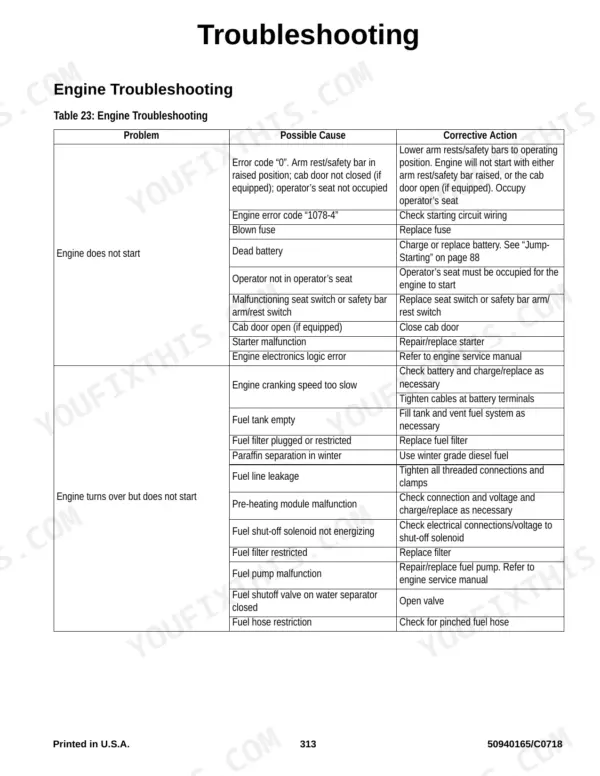
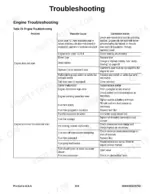
| Troubleshooting | Engine Troubleshooting, Hydraulic System Troubleshooting, Error Codes, Drive and Valve Error Codes | |
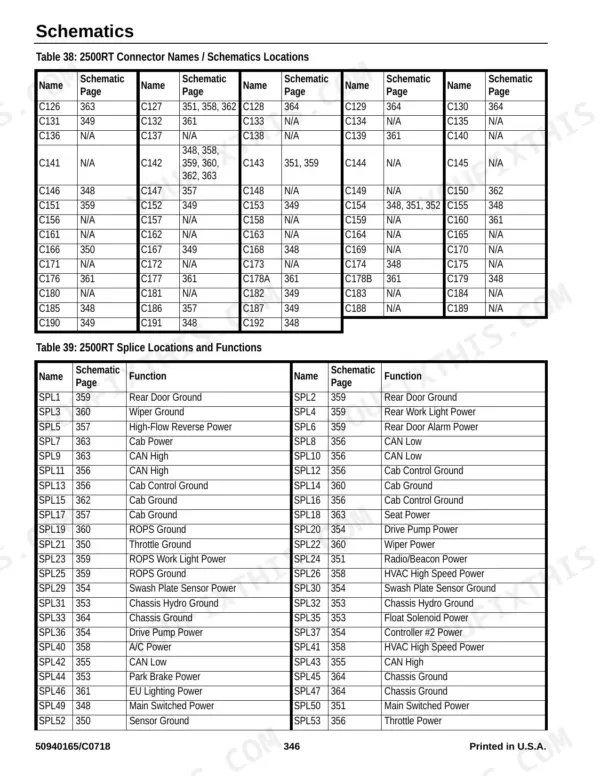
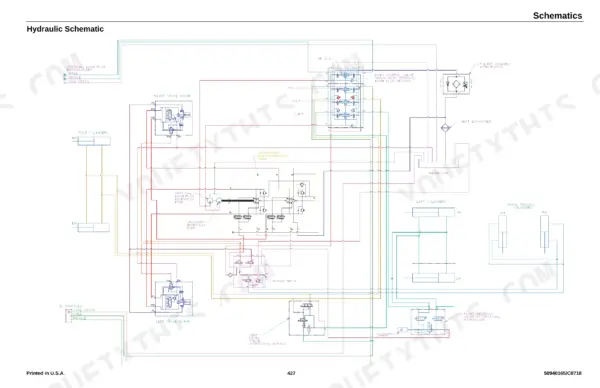
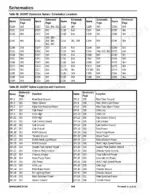
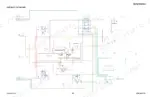
| Schematics | Schematic Conventions, Model 2500RT Schematics, Models 1750RT/2100RT Tier 4 Schematics, Hydraulic Schematic | |
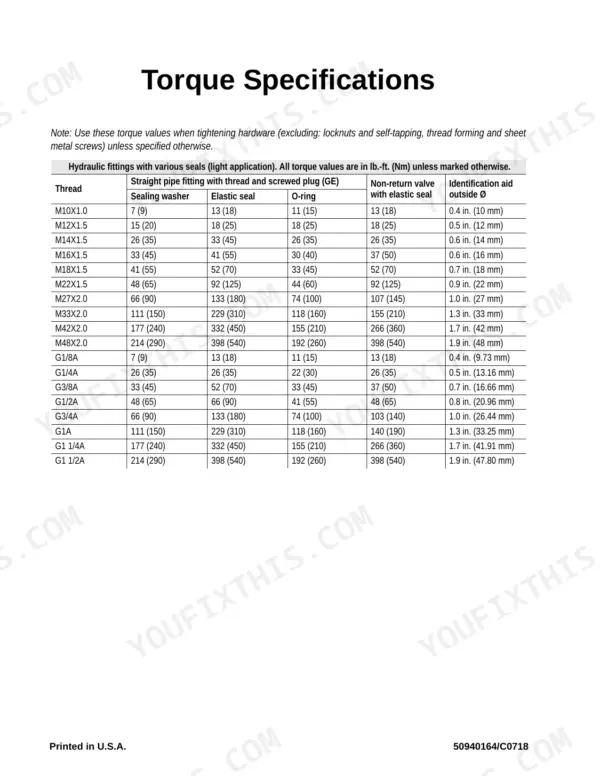
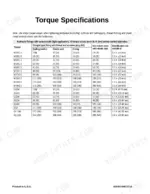
| Torque Specifications | Hydraulic Fittings Torque, Sae Torque Values |
Quick Reference Specifications
| Specification | Value | Page |
|---|---|---|
| All Models | ||
| Hydraulic oil filter replacement interval | first 50 hours, then every 500 hours or 1 year | p. 132 |
| Hydraulic oil return filter replacement interval | first 50 hours; every 500 hours thereafter | p. 117 |
| Engine air filter replacement interval (outer element) | every 250 hours of use, or every 6 months, or whenever restriction indicator is lit | p. 123 |
| Engine air filter replacement interval (inner element) | every third time the outer element is replaced | p. 123 |
| Fuel filter replacement interval (general) | annually, or after every 500 hours of use | p. 130 |
| Track tension adjustment | Automatically adjust | p. 95 |
| Hydraulic hose replacement interval | every six years from the date of manufacture | p. 134 |
| Hydraulic fittings torque (M10X1.0, sealing washer) | 7 lb.-ft. (9 Nm) | p. 437 |
| Battery Type | Maintenance-free | p. 46 |
| Tier 4 Engines (1750RT, 2100RT, 2500RT) | ||
| Fuel filter replacement interval (Tier 4 Engines, >15 ppm sulfur fuel) | 250 hours | p. 130 |
| 1750RT | ||
| Number of track rollers (1750RT) | 3 (per side) | p. 41 |
| 2100RT, 2500RT | ||
| Number of track rollers (2100RT, 2500RT) | 4 (per side) | p. 41 |
Mustang 1750–2500 Common Problems This Manual Covers
Engine cranks but will not run
A machine that turns over without starting usually points to a fuel delivery issue, an electrical interlock or safety circuit fault, or a controller problem. The Electrical and Control Systems coverage maps power distribution and control module locations for diagnosis.
Manual Section: Electrical/Control SystemsWeak or slow hydraulics under load
Lift and tilt functions that fade after warm up or stall under heavy load point to low or contaminated fluid, a clogged filter, or pump wear. The Hydraulic Equipment section covers the travel drive motors, hydrostatic pump, and cylinder service.
Manual Section: Hydraulic EquipmentTrack drive weak or pulls to one side
Uneven travel or a machine that will not track straight ties to track drive wear, tension, or a hydraulic imbalance. The Troubleshooting section walks through hydraulic system diagnosis and the drive and valve error codes.
Manual Section: TroubleshootingEngine overheats or derates
Rising temperature or a power derate during demanding work usually comes from a restricted cooling system, low coolant, or a dirty radiator and air intake. The Maintenance section covers the cooling and air filter service that prevents it.
Manual Section: MaintenanceFault lamp on or machine in limp mode
A warning lamp that stays on with reduced performance points to a controller fault, a failed sensor, or a wiring problem. The Troubleshooting section covers the error codes and the drive and valve code tables needed to pinpoint it.
Manual Section: TroubleshootingHydraulic whine or rising oil temperature
A whine from the hydraulics with quickly rising oil temperature suggests fluid aeration, a low level, a restricted suction line, or pump cavitation. The Hydraulic System Tests section provides the charge pressure and relief pressure test procedures.
Manual Section: Hydraulic System TestsFrequently Asked Questions
Which models does this manual cover?
It covers the Mustang 1750RT, 1750RT NXT2/3, 2100RT, 2100RT NXT2/3, 2500RT, and 2500RT NXT3 compact track loaders, part number 50940165, with Yanmar 4TNV98 variants and the Deutz TD3.6 L4 engine. The PDF runs 440 pages.
What are the torque specs for hydraulic fittings?
The Torque Specifications section lists hydraulic fitting values, for example an M18X1.5 elastic seal fitting at 52 lb.-ft. (70 Nm) and a G1/2A O-ring fitting at 41 lb.-ft. (55 Nm). p. 437
What are the battery specifications?
The battery is a maintenance free 12 V unit. The 1750RT uses group size 65 rated at 850 CCA, while the 2100RT and 2500RT use group size 31 rated at 950 CCA, with a minimum reserve capacity of 140 minutes. p. 46
How often should the hydraulic filter be changed?
The hydraulic oil filter is replaced at the first 50 hours, then every 500 hours or one year. Tier 4 engines running higher sulfur fuel move to a 250 hour fuel filter interval. p. 132
How quickly can I access this Mustang 1750RT & variants manual after buying?
Immediate download of the complete 440-page searchable Service Manual. Open it on any device: laptop at your desk or phone in the field.
Am I able to print pages from this Mustang 1750RT & variants manual?
Yes. Print the sections you need to take out to the shop for your own use. Standard letter or A4 paper works.
Are there hydraulic schematics in this Mustang 1750RT & variants manual?
Yes. The manual includes hydraulic circuit diagrams, system schematics, and component specifications with pressure ratings.



Reviews
There are no reviews yet.