
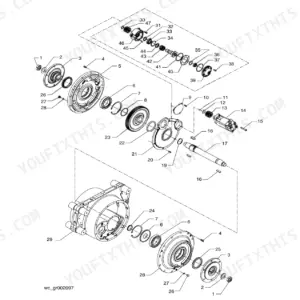
This is the Wacker RD11 repair manual, covering the RD11A, RD11V, and RD11AEC vibratory rollers built under item numbers 7693, 7694, and 7695. Depending on the machine it carries a Vanguard or Honda GX610 engine. Across 112 pages the manual is organized by system for practical shop repair.
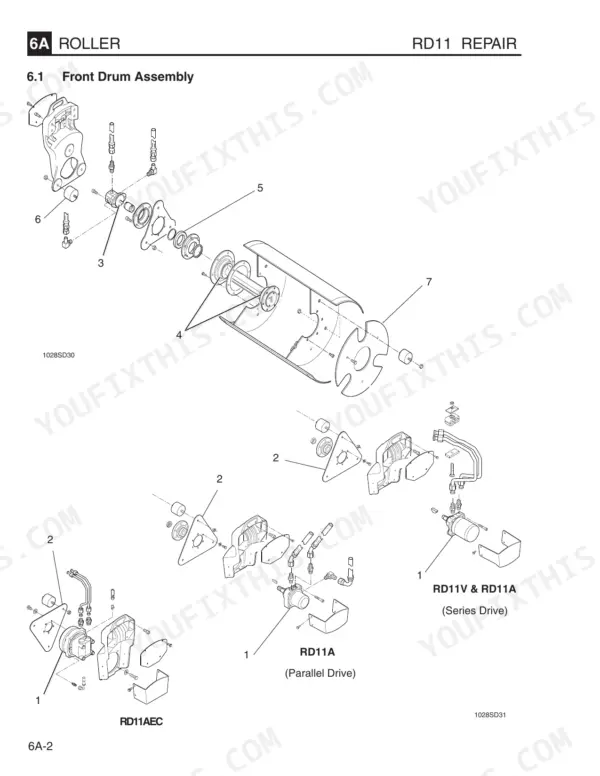
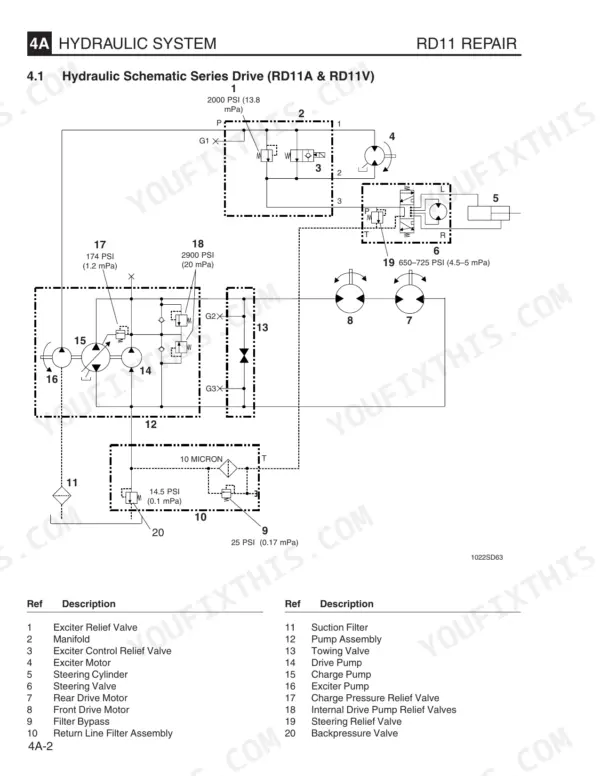
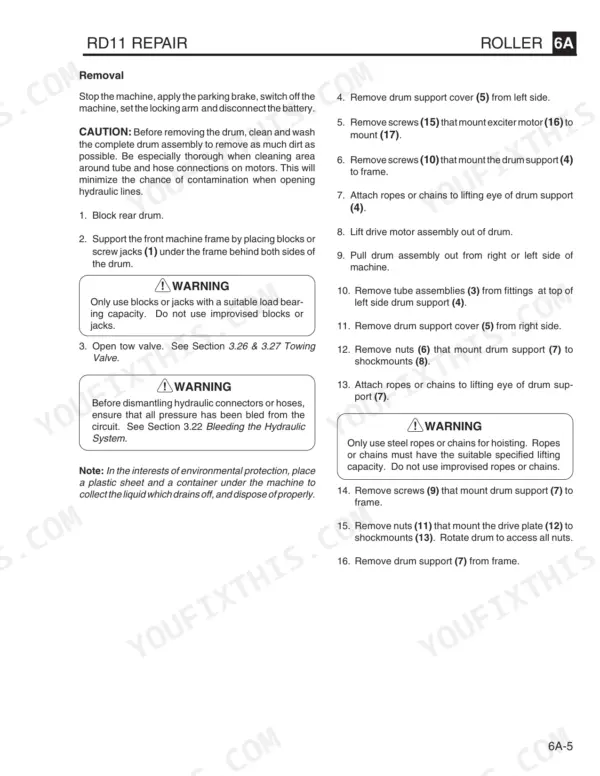
You get technical data and hydraulic pressures, operation and maintenance schedules, and detailed coverage of the hydraulic system with the series and parallel drive schematics, manifold blocks, and relief valves. The roller chapter documents the front and rear drum assemblies, the exciter, and the drive motors.
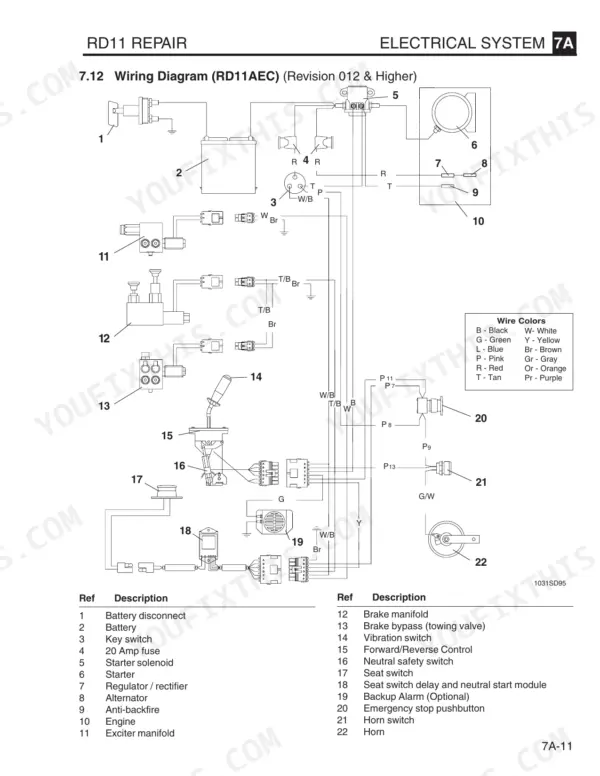
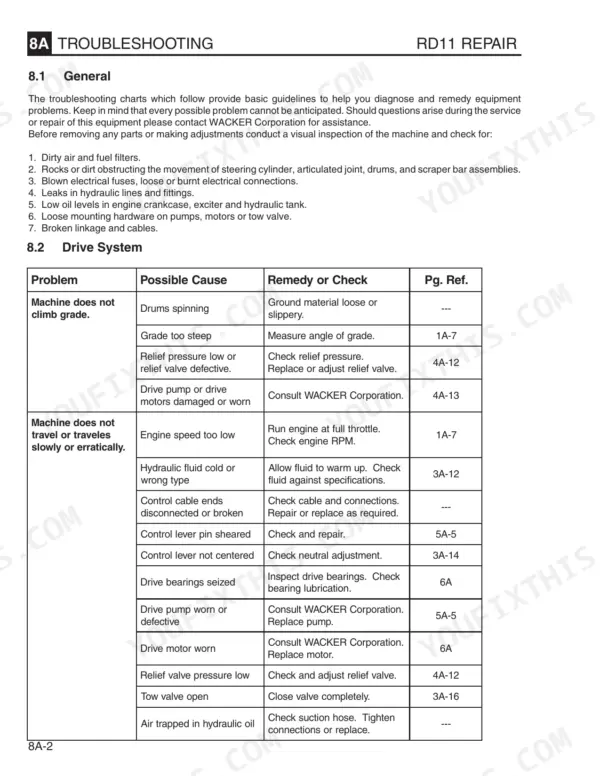
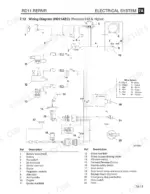
Electrical schematics, a troubleshooting chapter for the drive, vibration, steering, and starting systems, a threadlocker and sealant guide, and full metric and inch torque tables round it out. Whether you are chasing a vibration fault or rebuilding a drum, this is the reference for servicing an RD11 roller.
What's Inside This Wacker RD11A, RD11V, RD11AEC Repair Manual
| System | Pages | Key Topics |
|---|---|---|
| Nameplate | 4 | Model Number, Item Number, Revision, Serial Number |
| General | 5-12 | Safety Information, Application, Service Safety, Operating Safety, Operator Safety While Using Internal Combustion Engines, Sound and Vibration Measurements, Hydraulic Pressures |
| Operation | 13-22 | Operation & Service Locations, Before Starting, Starting, Braking Machine, Stopping/Parking, Direction and Speed, Vibration, Watering System |
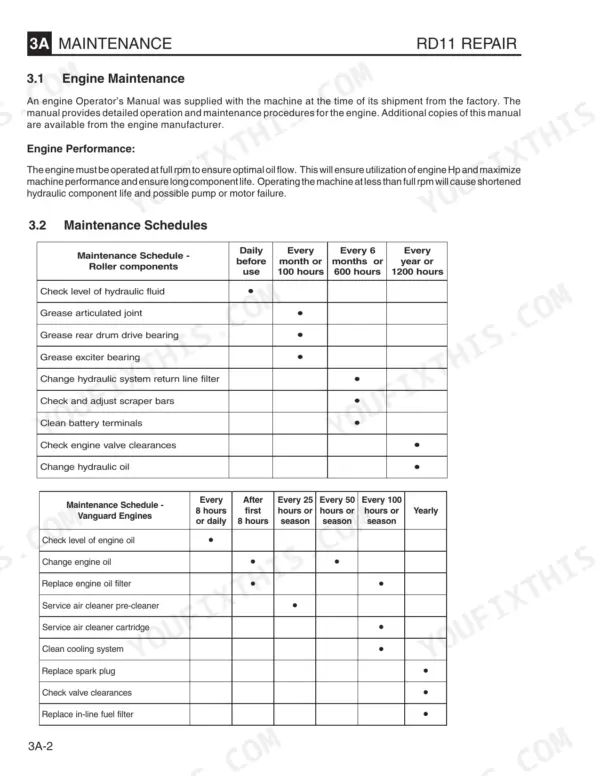
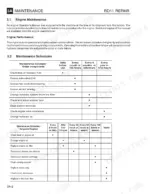
| Maintenance | 23-38 | Engine Maintenance, Maintenance Schedules, Fuel Filter, Oil Filter-Honda, Oil Filter-Vanguard, Engine Oil-Honda, Engine Oil-Vanguard, Spark Plug-Honda |
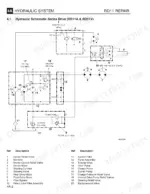
| Hydraulic System | 39-52 | Hydraulic Schematic Series Drive, Hydraulic Diagram Series Drive, Hydraulic Schematic Parallel Drive, Hydraulic Diagram Parallel Drive, Hydraulic Manifold Blocks, Relief Valves |
| Power Take-Off | 53-62 | Pump Assembly, Drive Pump, Exciter Pump, Engine, Drive Control Cable, Engine Speed Adjustment |
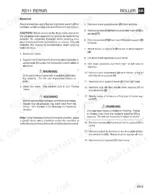
| Roller | 63-92 | Front Drum Assembly, Front Drum - Description, Front Drum, Exciter, Exciter Assembly, Front Drive Motor, Rear Drum Assembly, Rear Drum - Description |
| Electrical System | 93-104 | Neutral Safety Switch, Exciter Solenoid, Ignition Switch, Starter Solenoid, Electrical Schematic (RD11AEC) (Revision 011 & Lower) |
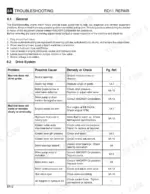
| Troubleshooting | 105-108 | Drive System, Vibration System, Steering System, Starting System |
| Use of Threadlockers and Sealants | 109 | Threadlocking Adhesives, Retaining Compounds, Hydraulic Sealants, Pipe Sealants, Form-In-Place Gaskets, Instant Adhesives |
| Torque Values | 110 | Metric Fasteners, Inch Fasteners, Wrench Size |
| Contact Information (Continued) | 111-112 | Deutschland, United Kingdom, ÖSterreich, United States, Canada, Mexico, Argentina, Brasil |
Quick Reference Specifications
| Specification | Value | Page |
|---|---|---|
| All Models | ||
| Main Fuse Rating | 20 Amp | p. 97 |
| Operating Speed | 3200 rpm | p. 11 |
| Fuel Capacity | 6.3 (24) gal. (l) | p. 11 |
| Water Tank Capacity | 40 (151) gal. (l) | p. 11 |
| Forward Relief Valve Pressure | 2900 (20) PSI (mPa) | p. 12 |
| Engine Crankcase Oil Capacity | 3.5 pts. (1.6 liters) | p. 12 |
| 7694 | ||
| Engine Power, 7694 | 16 (11.9) / 18 (13.4) Hp (kW) | p. 11 |
| Spark Plug Gap, 7694 | 0.030 (0.76) in. (mm) | p. 11 |
| 7693/7695 | ||
| Engine Power, 7693/7695 | 18 (13.4) Hp (kW) | p. 11 |
| Spark Plug Gap, 7693/7695 | 0.025–0.028 (0.6–0.7) in. (mm) | p. 11 |
Wacker RD11A, RD11V, RD11AEC Common Problems This Manual Covers
Vibration suddenly stops working
A common RD11 complaint is vibration that quits during use, often from a worn or broken part inside the exciter. The roller section documents the exciter and exciter assembly along with the front and rear drums so the fault can be traced and rebuilt.
Manual Section: Roller p. 63Engine will not start
A no start on the RD11 usually lives in the starting circuit: the 20A main fuse, starter solenoid, key switch, crank relay, or neutral safety switch. The electrical system section covers these components and the schematics needed to test them.
Manual Section: Electrical System p. 93Reduced travel speed or weak response
A machine that runs but travels slowly can be a throttle or drive control issue rather than a pump fault. The power take-off section covers the drive control cable, engine speed adjustment, and the drive and exciter pumps.
Manual Section: Power Take-Off p. 53Weak or erratic hydraulic drive
Loss of drive power or uneven travel points to the hydraulic circuit. The hydraulic system section gives the series and parallel drive schematics, manifold blocks, and relief valve settings needed to diagnose and set pressures.
Manual Section: Hydraulic System p. 39Hard starting after neglected service
Hard starting and rough running often follow missed engine service. The maintenance section covers the fuel filter, oil filter and engine oil for both the Honda and Vanguard engines, and the spark plug service.
Manual Section: Maintenance p. 23Fasteners loosening or stripped threads
Repairs that back out or leak often come from incorrect tightening. The torque values section provides the metric and inch fastener tables, and the threadlocker guide explains where retaining and sealing compounds belong.
Manual Section: Torque Values p. 110Frequently Asked Questions
Which models does this manual cover?
It covers the Wacker RD11A, RD11V, and RD11AEC vibratory rollers, built under serial or item numbers 7693, 7694, and 7695. Depending on the machine the engine is a Vanguard or a Honda GX610.
Does it include torque specifications?
Yes. The torque values section provides tables for both metric (DIN) and inch (SAE) fasteners, with the matching wrench sizes. p. 110
What are the hydraulic pressures?
The hydraulic system section documents the drive circuit relief settings, with the forward relief and drive circuit reliefs preset at 2900 psi (20 mPa), plus the schematics and manifold blocks. p. 39
How is this Wacker RD11A Repair Manual delivered?
A 112-page Repair Manual in searchable PDF format (4 MB), available the moment you complete checkout. View on computer, tablet, or phone, with no shipping wait.
Can I print just the pages I need from this Wacker RD11A manual?
Yes. Print individual pages or full chapters for your own shop use, on letter or A4 paper.
Can I trace hydraulic lines with this Wacker RD11A manual?
Yes, complete hydraulic schematics with flow diagrams, valve configurations, and pressure specifications are included.


Reviews
There are no reviews yet.