
Part of the John Deere Repair Manuals.
All 328 pages of this John Deere 332 Skid Steer Loader and CT332 Compact Track Loader Technical Manual (TM2212) deliver factory-spec teardown and rebuild coverage for both machines. Inside: hydraulic schematics tracing every circuit from the hydrostatic pump through the control valve, exploded views of track rollers, drive sprockets, and chain cases, plus torque tables covering unified inch and metric fasteners. You also get full procedures for the PowerTech 2.4L and 3.0L diesel engines, cab and A/C system service, and the complete loader hydraulic system from boom link to bucket cylinder. Set charge pressure to 1965 kPa (285 psi) on standard controls or 2758 kPa (400 psi) on EH controls; upper boom link pin cap screws torque to 320 N·m (236 lb-ft). No more hunting forum threads when your machine is down. Bookmarked and searchable; open it on your tablet and start wrenching.
What's Inside This John Deere 332, CT332 Manual
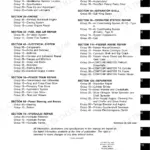
| System | Pages | Key Topics |
|---|---|---|
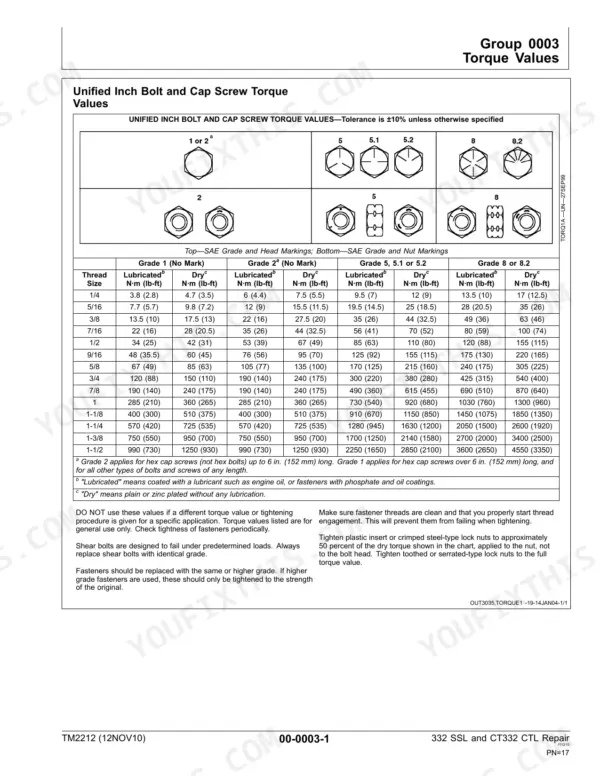
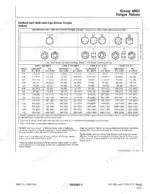
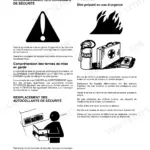
| General Information | 5-28 | Safety, Torque Values, Unified Inch Bolt and Cap Screw, Metric Bolt and Cap Screw |
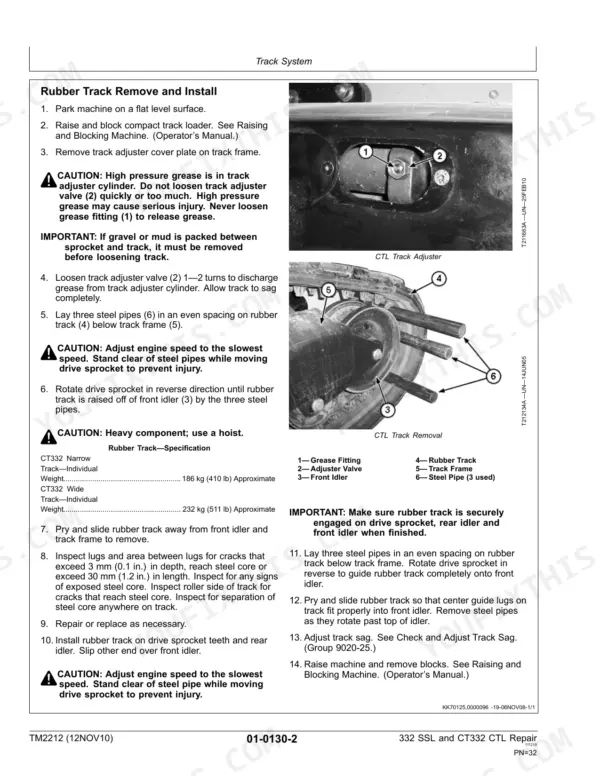
| Tracks | 29-46 | Rubber Track, Track Roller, Drive Sprocket, Front or Rear Idler, Track Adjuster, Recoil Spring |
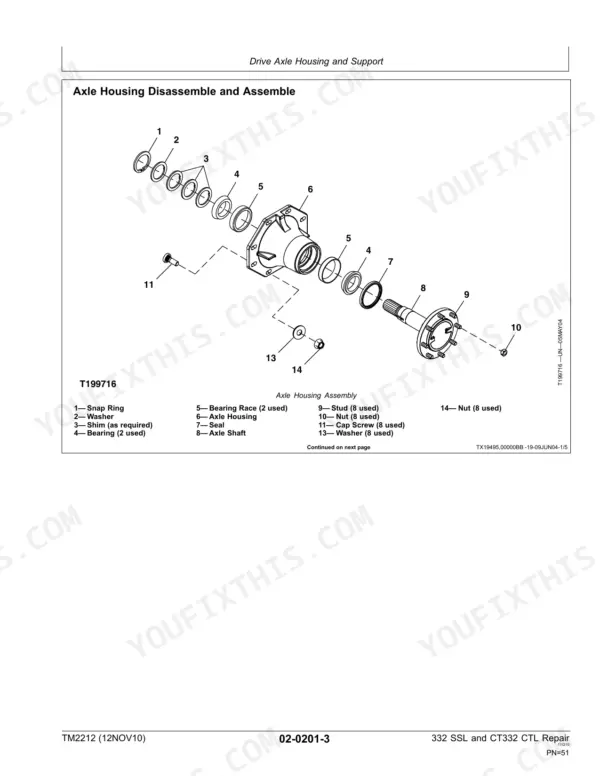
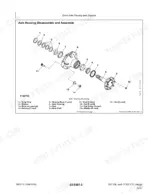
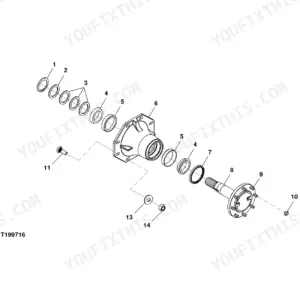
| Axles and Suspension | 47-56 | Axle Housing, Chain Case Access Plate, Drive Chain, Sprocket |
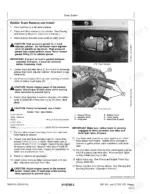
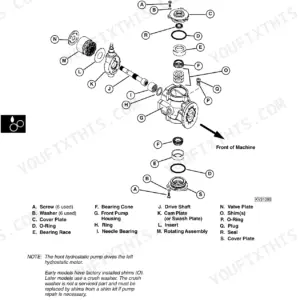
| Transmission | 57-152 | Steering Dampener, Steering Lever, Hub Coupler, Hydrostatic Motor, Hydrostatic Pump, Park Brake Solenoid Valve |
| Engine | 153-164 | Powertech™ 2.4 L & 3.0 L Diesel Engines, Alternator |
| Engine Auxiliary Systems | 165-176 | Radiator, Charge Air Cooler, Fan, Engine Speed Control Linkage, Fuel Tank, Fuel Level Sensor |
| Frame or Supporting Structure | 177-180 | Welding on Machine, Welding Repair of Major Structure |
| Operator's Station | 181-202 | Cab, Cab Door, Seat, Seat Belt, Air Conditioning System, Refrigerant |
| Sheet Metal and Styling | 203-206 | Hood, Engine Enclosure, Rear Door |
| Loader | 207-312 | Quik-Tatch Coupler, Pedal Assembly, Boom Link, Control Valve, Boom Cylinder, Bucket Cylinder |
| Dealer Fabricated Tools | 313-328 | DFT1101 Cab and ROPS Lift Bracket, DFT1245 Engine Lifting Bracket, ST4920 Track Recoil Spring Disassembly and Assembly Tool |
Quick Reference Specifications
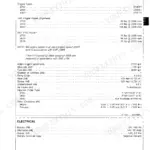
| Specification | Value | Page |
|---|---|---|
| All Models | ||
| Charge Pressure Relief Valve—Standard Controls—Pressure | 1965 kPa (19.6 bar) (285 psi) | p. 69 |
| Charge Pressure Relief Valve—EH Controls—Pressure | 2758 kPa (27.6 bar) (400 psi) | p. 69 |
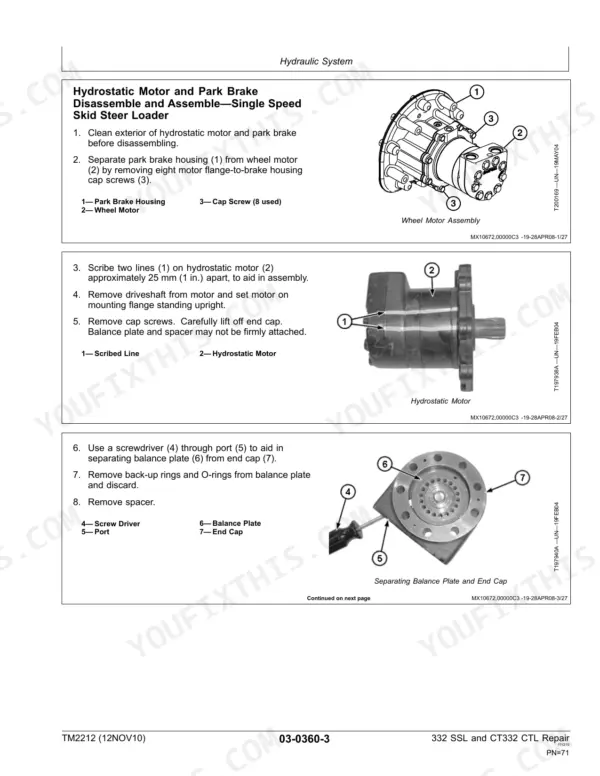
| Motor Flange-To-Brake Housing Cap Screws—Torque | 70 N·m (52 lb-ft) | p. 162 |
| Upper Boom Link—Upper Pin Cap Screw—Torque | 320 N·m (236 lb-ft) | p. 221 |
| Upper Boom Link—Lower Pin Cap Screw—Torque | 320 N·m (236 lb-ft) | p. 221 |
| Hydraulic Oil Filter Manifold Cap Screw—Torque | 37 N·m (27 lb-ft) | p. 310 |
| Hydraulic Oil Filter Restriction Switch—Torque | 2.7—5.4 N·m (24—48 lb-in.) | p. 310 |
| Track Roller Weight | 26.3 kg | p. 33 |
| Hub Coupler to Pump Gap | 6 mm | p. 67 |
| CT332 Compact Track Loader | ||
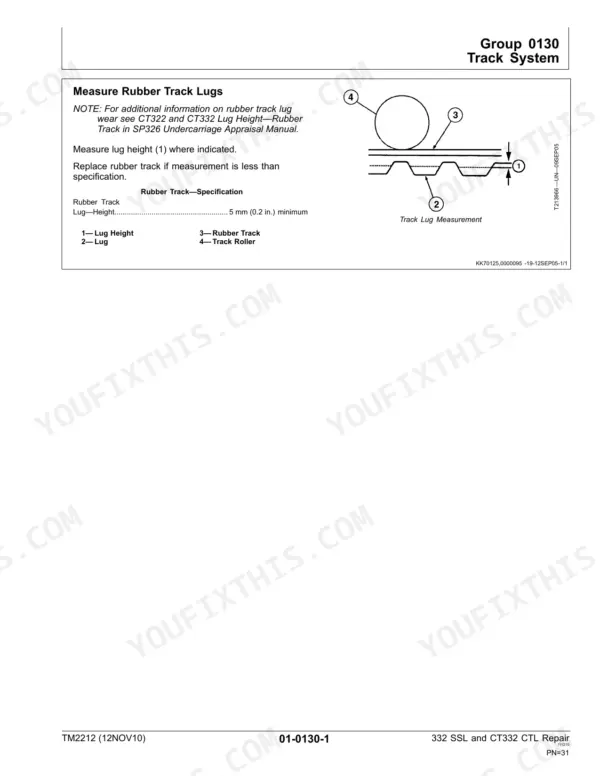
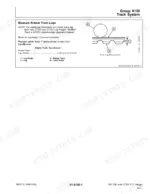
| Rubber Track Lug Height Minimum | 5 mm | p. 31 |
| CT332 Narrow Track Individual Weight | 186 kg | p. 32 |
| 332 Skid Steer Loader | ||
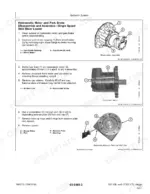
| Hydrostatic Motor Weight | 75 kg | p. 70 |
John Deere 332, CT332 Common Problems This Manual Covers
Hydrostatic transmission loses power in both directions or machine drifts and won't track straight
Check hydrostatic charge pressure at the test port with a calibrated gauge. Standard Controls must read 1965 kPa (285 psi); EH Controls must read 2758 kPa (400 psi) per page 69. Low pressure points to a worn charge pump or plugged filter. Follow the Hydrostatic and Hydraulic Start-Up Procedure on page 69 to purge air from the system first.
Manual Section: Transmission p. 69Compact track loader rubber track slipping off sprocket or drive performance drops on soft ground
Measure lug height across the full track width. Minimum acceptable lug height is 5 mm per page 31; replace any track worn below this threshold. Inspect drive sprocket teeth for hook wear that accelerates track degradation, and check metal face seals on rollers for leakage while the track is removed.
Manual Section: Tracks p. 31Auxiliary hydraulics lose power intermittently or high flow attachment stops working mid-cycle
Replace the auxiliary hydraulic filter first: clogged filters are the leading cause of high flow faults. Torque the filter manifold cap screws to 37 N·m (27 lb-ft) and the restriction switch to 2.7-5.4 N·m (24-48 lb-in.) per page 310. If flow still drops, inspect the high flow solenoid for wear or contamination in Section 31.
Manual Section: Section 31 p. 310Loader boom pins and bushings worn, excessive slop in lift arms makes bucket control imprecise
Inspect all boom link pins and bushings for wear before pressing in replacements. Torque upper boom link pin cap screws at both upper and lower positions to 320 N·m (236 lb-ft) per page 221. Worn bushings are usually the root cause; measure bore diameter against the service limit before condemning the pin itself.
Manual Section: Loader p. 221Frequently Asked Questions
What are the replacement specifications for Final drive motor?
The hydrostatic motor, which functions as the final drive motor, has a weight specification of 75 kg (165 lb). This information is provided in the context of its removal and installation during maintenance procedures. p. 70
What are the replacement specifications for Loader arm pins and bushings?
For the loader arm (boom) pins, the torque specifications for the upper pin cap screw and the lower pin cap screw are both 320 Nm (236 lb-ft). The manual indicates that bushings should be inspected and replaced as necessary, but does not provide specific replacement dimensions for them. p. 221
How do you fix john Deere 332 won't start and is completely dead, or key fuse keeps blowing at ignition?
Inspect the seat safety switch connector under the seat for corrosion or loose pins; this is the most common no-start cause. Verify hydraulic oil is at the correct level (tank capacity 33.1 L, page 114). Then trace the auxiliary hydraulic wiring harness for chafe points rubbing the frame: a shorted harness blows the key fuse and kills all ignition power. p. 181
How do you fix final drive motor leaking oil or one wheel loses drive power under load?
Remove the motor from the brake housing and inspect internal seals for wear or damage. Before reinstalling, torque the motor flange-to-brake housing cap screws to 70 N·m (52 lb-ft) per page 162. Infrequent gear oil changes are the primary accelerant of seal wear on high-hour machines; change drive fluid at the manufacturer-specified interval. p. 162
Is this John Deere 332 Skid Steer Loader manual a PDF I download?
You get a 328-page searchable PDF that downloads instantly after checkout. Open it on your laptop, tablet, or phone, and bring it right to the shop floor.
Can I print this John Deere 332 Skid Steer Loader manual?
Yes. Print the pages or sections you need for your own shop use. Any standard printer works.
Can I find hydraulic circuit diagrams in this John Deere manual?
Yes, a hydraulic system diagram is included showing the main circuit layout.







Reviews
There are no reviews yet.