
![International 444 Tractor, International 444 Tractor... [list], gearshift pattern diagram, driving and starting procedures.](https://youfixthis.com/wp-content/uploads/2026/06/international-444-tractor-tractor-operator-manual-1082661r2-operations-11-600x776.webp "international-444-tractor-tractor-operator-manual-1082661r2-operations-11.webp")
![International 444 Tractor, International 444 Tractor... [list], gearshift pattern diagram, driving and starting procedures.](https://youfixthis.com/wp-content/uploads/2026/06/international-444-tractor-tractor-operator-manual-1082661r2-operations-11-150x194.webp "international-444-tractor-tractor-operator-manual-1082661r2-operations-11.webp")
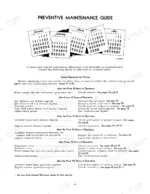
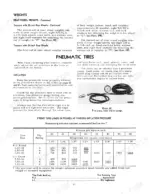
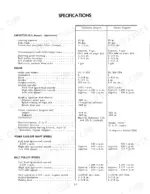
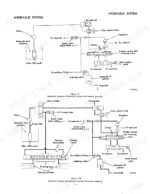
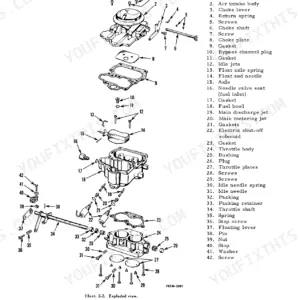
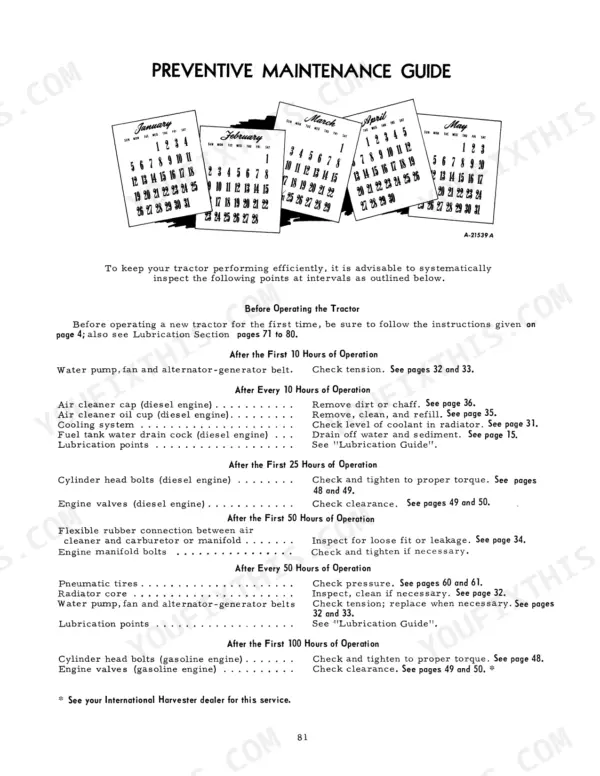
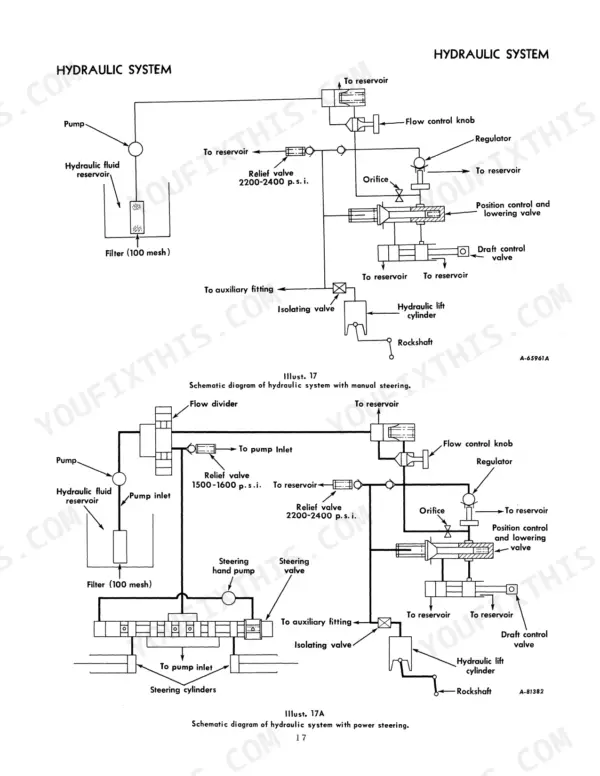
Need the factory operator guide for your International 300, 444, or one of the related model variants? This 96-page manual (OEM #1082661R2) is the official IH operator reference covering instruments, hydraulics, maintenance intervals, and daily procedures across the full tractor family. Inside you get hydraulic schematics for the pump, relief valve, and three-point hitch circuit, plus wiring diagrams covering the complete electrical system from key switch to alternator-generator. A full troubleshooting section walks through hard-start conditions, overheating, and excessive oil consumption, with the Preventive Maintenance Guide and lubrication table included for daily use. On the gasoline side, set fan belt deflection to 5/8 inch under a 25-pound load; diesel owners move the adjusting pulley to 3/8 inch deflection. Your machine is down. Get the IH answer from the factory page, not a forum post. Bookmarked and keyword-searchable; pull it up on your phone and get back to the field.
What's Inside This International 444 Operator Manual
| System | Pages | Key Topics |
|---|---|---|
| Introduction & Instruments/Controls | 7-8 | Speedometer-Tachometer, Fuel Gauge, Gear Shift Lever, Clutch Pedal, Brake Pedals, Differential Lock Pedal, Optional Equipment, Accessories |
| Before Operating & Driving the Tractor | 9-13 | Break-In Procedure, Seat Adjustment, Safety Starting Switch, Engine Starting, Brake Locking, Differential Lock, Air Cleaning System, Engine Cooling System |
| Gasoline & Diesel Engine Fuel Systems | 14-20 | Carburetor, Solenoid Fuel Shut-Off Valve, Fuel Strainer, Sediment Bowl, Fuel Filter, Fuel System Venting, Fuel Specification Requirements, Exhaust Smoke Table |
| Hydraulic System & Three-Point Hitch | 21-33 | Hydraulic Pump, Relief Valve, Power Steering System, Position Control, Draft Control, Three-Point Hitch Drawbar, Lower Link Hitch Points, Stabilizers, Weight Transfer Hitch, Auxiliary Valves and Remote Cylinders, Swinging Drawbar |
| Power Take-Off & Belt Pulley/Cooling | 34-38 | Power Take-Off Shifter Lever, Two-Stage Clutch Pedal, Belt Pulley Unit, Temperature Gauge, Water Pump, Fan |
| Air Cleaning & Electrical System | 39-52 | Dry-Type Air Cleaner, Air Cleaner Element, Oil-Bath Air Cleaner, Cylinder Head Breather Cap, Key Switch, Spark Plugs and Cables, Distributor and Coil Unit, Alternator-Generator and Regulator, Battery |
| Engine Service, Wheels & Weights | 53-64 | Cylinder Head Gasket, Crankshaft Bearings, Pistons, Rings, Valve Clearance Adjustment, Governor Linkage Adjustments, Tread Widths, Toe-In, Disc Wheels, Front Bolster Weights, Rear Wheel Weights |
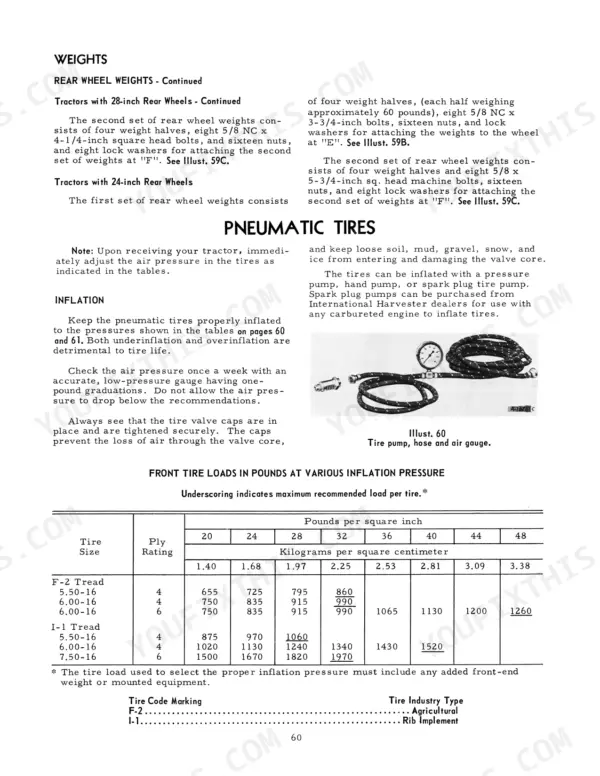
| Tires, Brakes, Clutch & Storage | 65-68 | Inflation, Mounting Tires, Tire Chains, Tire Loads, Brakes, Engine Clutch, Storing the Tractor |
| Cold Weather Precautions & Trouble Shooting | 69-75 | Antifreeze Solutions, Draining and Refilling the Cooling System, Hard to Start, Engine Operates Irregularly or Knocks, Oil Dilution, Using Too Much Fuel, Engine Stops, Engine Overheats |
| Lubrication & Preventive Maintenance | 76-87 | Oil Filler and Level Gauge, Oil Pump, Engine Oil, Gear Lubricant, Oil Filter, Lubrication Fitting Grease, Water Pump Fan and Alternator-Generator Belt, Cylinder Head Bolts, Engine Valves |
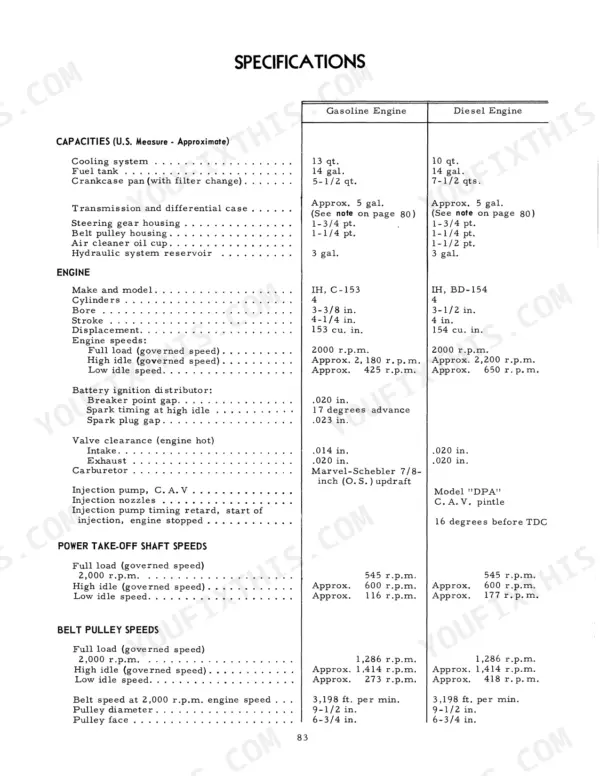
| Specifications & Optional Equipment | 88-90 | Engine, Power Take-Off Shaft Speeds, Electrical System, Wheels and Tread, General Dimensions, Adjustable Check Links, Auxiliary Hydraulic Valves, Belt Pulley, Hydraulic Remote Control, Weight Transfer Hitch |
Quick Reference Specifications
| Specification | Value | Page |
|---|---|---|
| Fan belt tension adjustment procedure | For Gasoline Engine: Loosen the alternator-generator mounting bolt and alternator-generator brace bolt. Move the alternator-generator away from the engine until the tension of the belt is correct (5/8 inch deflection with a 25-pound load). Retighten the bolts. For Diesel Engine: Loosen the fan belt adjusting pulley brace cap screw, at the left side of the engine (Illust. 31A) and move the pulley out to obtain the correct belt tension (3/8 inch deflection). Then tighten the cap screw. | p. 37 |
International 444 Common Problems This Manual Covers
International 444 tractor engine cranks but won't fire up in cold morning temperatures
Check the glow plug operation before cranking: turn the key to preheat and wait for the indicator to cycle before starting. Review the diesel cold-start procedure on page 17 and the cold weather precautions on page 69. Verify the battery is fully charged, as a weak battery loses significant cranking power below 40°F. If the engine still cranks sluggishly, inspect battery cable connections for corrosion and clean them.
Manual Section: Diesel Engine and Fuel System p. 17Charging system warning light stays on after engine reaches operating speed
Check the fan belt first: on diesel models, correct tension is 3/8 inch deflection; on gasoline models, 5/8 inch deflection with a 25-pound load (page 37). A slipping belt is the most common reason the alternator-generator undercharges. If belt tension is correct, refer to the electrical troubleshooting chart on page 73 and inspect the alternator-generator connections for loose or corroded terminals.
Manual Section: Electrical System p. 42Brakes dragging or one side grabbing, tractor pulling hard to one side while driving
Inspect both brake pedals for equal free travel before adjusting. Refer to the brake adjustment procedure on page 66 and the troubleshooting chart on page 74. Verify the brake linkage moves freely and returns fully when the pedal is released. Check for a stuck actuator plate by pressing and releasing each brake pedal individually. If one brake stays engaged, the return spring may be broken and the brake assembly needs inspection before further field operation.
Manual Section: Brakes p. 66Engine overheating, temperature gauge climbing into red zone during field work
Stop immediately and let the engine idle; never open the radiator cap on a hot engine. Check coolant level in the radiator and inspect the fan belt for slipping or breakage (3/8 inch deflection on diesel, 5/8 inch on gasoline, per page 37). Clean debris from the radiator core and verify the temperature gauge is reading accurately using the cooling system guidance on page 35. Consult the overheating troubleshooting column on page 71 for additional causes including thermostat and water pump.
Manual Section: Belt Pulley and Cooling System p. 35Three-point hitch won't lift implement to full height or drops slowly under load
Verify hydraulic fluid level is correct by checking the reservoir as described on page 21. Confirm the flow control valve and isolating valve handwheel are in the correct operating position for your implement, as described on page 23. Check the hydraulic troubleshooting column on page 74 for unsteady pressure and lift failure causes. If the pump sounds noisy, shut down and inspect fluid level before continuing operation to avoid running the pump dry.
Manual Section: Hydraulic Controls for Three-Point Hitch p. 23Engine hard to start after sitting unused for several weeks or through winter storage
Follow the pre-operating checklist on page 9 before attempting to start after storage. Check the fuel strainer and sediment bowl for water or debris accumulation as covered on page 14 for gasoline models or page 17 for diesel. Verify engine oil is at the correct level on the dipstick and the air cleaner is clean per page 39. On diesel models, vent the fuel system after prolonged storage before cranking to avoid extended no-start cranking that can wear the starter.
Manual Section: Befor Operating the Tractor p. 9Frequently Asked Questions
What are the torque specs for the engine bolts?
For gasoline engines, the cylinder head bolts should be tightened to 80 to 90 foot-pounds torque. For diesel engines, the cylinder head bolts should be tightened to 75 to 80 foot-pounds torque. Spark plugs should be torqued to 34 foot-pounds. p. 48
Is this International 444 Tractor manual a PDF I download?
Instant PDF download (22 MB). You get the full 96-page searchable Operator Manual immediately after payment. Open it on your laptop, tablet, or phone right in the shop.
Am I able to print pages from this International 444 Tractor manual?
Yes, print as many copies as you want, and there are no restrictions. Many mechanics print the section they need and bring it to the shop floor.
Does this International 444 Tractor manual include wiring diagrams?
Included. The International 444 Tractor, International 444 Tractor, A, AV, B, BN, C, H, HV, M, MV, O, OS, W, WR, 70, 86, 100, 130, 140, 200, 230, 240, 300, 330, 340, 350, 400, 404, 424, 444, 450, 460, 504, F-544, 560, 600, 606, 650, F-656, 660, 666, 686, 706, 756, 766, 806, 826, 856, 2404, 2424, 2444, 2504, 2544, 2606, 2706, 2756, 2806, 2826, 2856, B-275, B-276, I-284, I-354, B-414, I-434, I-544, I-656, I-2656 Operator Manual provides a wiring diagram for the electrical system.



Reviews
There are no reviews yet.