
This is the Kubota M96S, M108S and M96SDTM tractor Workshop Manual (publication 9Y111-00328), a 708-page PDF for mechanics servicing these utility tractors and their V3800 diesels. It splits every system into a mechanism chapter and a servicing chapter, then adds supplements for the M96SDTM variant.
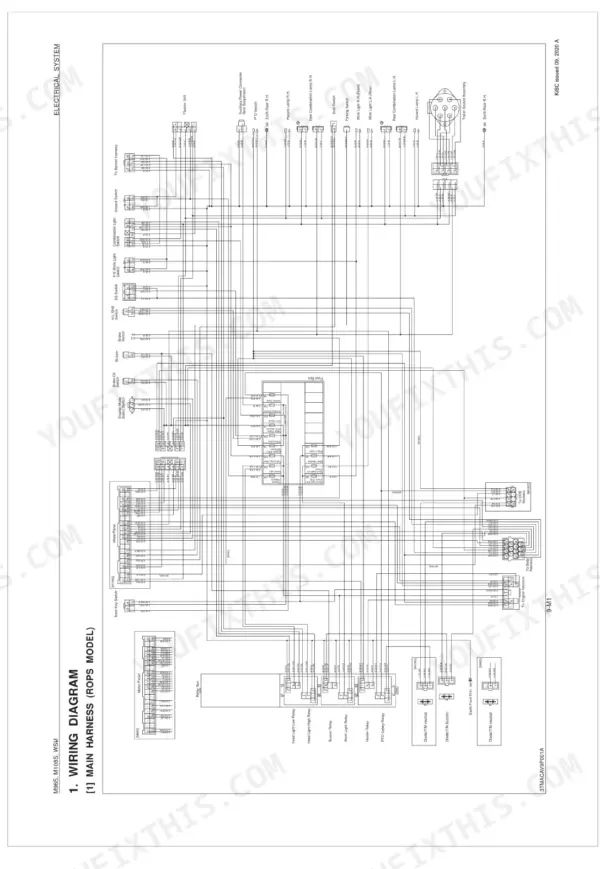
System coverage runs the length of the tractor: the engine mechanism and servicing, clutch, shuttle-shift transmission, rear axle, brakes, front axle, steering, the hydraulic and position-control system, the electrical system with full wiring diagrams, and the cab air conditioning. Dedicated supplement sections carry the M96SDTM transmission, axle, and electrical differences.
With it you can follow troubleshooting charts, set servicing specifications and tightening torques, service the shuttle valve and PTO clutch, trace the harnesses on the wiring diagram, and work the refrigerant cycle. It is a downloadable, printable PDF for the bench, a laptop or a phone.
What's Inside This Kubota M96S, M108S, M96SDTM Manual
| System | Pages | Key Topics |
|---|---|---|
| General & Machine Identification | 27-113 | General Information, Tractor Identification, Handling Precautions for Electrical Parts and Wiring, Battery, Fuse, Connector, Circuit Tester, Lubricants, Fuel and Coolant |
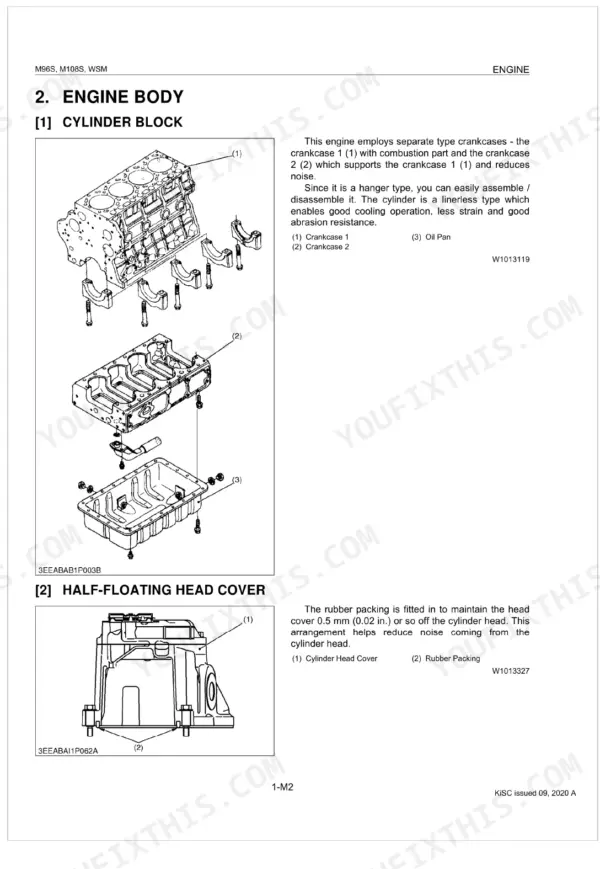
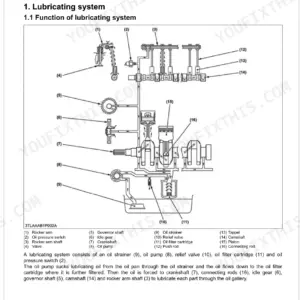
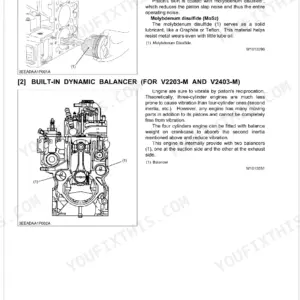
| Engine | 114-259 | Cylinder Block, Half-Floating Head Cover, Cylinder Head, Center Direct Injection System, Piston, Built-In Dynamic Balancer, Oil Cooler, V3800-Cr-Ti Checking and Adjusting, V3800-Di-Ti Checking and Adjusting, Disassembling and Assembling |
| Clutch | 260-294 | Traveling Clutch, PTO Clutch, PTO Valve, Accumulator, Damper Disc, Propeller Shaft, Differential Lock Spring, Fuel Hoses, Throttle Cable, Air Condenser |
| Transmission | 295-381 | Shuttle Shift Mechanism, Regulator Valve, Hydraulic Shuttle Valve, Shuttle Lever, Main Gear Shift, Range Shift Lever, Front Wheel Drive Lever, Shuttle Case, Speed Change Cover |
| Rear Axle | 382-398 | Final Reduction System, ROPS Upper Frame, Rear Wheel, 3-Points Hitch, Fuel Tank, Fender, ROPS Lower Frame, Cabin Mount Bracket Rear |
| Brakes | 399-422 | Brake System Diagram, Brake Pedal, Master Cylinder, Equalizer, Brake Case, Parking Brake Lever, Brake Piston, Brake Disc, Plate |
| Front Axle | 423-454 | Front Axle 2-Wheel Drive Type, 4-Wheel Drive Type, Front Wheels, Propeller Shaft, Front Differential Case, Front Axle Gear Case, Knuckle Shaft, Steering Cylinder, Tie-Rod |
| Steering | 455-474 | Hydraulic Pump, Regulator Valve, Steering Controller, Steering Cylinder, Relief Valve, Gerotor, Grand Seal, Needle Bearing |
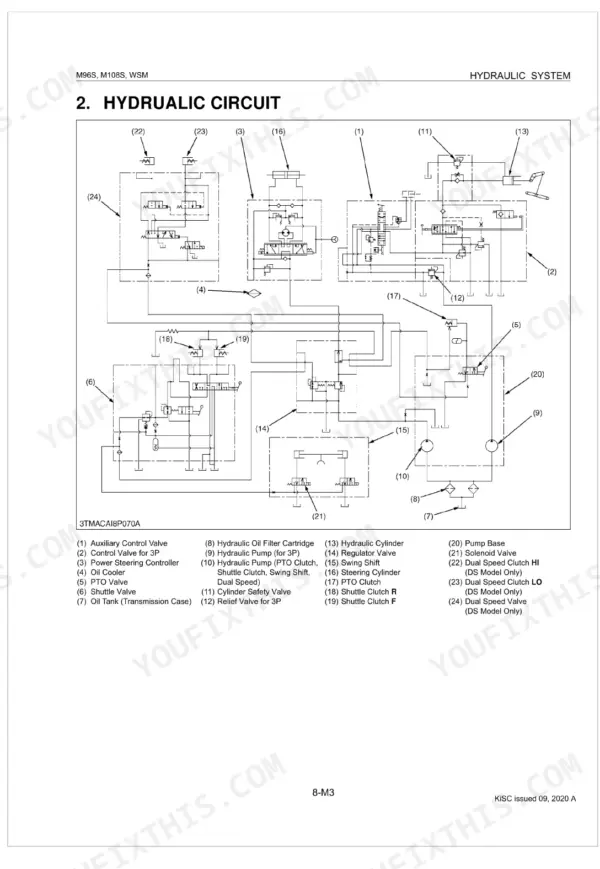
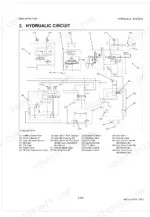
| Hydraulic System | 475-511 | Hydraulic Circuit, Control Valve, Position Control, Three-Point Hitch System, Three-Point Hitch Control Linkage, Auxiliary Control Valve Wire, Relief Valve, Cylinder Safety Valve, Hydraulic Cylinder |
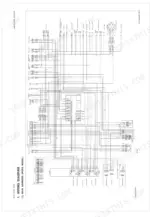
| Electrical System | 512-580 | Wiring Diagram (Main Harness, Engine Harness, Crs Harness, Body Harness, Bonnet Harness, Cabin Harness), Battery and Fuse, Main Switch, Air Heater, Starter Motor, Engine Stop Solenoid, Alternator, Meter Panel, Lighting Switch and Flasher Unit |
| Cabin & Air Conditioning | 581-643 | Air Conditioning System, Compressor, Air Flow, Air Control Vent, Control Panel, Refrigerant Cycle, Manifold Gauge, Discharging Evacuating and Charging |
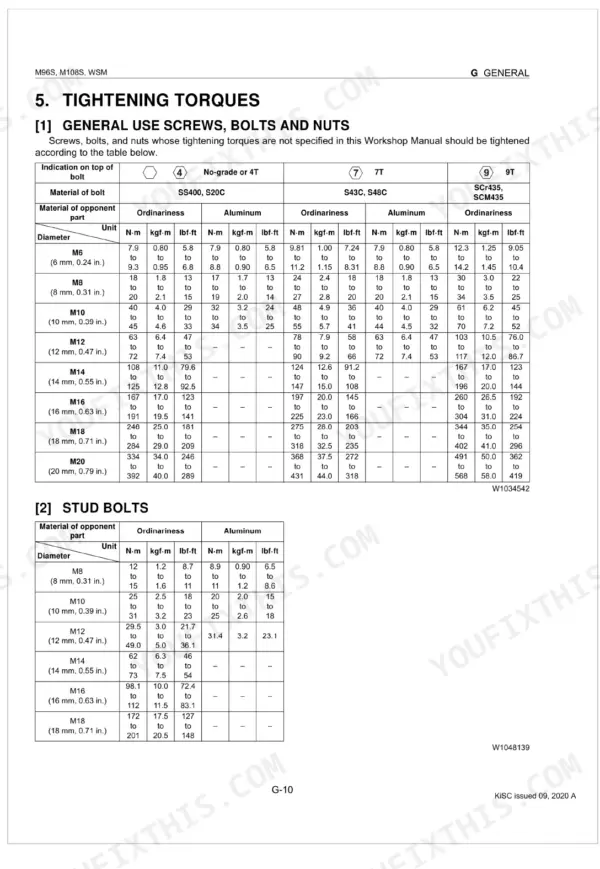
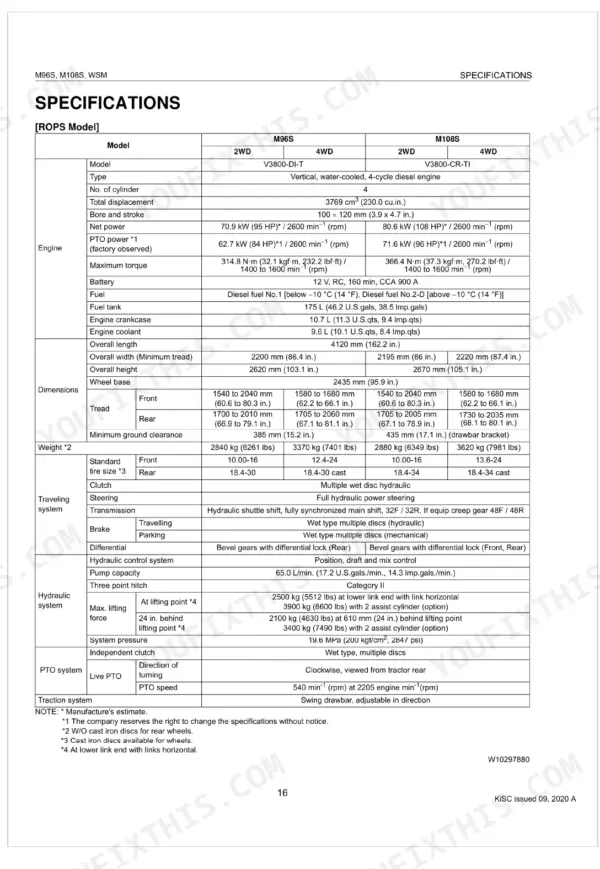
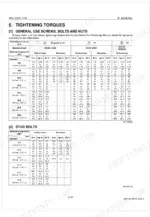
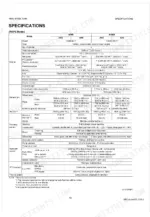
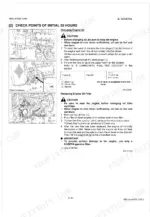
| Specifications & Maintenance | 644-674 | Safety Decals, Specifications, Traveling Speeds, Dimensions, Lubricants, Fuel and Coolant, Tightening Torques (Stud Bolts, Hydraulic Fittings), Maintenance Check Points (50 Hours, 600 Hours), Special Tools |
| Supplemental Servicing (Transmission, Axles, Electrical) | 675-708 | Traveling System, Final Reduction Section, Tightening Torques, Meter Panel, LCD Monitor Indication, PTO Speed Display Mode Switching |
Quick Reference Specifications
| Specification | Value | Page |
|---|---|---|
| All Models | ||
| Fuel Tank Capacity | 175 L (46.2 U.S.gals, 38.4 Imp.gals) | p. 36 |
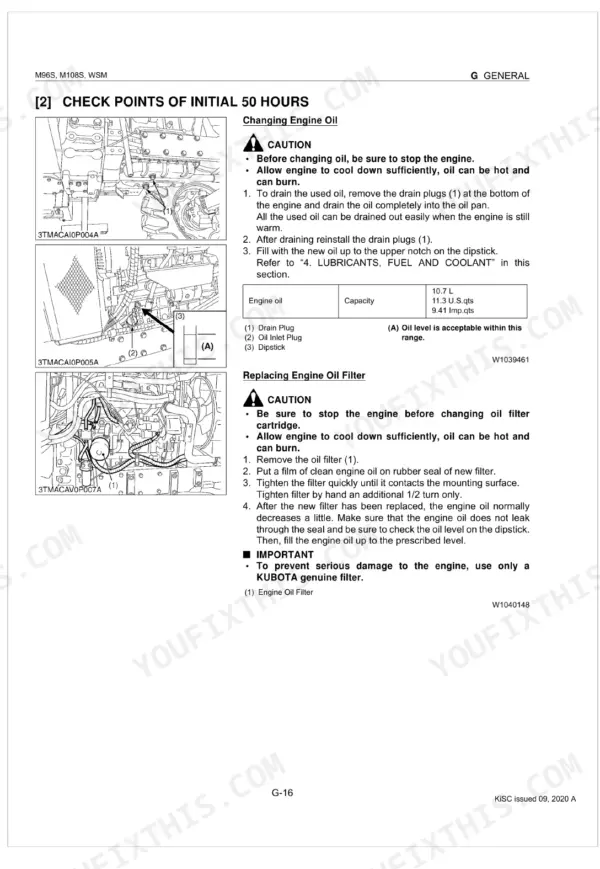
| Engine Crankcase Oil Capacity (with filter) | 10.7 L (11.3 U.S.qts, 9.41 Imp.qts) | p. 36 |
| Starter's terminal B mounting nut | 9.8 to 11 N·m (1.0 to 1.2 kgf·m, 7.3 to 8.6 lbf·ft) | p. 38 |
| M96S, M108S | ||
| Rear wheel mounting nut | 344 to 402 N·m (35.0 to 41.0 kgf·m, 254 to 296 lbf·ft) | p. 38 |
| Engine oil change (M96S, M108S) | every 200 hrs | p. 41 |
| M96SDTM | ||
| Engine oil change, M96SDTM | every 300 Hr | p. 664 |
Kubota M96S, M108S, M96SDTM Common Problems This Manual Covers
Shuttle shift harsh or slipping
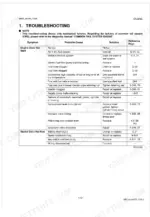
Jerky direction changes or a shuttle that slips point to the regulator valve or the hydraulic shuttle valve. The Transmission Servicing section gives the troubleshooting, servicing specifications and tightening torques for the shuttle shift mechanism.
Manual Section: Transmission Servicing p. 326PTO clutch slipping or slow to engage
A PTO clutch that slips or engages late often has a worn disc or a sticking valve or accumulator. The Clutch Servicing section covers troubleshooting, servicing specifications and the checking and disassembly steps.
Manual Section: Clutch Servicing p. 266Weak or uneven brakes
Poor stopping or a pedal that will not hold points to worn friction parts or incorrect adjustment. The Brakes Servicing section provides the troubleshooting, servicing specifications, checking and adjusting procedures.
Manual Section: Brakes Servicing p. 402Hard or heavy steering
Steering that feels heavy or wanders usually traces to worn steering components or a hydraulic fault. The Steering Servicing section covers troubleshooting, servicing specifications and the checking, adjusting and disassembly steps.
Manual Section: Steering Servicing p. 458Three-point hitch lift or position control fault
A hitch that lifts poorly or drifts points to the control valve or position control. The Hydraulic System Servicing section covers troubleshooting, servicing specifications and the checking and adjusting of the hydraulic system.
Manual Section: Hydraulic System Servicing p. 484Hard starting or electrical faults
Slow cranking, dead accessories or intermittent faults call for tracing the harnesses and testing components. The Electrical System Servicing section provides the troubleshooting and servicing specifications for the tractor's circuits.
Manual Section: Electrical System Servicing p. 535Cab air conditioning not cooling
Weak cab cooling usually means a low refrigerant charge or a fault in the air conditioning system. The Cabin Servicing section covers troubleshooting, servicing specifications and the precautions for repairing the refrigerant cycle.
Manual Section: Cabin Servicing p. 593Frequently Asked Questions
Which tractors does this manual cover?
It covers the Kubota M96S, M108S and M96SDTM tractors, with dedicated supplement sections for the M96SDTM transmission, rear axle, front axle and electrical differences.
Does it include the wiring diagrams?
Yes. The Electrical System Mechanism section holds the wiring diagrams for the main, engine, CRS, body, bonnet and cabin harnesses, so you can trace each circuit. p. 512
What engine information is included?
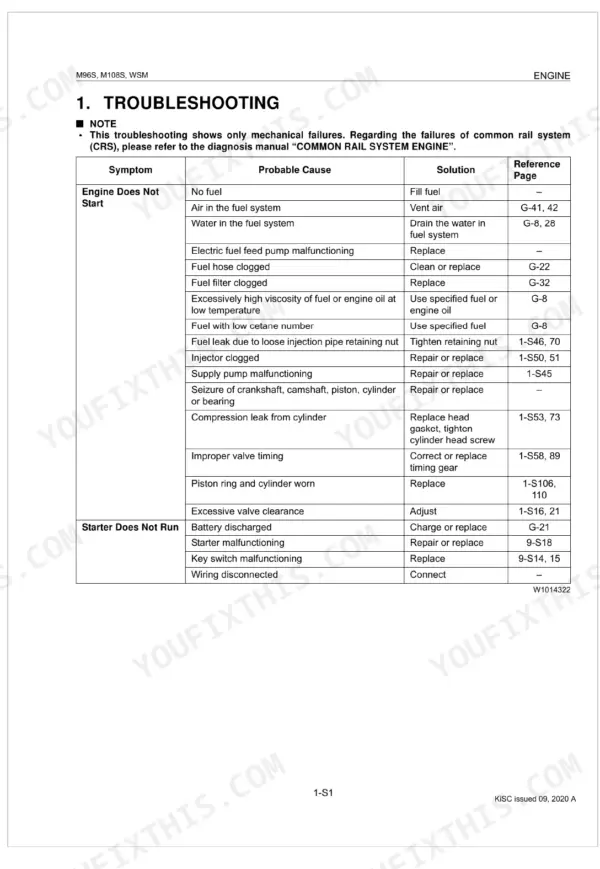
The manual covers the V3800-CR-TI and V3800-DI-TI diesels. The Engine Servicing section gives the troubleshooting, servicing specifications, tightening torques and checking procedures. p. 148
Does it cover the cab air conditioning?
Yes. The Cabin Servicing section documents the air conditioning system troubleshooting, servicing specifications and the handling of service tools for the refrigerant cycle. p. 593
What format is this Kubota M96S manual in?
Instant PDF download. The full 708-page searchable Workshop Manual lands the moment payment clears, ready to open on a laptop, tablet, or phone right at the bench.
Am I free to print this Kubota M96S Workshop Manual?
Yes. Print individual pages or full chapters for your own shop use, on letter or A4 paper.
Does this Kubota M96S manual show the machine's wiring?
Yes, wiring diagrams are included, covering electrical circuits, harness routing, and connector pinouts across the M96S, M108S, and M96SDTM.


Reviews
There are no reviews yet.