
Part of the Yanmar Repair Manuals.
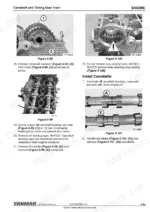
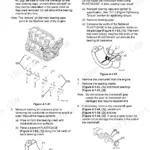
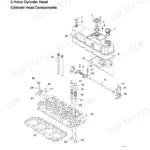
The cylinder head on a BY series engine comes off easily enough; putting it back is where guessing gets expensive. The Engine section of this Yanmar service manual takes the head bolt sequence through all five stages, from the first 80 N·m pull to the final angle turns, alongside a special torque chart, service tool listings, and tests and adjustments for the 4BY-150, 4BY-180, 6BY-220, and 6BY-260 marine diesels.
Across 233 pages it also covers the fuel system with flow diagrams and pump testing, cooling, lubrication, turbocharger, starter motor, alternator, and an Electrical and ECU chapter with component tests and a function description of the engine management system. A closing Troubleshooting chapter carries fault charts and trouble codes.
It is a bookmarked PDF (Yanmar publication 0BBY0-G00102) you download once and keep, on the bench laptop or printed a page at a time as the work demands.
Complete the set for your 4BY / 6BY Series
- Operator Manual: Yanmar 4BY, 6BY Operator Manual
- Operator Manual: Yanmar 4BY / 6BY Series Marine Diesel Engines Operator Manual
Other edition of this manual
- Yanmar 4BY, 6BY Marine Engines Service Manual (incl. Wiring) Original price was: $47.99.$29.99Current price is: $29.99.
What's Inside This Yanmar 4BY / 6BY Series Manual
| System | Pages | Key Topics |
|---|---|---|
| Introduction | 6-7 | Revision History |
| Safety | 8-13 | |
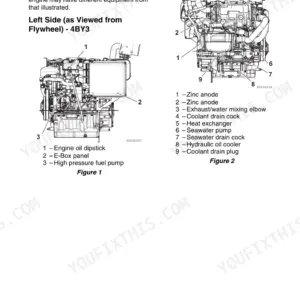
| General Service Information | 14-35 | Safety Precautions, Engine Outline Drawings (4BY with KMH40A, 6BY with KMH40A), Engine Piping Diagrams, Location of Nameplates (Engine Nameplates) |
| Periodic Maintenance | 36-47 | EPA Requirements, Periodic Maintenance Schedule, Periodic Maintenance Procedures |
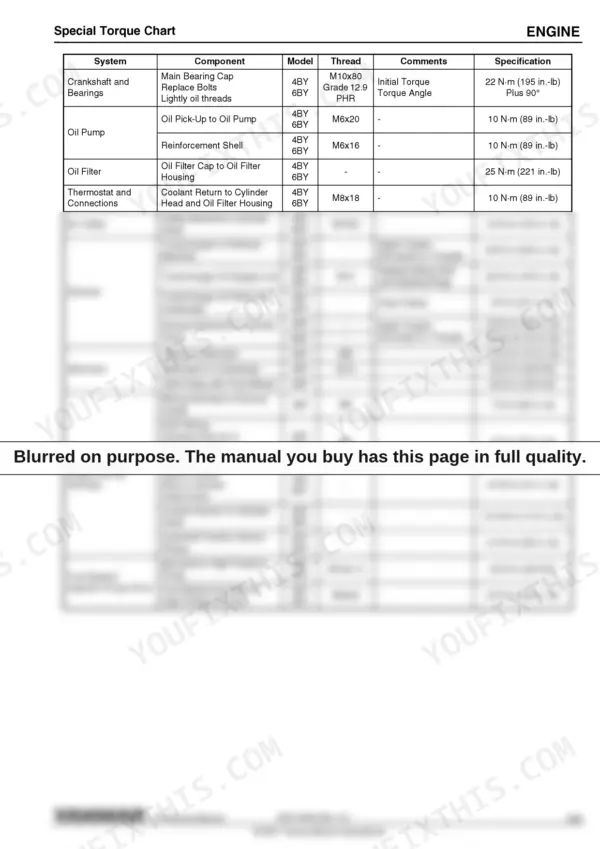
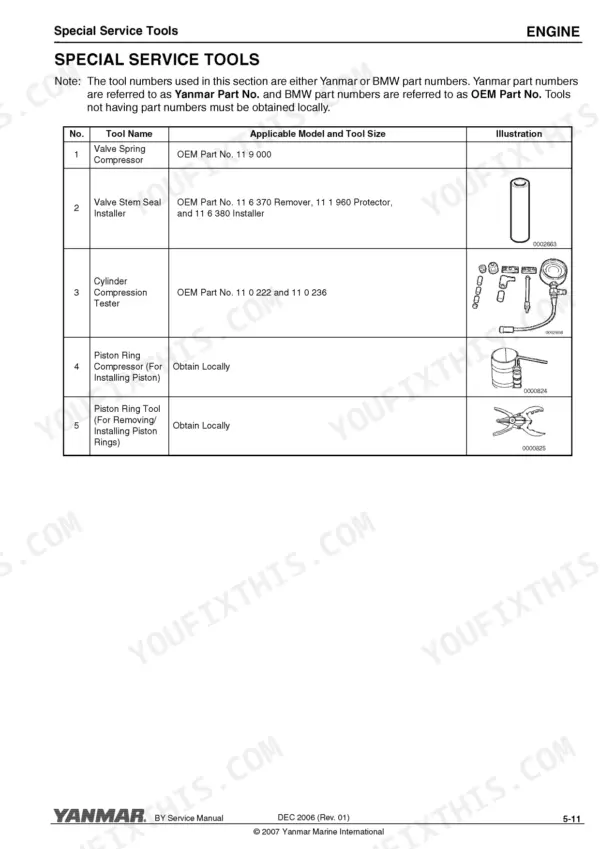
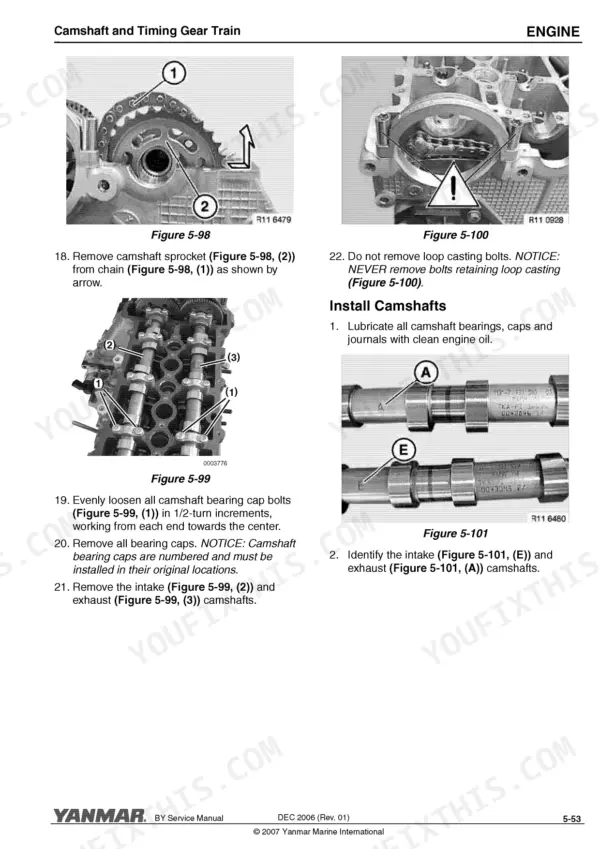
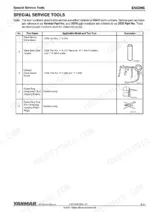
| Engine | 48-117 | Before You Begin Servicing, Specifications, Special Torque Chart, Special Service Tools, Measuring Instruments, Sealants and Compounds, Tests and Adjustments |
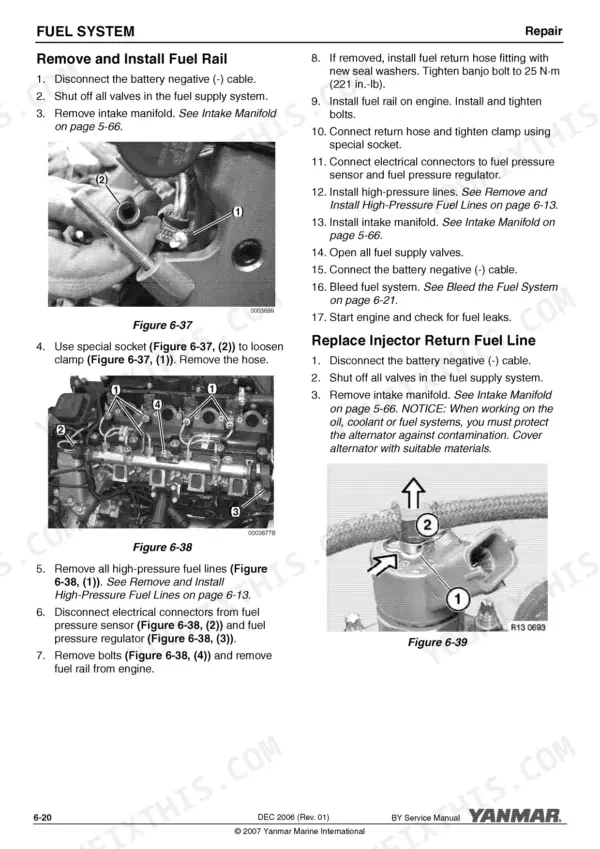
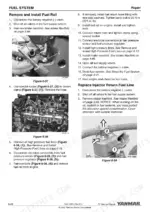
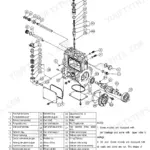
| Fuel System | 118-139 | Safety Precautions, Specifications, Special Service Tools, Fuel System Components, Fuel Flow Diagram, Tests and Adjustments, Repair |
| Cooling System | 140-159 | Before You Begin Servicing, Specifications, Special Service Tools, Measuring Instruments, Cooling Flow Diagram, Tests and Adjustments, Repair |
| Lubrication | 160-171 | Specifications, Special Service Tools, Measuring Instruments, Tests and Adjustments, Repair |
| Turbocharger | 172-179 | Specifications, Special Service Tools, Sealants and Compounds, Tests and Adjustments, Repair |
| Starter Motor | 180-185 | Before You Begin Servicing, Starter Motor Specifications, Starter Motor Troubleshooting, Remove and Install Starter Motor |
| Alternator | 186-191 | Before You Begin Servicing, Specifications, Repair |
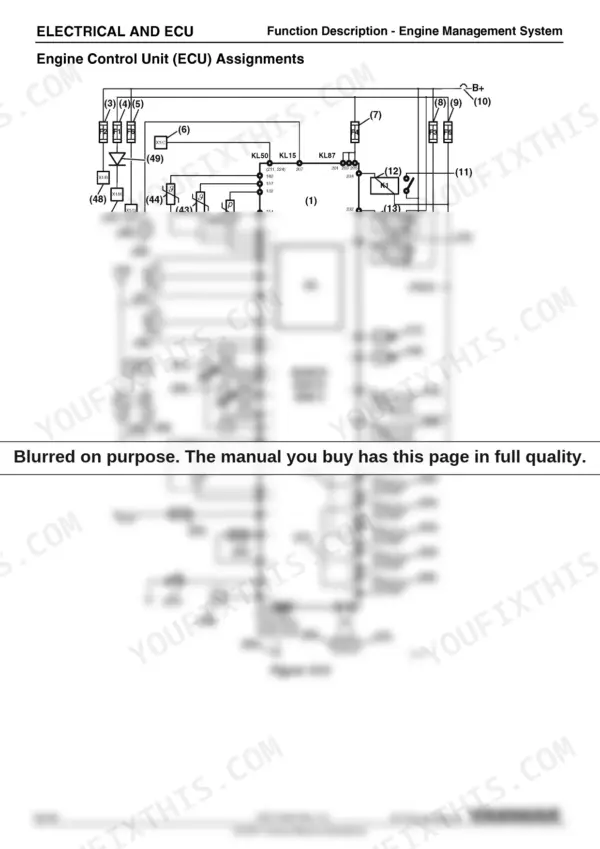
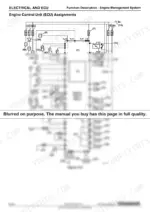
| Electrical and ECU | 192-219 | Specifications, Function Description - Engine Management System, Component Tests, Repair |
| Troubleshooting | 220-233 | Engine Faults and Torque Limitations, Troubleshooting Chart, Trouble Codes, After Troubleshooting or Repair |
Quick Reference Specifications
| Specification | Value | Page |
|---|---|---|
| Cylinder Head Bolt Torque (First Stage) | 80 N·m (59 ft·lb) | p. 75 |
| Cylinder Head Bolt Torque (Second Stage) | Loosen all bolts at least 180° | p. 75 |
| Seawater Pump Impeller Replacement Interval | Every 250 hours or one year, whichever comes first | p. 43 |
| Zinc Anode Torque | 25 N·m (18 ft·lb) | p. 143 |
| Zinc Anode Replacement Interval | Every 250 hours or one year, whichever comes first | p. 43 |
| High-Pressure Fuel Pump Pressure (Min at cranking) | 250 bar (3625 psi) | p. 121 |
| Cooling System Test Pressure | 1.4 bar (20 psi) | p. 143 |
| Thermostat Opening Temperature | 88°C (190°F) | p. 143 |
Yanmar 4BY / 6BY Series Common Problems This Manual Covers
Overheating and lost seawater flow
A worn seawater pump impeller or clogged passages will send coolant temperature climbing fast. The Cooling System chapter gives the flow diagram, pressure test procedure (1.4 bar system test), and repair steps to trace it to the pump, thermostat, or a leaking hose.
Manual Section: Cooling System p. 140Rough running and fuel starvation
Stalling under load or hunting at speed usually traces back to contaminated fuel or a starving high-pressure pump. The Fuel System chapter includes the fuel flow diagram, component tests such as the minimum cranking pressure check for the high-pressure pump, and repair procedures.
Manual Section: Fuel System p. 118ECU fault codes and limp mode
When the engine derates or throws a code, guessing at parts is the fast way to buy the wrong ones twice. The Troubleshooting chapter lists trouble codes, a troubleshooting chart, and what to do after the repair to clear the fault.
Manual Section: Troubleshooting p. 220Alternator not charging
Charging loss on these engines is often a belt or connection problem before it is an alternator problem. The Alternator chapter covers specifications and repair so you can test the unit before paying for a replacement.
Manual Section: Alternator p. 186Low oil pressure warnings
An oil pressure light at idle needs a real measurement before you condemn the pump. The Lubrication chapter lists the measuring instruments, tests and adjustments, and repair procedures to separate a sender fault from a worn bearing or relief valve issue.
Manual Section: Lubrication p. 160Weak boost or turbocharger noise
Sluggish acceleration and smoke can point at the turbocharger, but so can a leaking hose. The Turbocharger chapter gives specifications, tests and adjustments, and repair steps, including the sealants and compounds to use on reassembly.
Manual Section: Turbocharger p. 172Slow or no cranking
A starter that clicks or drags gets diagnosed, not just swapped, with the Starter Motor chapter's specifications, troubleshooting table, and removal and installation procedure.
Manual Section: Starter Motor p. 180Frequently Asked Questions
Which engines does this manual cover?
It covers the Yanmar 4BY-150, 4BY-180, 6BY-220, and 6BY-260 marine diesel engines, publication number 0BBY0-G00102. The General Service Information section includes engine outline drawings for 4BY and 6BY engines with the KMH40A, piping diagrams, and nameplate locations so you can confirm your exact engine. p. 14
What is the cylinder head bolt torque procedure for the Yanmar 4BY / 6BY Series marine engines?
The Engine section gives the full five-stage sequence: tighten all bolts to 80 N·m (59 ft-lb), loosen all bolts at least 180 degrees, retighten to 50 N·m (37 ft-lb), then two further 90 degree angle turns. Follow the printed sequence rather than working from memory. p. 48
Does it include maintenance intervals for the impeller and zinc anodes?
Yes. The Periodic Maintenance section schedules seawater pump impeller and zinc anode replacement at every 250 hours or one year, whichever comes first, along with the full maintenance schedule and procedures. The zinc anode torque (25 N·m) is in the Cooling System specifications. p. 36
Can it help me diagnose fault codes and electrical problems?
The Electrical and ECU section describes how the engine management system functions and gives component test procedures, and the Troubleshooting section provides a troubleshooting chart, trouble codes, and steps to take after a repair. p. 192
What format is this manual in?
You get a 233-page searchable PDF that downloads instantly after checkout. Open it on your laptop, tablet, or phone, and bring it right to the shop floor.
Is this Yanmar 4BY-150 & variants Service Manual printable?
Yes. Many mechanics print the section they need for their own shop and bring it to the bench.
Are there wiring harness diagrams in this Yanmar 4BY-150 & variants manual?
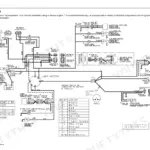
Yes, this Yanmar 4BY-150 & variants Service Manual includes complete electrical wiring diagrams, wire routing, and connector pinouts.


Reviews
There are no reviews yet.