
Part of the Yanmar Repair Manuals.
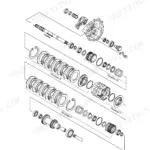
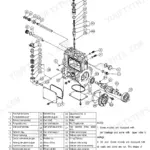
Need the factory procedures for your Yanmar EF-series diesel tractor? This 189-page Yanmar EF227H/EF230H/EF233H/EF235H Technical Manual PDF covers every system on all four machines: engine, HST transmission, front and rear axle, power steering, hydraulic lifting unit, and full electrical equipment. Inside: hydraulic schematics tracing the complete lifting circuit and power steering oil flow, plus full wiring diagrams for the starting, charging, preheating, fuel, warning, safety, and cabin circuits. You also get a dedicated HST troubleshooting section, exploded development views for the transmission and axle internals, and torque tables throughout. Set the 3TNV82A head bolts to 61.7-65.7 N·m and run the front wheel fixing bolts to 118-147 N·m before your first field pass. No more hunting through forums for specs your dealer won't share. Bookmarked by section and searchable by keyword: grab your tablet, walk to the machine, and start wrenching.
What's Inside This Yanmar EF227H, EF230H, EF233H, EF235H Manual
| System | Pages | Key Topics |
|---|---|---|
| Safety Items and Services | 6-19 | Safety Work (Location of Safety Signs, Identification and Hour Meter of Tractor, Periodical Check Items, Oil, Grease and Anti-Freezing Fluid, Capacity of Oils and Water) |
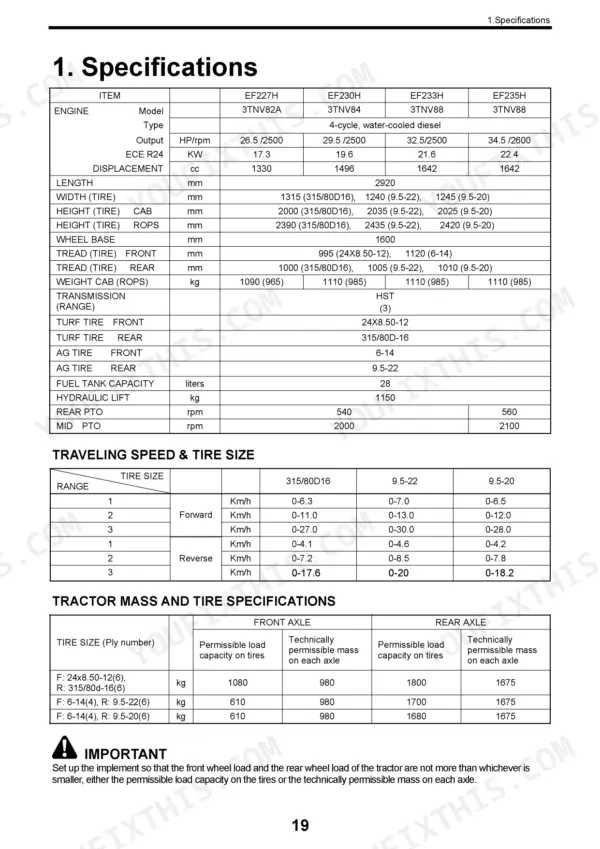
| Specifications | 20-21 | |
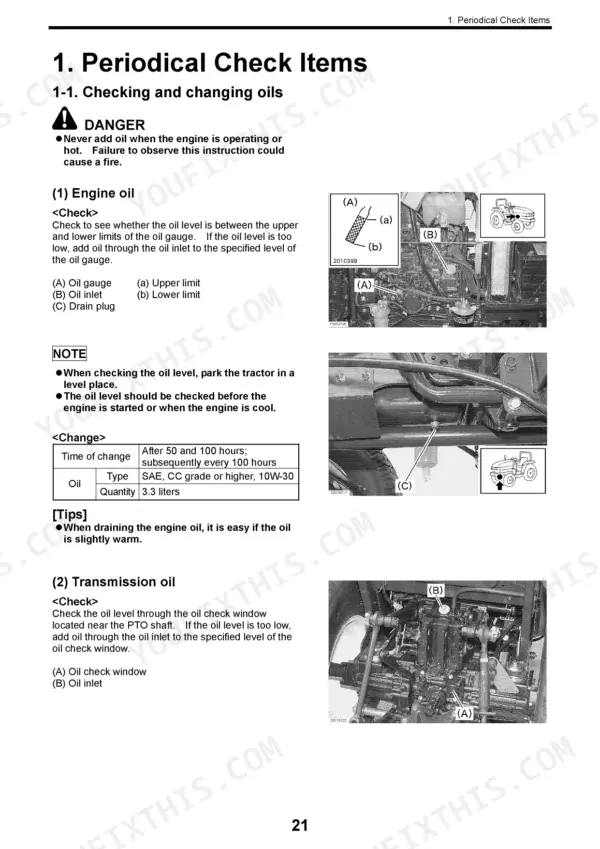
| General | 22-47 | Periodical Check Items (Checking and Changing Oils, Replacing Each Element, Checking and Changing Cooling Water, Checking and Filling Fuel, Air Bleed From Fuel, Cleaning and Replacing the Radiator Screen and the Air Cleaner Element, Checking and Replacing the Battery, Checking Pipes and Hoses, Checking Electrical Wiring, Locations of Applying Grease, Checking and Adjusting the Brakes, Checking and Adjusting the Steering Wheel, Checking and Adjusting the Fan Belt, Checking and Adjusting Toe-In, Checking and Replacing the Fuses and the Slow Blow Fuses, Checking the Tires) |
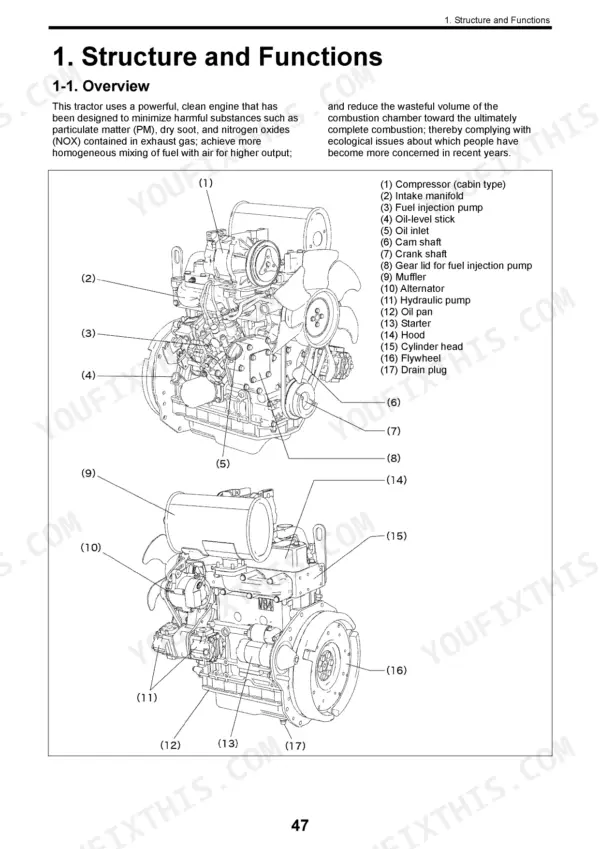
| Engine | 48-69 | Structure and Functions (Overview, Fuel System, Combustion System, Lubricating Oil System, Cooling Water System, Maintenance Standards), Removing the Fuel Injection Pump |
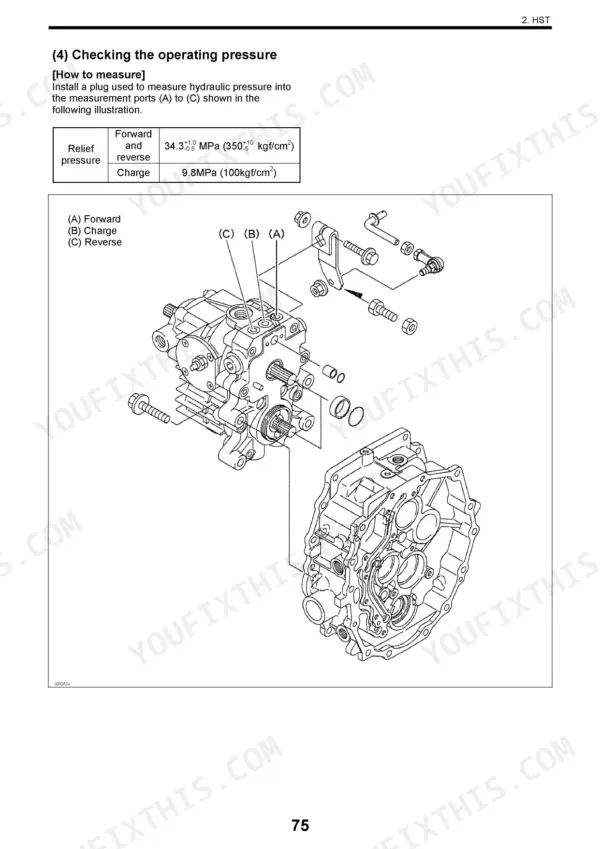
| Transmission | 70-103 | Transmission Mechanism, HST (Outline, Outline of Operation, Maintenance Standards, Troubleshooting) |
| Front Axle | 104-109 | Structure and Functions (Front Wheel Alignment), Disassembly and Reassembly (Maintenance Standards, Development View, Replacing the Axle) |
| Rear Axle and Brake | 110-121 | Structure and Functions (Structure of Differential Gear Unit, Structure of Braking Device) |
| Power Steering | 122-127 | Structure and Functions (Components, Operation of Power Steering Valve and Flow of Oil), Checks and Adjustments (Measuring the Power Steering Relief Pressure, Troubleshooting) |
| Hydraulic Lifting Unit | 128-143 | Structure and Functions (Hydraulic Circuit, Components) |
| Electrical Equipment | 144-185 | Engine Starting Circuit, Charging Circuit, Preheating Circuit, Fuel Circuit, Warning Circuit, Safety Circuit, Cabin Circuit |
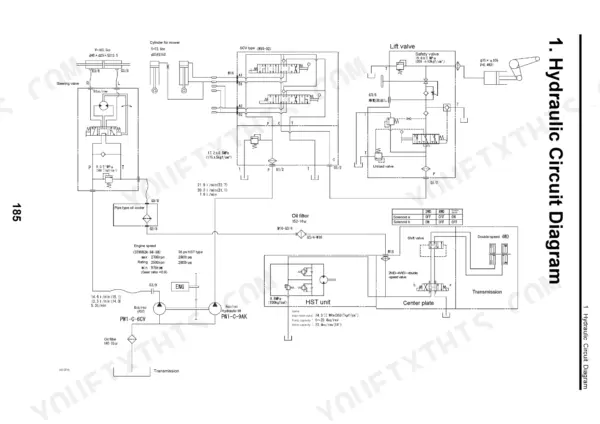
| Appendixes | 186-188 | Hydraulic Circuit Diagram, Electrical Wiring Diagram |
Quick Reference Specifications
| Specification | Value | Page |
|---|---|---|
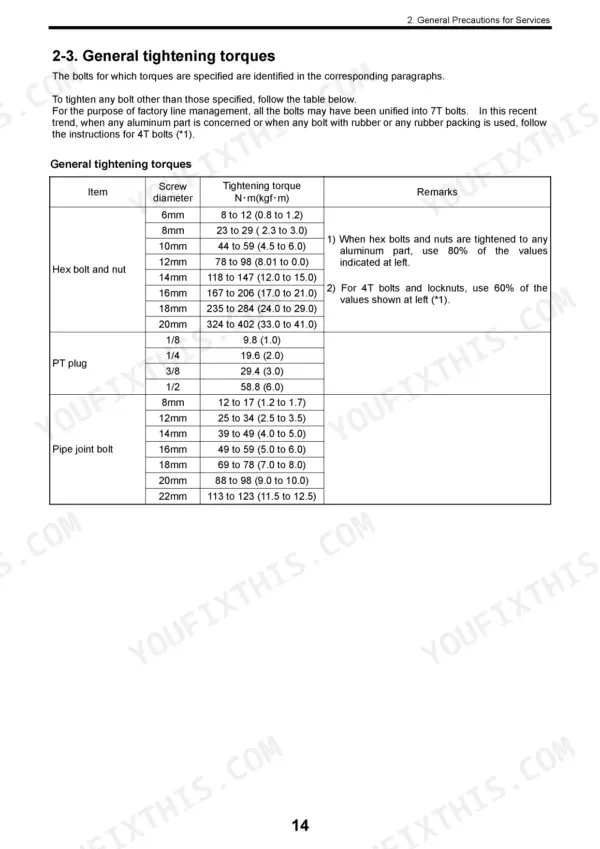
| Head bolt torque (3TNV82A) | 61.7 to 65.7 N·m (6.3 to 6.7 kgf·m) | p. 65 |
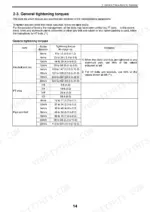
| Fixing bolt for front wheel and disc axle torque | 118 to 147 N·m (12 to 15 kgf·m) | p. 37 |
| Sub-tank cooling water quantity | 0.4 Liters | p. 27 |
| Thermostat valve opening temperature (Q type) | 82°C | p. 59 |
| Radiator screen cleaning method | Pull up the radiator screen and remove straw chips and dust with compressed air | p. 28 |
| Hydraulic oil filter line filter specification | 145 to 35 μ | p. 131 |
| Starter S-terminal -- starter conductivity | About 0 (with conductivity) | p. 148 |
| Starter B-terminal -- starter conductivity | ∞ (without conductivity) | p. 148 |
| Grease application interval | Every 50 hours | p. 31 |
Yanmar EF227H, EF230H, EF233H, EF235H Common Problems This Manual Covers
Yanmar EF230H radiator screen packed with straw and debris during mowing, engine overheating under load
Pull up the radiator screen and blast it clear with compressed air; in heavy debris conditions, do this daily. Check the sub-tank coolant level against the 0.4-liter capacity (page 27). If both look good, remove the thermostat and bench-test it: the Q-type valve must open at 82°C with a minimum 8 mm lift (page 59).
Manual Section: Ⅲ General p. 28Engine cranks but won't fire, or turns over slowly in cold weather
Check battery terminals for corrosion and verify the safety start relay is seated. Test the starter at page 148: the S-terminal should read about 0 Ω (conductivity) and the B-terminal should show ∞ (no conductivity). If those pass, verify the fuel cut-off solenoid at page 166: terminals 1-to-2 should read approximately 24 Ω and terminals 3-to-1 approximately 0.6 Ω.
Manual Section: Ⅹ Electrical Equipment p. 148Hydraulic lift slow to respond or won't raise implement under load
Verify the hydraulic fluid level and inspect the line filter rated at 145 to 35 μ (page 131) for plugging or contamination. Drain and refill if the fluid is dark or milky. If flow is still weak, trace the circuit on the hydraulic schematic at page 187 to identify any blocked lines, failed valves, or leak points before pulling components.
Manual Section: Ⅸ Hydraulic Lifting Unit p. 131Fuel filter clogged with sediment from a dirty tank, engine running rough or cutting out under load
Replace the fuel filter and drain any sediment from the bowl. Bleed air from the fuel system after servicing. If rough running continues, check the fuel cut-off solenoid on page 166: conductivity between terminals 1 and 2 should measure approximately 24 Ω, and between terminals 3 and 1 it should read approximately 0.6 Ω.
Manual Section: Ⅹ Electrical Equipment p. 166Steering wheel heavy or requires excessive force to turn at low speed
Check the power steering fluid level and inspect all hoses for leaks. Grease steering linkage pivot points every 50 hours (page 31). If the wheel still takes muscle to turn, go to page 122, measure the relief pressure, and compare it to spec. Low relief pressure means a worn pump or stuck valve.
Manual Section: Ⅷ Power Steering p. 122Black exhaust smoke and noticeable power loss at full throttle during field work
Check and replace the air cleaner element first. Inspect the fuel filter for restriction and drain any water. If smoke continues with clean air and fuel, verify 3TNV82A head bolt torque: the spec is 61.7 to 65.7 N·m (6.3 to 6.7 kgf·m) (page 65). A loose head allows combustion gases to bypass the gasket and smoke heavily.
Manual Section: Ⅳ Engine p. 65Frequently Asked Questions
Is this Yanmar EF227H/230H/233H/235H Technical Manual a digital download?
You get a 189-page searchable PDF (15 MB) that downloads instantly after checkout. Open it on your laptop, tablet, or phone, and bring it right to the shop floor.
Can I print specific sections of this Yanmar EF227H/230H/233H/235H manual?
Yes. Print individual pages or full chapters for your own shop use, on letter or A4 paper.
Can I find wiring schematics in this Yanmar EF227H/230H/233H/235H manual?
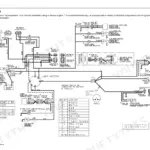
Yes. You'll find an electrical wiring diagram covering the main wiring layout.




Reviews
There are no reviews yet.