
Part of the Yanmar Repair Manuals.
Pull the head off a 2TM and the number you need before it goes back on is 13.5 to 14.5 kg-m on the head nuts, tightened in sequence. That figure is in this Yanmar service manual, along with main bearing torque of 19 to 21 kg-m, ring end gaps, and injector opening pressure for the 2TM, 3TM, and 4TM marine diesels.
There is rarely anyone to phone when one of these engines is in pieces on a stand. These 182 pages stand in: cylinder block, liners, pistons, crankshaft, injection pump and governor, lubrication, sea water cooling, the reduction and reversing gear (with separate procedures for the 2TM/3TM and the 4TM), electrical system, and stern bearings.
It is a bookmarked PDF, so you can jump from a symptom in the troubleshooting chapter to the spec table at the back, print the pages you need, and get the engine back together.
What's Inside This Yanmar 2TM, 3TM, 4TM Manual
| System | Pages | Key Topics |
|---|---|---|
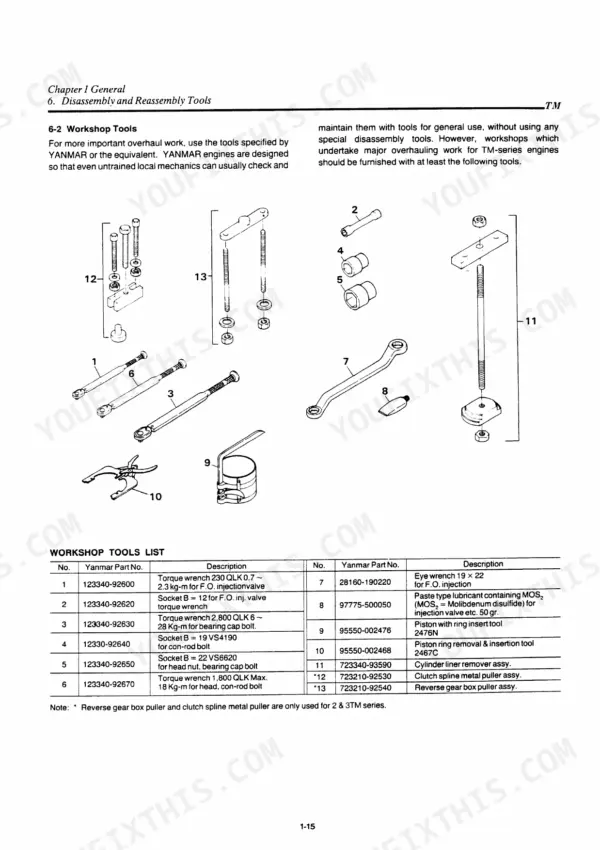
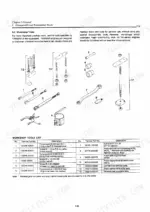
| General | 4-24 | External Veiw, Specifications, Performance Curves, Engine Cross-Section, Piping Diagram, Disassembly and Reassembly Tools |
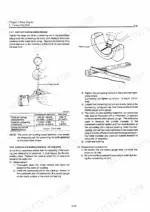
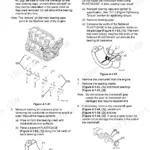
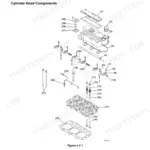
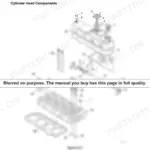
| Basic Engine | 25-65 | Cylinder Block, Cylinder Liner, Cylinder Head, Piston, Connecting Rod, Crankshaft, Camshaft, Timing Gears |
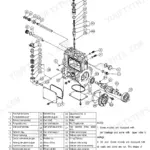
| Fuel System | 66-88 | Fuel Supply System, Injection Pump, Governor and Linkage, Fuel Injection Nozzle, Fuel Feed Pump, Fuel Filter, Water Separator, Fuel Tank (Option) |
| Intake and Exhaust System | 89-91 | Intake Port, Exhaust Pipe, Exhaust Silencer, Exhaust Manifold, Cylinder Head, Gasket Packing, Fuel Oil Pump |
| Lubrication System | 92-104 | Oil Pump, Oil Filter, Oil Cooler |
| Cooling System | 105-113 | Water Pump, Kingston Cock, Sea Water Filter (Option) |
| Chain Overdrive Hand-Operated System | 114-116 | Sprocket Wheel, Camshaft Gear, Crankshaft Gear, Roller Chain, Starting Shaft Support |
| Reduction and Reversing Gear | 117-143 | Governor Assembly, Reversing Gear Upper Case, Reversing Gear Shaft Assembly, Clutch Housing, Reversing Gear Box, Thrust Shaft, Thrust Gear |
| Electrical System | 144-168 | Composition, Battery, Starter Motor, Alternator, Option |
| Stern Equipment | 169-171 | Stern Arrangement (Yanmar Standard), Stern Bearings |
| Troubleshooting | 172-176 | Flywheel, Starter, Fuel System, Piston, Bearings, Valves, Oil Pump, Water Pump |
| Inspection and Servicing | 177-181 | Fuel Oil, Lube Oil, Cooling Water, Fuel Injection Pump, Fuel Injection Valve, Cylinder Head, Electrical Equipment, Marine Gear |
Quick Reference Specifications
| Specification | Value | Page |
|---|---|---|
| Cylinder head fixing nut tightening torque | 13.5 ~ 14.5 kg-m (97.8 ~ 105 lb-ft) | p. 180 |
| Fuel injection pump fixing nut tightening torque | 0.9 ~ 1.1 kg-m (6.5 ~ 8.0 lb-ft) | p. 180 |
| Main bearing bolt tightening torque | 19 ~ 21 kg-m (138 ~ 152 lb-ft) | p. 180 |
| Allowable error between cylinders (Fuel injection volume) | ±0.5cc/1000 st. | p. 72 |
| Piston ring end gap (No. 1,2,3) - Standard | 0.25 ~ 0.45 mm (0.0098 ~ 0.0177 in.) | p. 179 |
| Piston ring end gap (Oil ring) - Standard | 0.20 ~ 0.40 mm (0.0079 ~ 0.0157 in.) | p. 179 |
| Filter type | Paper type | p. 85 |
| Filtration area | 4000cm² | p. 85 |
| Cylinder Head Bolt Tightening Torque | 13.5 ~ 14.5 kg-m | p. 28 |
| Main Bearing Cap Bolt Tightening Torque | 19 ~ 21 kg-m | p. 54 |
| Nozzle Valve Opening Pressure | 200 ~ 205 kg/cm² | p. 79 |
Yanmar 2TM, 3TM, 4TM Common Problems This Manual Covers
Cranks but will not start
Sediment from an old fuel tank clogs the filter and starves the injection pump, so the engine turns over without firing. The Fuel System chapter covers the filter, water separator, feed pump, injection pump, and nozzle service needed to trace it.
Manual Section: Chapter 3 Fuel System p. 66Overheating and power loss under load
A worn water pump or restricted raw water intake lets temperature climb fast under load. This chapter covers the water pump, Kingston cock, and optional sea water filter so you can work through the cooling circuit from intake onward.
Manual Section: Chapter 6 Cooling System p. 105Blue smoke and rising oil consumption
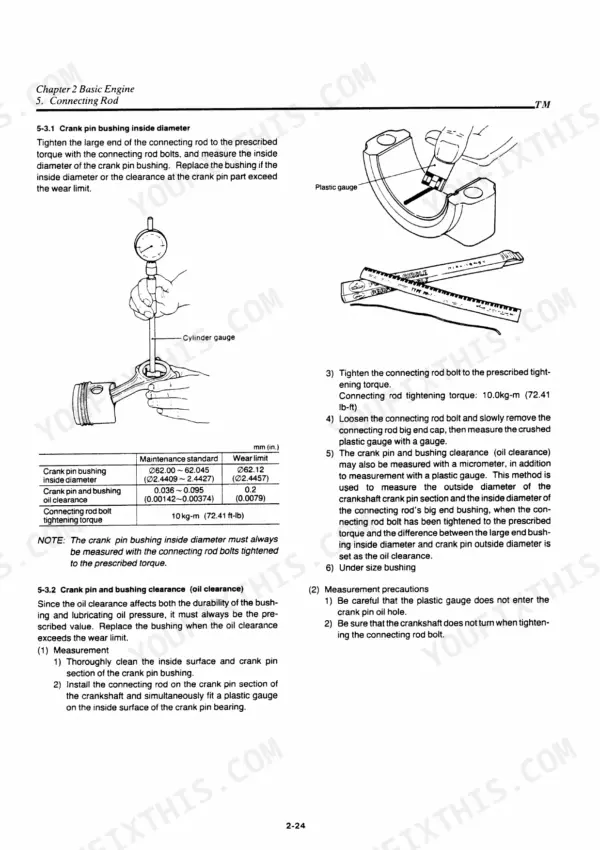
Worn piston rings and glazed liners let oil past into the combustion chamber. The Basic Engine chapter gives measurement and rebuild procedures for the pistons, liners, cylinder head, crankshaft, and bearings, including the wear limits that decide whether parts go back in.
Manual Section: Chapter 2 Basic Engine p. 25Low oil pressure when hot
Falling oil pressure at operating temperature usually points to a worn oil pump, a bypassing filter, or a fouled cooler. The Lubrication System chapter covers inspection and servicing of all three.
Manual Section: Chapter 5 Lubrication System p. 92Starter drags or will not engage
A tired battery or worn starter motor leaves the engine cranking slowly or not at all. The Electrical System chapter covers the battery, starter motor, and optional alternator, with the system composition laid out for tracing wiring faults.
Manual Section: Chapter 9 Electrical System p. 144Reversing gear slips or shifts hard
Clutch wear or drifted adjustment in the marine gear shows up as slipping under load or stiff engagement. This chapter gives construction, disassembly, inspection, reassembly, and adjustment procedures, split into separate sections for the 2TM/3TM gear and the 4TM gear.
Manual Section: Chapter 8 Reduction and Reversing Gear p. 117Frequently Asked Questions
Which engines does this manual cover?
The Yanmar 2TM, 3TM, and 4TM marine diesel engines, in one factory service manual (publication 000/AVA200-3107, 182 pages, English). Where the models differ, such as the reduction and reversing gear, the manual gives separate procedures for the 2TM/3TM and the 4TM.
Does it include torque specs for reassembly?
Yes. The Inspection and Servicing chapter tables list cylinder head nut torque at 13.5 to 14.5 kg-m (98 to 105 lb-ft) and main bearing bolt torque at 19 to 21 kg-m (138 to 152 lb-ft), alongside the piston ring end gap and clearance figures you need before closing the engine up. p. 177
Can I test and set the injectors with this manual?
Yes. The Fuel System chapter gives a nozzle valve opening pressure of 200 to 205 kg/cm2 and covers injection pump service, governor and linkage, the feed pump, and the fuel filter, including its 500 hour element replacement interval. p. 66
Is the marine gear covered too?
Yes. The Reduction and Reversing Gear chapter runs through construction, disassembly, inspection, reassembly, and adjustment, with separate procedures for the 2TM/3TM gearbox and the 4TM gearbox. A later chapter also covers the standard Yanmar stern arrangement and stern bearings. p. 117
Do I get instant access to this Service Manual?
Immediate download of the complete 182-page searchable Service Manual (9 MB). Access it on any device, from a laptop at your desk to a phone in the field.
Can I print a copy of this Service Manual for the shop?
Yes. Many mechanics print the section they need for their own shop and bring it to the bench.
Can I find wiring schematics in this Yanmar 2TM manual?
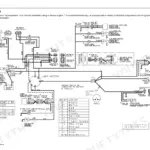
Yes, this Yanmar 2TM, 3TM, 4TM Service Manual includes complete electrical wiring diagrams, wire routing, and connector pinouts.

Reviews
There are no reviews yet.