
Part of the Case Repair Manuals.
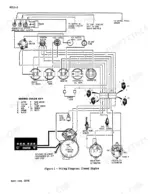
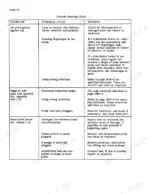
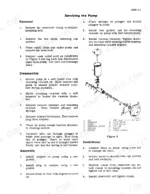
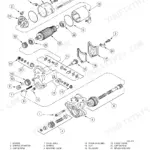
All 666 pages of this Case 1845 Uni-Loader Service Manual (OEM #9-73926) get you inside the hydrostatic drivetrain, fuel system, and electrical circuits factory techs actually use on the shop floor. You get full wiring diagrams for the ignition and starter circuits, hydraulic schematics covering the dual pump, loader control valve, and dump circuit relief valve, plus a dedicated troubleshooting section for pressure checks and drive faults. Torque the lift cylinder piston rod bolt to 200-220 foot-pounds (271-298 N m), and confirm parking latch pin travel sits between 1/16 and 1/8 inch before you call the brake good. No more flipping between three forum threads trying to guess what your machine actually needs. This PDF carries bookmarks for every section, the Engine, Hydraulic, Power Train, and Electrical chapters all one tap away, so you open it on your phone, find the page, and get the loader back to work.
What's Inside This Case 1845 Manual
| System | Pages | Key Topics |
|---|---|---|
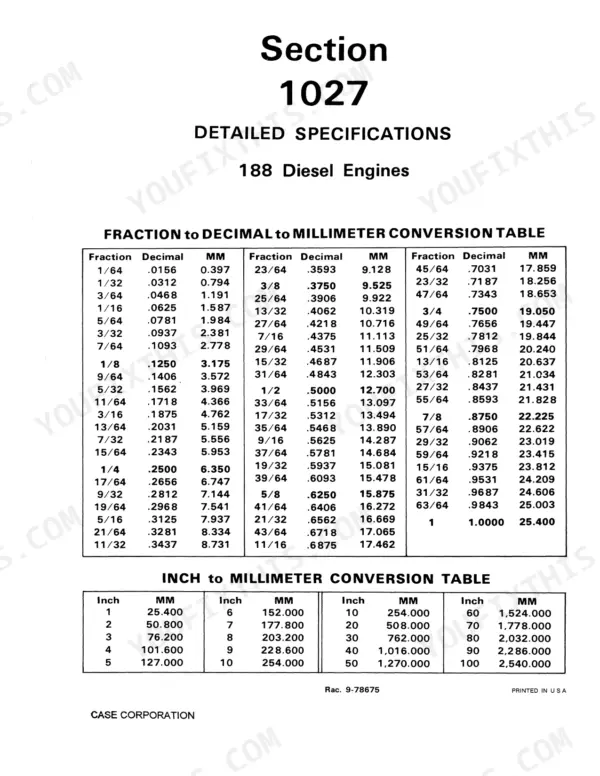
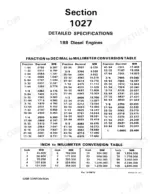
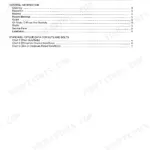
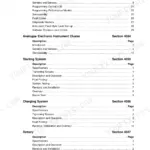
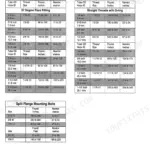
| General | 5-54 | Decals and Repainting, Detailed Engine Specifications - Diesel, Maintenance and Lubrication, Torque Charts, Detailed Engine Specifications - Spark Ignition |
| Engine Diagnosis | 55-98 | Engine Hard Starting, Engine Knocks, Engine Lacks Power, Special Tools, Engine Tune Up |
| Cylinder Head and Valves - Spark Ignition | 99-124 | Cylinder Head Specifications, Valve Inspection, Valve Guides, Valve Springs, Valve Seat Reconditioning |
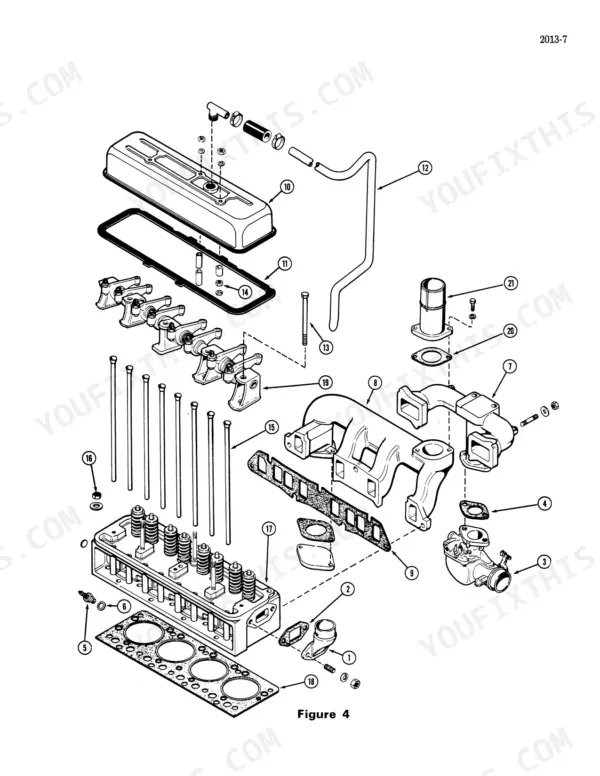
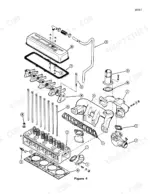
| Cylinder Head, Valve Train and Camshaft - Diesel | 125-292 | Cylinder Head, Valve Train, Camshaft, Cylinder Block, Cylinder Sleeves, Pistons and Rods, Crankshaft, Bearings, Flywheel |
| Engine Removal, Installation and Drive Coupling | 293-304 | Engine Removal, Engine Installation, Drive Coupling |
| Cooling System | 305-316 | Cooling System Service, Radiator, Thermostat |
| Engine Lubrication | 317-322 | Oil Pump |
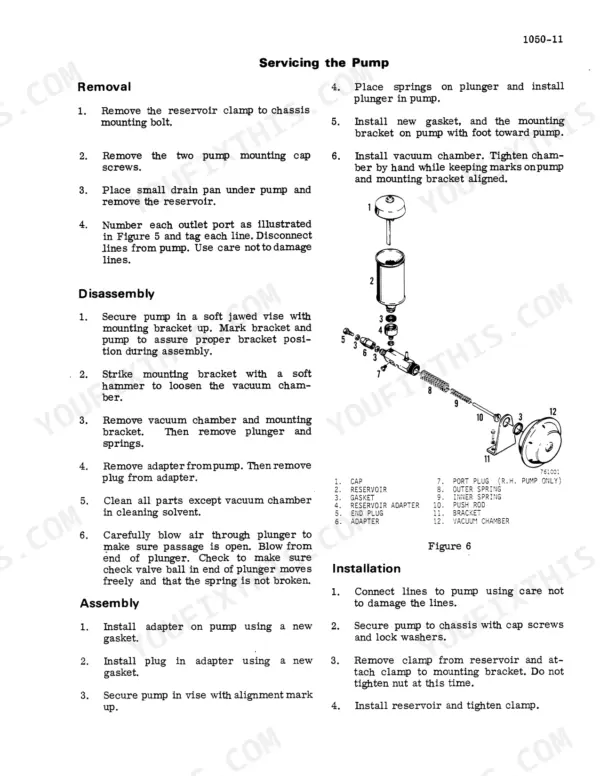
| Fuel System | 323-404 | Fuel Filters - Diesel, Fuel Injection Pump, Fuel Injectors, Carburetor, Engine Controls, Fuel Tank and Fuel Lines, Fuel Filters - Spark Ignition |
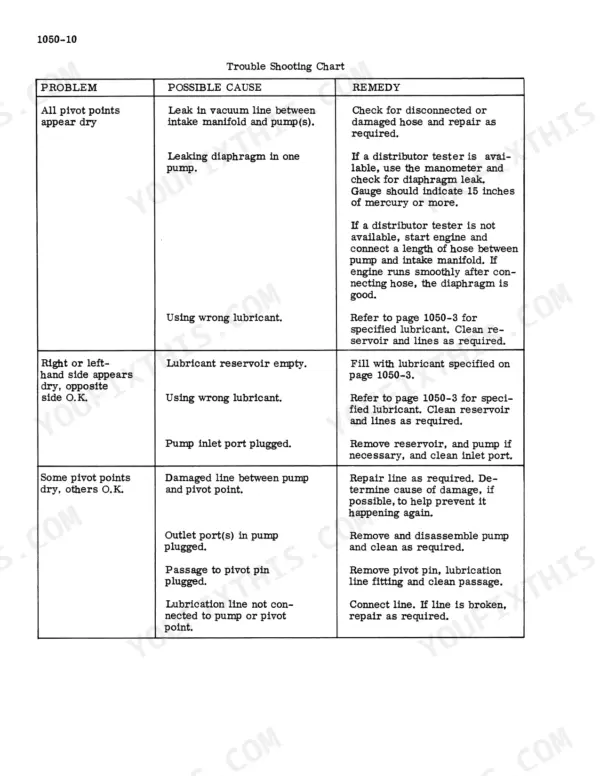
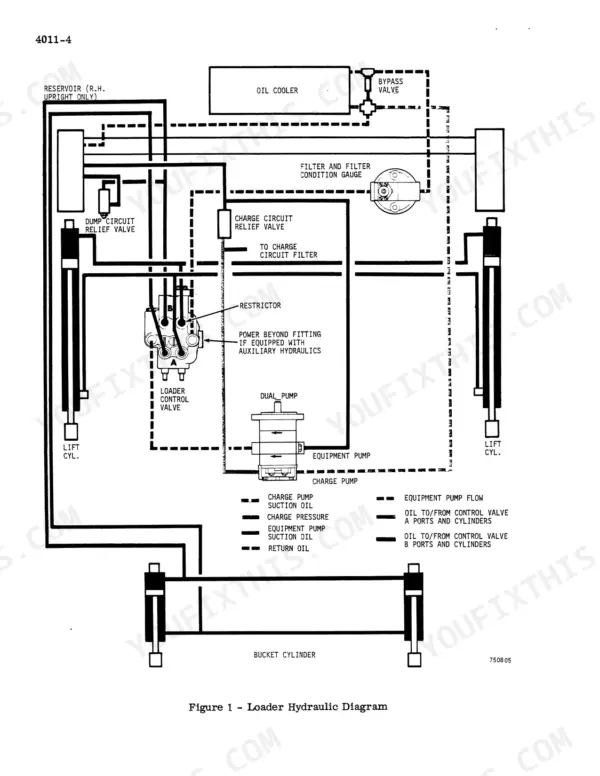
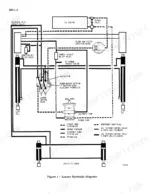
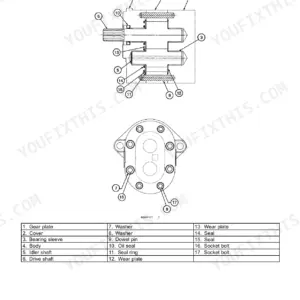
| Hydraulic System | 405-472 | Hydraulic Diagrams, Maintenance, Trouble Shooting and Pressure Checks, Dual Pump, Loader Control Valve, Selector Valves, Auxiliary Control Valve, Dump Circuit Relief Valve |
| Power Train | 473-534 | Charge Pump, Drive Chains, Axles and Cluster Sprockets, Wheels and Tires, Hydrostatic System Diagrams and Operation, Start Up Procedure and Cleaning and Flushing Procedure |
| Brakes | 535-538 | Parking Latch |
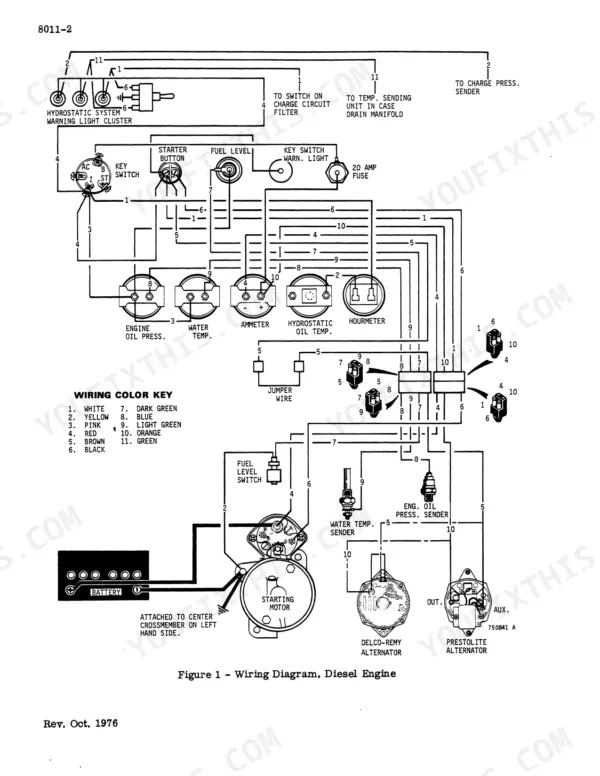
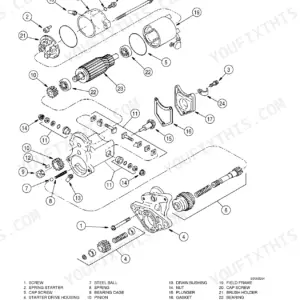
| Electrical System | 539-646 | Wiring Diagrams, Trouble Shooting, Ignition System, Battery, Starter and Starter Solenoid, Induction Discharge (Electronic Ignition System), Alternator |
| Mounted Equipment | 647-666 | Loader, Roll-Over Protection Structure |
Quick Reference Specifications
| Specification | Value | Page |
|---|---|---|
| Lift cylinder piston rod bolt torque | 200-220 foot-pounds (271-298 N m) | p. 462 |
| Parking latch pin travel (disengaged position) | 1/16-1/8 inch (1.6-3.2 mm) | p. 538 |
| Engine Oil Capacity (with filter) | 5 quarts | p. 29 |
| Wheel Nut Torque | 80-90 foot-pounds | p. 488 |
| Fuel Injector Leakoff Rate | 3 to 10 drops in 30 seconds at 1500 PSI | p. 358 |
| Crankshaft Nut Torque | 125 to 135 ft. lbs. | p. 25 |
| Cylinder Sleeve Maximum Out-of-Round | .004" | p. 19 |
Case 1845 Common Problems This Manual Covers
Case 1845C tandem pump failure, metal shavings found in hydraulic filter and charge pressure drops fast
Pull the hydraulic filter now and check for metal in the element; that confirms internal pump wear. Open the hydraulic system troubleshooting section starting and run the pump output checks before tearing into the dual pump assembly. Flush the entire system and replace the filter again after pump replacement to keep shavings from re-circulating into the loader control valve.
Manual Section: Hydraulic System TroubleshootingWeak hydrostatic drive with little or no park brake holding power on hills
Start at the hydrostatic controls troubleshooting chart and check series pump relief pressure before suspecting the motor coupler. Pull the parking latch cover per page 535 and confirm the latch pin extends 1/16-1/8 inch (1.6-3.2 mm) when disengaged; a pin stuck short means the latch isn't seating. If the motor was recently reworked, verify it was reassembled with proper seals before chasing pump pressure further.
Manual Section: Hydrostatic Controls TroubleshootingWater pooling inside the chain case after the machine sits overnight
Drain the chain case and inspect the drive chains and axle area per the Power Train section starting page 473 for chain wear or rust from standing water. Check the chain case seals around the axle shafts for cracking or hardening; failed seals let water track in past the gasket line. Replace the seals and refill with the specified chain case fluid, then re-torque wheel nuts to 80-90 foot-pounds per page 488 before road testing.
Manual Section: Power Train p. 473Park brake jams solid on cold mornings after working in wet or snowy conditions
Clean accumulated mud and ice off the parking latch mechanism described on page 535 before forcing the lever; forcing a frozen latch bends the linkage. Verify the latch pin still travels the full 1/16-1/8 inch (1.6-3.2 mm) range specified on page 538 once it's thawed and clean. Spray the pivot points with a water-displacing lubricant after each wet shift to keep ice from reforming overnight.
Manual Section: Brakes p. 538Lift cylinder leaking down or losing rod seal under load
Check rod surface for scoring and cylinder bore for scratches in the hydraulic system section starting page 405 before ordering a rebuild kit. During reassembly, torque the piston rod eye bolt to 200-220 foot-pounds (271-298 N m) as specified on page 462 or the piston will work loose under cycling load. Bleed the circuit fully and cycle the loader several times to check for renewed external leakage at the rod seal.
Manual Section: Hydraulic System p. 462Drive motor contamination spreading debris into the charge pump and main pump circuits
Cut open the old drive motor and inspect for chewed-up internals; this confirms whether debris already reached the charge pump. Reference the hydraulic system troubleshooting pages starting at 416 to test pump output before reinstalling. Flush every hydraulic line and replace the filter at minimum twice within the first 50 hours after the repair, since trapped debris will keep recirculating and take out the new motor.
Manual Section: Hydraulic System TroubleshootingFrequently Asked Questions
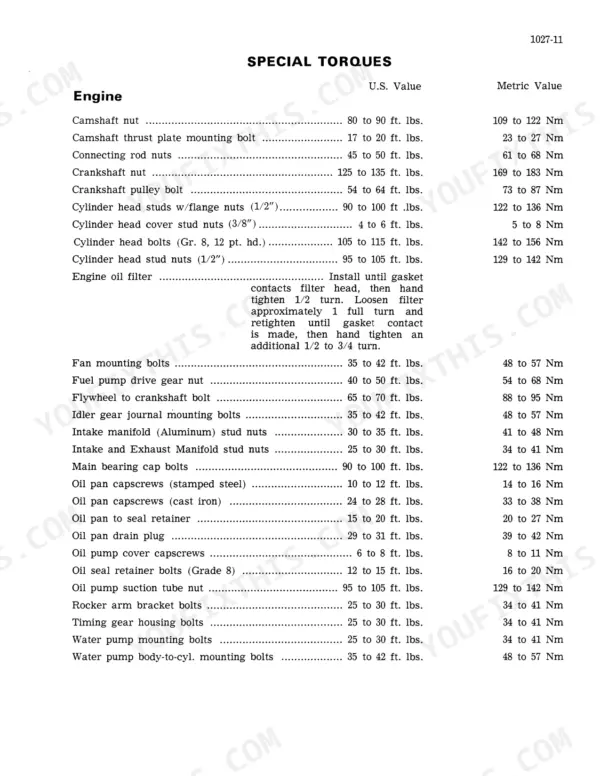
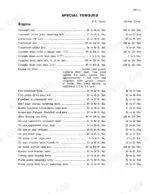
What are torque specs for Case 1845 engine bolts?
The manual provides specific torque specifications for various engine bolts. For instance, camshaft nuts should be torqued to 80 to 90 Ft. lbs., connecting rod nuts to 45 to 55 Ft. lbs., and main bearing cap bolts to 90 to 100 Ft. lbs. Cylinder head stud nuts (1/2") require 95 to 105 ft. lbs. of torque, and spark plugs should be torqued to 32 to 35 ft. lbs. p. 53
How quickly can I access this Case 1845 Uni-Loader manual after buying?
This is a 666-page searchable PDF (172 MB) ready for immediate download. Works on any device, so pull it up on your phone while you're under the hood. No shipping, no waiting.
Can I print this Case 1845 Uni-Loader manual?
Zero restrictions. The PDF is DRM-free. Print whatever sections you need to take out to the shop. Standard letter or A4 paper works.
Are there wiring harness diagrams in this Case 1845 Uni-Loader manual?
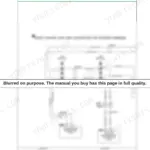
Yes, full electrical schematics are included with wire colors, connector locations, and circuit descriptions.





Reviews
There are no reviews yet.