

Part of the JCB Repair Manuals.
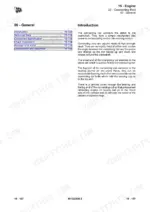
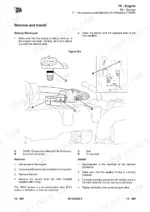
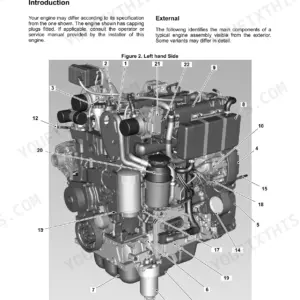
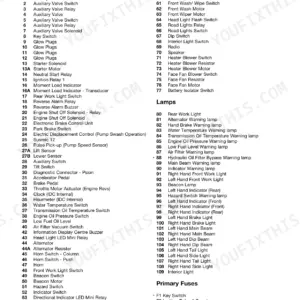
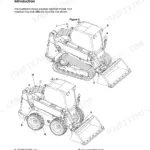
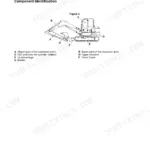
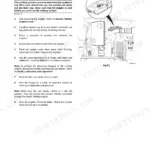
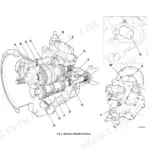
This is the full JCB factory service manual (publication 9813-2300) for the 225, 225T, 260, 260T, 280, 300, 300T, 320T and 330 Robot skid steer loaders, 1,428 pages of the same workshop information a JCB dealer technician works from. It is built around JCB's EcoMAX (Dieselmax) 4-cylinder diesel in both the 4.4-litre and 4.8-litre variants, in Tier 4 interim and Tier 4 Final form. Every machine system has its own section: engine, fuel and exhaust, cooling, hydraulics, driveline, brakes, electrics, attachments and the quickhitch, plus body, operator station and HVAC. You get the diagnostics, removal-and-refit procedures, clearances, torque figures and the wiring and hydraulic circuit diagrams needed to troubleshoot and rebuild the machine instead of guessing at it.
Other editions of this manual
- JCB 225, 225T, 260, 260T, 280, 300, 300T, 320T, 325T, 330 Skid Steer Loader Service Manual (incl. Wiring) Original price was: $57.99.$39.99Current price is: $39.99.
- JCB 225, 300, 444 Series Skid Steer Loader Service Manual (incl. Wiring) Original price was: $56.99.$39.99Current price is: $39.99.
- JCB 225T, 250, 250T, 260, 260T, 270, 270T, 280, 300, 300T, 320T, 325T, 330 Skid Steer Loader Service Manual Original price was: $59.99.$39.99Current price is: $39.99.
What's Inside This JCB 225-330 Manual
| System | Pages | Key Topics |
|---|---|---|
| Machine | Safety Introduction & Warnings, General & Operating Safety, Maintenance & Worksite Safety, Risk Assessment, Maintenance Positions, Main Component Locations | |
| Attachments | General Attachment Information, Lift Arm Quickhitch Overview, Mechanical Quickhitch, Electronic Quickhitch, Shovel Information | |
| Body and Framework | Access Covers (General & Rear), Lift Arm & Stop Pad, Pivot Pins, Identification Labels, Maintenance Strut, Mirrors | |
| Heating, Ventilating and Air-Conditioning (HVAC) | Heating, Ventilating and Air-Conditioning (HVAC) |
Quick Reference Specifications
| Specification | Value | Page |
|---|---|---|
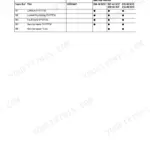
| Models covered | 225, 225T, 260, 260T, 280, 300, 300T, 320T, 330 | |
| Engine | JCB EcoMAX (Dieselmax) 4-cylinder turbo-diesel | |
| Engine variants | SH / DH (Tier 4i), SJ / DJ (Tier 4 Final) | |
| Displacement | 4.4 L (103×132 mm) / 4.8 L (106×135 mm) | |
| Cylinders / valvetrain | 4 in-line, 4 valves per cylinder | |
| Compression ratio | 16.7:1 | |
| Rated speed | 2200 rpm | |
| Rated power (DH) | 108 kW @ 2200 rpm / 129 kW @ 2050 rpm | |
| Fuel system | Common-rail direct injection, electronic HP pump | |
| Firing order | 1-3-4-2 | |
| Emissions | US EPA Tier 4 interim & Tier 4 Final / EU Stage IIIB-IV | |
| Manual pages | 1428 |
JCB 225-330 Common Problems This Manual Covers
Engine cranks but will not start, or starts then stalls
Work the fuel system in order. Drain the water trap and pre-filter and check the water-in-fuel warning, then renew the primary and secondary fuel filters and prime the system to clear any air. If it still will not run, test delivery pressure at the common rail before condemning the high-pressure pump or injectors.
Manual Section: Fuel and Exhaust SystemHydraulic functions are weak, erratic, or stop working
Confirm the hydraulic oil sits between the min and max marks and is clean and free of aeration before going deeper. Then flow- and pressure-test the main pump and check the relief and load-sense settings against spec; contaminated oil or a worn pump shows up as slow, jerky or fading lift and auxiliary flow.
Manual Section: Hydraulic SystemLift arms drop on their own or cannot be serviced safely
Never work under raised arms without the lift-arm safety support fitted. Lower the arms onto the support or the ground before any service and follow the manual's maintenance positions. If the arms creep down by themselves, suspect internal leakage in the lift cylinders or the holding valve.
Manual Section: Body and FrameworkTravel drive or creep mode will not engage correctly
Check the park-brake switch state and operator-mode selection first; creep mode needs the park brake switched on before it arms. From there read the fault codes in the Electrical System section and confirm the drive solenoids and speed-sensor signals before opening the drive pumps or motors.
Manual Section: DrivelineEngine overheating or high-temperature warnings
Check coolant level and condition and clear any debris from the cooler pack first. Then confirm the fan drive, thermostat and water pump are working and that the circuit is not air-locked; persistent high temperature with good coolant flow points to a blocked radiator core or a failing fan drive.
Manual Section: Cooling SystemFrequently Asked Questions
Which machines does this JCB service manual cover?
It covers the JCB Robot skid steer loaders 225, 225T, 260, 260T, 280, 300, 300T, 320T and 330, including both the 4.4-litre and 4.8-litre EcoMAX engine variants (Tier 4 interim SH/DH and Tier 4 Final SJ/DJ).
My JCB skid steer cranks but won't start or starts then stalls. Where do I begin?
Start at the fuel system. The most common causes are water in the fuel (drain the secondary/pre-filter and check the water-in-fuel warning), clogged fuel filters, or air in the fuel line restricting delivery. The Fuel and Exhaust System section walks through priming, filter service and pressure testing.
Hydraulic functions are weak or erratic - what should I check first?
Check the hydraulic oil level sits between the min and max marks and that the oil isn't contaminated or aerated before chasing anything deeper. The Hydraulic System section then covers pump flow/pressure testing and valve diagnostics.
How do I safely service the lift arms?
Never work under raised lift arms without the lift-arm safety support (maintenance strut) fitted. The manual shows the correct maintenance positions and how to install the support before any service with the arms up.
Does the manual include wiring and hydraulic circuit diagrams?
Yes. There are dedicated Electrical System and Hydraulic System sections containing the circuit diagrams, plus component locations and fault-finding for both.
How will I receive this JCB 225 Service Manual?
Immediate download of the complete 1428-page searchable Service Manual (193 MB). Access it on any device, from a laptop at your desk to a phone in the field.
Can I print just the pages I need from this JCB 225 manual?
Yes. Many mechanics print the section they need for their own shop and bring it to the bench.

Reviews
There are no reviews yet.