
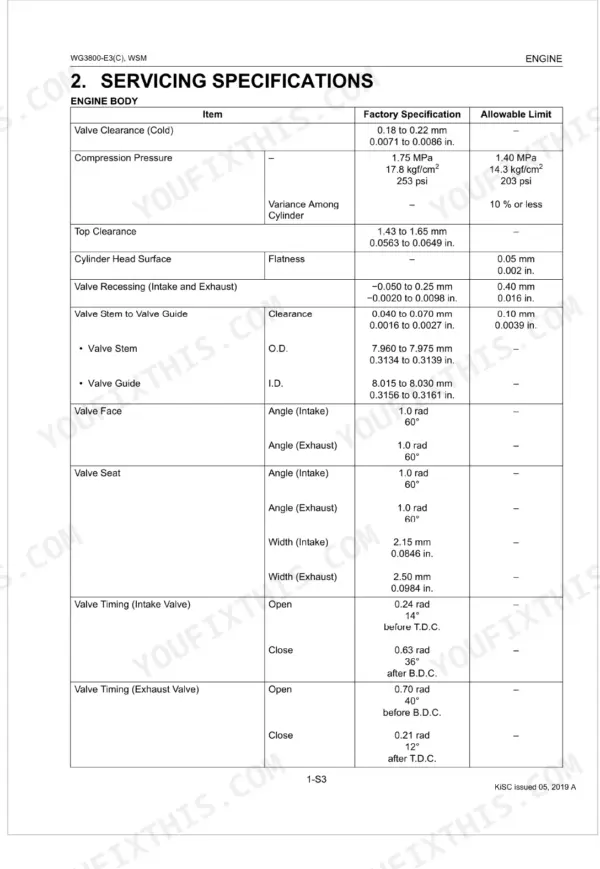
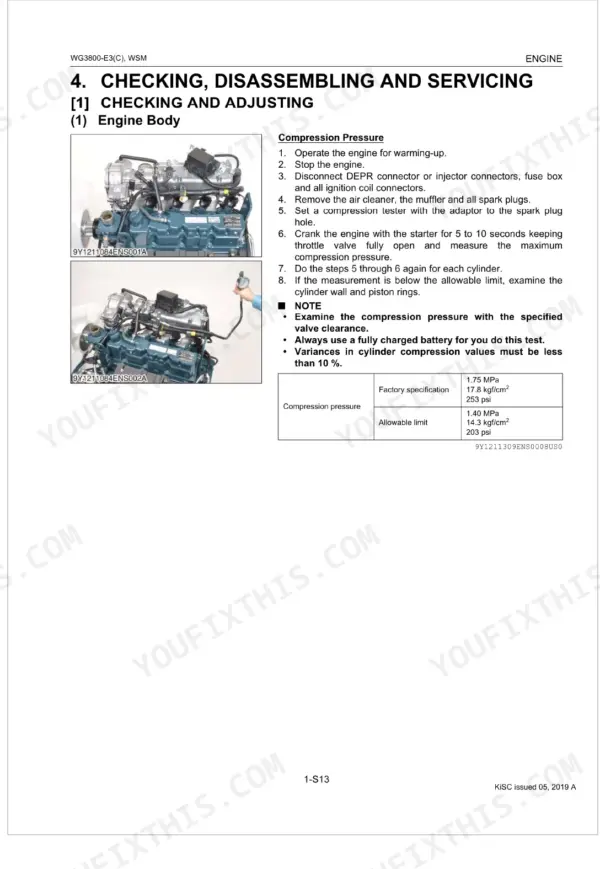
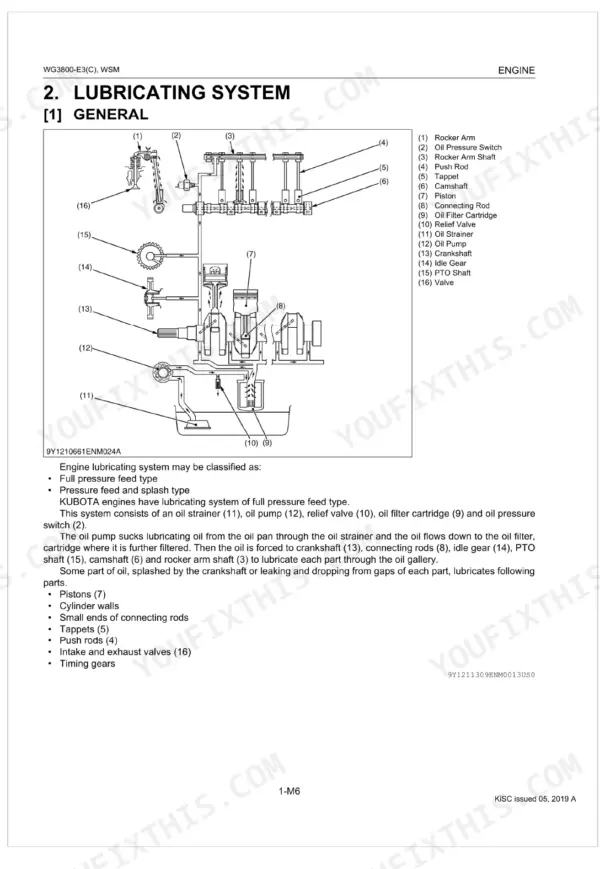
Part of the Kubota Repair Manuals.
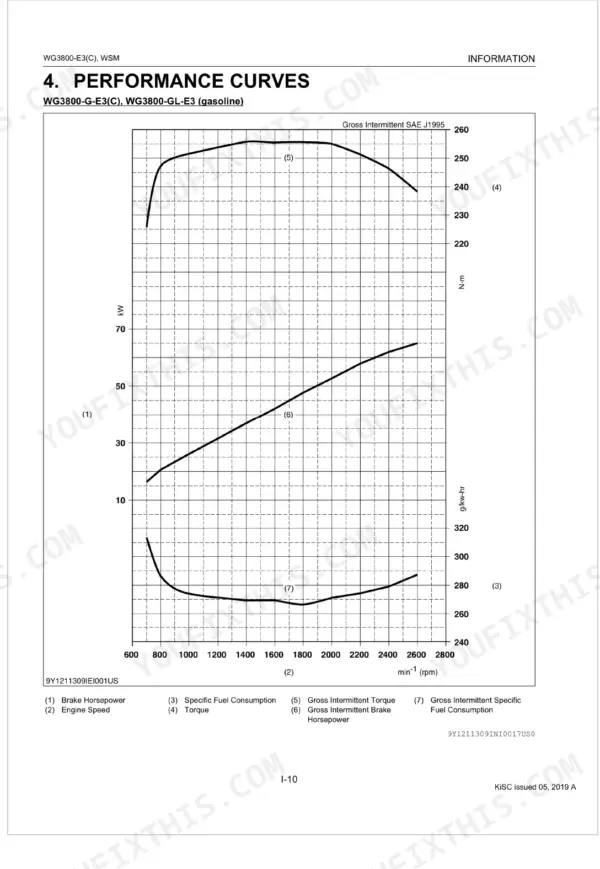
This Kubota Service Manual covers the WG3800-E3 and WG3800-E3C industrial engines, which run on gasoline, LPG or natural gas. Publication number 9Y111-13095, it spans 157 pages of factory repair information.
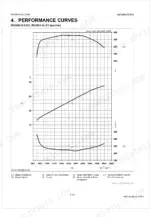
It opens with safety notes and full specifications, then covers engine identification, the maintenance check list and every service interval. The engine chapter details the cylinder block, head, crankshaft, pistons, camshaft and valve train, while the servicing chapter carries troubleshooting for gasoline and gaseous fuel, servicing specifications, tightening torques and component checks.
Whether you are diagnosing a running fault or rebuilding the engine, this PDF gives you the wear limits, clearances, torque values and step by step procedures for the WG3800 in one downloadable file.
What's Inside This Kubota WG3800-E3, WG3800-E3C Manual
| System | Pages | Key Topics |
|---|---|---|
| Information | 4-24 | - |
| General | 25-60 | Engine Identification (Engine Model Name, Code Number and Engine Serial Number, Cylinder Number, Converter), Maintenance Check List |
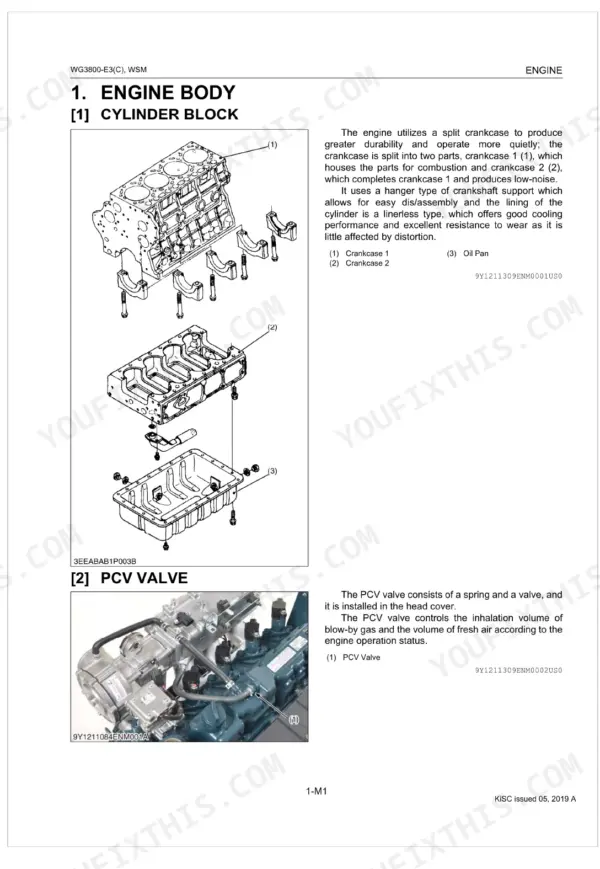
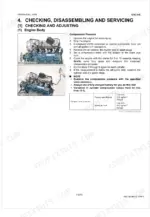
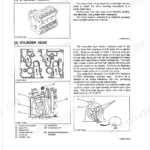
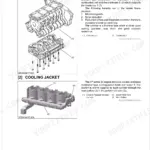
| Engine | 61-91 | Engine Body (Cylinder Block, Pcv Valve, Oil Separator, Half-Floating Head Cover, Positive Crankcase Ventilation System, Cylinder Head, Crankshaft, Piston and Piston Ring, Connecting Rod, Camshaft, Rocker Arm Assembly, Inlet and Exhaust Valves) |
| Troubleshooting | 93-94 | For Gasoline Fuel, For Lpg / Natural Gas Fuel |
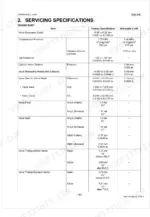
| Servicing Specifications | 95-101 | - |
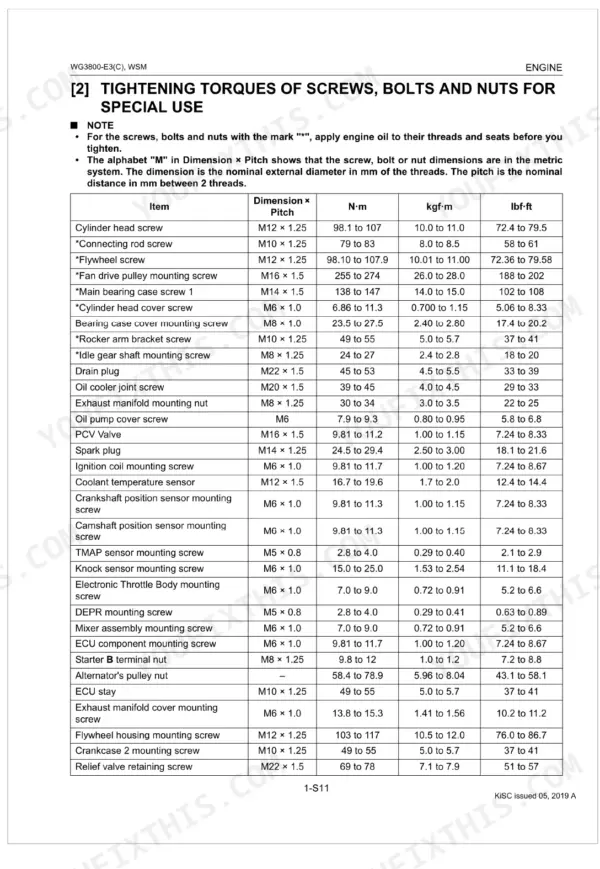
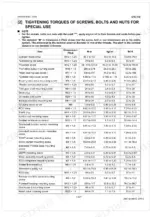
| Tightening Torques | 102-104 | Tightening Torques of Screws, Bolts and Nuts for General Use, Bolts and Nuts for Special Use |
| Checking, Disassembling and Servicing | 105-157 | - |
Quick Reference Specifications
| Specification | Value | Page |
|---|---|---|
| Tightening torque (General Use) M6 (No-grade or 4T) | 7.9 to 9.3 N·m (0.80 to 0.95 kgf·m, 5.8 to 6.8 lbf·ft) | p. 102 |
| Tightening torque (General Use) M8 (No-grade or 4T) | 18 to 20 N·m (1.8 to 2.1 kgf·m, 13 to 15 lbf·ft) | p. 102 |
| Engine Oil Capacity | 12.2 L | p. 9 |
| Spark Plug Gap | 0.70 to 0.80 mm | p. 9 |
| Valve Clearance (Cold) | 0.18 to 0.22 mm | p. 44 |
| Compression Pressure (Factory Specification) | 1.75 MPa | p. 95 |
| Fan Belt Deflection | 10 to 12 mm | p. 40 |
| Engine Oil Pressure (At Idle Speed) | More than 69 kPa | p. 99 |
| Crankshaft Position Sensor Resistance | 0.95 to 1.25 KΩ | p. 100 |
| Ignition Coil Primary Resistance | 0.63 to 0.77 Ω | p. 100 |
| Radiator Cap Opening Pressure | 88 kPa | p. 75 |
| Drain Plug Tightening Torque | 45 to 53 N-m | p. 37 |
Kubota WG3800-E3, WG3800-E3C Common Problems This Manual Covers
Hard starting or misfire
Fouled spark plugs, a weak ignition coil or the wrong plug gap cause hard starting and misfire on the WG3800. Troubleshooting for gasoline and LPG or natural gas fuel is in the servicing section.
Manual Section: Servicing p. 92Low compression and power loss
Worn valves, rings or a warped head cut compression and power. The servicing section gives the compression test and cylinder head service limits.
Manual Section: Servicing p. 92Low engine oil pressure
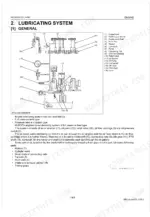
A worn oil pump or a stuck relief valve drops oil pressure below the idle minimum. The engine section covers the lubricating system and its components.
Manual Section: Engine p. 61Overheating and coolant loss
A tired water pump, a stuck thermostat or a weak radiator cap lets the engine overheat. The engine section describes the cooling system and radiator cap pressure.
Manual Section: Engine p. 61LPG or natural gas fuel faults
A faulty lockoff valve, vaporizer or throttle body upsets running on gaseous fuel. Servicing includes troubleshooting for LPG and natural gas fuel.
Manual Section: Servicing p. 92Rough idle or stalling
A dirty electronic throttle body or a crankshaft position sensor out of range disturbs idle. The servicing section lists the sensor resistances and checking steps.
Manual Section: Servicing p. 92Frequently Asked Questions
Which engines does this manual cover?
This is the Kubota service manual for the WG3800-E3 and WG3800-E3C industrial engines, which run on gasoline, LPG or natural gas. It runs 157 pages, publication number 9Y111-13095.
What is the spark plug gap?
The spark plug gap is 0.70 to 0.80 mm. The specifications in the information section list the plug gap and the other engine clearances. p. 4
Does it include tightening torques?
Yes. The servicing section lists general and special use tightening torques, including the cylinder head, connecting rod and flywheel screws, plus the servicing specifications for reassembly. p. 92
How do I get the file after buying?
After checkout you download the PDF straight away, with no shipping to wait for. Save a backup copy so you always have it on hand.
What format is this manual in?
A 157-page Service Manual in searchable PDF, ready the moment checkout completes. View it on a computer, tablet, or phone, with no shipping wait.
Is printing allowed for this Kubota WG3800-E3 Service Manual?
The PDF is DRM-free, so print whatever sections you need for the shop. Standard letter or A4 paper works.
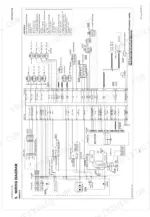
Does this Service Manual have electrical diagrams?
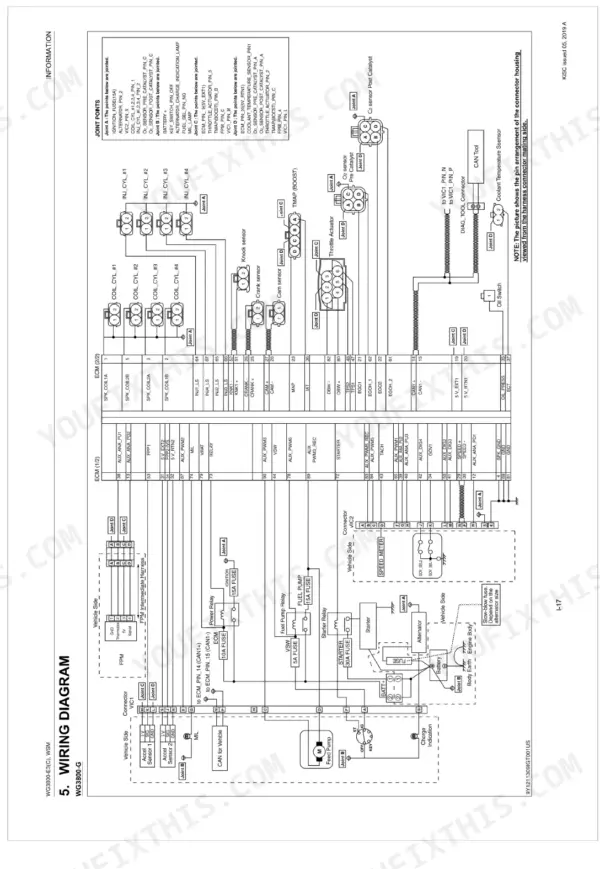
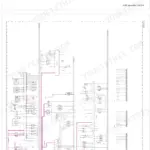
Yes. You'll find full electrical schematics with wire routing diagrams, connector identification, and circuit descriptions.






Reviews
There are no reviews yet.