
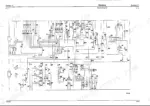
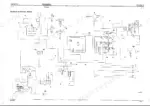
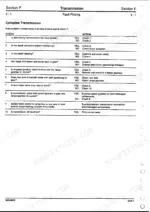
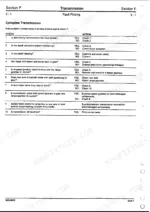
Part of the JCB Repair Manuals.
This JCB service manual covers the Fastrac 125, 135, 145, 150, 155 and 185 tractors. It is the factory workshop document, publication number 9803/8000, running to 677 pages, and it covers both the Perkins 1006 series engines (including the 1006-6, 1006-6T and 1006-6T4) and the Cummins 6BTA fitted to these machines.
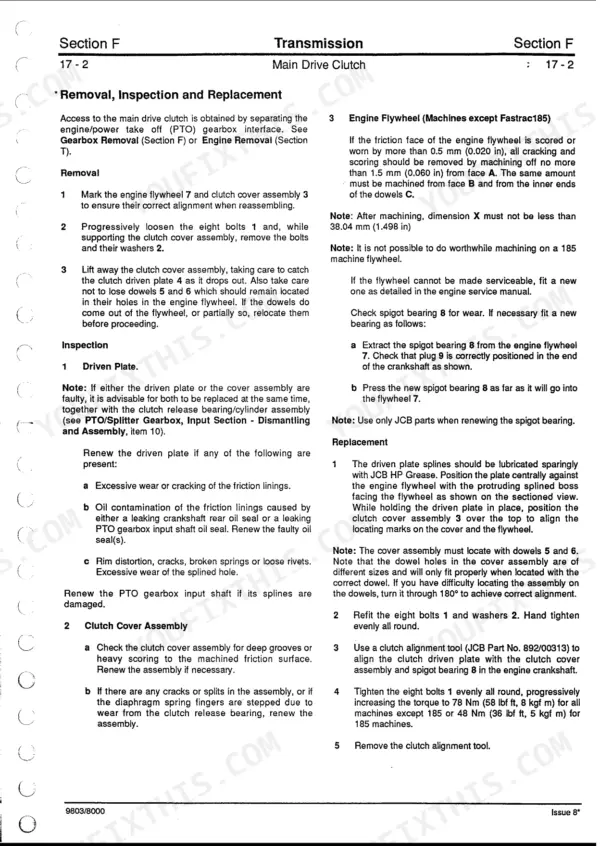
The manual works through every major system: general torque settings and service tools, the electrical system with wiring repair, hydraulics, the full transmission with front and rear axles, brakes, steering and the Fastrac suspension. Technical data, fault finding and dismantling procedures are given section by section.
Use it to diagnose a transmission fault, service the hydraulics, trace an electrical problem or rebuild the suspension. This is the same information a JCB distributor service engineer works from, delivered as a PDF you can download and print.
What's Inside This JCB Fastrac 125–185 Manual
| System | Pages | Key Topics |
|---|---|---|
| General Information | Serial Number Plate, Torque Settings, Service Tools List, Sealing Compounds, Moving Disabled Machine, Transporting Machine | |
| Care & Safety | Safety Notices, General Safety, Operating Safety, Maintenance Safety, Lifting Equipment, Alcohol and Drugs | |
| Routine Maintenance | Lubricants & Capacities, Service Schedules, Greasing Procedures, ROPS Structure Check, Air Conditioning Filter, Headlight Beam Alignment | |
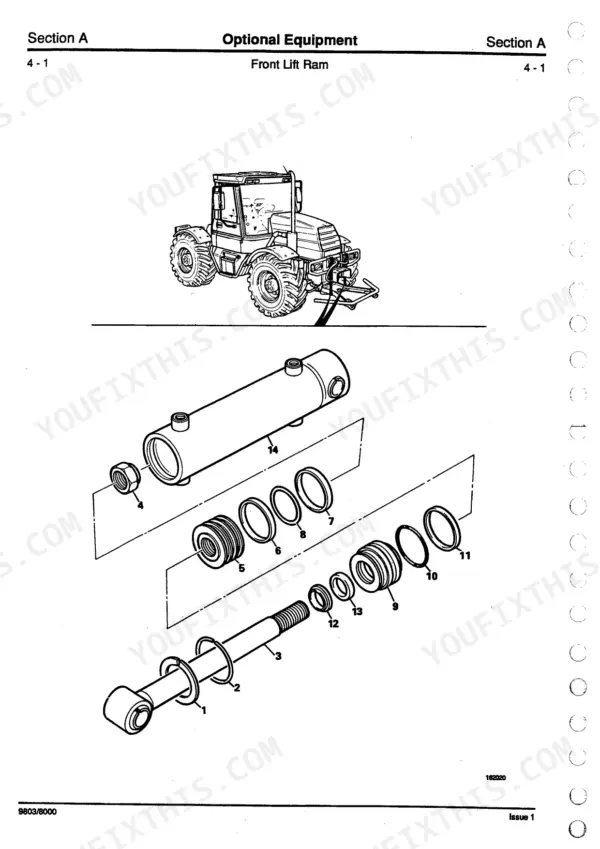
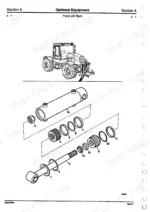
| Optional Equipment | Front Lift Ram, Front PTO Transfer Box, Rear PTO Drive Shaft, Flow Regulator, Dismantling and Assembly | |
| Body & Framework | Technical Data, Direct Glazing Procedures, Air Conditioning Operation, Leak Testing, Compressor Clutch Removal | |
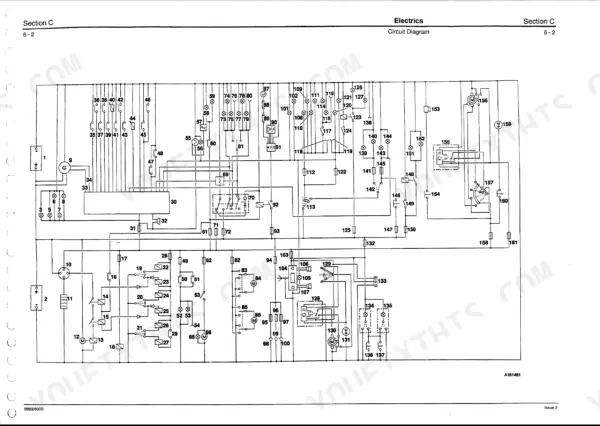
| Electrics | Technical Data, Fuses, Relay Identification, Multimeter Use, Wiring Harness Repair, Digital Speedometer | |
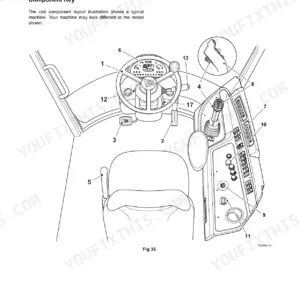
| Controls | Foot Throttle Control Cable, Hand Throttle Control Linkage, External Hydraulics Control Valve Linkage, Jcb Selectronic System, Pneumatic Cylinders, Microswitch Positions | |
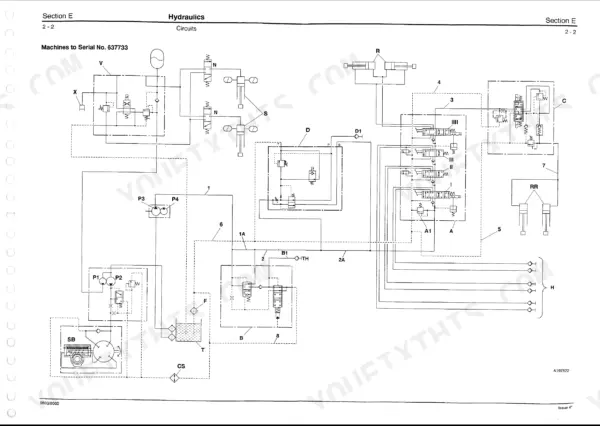
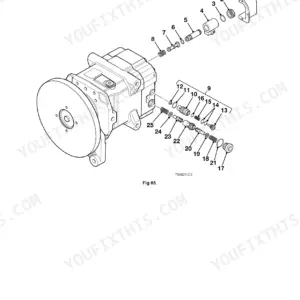
| Hydraulics | External Hydraulics Circuit, Main Relief Valve, Pump - Suspension and Steering, Control Valve, Electronic Draft Control, Position Sensor | |
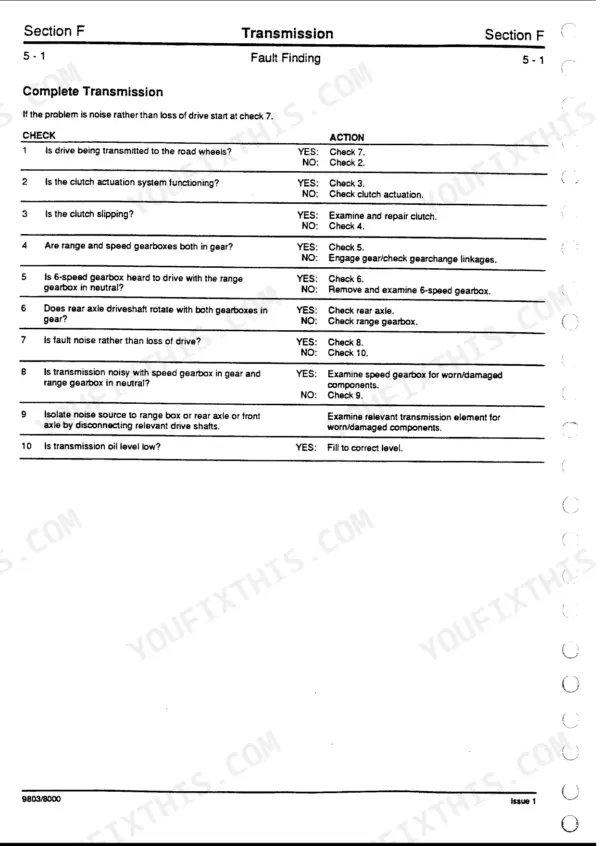
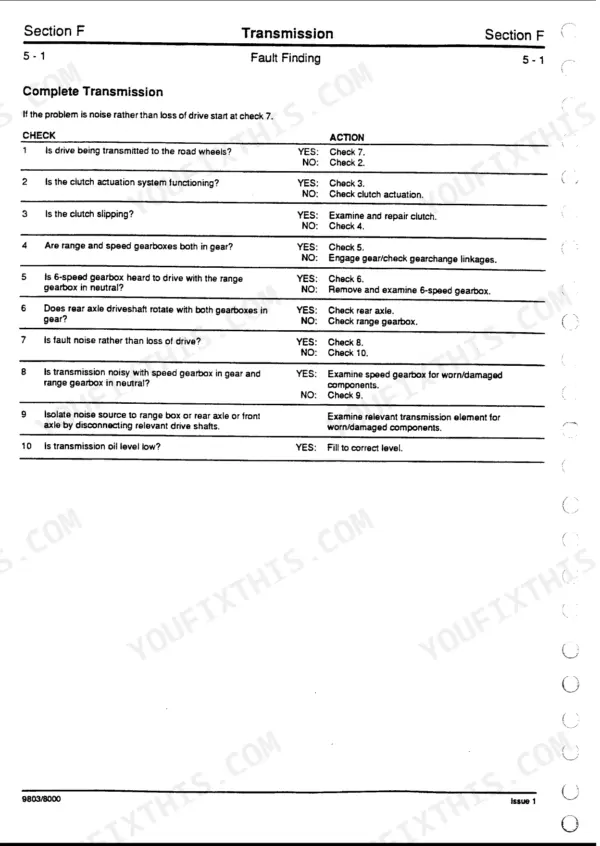
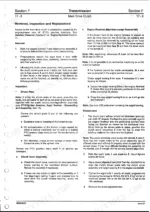
| Transmission | Complete Transmission, PTO Clutches, Speed Gearbox, Front Axle, Rear Axle, NoSPIN Differential | |
| Brakes | Technical Data, Brake System, Footbrake Calipers, Parking Brake, Trailer Brake Air Valve, Air/Hydraulic Actuator | |
| Steering | Technical Data, Fault Finding, Pump Pressure Testing, Steering Box Limit Valve Setting, Steering Shaft, Universal Joints | |
| Suspension | Technical Data, Front Suspension, Rear Suspension, Gas Spring and Accumulator, Suspension Cylinder, Anti-Roll Bar | |
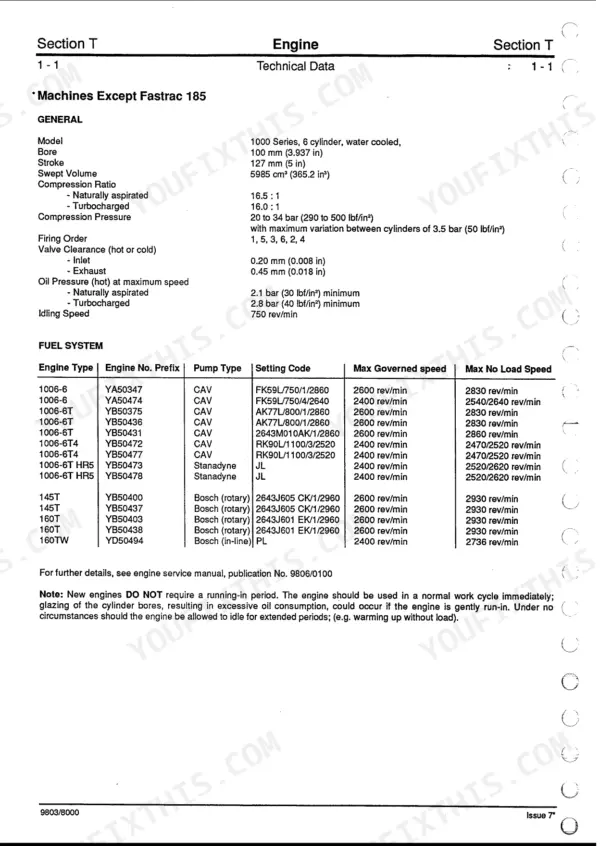
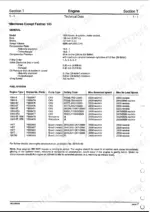
| Engine | Technical Data, Removal and Replacement, Crankshaft Damper, Fuel Spill Pipe, Exhaust Convolute Tube |
Quick Reference Specifications
| Specification | Value | Page |
|---|---|---|
| Wheel nut torque setting (Rear axles with 12 nuts per wheel) | 600 Nm (60.0 kgf m, 440 Ibf ft) | p. 64 |
| Wheel nut torque setting (All other axles) | 500 Nm (51.0 kgf m, 370 Ibf ft) | p. 64 |
| Bell housing bolts torque setting | 56 Nm (5.7 kgf m, 41.3 Ibf ft) | p. 674 |
| Damper fasteners (either capscrews) torque setting | 35 Nm (3.6 kgf m, 26 Ibf ft) | p. 674 |
| Hydraulic filter element cover nuts C torque setting | 7 Nm (5 Ibf ft) | p. 51 |
| Hydraulic filter element replacement | new 'O' ring E and new 'O' ring G | p. 51 |
| Perkins Engine fuel filter installation torque | hand-tight only | p. 75 |
| Perkins Engine fuel filter replacement | new filter(s) | p. 75 |
| Air filter element replacement | new elements | p. 92 |
| Air filter element nuts J and C torque setting | Fit and tighten | p. 92 |
| Battery system voltage | 12 Volts | p. 124 |
| Number of batteries | Two batteries | p. 124 |
JCB Fastrac 125–185 Common Problems This Manual Covers
Hydraulic or PTO function loss
Weak lift, slow response or a PTO that will not drive often traces to pump wear, low fluid, a clogged filter or a valve fault. The Hydraulics section covers the external hydraulics circuit, main relief valve, pump and control valve.
Manual Section: HydraulicsTransmission drive loss or harsh shifting
A Fastrac that will not pull, shifts harshly or drops drive is worked through the complete transmission, PTO clutches, speed gearbox and axle procedures in the Transmission section.
Manual Section: TransmissionNo start or hard starting
Battery, charging, starter and wiring faults are the usual causes of a no start on these tractors. The Electrics section gives the technical data, fuse and relay identification and wiring harness repair to trace the circuit.
Manual Section: ElectricsRough ride or suspension faults
The Fastrac suspension can lose performance when a gas spring, accumulator or cylinder fails. The Suspension section covers the front and rear suspension, the gas spring and accumulator and the suspension cylinder.
Manual Section: SuspensionBrake or trailer brake problems
Poor braking or a trailer brake fault is diagnosed through the footbrake calipers, parking brake and air over hydraulic actuator covered here. The Brakes section carries the technical data and brake system procedures.
Manual Section: BrakesOverheating or coolant loss
Repeated overheating on a working Fastrac points to a blocked cooling pack, a failed fan drive or coolant loss. The Engine section covers the engine technical data, removal and replacement and related components.
Manual Section: EngineFrequently Asked Questions
Which Fastrac models are covered?
It covers the JCB Fastrac 125, 135, 145, 150, 155 and 185. It is the factory service manual, publication 9803/8000, with 677 pages.
Which engines does it cover?
It covers the Perkins 1006 series engines fitted to these Fastracs, including the 1006-6, 1006-6T and 1006-6T4, as well as the Cummins 6BTA. Engine identification is explained in the manual.
Does it include wiring diagrams?
Yes. The Electrics section covers technical data, fuses, relay identification, multimeter use and wiring harness repair, which is what you need to diagnose electrical and instrument faults.
How is the manual delivered?
It downloads as a PDF straight after purchase, so there is no wait and you can keep it on the tractor or at the bench.
Is this Service Manual a digital download?
Immediate download of the complete 677-page searchable Service Manual. Open it on any device: laptop at your desk or phone out in the field.
Can I print this manual?
Yes. Print a single page or a chapter for your own shop use, on letter or A4.
Are there hydraulic schematics in this JCB FASTRAC 125 & variants manual?
Yes. Complete hydraulic schematics with flow diagrams, valve configurations, and pressure specifications are included.

Reviews
There are no reviews yet.