
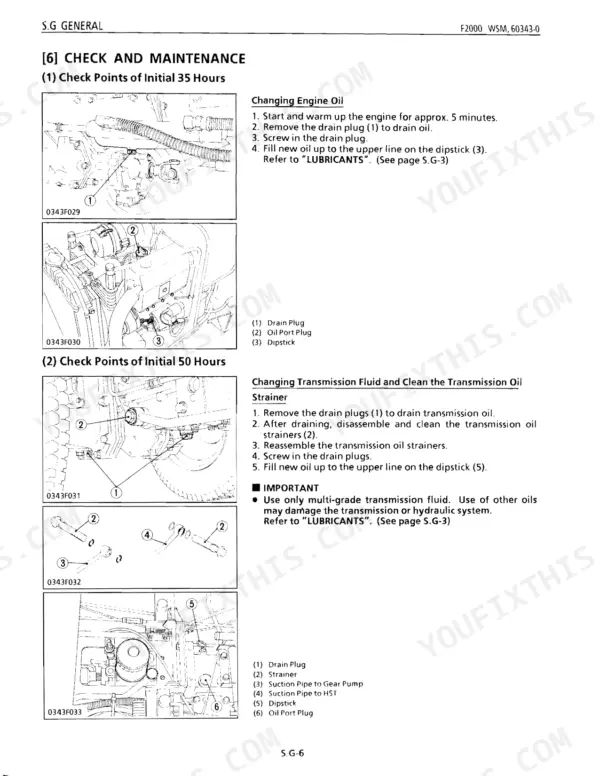
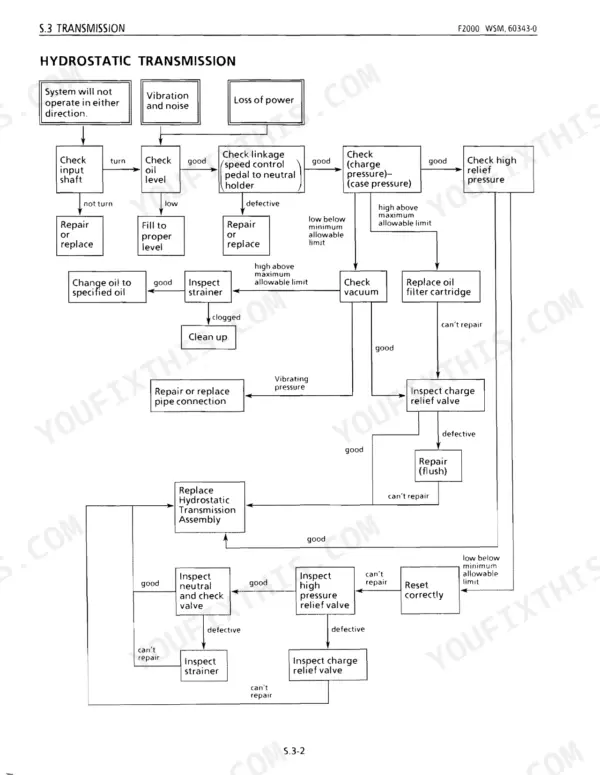
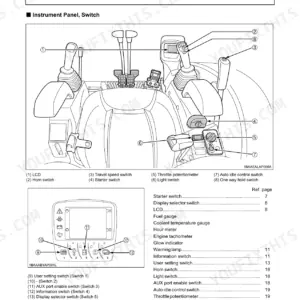
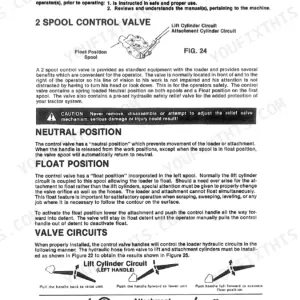
This is the factory Kubota F2000 Workshop Manual (publication 60343-0), 160 pages covering the F2000 front mower and its diesel engine. It is the same shop-level documentation a dealer technician works from, with troubleshooting charts, servicing specifications, tightening torques, and step-by-step disassembly and assembly procedures.
Coverage runs from general maintenance and special tools through engine overhaul, clutch, hydrostatic transmission, front and rear axles, brakes, power steering, the hydraulic system, and the electrical starting and charging circuits. The final section covers the RC60-F20 and RC72-F20 mower decks, including power transmission and cutting-height setup.
With it you can rebuild the engine, set clutch pedal free play, diagnose a dead electrical system, chase a soft hydrostatic drive, and torque deck blade screws correctly. Delivered as a downloadable PDF you can read on any device or print.
Complete the set for your F2000
- Operator Manual: Kubota F2000 Front Mower Operator Manual (incl. Wiring)
Other edition of this manual
- Kubota F2400, F2100, F2000 Workshop Manual — Wiring Diagrams Original price was: $62.99.$39.99Current price is: $39.99.
What's Inside This Kubota F2000 Manual
| System | Pages | Key Topics |
|---|---|---|
| General | Front Mower Identification, General Precautions, Lubricants, Tightening Torques (General Use Screws, Bolts and Nuts), Maintenance Check List, Check and Maintenance, Special Tools | |
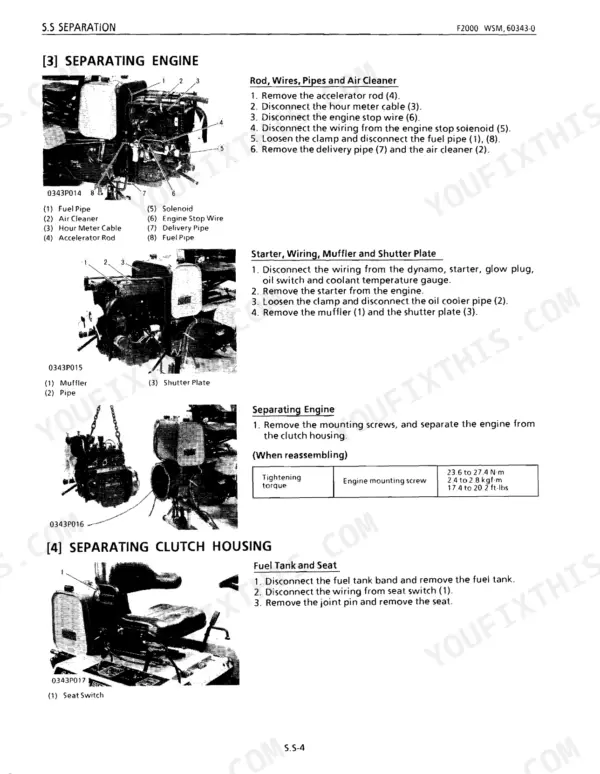
| Separation | Draining Cooling Water and Oil, Separating Rear Axle Assembly, Separating Engine, Separating Clutch Housing, Separating Hydrostatic Transmission, Separating Transmission Case | |
| Engine | Disassembling and Assembling (Cylinder Head, Nozzle Holder, Fuel Pump, Hydraulic Pump, Injection Pump, Gear Case, Timing Gear, Camshaft, Oil Pump, Piston, Crankshaft) | |
| Clutch | Clutch Pedal, Safety Switch, Clutch Rod, Clutch Disc, Propeller Shaft, Pressure Plate, Diaphragm | |
| Transmission | Hydrostatic Transmission, Checking | |
| Front Axle | Differential Gear, Axle Case | |
| Brakes | Brake Pedal, Brake Case | |
| Rear Axle | Differential, Tie Rod, Knuckle Arm, Bevel Gear Case, Mid Case Cover, Mid Case, Rear Pinion | |
| Steering | Power Steering Body, Steering Cylinder, Hydraulic Pump | |
| Hydraulic System | Hydraulic Pump, Control Valve, Single/Double Acting Type Control Valve | |
| Electrical System | Starter Motor, Battery, Starting System, Charging System, Seat Switch | |
| Mower | Specifications, Exterior View and Appellation, Mechanism (Power Transmission, Rc60-F20, Rc72-F20), Cutting Height (Rc60-F20 |
Every system also includes disassembling and servicing, servicing specifications, tightening torques, and troubleshooting.
Quick Reference Specifications
| Specification | Value | Page |
|---|---|---|
| Blade Screw (Center/Outer) Torque | 177 to 216 N·m | p. 146 |
| Battery Terminal and Bolt Tightness (Allowable voltage drop) | 0.1 V | p. 134 |
| Battery Normal Charging Rate | 6.5 A | p. 136 |
| Neutral adjuster to case tightening torque | 23.6 to 27.4 N·m | p. 84 |
| Engine Crankcase Capacity | 3.3 U.S.qts. | p. 3 |
| Transmission Capacity | 13.4 U.S.qts. | p. 3 |
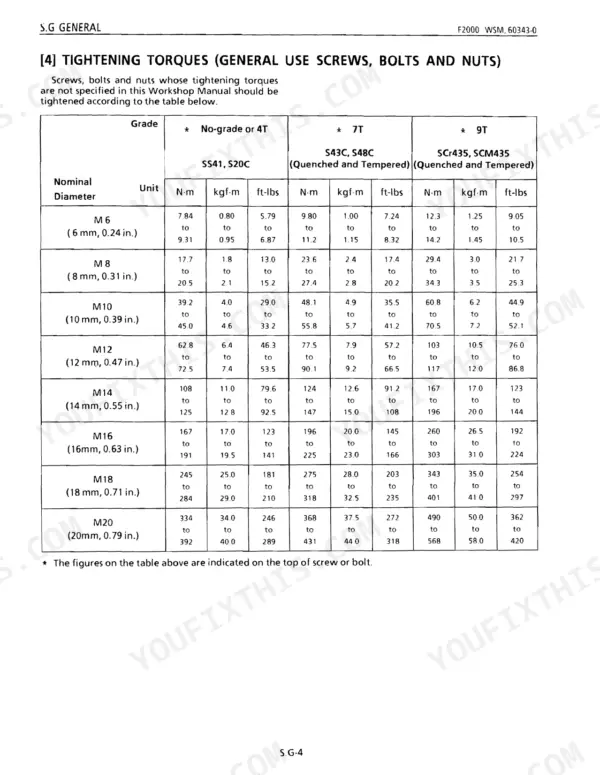
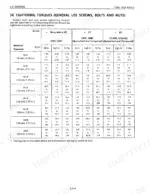
| General Use Screws (M10) Tightening Torque | 39.2 to 45.0 N·m | p. 4 |
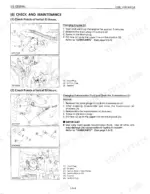
| Clutch Pedal Play (Factory Spec) | 20 to 30 mm | p. 71 |
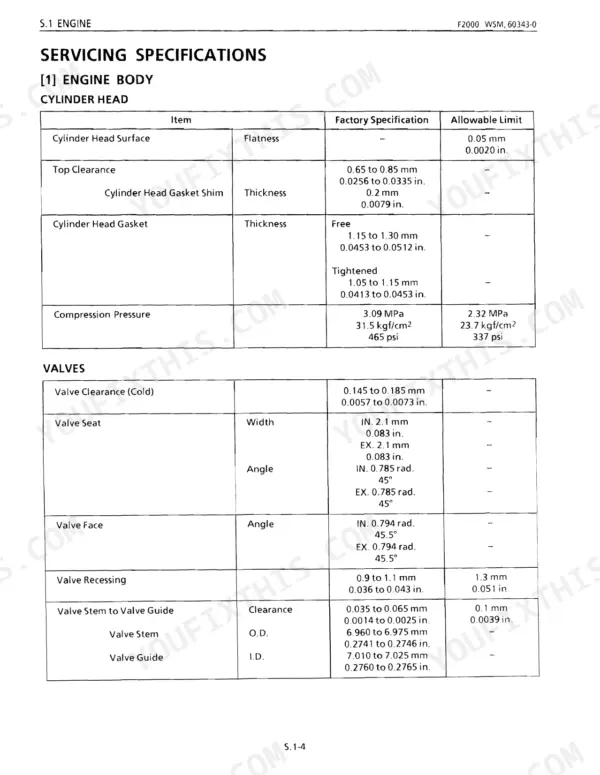
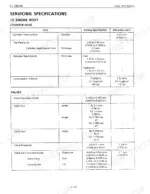
| Cylinder Head Surface Flatness (Allowable Limit) | 0.05 mm | p. 32 |
| Engine Oil Pressure (At Rated Speed) | 167 to 343 kPa | p. 36 |
| Injection Nozzle Opening Pressure | 13.73 to 14.71 MPa | p. 37 |
| High Relief Valve Setting Pressure (Hydrostatic Transmission) | 22.6 to 24.5 MPa | p. 79 |
Kubota F2000 Common Problems This Manual Covers
Mower goes electrically dead
An older F2000 that will not power up even with a good battery usually has a loose or failed ignition wire or switch in the starting circuit. The manual's charging and starting coverage lets you trace the fault from the battery forward.
Manual Section: Electrical SystemHydrostatic drive feels loose
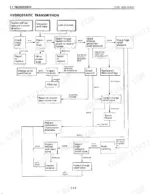
Sloppy or inconsistent motion control often traces to a set screw or lever connection on the hydrostatic transmission control shaft that vibration has backed out. Checking and adjusting that linkage restores solid response.
Manual Section: TransmissionEngine needs repeated fuel bleeding
After storage or fuel-system service the engine can run poorly until air is purged from the lines and filter. The fuel system servicing specifications explain the bleed points and pressures.
Manual Section: Fuel System p. 37Disconnected or incomplete hydraulics
Machines that changed hands during a repair sometimes have hydraulic lines removed from the HST pump or control valve. The hydraulic system section documents the pump and control-valve layout so you can restore the circuit correctly.
Manual Section: Hydraulic SystemClutch drag or wrong pedal free play
A clutch that drags or grabs usually needs the pedal play reset to the 20 to 30 mm factory spec, or the disc and pressure plate inspected. The clutch section walks through checking, adjusting, and rebuilding.
Manual Section: Clutch p. 71Low engine oil pressure or hard starting
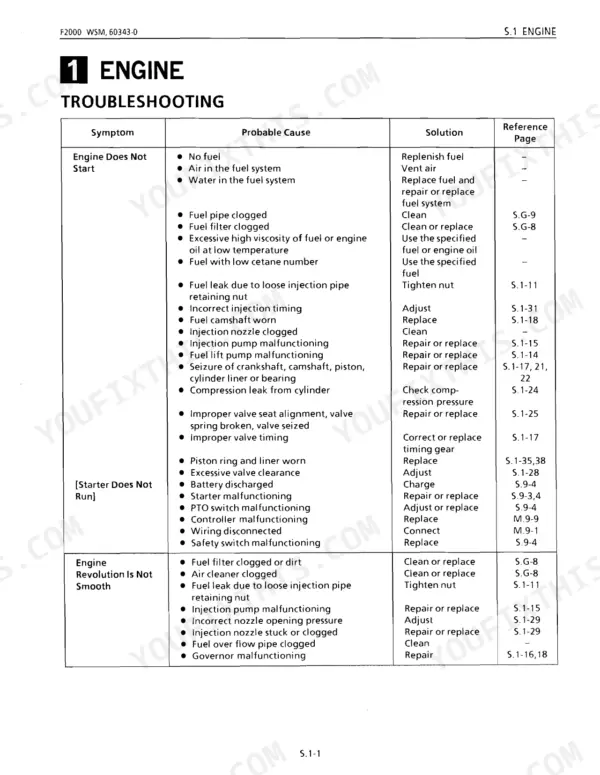
Worn bearings or a tired injection system show up as low oil pressure or reluctant starting. The engine troubleshooting and servicing procedures cover measurement limits, cylinder head flatness, and injection nozzle opening pressure.
Manual Section: Engine p. 29Frequently Asked Questions
Which machine and model does this manual cover?
It is the workshop (service) manual for the Kubota F2000 front mower, publication number 60343-0, 160 pages. It covers the F2000 and its diesel engine, plus the RC60-F20 and RC72-F20 mower decks.
Does it include torque specifications?
Yes. There is a general tightening-torque table for standard screws, bolts, and nuts, plus specific values throughout, such as the deck blade center screw at 177 to 216 N-m. The general torque chart is in the opening General section.
Can I use it to rebuild the engine?
Yes. The Engine section gives full disassembly and assembly of the cylinder head, injection and fuel pumps, timing gears, camshaft, pistons, and crankshaft, with servicing specifications and wear limits. p. 29
Does it help diagnose a no-start or dead electrical fault?
Yes. The Electrical System section covers the starter motor, battery, starting circuit, charging system, and seat switch, which is where most F2000 dead-electrical and no-crank faults are traced.
How quickly can I access this manual after buying?
Immediate download of the complete 160-page searchable Service Manual. Read it on any device, from a laptop at your desk to your phone out in the field.
Can I print specific sections of this Service Manual?
Yes. Print a chapter or just the pages for the job at hand, for use in your own shop. Any home or office printer works.

