
Part of the Case IH Operator Manuals.
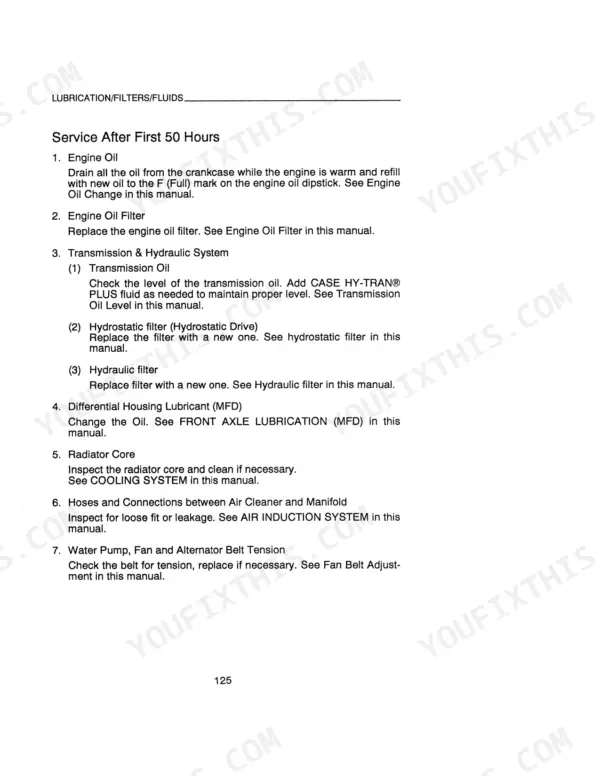
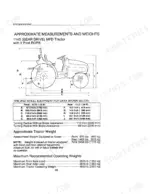
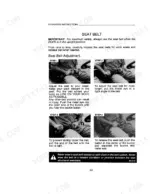
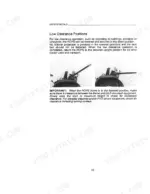
Need the factory operating reference for your Case IH 1130 or 1140? This 180-page operator manual (OEM #9-19570) puts every instrument, control, and field procedure in your hands. Inside: a full safety and decals section, a complete instrument panel walkthrough, operating instructions, field operation procedures, and an entire chapter on tires, wheels, spacing, and ballast. You also get the lubrication, filters, and fluids schedule, maintenance and adjustment procedures, electrical system coverage including alternator, batteries, fuses, and starter motor, plus storage procedures for fuel, engine oil, cooling system, battery, and clutch assembly. Torque the front wheel disc-to-hub bolts to 87-98 lb ft (118-132 Nm) and confirm rear PTO speed at 540 RPM at 2356 engine RPM. No more forum threads for specs you should have on paper. Bookmarked by section; opens on any device. Grab your tablet, walk to the tractor, and start wrenching.
What's Inside This Case IH 1130, 1140, 1130-1140 Operator Manual
| System | Pages | Key Topics |
|---|---|---|
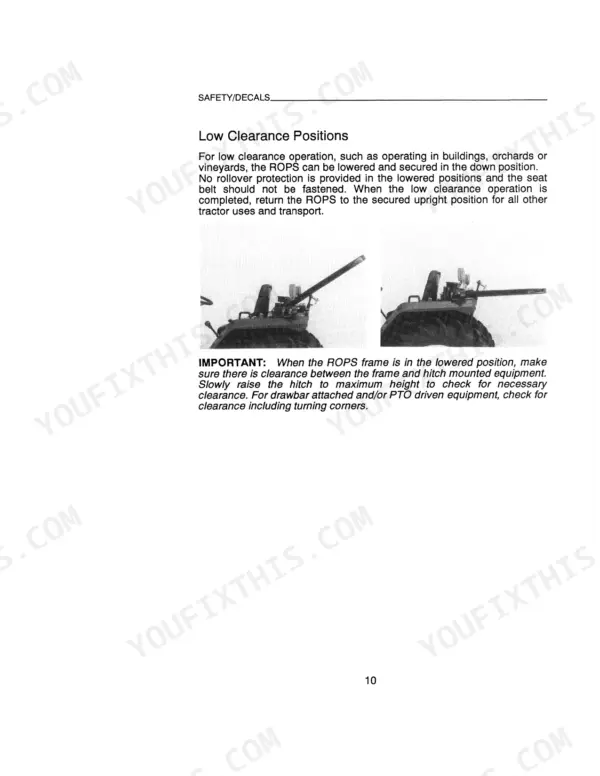
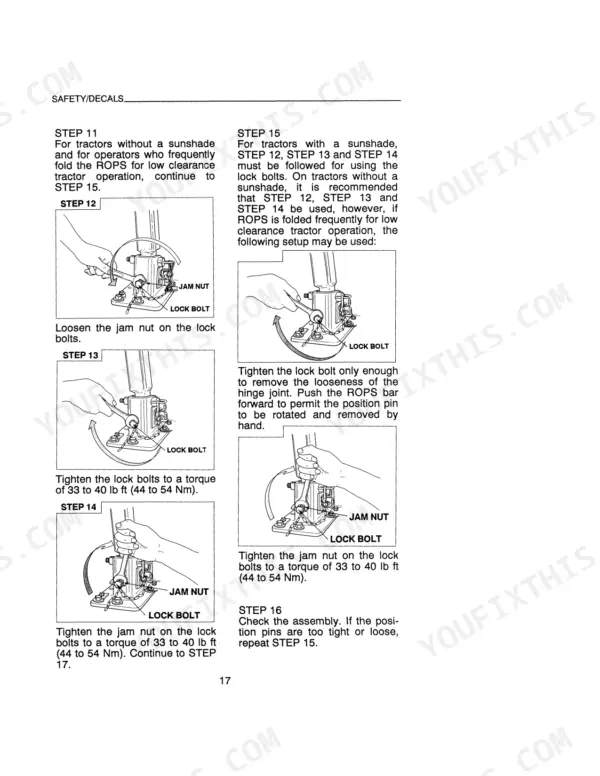
| Safety/Decals | 6-20 | ROPS, ROPS Bar, Lock Pin, Lock Nut, Jam Nut, Lock Bolt, Position Pin |
| Specifications | 21-36 | Diesel Engine, Air Intake System, Cooling System, Power Train, Tractor Brakes, Transmission, Clutch, Mechanical Front Drive (MFD) |
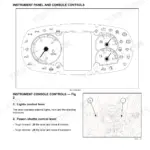
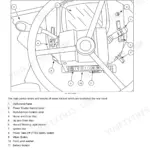
| Instruments/Controls | 37-53 | Instruments and Indicators, Control Switches, Control Levers and Pedals, Operators Seat, Steering Column Tilt |
| Operating Instructions | 54-81 | Engine, Lubrication Chart, Transmission, Fuel Tank, Fuel System, Cooling System, Engine Oil Pan, Fan Belt |
| Field Operation | 82-98 | Drawbar, Safety Chain, Three Point Hitch System, Hitch System, Upper Link, Stabilizer, Hitch Operation, Hitch Control Lever |
| Tires/Wheels/Spacing/ Ballast | 99-123 | Tires, Rims, Front Wheel, Rear Wheel, Extension Spacers, Tractor Ballast, Front End Weights, Rear Wheel Weights |
| Lubrication/ Filters/Fluids | 124-153 | Hood, Engine Oil, Fuel Tank, Coolant, Transmission Oil, Front Axle, Engine Hourmeter, Fuel System |
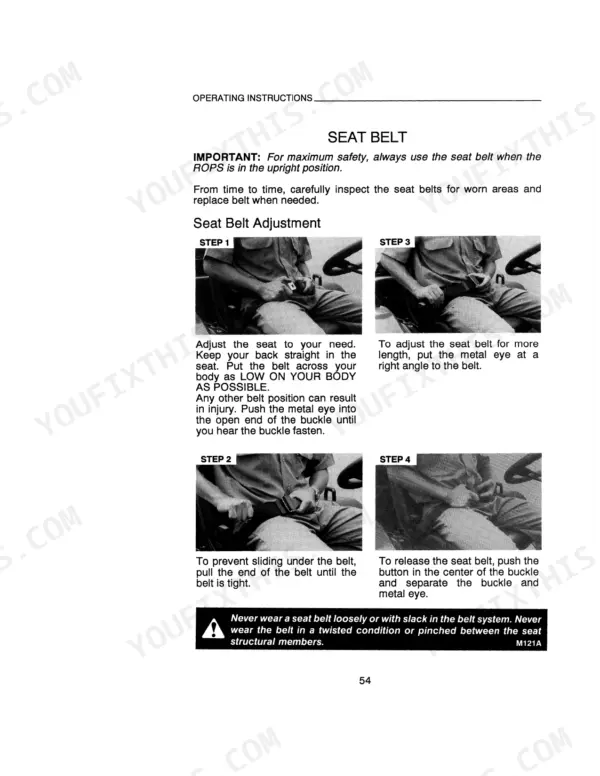
| Maintenance/ Adjustments | 154-160 | Grille Screens, Radiator Area, Fan Belt, Clutch Pedal, Brake Pedal, Seat Belt |
| Electrical System | 161-173 | Alternator, Batteries, Fuses, Lamps and Bulbs, Starter Motor |
| Storage | 174-175 | Fuel Tank, Engine Oil, Cooling System, Battery, Clutch Assembly |
Quick Reference Specifications
| Specification | Value | Page |
|---|---|---|
| Radiator Cap Pressure | 12.8 PSI (88.3 kPa) | p. 20 |
| Rear Power Takeoff (PTO) Speed | 540 RPM at 2356 Engine RPM | p. 22 |
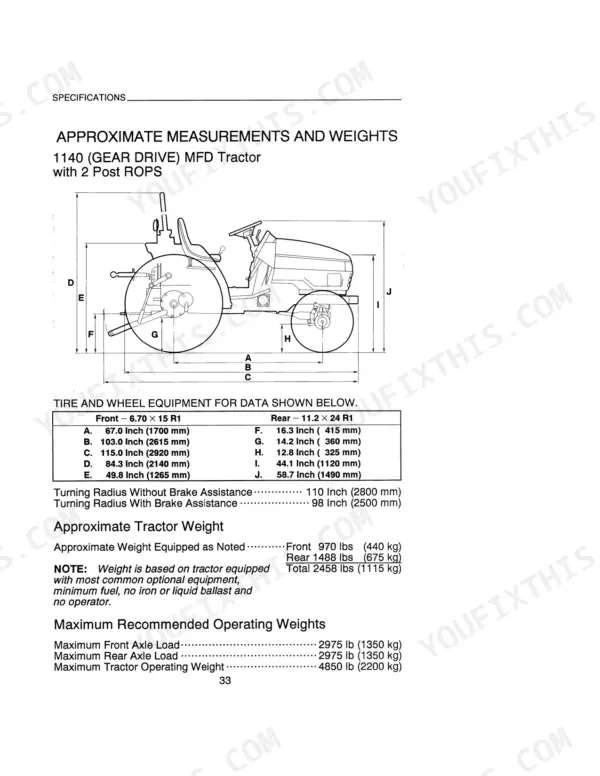
| Maximum Tractor Operating Weight | 4850 lb (2200 kg) | p. 27 |
| Front Wheel Disc to Axle Hub Bolts Torque | 87 to 98 lb ft (118 to 132 Nm) | p. 109 |
| Clutch Pedal Free Movement | 0.8 – 1.2 inch (20 – 30 mm) | p. 155 |
| Battery Voltage | 12 Volt | p. 159 |
Case IH 1130, 1140, 1130-1140 Common Problems This Manual Covers
Clutch slipping or pedal feels wrong, tractor won't fully disengage gears
Measure clutch pedal free movement: it should be 0.8 to 1.2 inch (20 to 30 mm). If it's outside this range, adjust per the procedure on page 155. Too little free play causes clutch slip and overheating; too much prevents full disengagement. Do not continue operating with a slipping clutch — heat buildup accelerates wear across the drivetrain.
Manual Section: Maintenance/ Adjustments p. 155Fuel system losing prime, engine hard to restart after running out of fuel or filter change
Replace the fuel filter element per page 138, then remove air from the fuel system using the bleed procedure on page 139. Open the bleed screw on the fuel filter housing, pump the hand primer until bubble-free fuel flows, then tighten the screw. Crank in short 10-second bursts with 30-second pauses to protect the starter motor.
Manual Section: Lubrication/ Filters/Fluids p. 138Frequently Asked Questions
How do you fix case IH 1130/1140 temperature gauge climbing into red zone during normal field operation?
Stop the tractor immediately and let the engine idle for 2-3 minutes before shutdown. Check the coolant level in the radiator only after the engine cools. Inspect hoses and connections for cracks or loose clamps, as covered on page 133. Verify the radiator cap holds 12.8 PSI (88.3 kPa) — a weak cap causes coolant loss under load. Clean debris from the radiator fins and check fan belt tension at pages 153-154. p. 133
How do you fix engine dies suddenly while running a brush hog or PTO-driven implement?
Check all safety interlock switches before restarting: seat switch, PTO engagement switch, and neutral start switch. Verify PTO is set to 540 RPM at 2356 engine RPM — overspeed under heavy load can trigger a shutdown. Inspect fuses and fusible links on page 162. If the engine cranks but won't fire, bleed air from the fuel system per page 139. p. 162
How do you fix tractor won't start or cranks sluggishly on cold mornings?
Check the 12-volt battery charge level and inspect terminals for corrosion. Clean terminals and apply dielectric grease. If voltage is low, charge the battery following the safety procedure on page 166 — never charge a frozen battery. Inspect fuses on page 162 before assuming a starter fault. Cold weather thickens engine oil, so verify you're using the season-appropriate viscosity grade listed in the Lubrication section starting at page 124. p. 166
How do you fix warning or indicator light stays on after engine reaches normal operating temperature?
Identify the indicator using the instruments and controls layout starting at page 37. Cross-reference the specific symbol against your dashboard panel. Check the fluid level corresponding to the warning: coolant at the sight glass, engine oil at the dipstick. If an oil pressure or charge warning persists with correct fluid levels, inspect the alternator connections and check fuses at page 162 before operating further. p. 37
Is this manual a digital download?
A 180-page Operator Manual in searchable PDF format, available the moment you complete checkout. View on computer, tablet, or phone, with no shipping wait.
Can I print this manual?
No restrictions at all. Print individual pages, full chapters, or the entire manual. The PDF is completely unlocked.



Reviews
There are no reviews yet.