
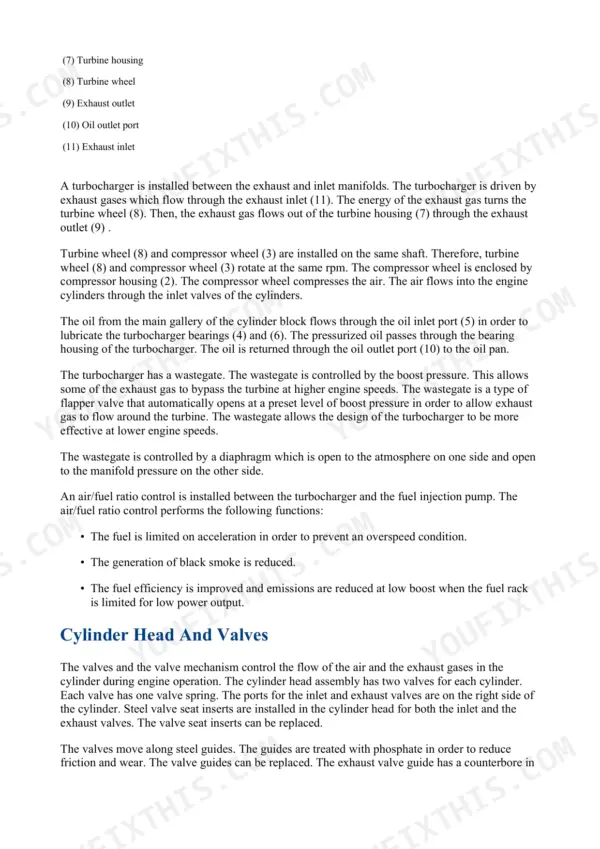
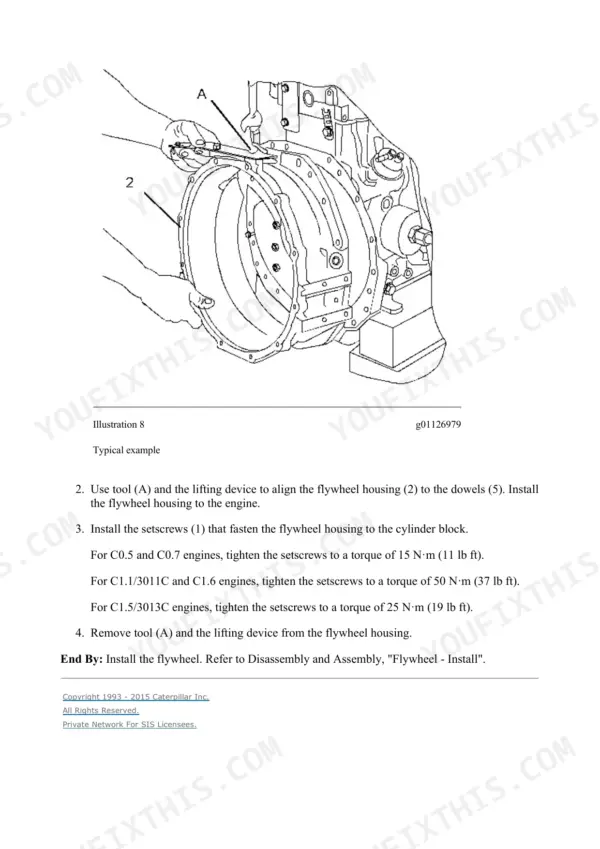
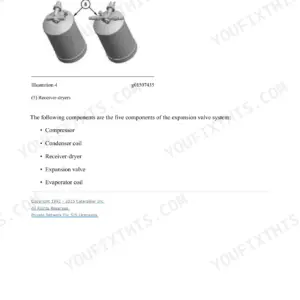
This is the factory Cat SIS repair bundle for the 216, 226 and 228 skid steer loaders in the 3034-engine configuration (serial prefixes 4NZ, 5FZ, 6BZ). Everything is here to strip and rebuild the machine: the 3034 engine from cylinder head to crankshaft, cooling and fuel systems, the hydrostatic power train with stall and double-stall test procedures, the full hydraulic system with pump flow tests and relief valve adjustment, loader linkage, cab and R134a air conditioning. The electrical section carries the wiring schematics plus harness open and short circuit tests. These are mechanical machines - diagnosis is done with a pressure gauge, a tachometer and a stopwatch, and this bundle gives you every target number to test against.
What's Inside This Caterpillar 216 / 226 / 228 Repair Manual
| System | Pages | Key Topics |
|---|---|---|
| Air Inlet and Exhaust System | 1-58 | Turbocharger, Exhaust and Air Intake Service for the 3034 Engine |
| Basic Engine | 59-576 | Cylinder Head, Block, Pistons, Crankshaft, Camshaft, Engine Crankcase Pressure (Blowby) Test and 3034 Engine Specifications |
| Cooling System | 577-750 | Radiator, Water Pump, Thermostat, Hoses and Cooling System Testing |
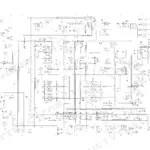
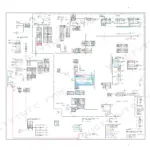
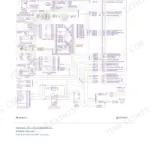
| Electrical and Starting System | 751-2060 | Alternator, Starter, Batteries, System Schematics, Wiring Harness Open and Short Circuit Tests, Engine Oil Pressure Switch, Machine Security System, Product Link |
| Frame and Body | 2061-2083 | Loader Frame, Covers and Body Panels |
| Fuel System | 2084-2290 | Injection Pump, Injectors, Fuel Lines, Fuel System Operation and Testing |
| Hydraulic System | 2291-2751 | Pump Flow Test, Pilot System Pressure, Main and Line Relief Valve Test and Adjust, Hydraulic Oil Contamination Test, Filling and Flushing, Bank Valve, Interlock Manifold and Diverter Valve, Troubleshooting Worksheets |
| Implements | 2752-2806 | Loader Linkage, Bucket and Work-Tool Circuits, High Flow Troubleshooting |
| Lubrication System | 2807-2882 | Oil Pump, Engine Oil Pressure and Relief Valve, Filters and Lubrication Testing |
| Machine Arrangement | 2883-2894 | Overall Machine Arrangement Drawings |
| Operator Station | 2895-3451 | Cab, Seat, Controls, Hand and Foot Control Linkage, Heating and Air Conditioning R134a |
| Power Train | 3452-3734 | Hydrostatic Pumps and Motors, Stall and Double-Stall Tests, Final Drives, Chains, Axles and Brake Service |
| Service Equipment and Supplies | 3735-3756 | Dealer Service Tools and Shop Supplies |
| Work Tools | 3757-3765 | Work-Tool Mounting and Coupler Service |
Quick Reference Specifications
| Specification | Value | Page |
|---|---|---|
| 216 | ||
| Main relief valve pressure, 216 | 21400 +/- 700 kPa (3100 +/- 100 psi) | p. 2445 |
| Line relief valve pressure (auxiliary circuit), 216 | 23000 +/- 700 kPa (3335 +/- 100 psi) | p. 2450 |
| 226 | ||
| Main relief valve pressure, 226 | 23000 +/- 700 kPa (3335 +/- 100 psi) | p. 2445 |
| Line relief valve pressure (auxiliary circuit), 226 | 25000 +/- 700 kPa (3625 +/- 100 psi) | p. 2450 |
| 216, 226 | ||
| Line relief valve pressure (lift cylinder head end) | 27600 +/- 700 kPa (4000 +/- 100 psi) | p. 2450 |
| Line relief valve pressure (tilt cylinder head end) | 24100 +/- 700 kPa (3495 +/- 100 psi) | p. 2450 |
| Line relief valve pressure (tilt cylinder rod end) | 27600 +/- 700 kPa (4000 +/- 100 psi) | p. 2450 |
| Engine speed (high idle) | 2820 +/- 50 rpm | p. 2454 |
| Engine speed (low idle) | 1000 +/- 50 rpm | p. 2454 |
| Charge pressure PS1 (low idle / high idle) | 2900 +/- 100 kPa (420 psi) / 3300 +/- 200 kPa (480 psi) | p. 2454 |
| Speed sensing pressure PS2 (low idle / high idle) | 1100 +/- 100 kPa (160 psi) / 2200 +/- 100 kPa (320 psi) | p. 2454 |
| Pilot pressure (high idle) | 3300 +/- 200 kPa (480 +/- 30 psi) | p. 2441 |
| Lift cylinder speed (raise / lower / float) | 2.7 / 2.7 / 2.8 seconds (+/- 0.2) | p. 2454 |
| Tilt cylinder speed (forward / back) | 2.0 / 1.6 seconds (+/- 0.2) | p. 2454 |
| Cylinder drift wear limit (lift and tilt) | maximum 3 mm in 1 minute with a 200 kg load | p. 2454 |
| Engine stall speed (stall test) | 2200 +/- 500 rpm | p. 2456 |
| MA pressure, front and rear pump (stall test) | 38200 +/- 2000 kPa (5512 +/- 290 psi) | p. 2456 |
| Engine stall speed (double stall test) | 2000 +/- 500 rpm | p. 2456 |
| MA pressure, front and rear pump (double stall test) | 35000 +/- 3000 kPa (5075 +/- 435 psi) | p. 2456 |
| Wheel speed (maximum runout) | 80 +/- 8 rpm | p. 2457 |
| Pump case pressure (low idle / high idle) | 100 +/- 50 kPa / 200 +/- 100 kPa | p. 2456 |
| Fan speed (low idle / high idle) | 1225 +/- 25 rpm / 2300 +/- 50 rpm | p. 2456 |
| All models | ||
| Hydraulic pump wear limit | maximum flow loss 7 percent | p. 2438 |
| Hydraulic oil contamination limit | 125000 particles >5 microns and 16000 particles >15 microns per 50 mL sample | p. 2478 |
| Engine | Cat 3034 (this bundle is the 4NZ00001-03399 configuration, powered by 3034) | p. 1 |
Caterpillar 216 / 226 / 228 Common Problems This Manual Covers
Loader feels slow and weak, cycle times over spec on both lift and tilt
When everything is slow at once, suspect the pump before the cylinders. Run the pump flow test in the Hydraulic System section - flow loss over 7 percent means the pump is past its wear limit. Also pull a hydraulic oil sample: over 125000 particles above 5 microns per 50 mL sample is contaminated oil eating the pump.
Manual Section: Hydraulic System p. 2438Machine drives weak on one side or stalls under load
Run the stall test from the Power Train section: engine should hold 2200 rpm with MA pressure at 38200 kPa on both front and rear pumps. Then the double stall - 2000 rpm and 35000 kPa. One pump reading low while the other holds spec tells you which side of the hydrostatic loop failed without opening anything.
Manual Section: Power Train p. 2456Bucket drifts down with a load, operator keeps feathering the lever to hold grade
Measure it before you spend money: 200 kg in the bucket, more than 3 mm of drift in 1 minute fails. The Hydraulic System section shows how to isolate cylinder seals from the line relief valves - the lift head end relief should hold 27600 kPa, so a leaking relief mimics bad seals.
Manual Section: Hydraulic System p. 2454Electrical fault - no crank, no charge, or an intermittent circuit somewhere in the harness
The Electrical and Starting System section carries the system schematics plus step-by-step wiring harness open and short circuit tests. Work the starter and alternator tests first, then trace the harness with a meter following the schematic. No code reader exists for these machines, so the schematic is the diagnostic tool.
Manual Section: Electrical and Starting System p. 1384Frequently Asked Questions
How do I know if my lift and tilt cylinders are worn out?
Two checks, both with a stopwatch and a rule. Cycle times: lift raise and lower should each run 2.7 seconds, float 2.8, tilt forward 2.0 and tilt back 1.6, all plus or minus 0.2. Then the drift test: with a 200 kg load, a cylinder must not drift more than 3 mm in 1 minute. Blow either number and the Hydraulic System section walks you through isolating the cylinder from the valve. This is the test to run before you buy a used machine. p. 2454
My 216 will not drive. Where do I start?
Start with charge pressure, not the drive motors. Hook a gauge to PS1 - you want 2900 kPa (about 420 psi) at low idle and 3300 kPa at high idle. No charge pressure means the hydrostatic loop cannot fill, and the machine sits still no matter what the pumps look like. The Power Train section covers PS1 and the PS2 speed sensing pressure (1100 kPa low idle, 2200 kPa high idle), then the stall and double-stall tests to split pump from motor. p. 2454
What is the main relief pressure? I see different numbers quoted.
Because the 216 and 226 are different. The 216 main relief is 21400 kPa (3100 psi), the 226 is 23000 kPa (3335 psi), both plus or minus 700 kPa. Test a 226 against the 216 spec and you will chase a low-pressure fault that does not exist. The auxiliary line reliefs split too: 23000 kPa on the 216, 25000 kPa on the 226. The Hydraulic System section gives the test and adjust procedure for the main and every line relief. p. 2445
Can I reset error codes on these machines?
There are no error codes to reset. These are early-2000s mechanical machines - no ECM fault list, no diagnostic screen, no DPF or AdBlue. When something is wrong, the machine tells you through pressures, speeds and temperatures, and this manual tells you what those numbers should be. The hydraulic troubleshooting worksheets in the Hydraulic System section replace the code reader: you fill in measured values and the worksheet points at the failed component. p. 2413
My 216 only revs to about 2800 rpm but I read high idle should be 3240. Is the governor bad?
No. 2820 plus or minus 50 rpm is correct for this machine. The 3240 figure floating around is for the 3024-engine 216, a different configuration. This bundle covers the 3034-engine machines (4NZ serial range), and for those high idle is 2820 rpm and low idle is 1000 rpm. Check which engine you have before you touch the fuel injection pump - adjusting a healthy governor to a wrong spec is how good pumps get ruined. p. 2454

Reviews
There are no reviews yet.