
Part of the Kubota Operator Manuals.
This is the factory operator's manual for the Kubota RTV-X1140 diesel utility vehicle, publication K7621-7121-2, a 113-page English guide for the RTV-X1140 series powered by the Kubota D1105 engine. It is the owner and operator reference, covering running the machine and the maintenance you handle yourself.
Inside are the instrument panel and control layout, starting and warm-up steps, driving and parking, cargo bed and seating changes, hydraulic outlet operation, towing and transport, and the full periodic service schedule with daily, 50-, 100-, 200-, and 300-hour checks. Specification and vehicle-limitation tables list fuel and oil capacities, cargo and towing limits, and torque figures.
Owners and mechanics can use it to operate the RTV-X1140 safely, service it on schedule, and troubleshoot engine, battery, and machine faults.
Complete the set for your RTV-X1140
What's Inside This Kubota RTV-X1140 Operator Manual
| System | Pages | Key Topics |
|---|---|---|
| Safe Operation | 11-20 | Roll-Over Protective Structures, Seat Belts, Trailer Hitch, Cargo Bed, Hydraulic Outlet, Differential Lock |
| Servicing of Vehicle | 21 | Engine Oil, Transmission Fluid, Brake Fluid, Coolant, Fuel Filter, Air Cleaner |
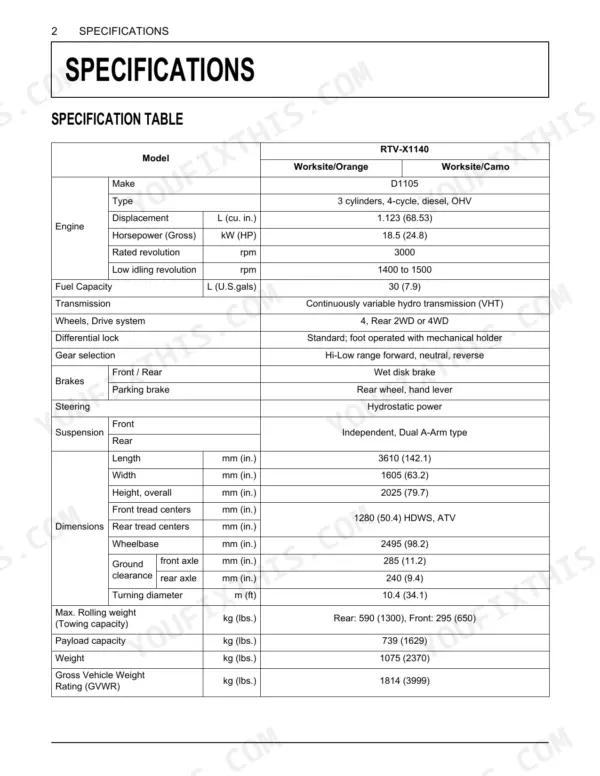
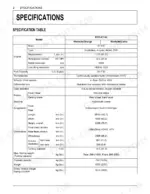
| Specifications | 22-23 | Specification Table, Travelling Speeds |
| Vehicle Limitations | 24 | Cargo Loading Weight, Permissible Cargo Load, Payload Capacity, Rolling Weight, Tongue Weight |
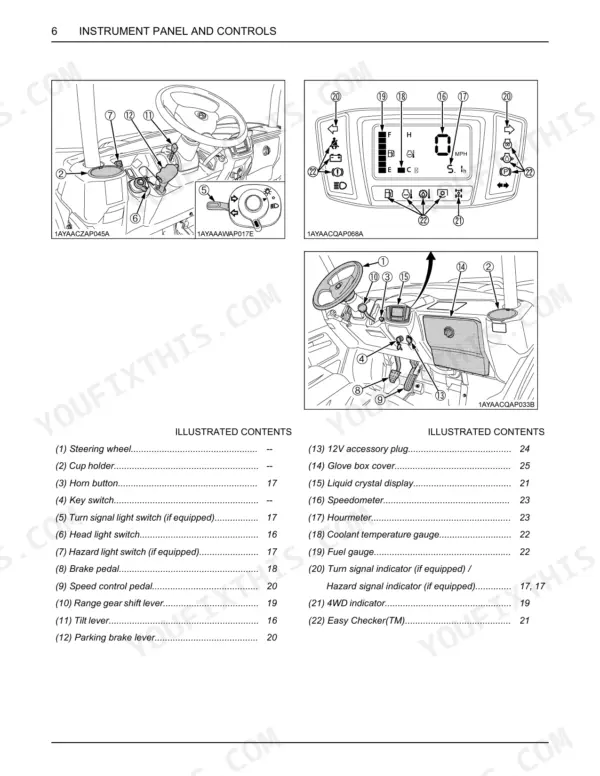
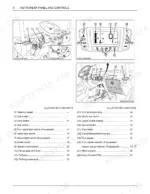
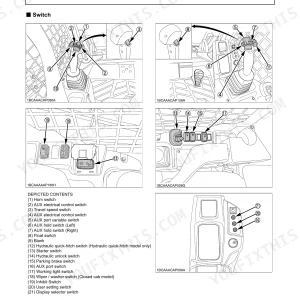
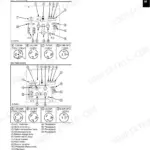
| Instrument Panel and Controls | 25-28 | Location of Parts |
| Pre-Operation Check | 29 | Daily Check |
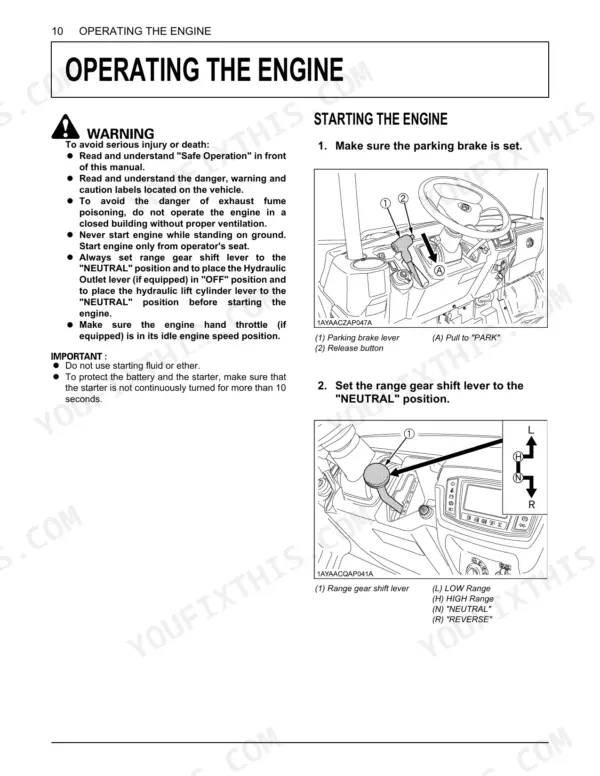
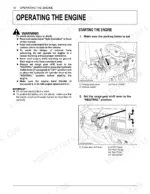
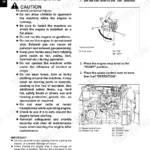
| Operating the Engine | 30-34 | Starting the Engine, Stopping the Engine, Warming Up, Jump Starting |
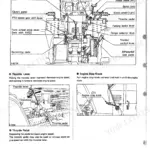
| Operating the Vehicle | 35-49 | Operating New Vehicle, Starting, Stopping, Check During Driving, Parking, Accessory, Operating Techniques, Operating Hand Throttle |
| Seating and Cargo Bed | 50-55 | Cargo Bed, Changing Seating and Cargo Bed |
| Hydraulic Outlet | 56-57 | Hydraulic Outlet Lever, Hydraulic Outlet Valve Coupler, Hydraulic Hoses, Restricting Plate |
| Tyres and Wheels | 58-59 | Tyres, Wheels, Shock Absorbers |
| Towing and Transporting | 60-61 | Rear Trailer Hitch, Front Trailer Hitch, Winch Mount Bracket, Transport the Vehicle Safely |
| Maintenance | 62-68 | Service Intervals, Lubricants Fuel and Coolant |
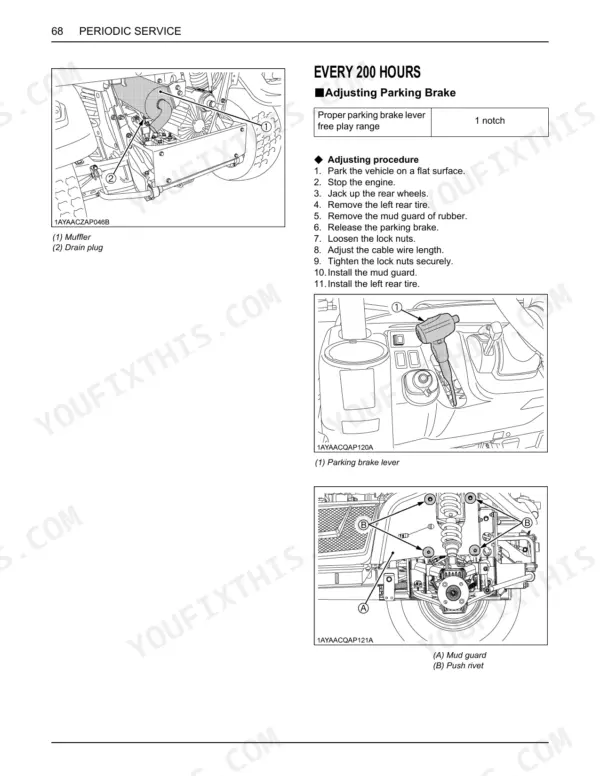
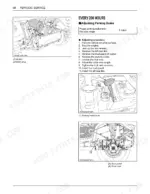
| Periodic Service | 69-106 | How to Open the Hood and Tilt the Seat, How to Raise the Cargo Bed, Jack Up Point, Daily Check, Every 50 Hours, Every 100 Hours, Every 200 Hours, Every 300 Hours |
| Storage | 107 | Vehicle Storage, Removing the Vehicle From Storage |
| Troubleshooting | 108-110 | Engine Troubleshooting, Battery Troubleshooting, Machine Troubleshooting |
| Options | 111 | Backup Beeper, Fabric Cover, Front Mud Guard, Front Trailer Hitch, Front Work Light, Winch Kit |
Quick Reference Specifications
| Specification | Value | Page |
|---|---|---|
| Wheel fastener torque (Aluminum wheel) | 90 to 110 N-m (9.2 to 11.2 kgf-m) (66.4 to 81.1 lbf-ft) | p. 59 |
| Wheel fastener torque (Steel wheel) | 108 to 130 N-m (11.1 to 13.2 kgf-m) (79.7 to 95.8 lbf-ft) | p. 59 |
| Engine Displacement | 1.123 L | p. 22 |
| Fuel Capacity | 30 L (7.9 U.S.gals) | p. 22 |
| Max. Cargo Load (Row 1 Seating Mode) | 500 kg (1102 lbs.) | p. 23 |
| Max. Rolling Weight (Towing capacity) Rear | 590 kg (1300 lbs.) | p. 22 |
| Engine Oil Capacity (Filter exchanged) | 4.1 L (4.3 U.S.qts.) | p. 65 |
| Transmission Case Oil Capacity | 7.0 L (1.8 U.S.gals.) | p. 65 |
| Hydraulic Tank Oil Capacity | 18.0 L (19.0 U.S.qts.) | p. 65 |
| Alternator Belt Tension Deflection | 4.0 to 5.9 mm (0.16 to 0.23 in.) | p. 83 |
| Proper Brake Pedal Free Travel | 8 to 18 mm (0.3 to 0.7 in.) | p. 73 |
| Muffler Spark Arrester Cleaning Interval | every 100 hours | p. 62 |
Kubota RTV-X1140 Common Problems This Manual Covers
Difficult or rough shifting
Hard or notchy range shifting is a common RTV-X1140 complaint and often traces to technique or linkage rather than internal failure. The Troubleshooting section lists machine faults and their checks.
Manual Section: Troubleshooting p. 108Hard starting or fuel trouble
Air in the fuel system or a clogged filter leaves the D1105 cranking without firing. The Operating the Engine section covers correct starting, warm-up, and jump starting.
Manual Section: Operating the Engine p. 30Engine overheating
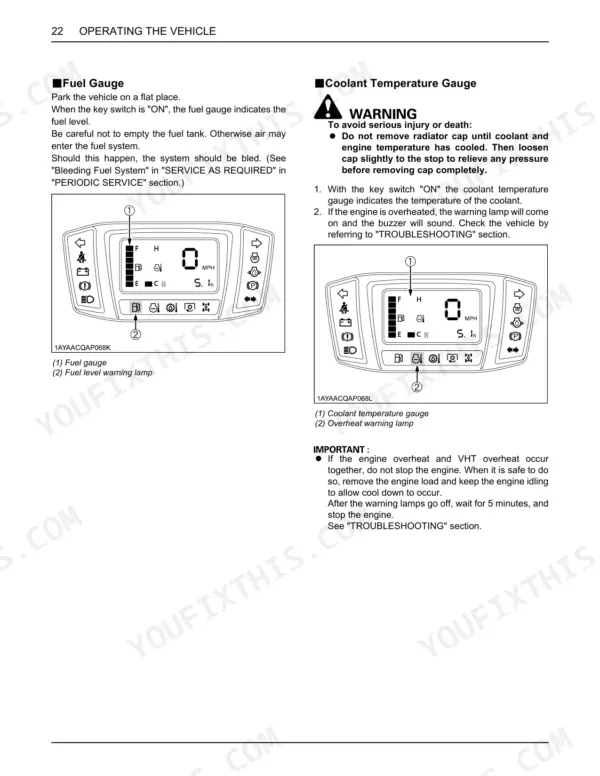
A radiator screen packed with debris or low coolant pushes temperatures up during heavy work. The Periodic Service section covers the daily radiator and coolant checks.
Manual Section: Periodic Service p. 69Hydraulic outlet will not operate
Attachments stall when the outlet lever, coupler, or restricting plate is set wrong. The Hydraulic Outlet section explains the lever, valve coupler, and hose connections.
Manual Section: Hydraulic Outlet p. 56Flat battery or no charge
A weak battery or a slack alternator belt leaves the vehicle dead. The Troubleshooting section covers the battery troubleshooting steps.
Manual Section: Troubleshooting p. 108Cargo bed will not raise
A stiff or stuck cargo bed points to the latch and pivots rather than the machine. The Seating and Cargo Bed section covers cargo bed operation and changes.
Manual Section: Seating and Cargo Bed p. 50Frequently Asked Questions
Which vehicle does this manual cover?
It covers the Kubota RTV-X1140 diesel utility vehicle with the D1105 engine, publication K7621-7121-2, including the RTV-X1140W and W-H variants noted for the series. p. 22
Is this the operator manual or the full workshop manual?
This is the operator's manual for running and owner-level maintenance. Major repairs are directed to the separate Kubota workshop manual.
What service schedule is included?
The Periodic Service section covers daily checks and Every 50, 100, 200, and 300 Hour service, with intervals summarized in the Maintenance section. p. 69
Does it list fluid capacities and torque values?
Yes. The Maintenance section lists engine oil, transmission, hydraulic, and coolant capacities, and the wheel fastener torque for the RTV-X1140. p. 62
What do I get after purchasing this Kubota RTV-X1140 manual?
Immediate download of the complete 113-page searchable Operator Manual. Access it on any device, laptop at your desk or phone in the field.
Can I print specific sections of this Kubota RTV-X1140 Operator Manual?
Yes. Print a single page or a chapter for your own shop use, on letter or A4.






Reviews
There are no reviews yet.