
Part of the New Holland Operator Manuals.
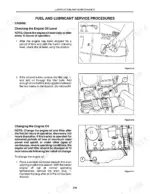
Within the hour you could be draining crankcase oil or swapping the hydraulic filter on your compact tractor, and this New Holland TC25D, TC29D, TC33D operator manual PDF (OEM ID 86587311, 101 pages) covers that work. Lubrication and maintenance fill roughly a third of the book: recommended lubricants, fuel and fluid service, general upkeep, and a wiring diagram for tracing a dead circuit. Operation chapters explain the instrument panel, hydrostatic transmission, PTO and tractor hydraulics, and a predelivery checklist closes out setup. Change engine oil and filter at 50 hours, then every 100 (every 70 under severe conditions); the hydraulic oil filter goes every 300 hours after its first 50-hour swap. The job stalls at the one number nobody remembers. Text is searchable and bookmarked by section, and the pages print clean, so your copy can live on the bench, take greasy thumbprints, and still get you back in the field before the weather turns.
What's Inside This New Holland TC25D, TC29D, TC33D Operator Manual
| System | Pages | Key Topics |
|---|---|---|
| Safety | 6-12 | Safety Precautions |
| General Information | 13-16 | Minimum Hardware Tightening Torques, International Symbols |
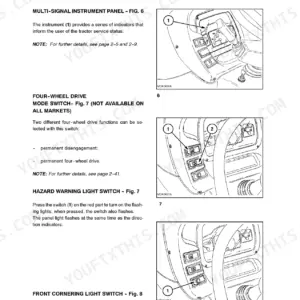
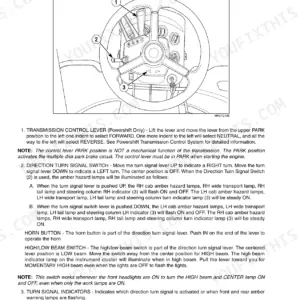
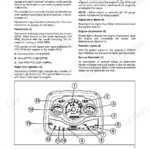
| Operation | 17-46 | Controls and Instruments, Instrument Panel, Starting the Engine, Brake Controls, Hydrostatic Transmission, Operation of the Power Take-Off, Tractor Hydraulics |
| Lubrication and Maintenance | 47-82 | Recommended Lubricants, Fuel and Lubricant Service Procedures, General Maintenance |
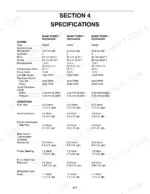
| Specifications | 83-91 | General Dimensions |
| Predelivery Service | 95-101 | Tire Pressure, Engine Oil Level, Hydraulic System, Brake Adjustment, Clutch Pedal, ROPS Bolt Torque |
Quick Reference Specifications
| Specification | Value | Page |
|---|---|---|
| Starting motor engagement limit | 30 seconds | p. 21 |
| Hydraulic system oil filter replacement interval | Every 300 hours of operation | p. 61 |
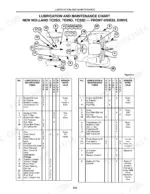
| Engine oil and filter change interval | After the first 50 hours of operation, then every 100 hours thereafter | p. 52 |
| Engine oil and filter change interval (severe conditions) | 70 hour intervals following the initial oil change | p. 52 |
| Air cleaner primary element cleaning pressure | 30 PSI or less | p. 57 |
| Air cleaner primary element cleaning interval | Every 100 hours of service | p. 57 |
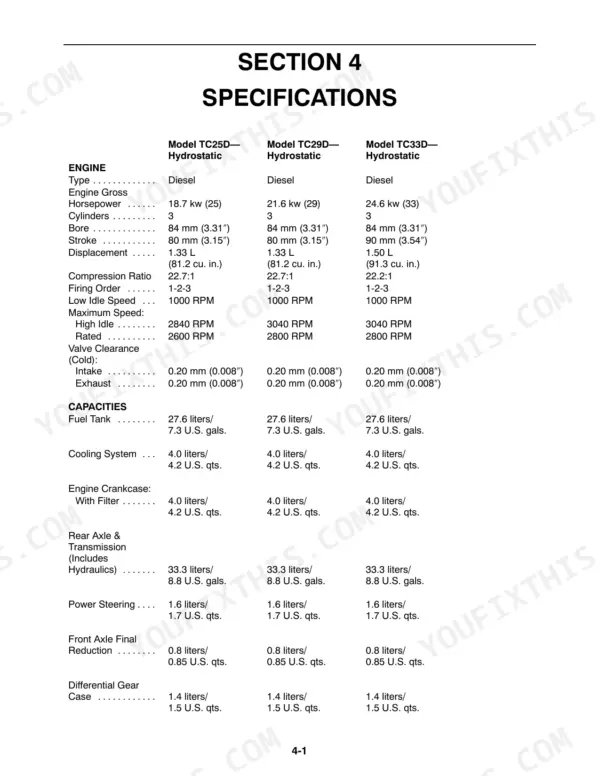
| System Relief Valve Setting | 147 bar (2133 PSI) | p. 85 |
| Engine Oil Capacity (with filter) | 4.0 liters (4.2 U.S. qts.) | p. 83 |
| Fuel Tank Capacity | 27.6 liters (7.3 U.S. gals.) | p. 83 |
| Cooling System Capacity | 4.0 liters (4.2 U.S. qts.) | p. 83 |
| Power Steering Oil Capacity | 1.6 liters (1.7 U.S. qts.) | p. 83 |
| Front Axle Final Reduction Capacity | 0.8 liters (0.85 U.S. qts.) | p. 83 |
New Holland TC25D, TC29D, TC33D Common Problems This Manual Covers
New Holland TC25D TC29D TC33D engine oil pressure warning light stays on after the engine starts
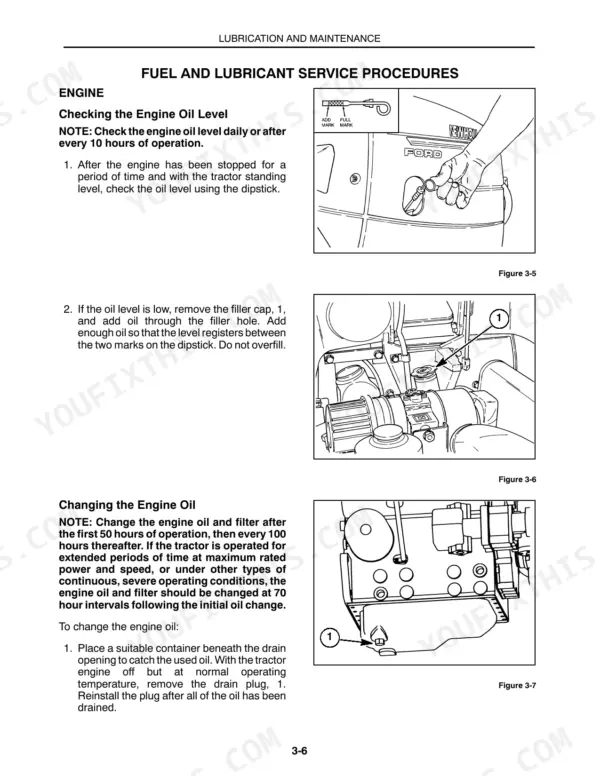
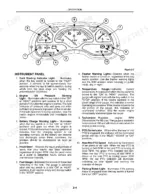
Stop the engine right away and check the oil pressure warning light description on page 20. Verify the engine oil level before restarting; the engine holds 4.0 liters (4.2 U.S. qts.) with filter per page 83. Change oil and filter every 100 hours following page 52, or every 70 hours under severe conditions.
Manual Section: Engine Oil Pressure Warning Light p. 20Battery charge warning light glowing on the instrument panel while the engine is running
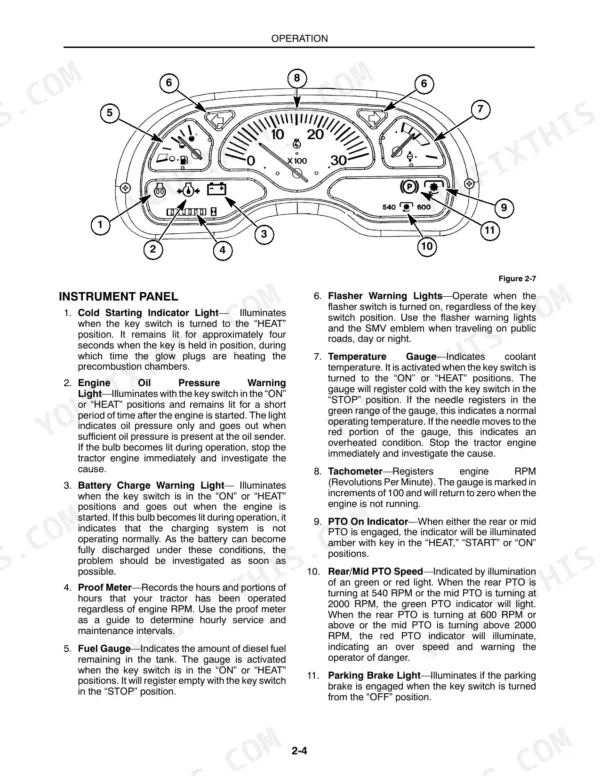
Check the battery charge warning light explanation on page 20; a lamp that stays lit with the engine running points to a charging system malfunction. Trace the charging circuit using the wiring diagram on page 82. Sort it out now, because a dead battery at sunrise costs you the morning when the ground is finally right.
Manual Section: Battery Charge Warning Light p. 20Temperature gauge needle climbing toward the hot range during long hours of field work
Check the temperature gauge guidance on page 20: if the needle moves to the red portion of the gauge, stop the tractor engine immediately and investigate the cause. With the engine cold, verify the coolant level and fill the system with a 50/50 solution of permanent antifreeze and water, as page 62 specifies; the cooling system holds 4.0 liters (4.2 U.S. qts.) per page 83. Page 62 warns it is dangerous to remove the cap while the system is hot: cover the cap with a thick cloth, turn it slowly to the first stop and allow pressure to escape before removing it.
Manual Section: Temperature Gauge p. 20Engine will not restart after running the fuel tank dry with air in the fuel system
Fill the tank, which holds 27.6 liters (7.3 U.S. gals.) per page 83, then bleed air from the fuel system following the step-by-step procedure on page 55. Page 55 warns that fuel in the injection system is under high pressure and can penetrate the skin, so check for leaks with a piece of cardboard or paper, never your hand. If the engine still will not fire, bleed the injector lines next as shown on page 56. Never hold the starting motor engaged longer than 30 seconds at a time, per page 21.
Manual Section: Bleeding Air From the Fuel System p. 55Engine losing power and blowing black exhaust smoke from a clogged air cleaner element
Page 58 notes that a clogged air cleaner element can cause loss of engine power or excessive black exhaust smoke. Remove and clean the primary air cleaner element every 100 hours following page 57, using compressed air at 30 PSI or less; page 57 cautions never to tap the element with hard objects or against a hard surface. Replace the inner safety element every third primary element change or after every 1000 hours of operation, whichever comes first, per page 58.
Manual Section: Air Cleaner Maintenance p. 57Tractor will not crank with a dead battery and needs a jump start
Connect jumper cables following the Starting the Tractor with Jumper Cables procedure on page 22. Page 22 warns that batteries produce explosive gases: wear eye protection, keep sparks and flame away, and start the engine only from the operator's seat. Never engage the starting motor longer than 30 seconds, per page 21. Once it is running, watch the battery charge warning light described on page 20; if it stays lit, fix the charging system before tomorrow's start.
Manual Section: Starting the Tractor with Jumper Cables p. 22Frequently Asked Questions
How do you bleed the fuel system on a New Holland TC25D, TC29D, or TC33D?
To bleed the fuel system, first ensure there is adequate fuel in the tank and open the fuel shutoff valve. Open the bleed screw at the pump until air-free fuel flows, then close it. Finally, push the hand throttle to the high speed position and turn the engine over for a few seconds to bleed the high pressure fuel tubes. Page 55 warns that fuel in the system is under high pressure and can penetrate the skin, so search for leaks with cardboard or paper, not your hand. p. 55
What are the fuel filter and fuel system seal replacement specs for the New Holland TC25D, TC29D, TC33D?
The diesel fuel filter should be changed after the first 50 hours of operation, and then every 200 operating hours thereafter. When changing the filter, inspect the O-rings (items 4 and 5 in Figure 3-10) and replace them if necessary. p. 54
What is the hydrostatic transmission oil capacity on the New Holland TC25D, TC29D, TC33D?
The H.S.T. transmission has a fluid capacity of 7.5 gallons (28.4 liters). p. 59
What is the correct torque for the front wheel bolts on a New Holland TC25D, TC29D, TC33D?
The front wheel bolts must be tightened to 90 ft. lbs. (122 N⋅m). This torque specification is the same for both 2WD and FWD axles. p. 74
What is the correct fan belt tension for the engine?
When 20-25 lbs. (9-11 kg) of thumb pressure is applied midway between the belt pulleys, a correctly tightened fan belt will deflect 7/16 inch to 9/16 inch (10 mm-15 mm). p. 64
How will I receive this New Holland TC25D Operator Manual?
Delivery is instant: a 101-page searchable PDF is yours the second checkout clears. Laptop, tablet, or phone, all fine.
Can I print pages of this New Holland TC25D manual for my own shop?
Yes. Print a single page or a chapter for your own shop use, on letter or A4.






Reviews
There are no reviews yet.