
Part of the Case Operator Manuals.
All 248 pages of the Case CX80C Operator Manual (OEM #47542274) are built around one machine: your midi excavator, from the break-in period through daily operation. Inside, you get the complete controls layout covering every lever, pedal, display screen, and console switch in the cab, plus step-by-step procedures for load handling, quick coupler operation, and auxiliary hydraulic circuits. The safety chapter opens with signal word definitions, hand signals, and safety signs before you ever touch the controls. Maintenance intervals kick off at every 10 operating hours, the capacities table lists exact fluid volumes for each system, and the specs section rounds out with engine data, travel performance, and machine weights. No more chasing fluid specs on forums. Bookmarked for instant navigation, this PDF opens on your tablet, phone, or laptop, right there at the machine.
What's Inside This Case CX80C Operator Manual
| System | Pages | Key Topics |
|---|---|---|
| General Information | 7-16 | Basic Instructions, Consumables, Capacities, Releasing Pressure in the Hydraulic System, Breaker: Hydraulic Filters and Hydraulic Oil Replacement, Break-In Period |
| Safety Information | 17-48 | Signal Word Definitions, Safety Rules, Hand Signals, Safety Signs |
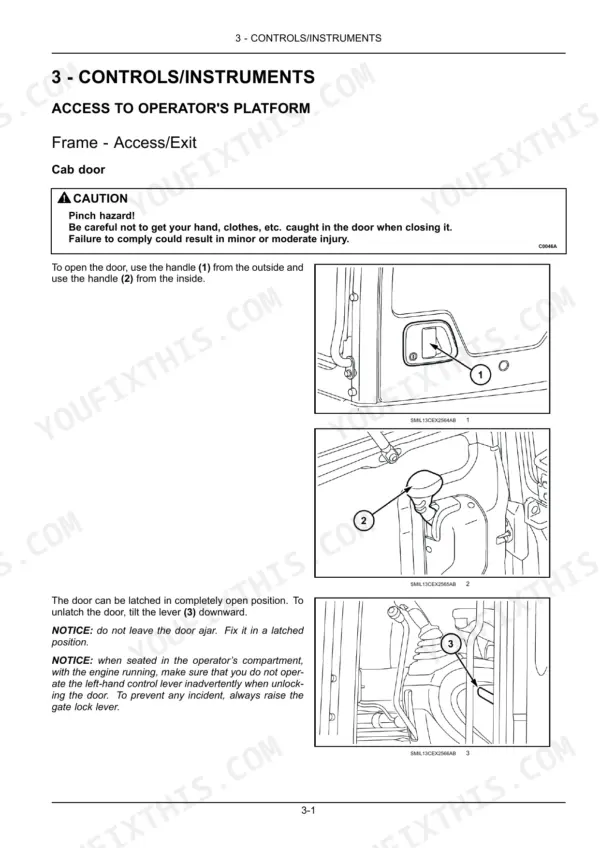
| Controls/Instruments | 49-104 | Access to Operator's Platform (Frame - Access/Exit), Operator's Seat (Pneumatically-Adjusted Operator Seat - Control Identification) |
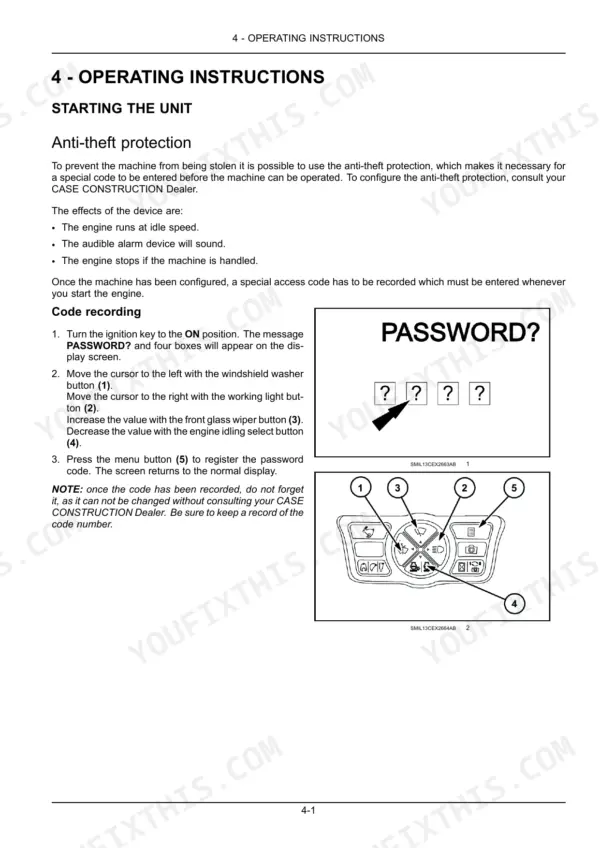
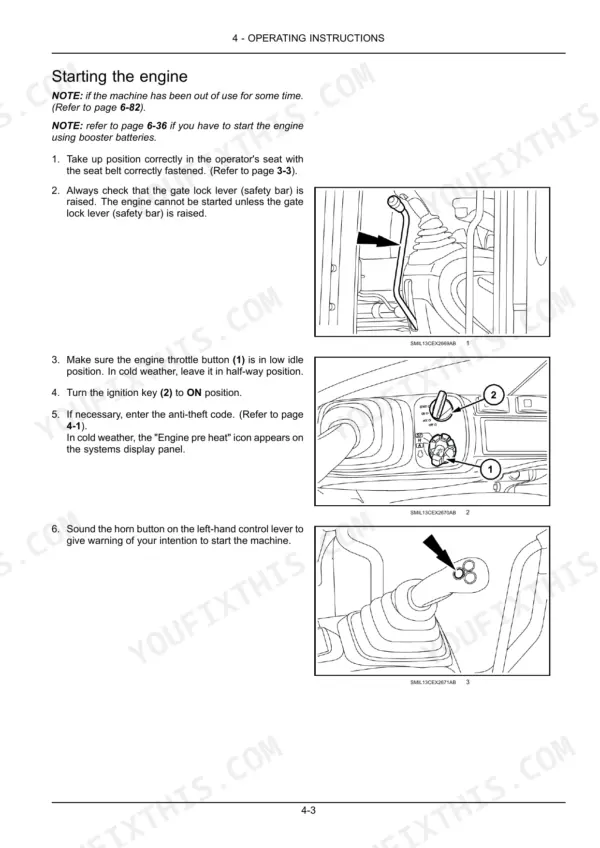
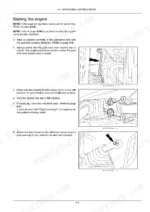
| Operating Instructions | 105-136 | Starting the Unit (Anti-Theft Protection, Starting the Engine, Bringing the Machine Up to Operating Temperature, Engine Operation, Operating the Machine in Hot or Cold Weather, Operating the Machine) |
| Transport Operations | 137-146 | Shipping Transport (Transporting the Machine, Tie Downs for Shipping, Procedure, Handling the Machine), Recovery Transport (Towing the Machine) |
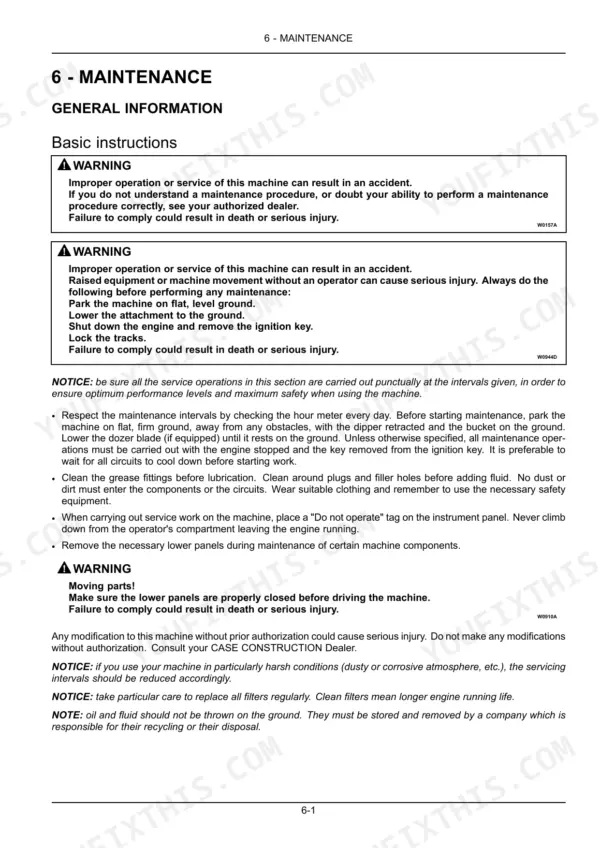
| Maintenance | 147-228 | Maintenance Chart, Every 10 Hours |
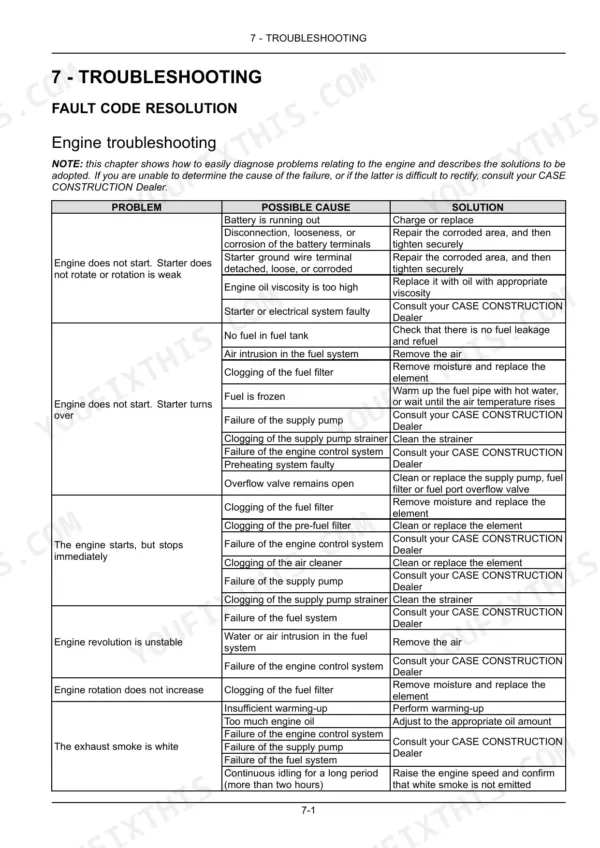
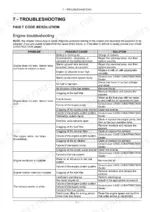
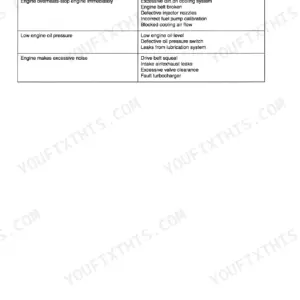
| Troubleshooting | 229-230 | Battery, Starter, Fuel System, Engine Control System, Air Cleaner, Cooling System |
| Specifications | 231-240 | Engine, Hydraulic System, Travel, Attachment, Dimensions, Weights |
Case CX80C Common Problems This Manual Covers
Case CX80C hydraulic fluid leaking from connections during daily walkaround inspection
Inspect all hydraulic hose fittings and connections for wetness or seepage before each shift. Wipe the area clean, then run the machine briefly and recheck. Tighten any loose fittings to the specified torque before operating. If seepage continues after tightening, replace the defective hose or fitting. Check hydraulic oil level at the sight glass and top off if below the MIN mark. Review daily inspection steps on page 147.
Manual Section: Maintenance p. 147Boom or bucket drifting down slowly while machine is parked and engine is off
Before leaving the cab, always lower the boom fully to ground level and curl the bucket flat. Engage the safety lock lever to block all hydraulic controls, as described on page 105. Never park with the attachment raised and unsupported. If drift continues even from ground level, inspect hydraulic connections for leaks on page 147 and check that the safety lock is fully engaged.
Manual Section: Operating Instructions p. 105Engine cranks but will not start, especially after sitting overnight
Verify the fuel shutoff is open and the tank has adequate fuel. Allow the glow plug preheat cycle to complete fully before cranking — wait for the indicator light to go out. Check that the battery terminals are clean and tight. If the engine still does not fire after two attempts, inspect the fuel supply line for air intrusion and confirm the engine oil level is within the operating range on the dipstick. Refer to the troubleshooting chart on page 229 for the engine no-start sequence.
Manual Section: Troubleshooting p. 229Steps or grab handles slippery with mud, oil, or ice when climbing into cab
Clean all steps, grab handles, and the operator platform with a degreaser or pressure washer before each shift. Always maintain three points of contact when entering or exiting. Do not jump down from the cab. If anti-slip surfaces on steps are worn smooth, report them for replacement before operating. Safety entry requirements are covered on page 17.
Manual Section: Safety Information p. 17Visibility blocked by dirty windshield, clogged mirrors, or obstructions around the machine
Before starting, walk the full perimeter of the machine and clear any personnel or obstacles within the swing radius. Clean the windshield and all mirrors. Adjust mirrors from the seat to cover both rear quarters. If the wiper blade streaks and cannot clear the glass, replace it before operating in rain or fog. Operator visibility requirements begin on page 17.
Manual Section: Safety Information p. 17Warning indicator light stays on after startup or illuminates during operation
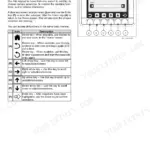
Identify the warning light using the instrument panel reference beginning on page 49. Do not continue operating until you understand the cause. A coolant temperature warning requires an immediate shutdown — check coolant level at the reservoir (not the radiator cap) after the engine cools. A hydraulic oil warning means check the sight glass level and inspect for leaks per the maintenance schedule on page 147. For engine oil pressure warnings, shut down immediately and check the oil level on the dipstick.
Manual Section: Controls/Instruments p. 49Frequently Asked Questions
What causes the machine to lose performance in the operator?
The machine's vibration can affect operator comfort, health, and safety, potentially leading to a loss of performance. To minimize this, ensure the operator's seat and its adjustment controls are in good condition and adjusted to suit the operator's size and weight. The seat should comply with ISO 7096, 2000 standard, EM 6 class.
How will I receive this Case CX80C Operator Manual?
A 248-page Operator Manual in searchable PDF format (17 MB), available the moment you complete checkout. View on computer, tablet, or phone, with no shipping wait.
Am I able to print pages from this Case CX80C manual?
Yes. Print the sections you need to take out to the shop for your own use. Standard letter or A4 paper works.







Reviews
There are no reviews yet.