
Part of the Hitachi Repair Manuals.
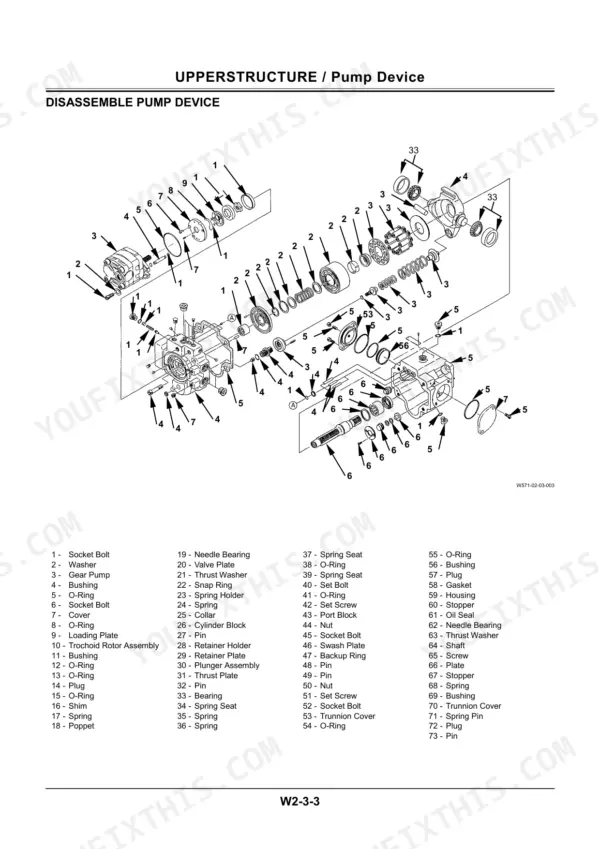
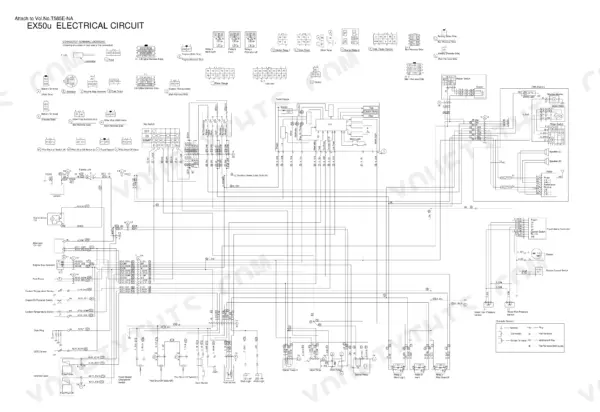
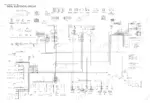
Every 470 pages of this Hitachi EX50u Technical Manual PDF cover one machine: your EX50u compact excavator, from the pump device to the final drive. You get factory wiring diagrams, a full troubleshooting section for engine, actuator, and electrical faults, and complete torque charts for disassembly and reassembly. Inside: operational performance tests for engine speed, travel speed, swing speed, and cylinder cycle times, plus teardown procedures for the swing bearing, travel device, boom, arm, and bucket cylinders. Warm the hydraulic oil to 50±5 °C before pressure testing, then torque the overload relief valve to 42 to 49 N·m. No more chasing electrical gremlins with a test light and a hunch. Bookmarked PDF that opens on any device; search a spec by keyword, walk to the machine, and get to work.
Complete the set for your EX50u
- Parts Catalog: Hitachi EX50U Parts Catalog
Other edition of this manual
What's Inside This Hitachi EX50u Manual
| System | Pages | Key Topics |
|---|---|---|
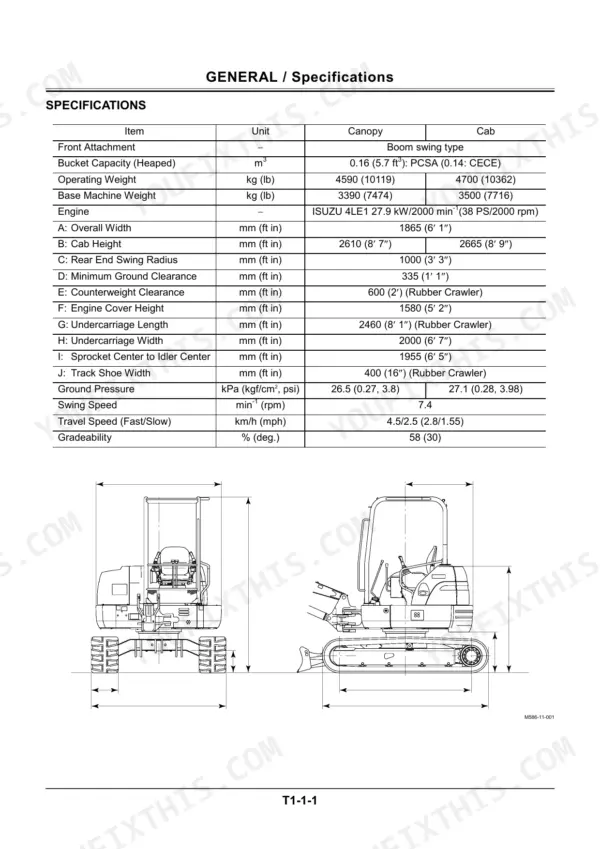
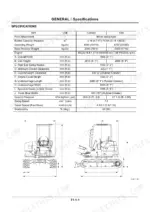
| Specification | 2-7 | Specifications, Working Ranges, Engine Specification |
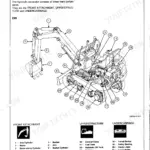
| Component Layout | 8-11 | Main Components, Electrical System, Relays, Monitor and Switches |
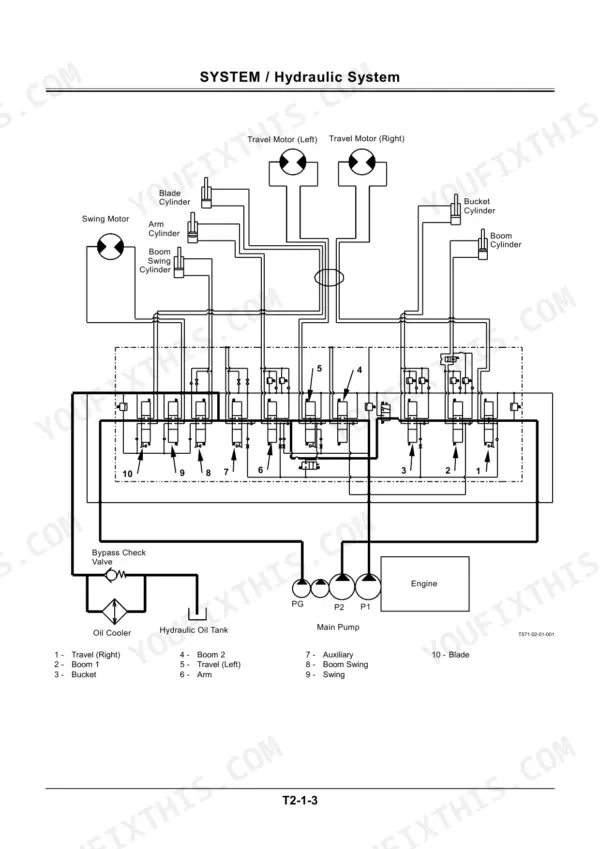
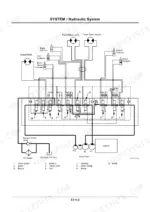
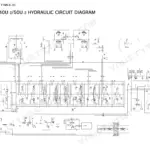
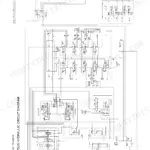
| System | 12-19 | Hydraulic System Outline, Main Circuit, Pilot Circuit |
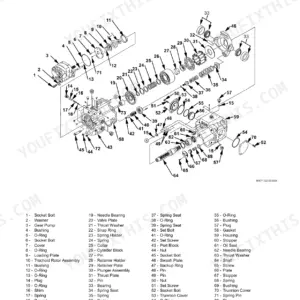
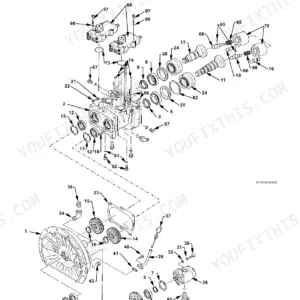
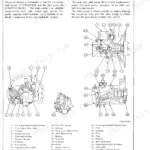
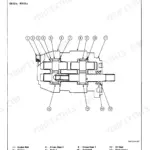
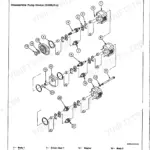
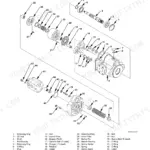
| Component Operation | 20-67 | Pump Device, Swing Device, Control Valve, Pilot Valve, Travel Device, Solenoid Valve |
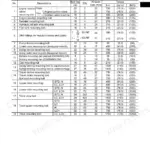
| Operational Performance Test | 68-109 | Engine Speed, Travel Speed, Swing Speed, Hydraulic Cylinder Cycle Time, Primary Pilot Pressure, Main Relief Valve Set Pressure |
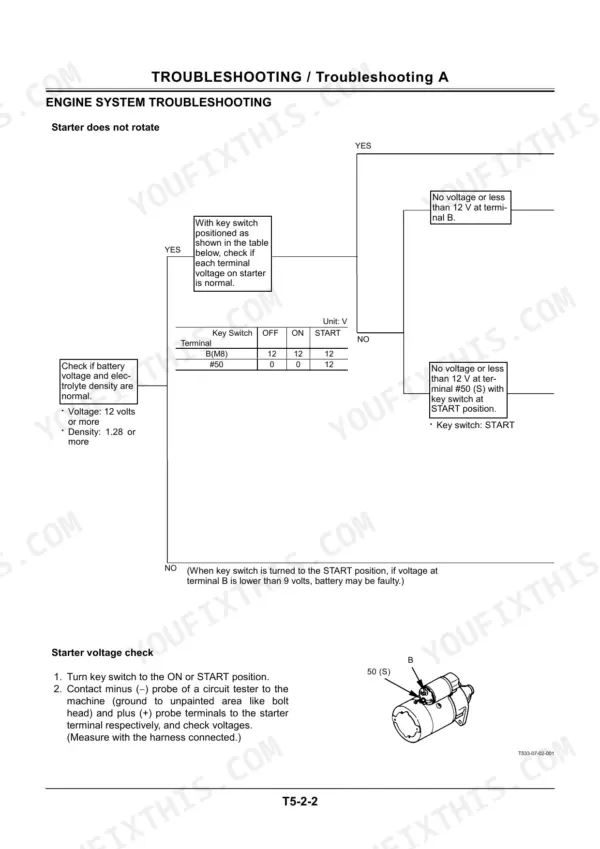
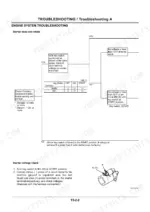
| Troubleshooting | 110-153 | Diagnosing Procedure, Engine System Troubleshooting, Actuator Operating System Troubleshooting, Malfunction of Coolant Temperature Gauge, Electrical System Inspection |
| All Diagrams | 154-156 | |
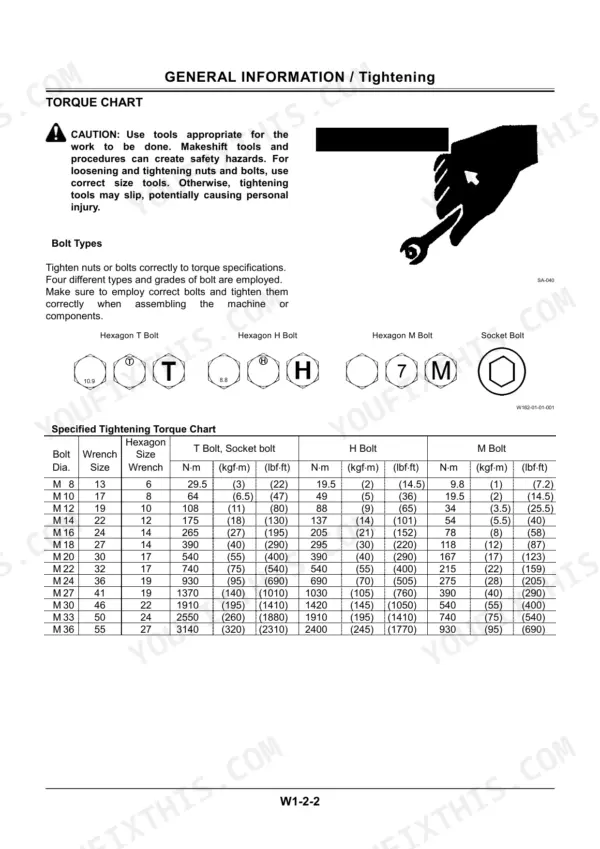
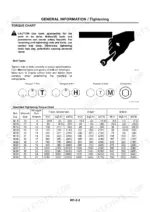
| General Information | 157-172 | Precautions for Disassembling, Precautions for Assembling, Tightening Torque Specification, Torque Chart, Piping Joint |
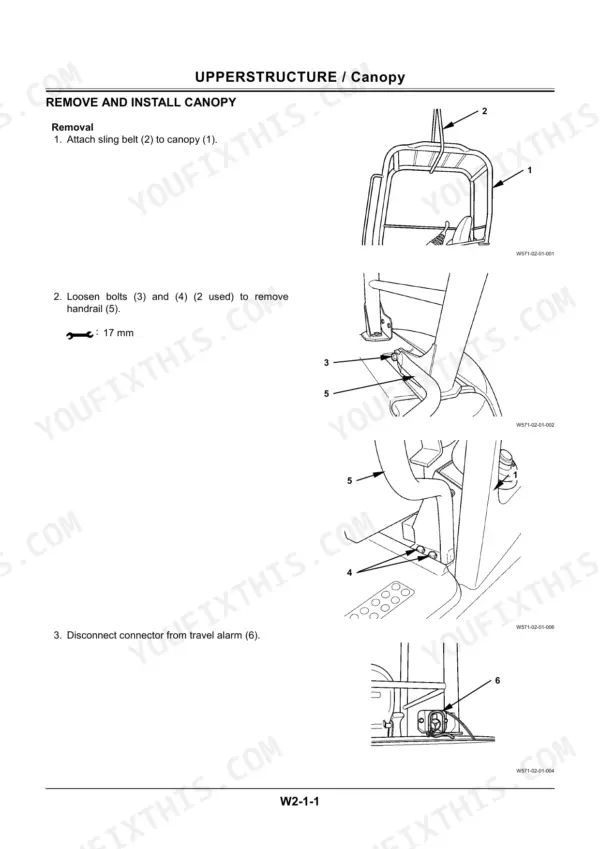
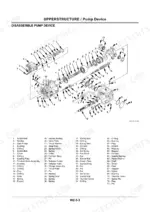
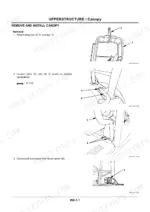
| Upperstructure | 173-272 | Canopy, Counterweight, Pump Device, Control Valve, Swing Device, Pilot Valve |
| Undercarriage | 273-316 | Swing Bearing, Travel Device, Center Joint, Front Idler, Upper and Lower Roller, Track |
| Front Attachment | 317-348 | Boom Cylinder, Arm Cylinder, Bucket Cylinder, Swing Cylinder, Blade Cylinder |
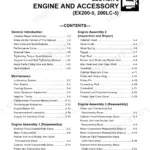
| Engine | 349-470 | Lubrication System, Cooling System, Fuel System, Troubleshooting, Special Tools |
Quick Reference Specifications
| Specification | Value | Page |
|---|---|---|
| Bucket Capacity (Heaped) | 0.16 (5.7 ft³): PCSA (0.14: CECE) | p. 4 |
| Hydraulic oil temperature | 50±5 °C (122±9 °F) | p. 99 |
| Lock nut tightening torque | 19.6 N·m (2 kgf·m, 14.5 lbf·ft) | p. 100 |
| Drain hose tightening torque | 29 N·m (3 kgf·m, 22 lbf·ft) | p. 103 |
| Overload relief valve torque | 42 to 49 N·m (4.2 to 5 kgf·m, 30 to 36 lbf·ft) | p. 133 |
| Lock nut torque | 19.6 N·m (2 kgf·m, 14.5 lbf·ft) | p. 133 |
| Floating seal replacement | new one | p. 161 |
| O-rings, backup rings and oil seals replacement | new ones | p. 159 |
| Low-pressure-hose clamp tightening torque (T-Bolt Type Band Clamp) | 4.4 N·m (0.45 kgf·m, 3.25 lbf·ft) | p. 171 |
| Low-pressure-hose clamp tightening torque (Worm Gear Type Band Clamp) | 5.9 to 6.9 N·m (0.6 to 0.7 kg·m, 4.3 to 5.1 lbf·ft) | p. 171 |
| O-Ring | O-Ring | p. 185 |
| Check for oil leaks | Check the hoses for oil leaks | p. 184 |
Hitachi EX50u Common Problems This Manual Covers
Hitachi EX50u hydraulic fittings leaking at control valve and hose unions after seal replacement, oil weeping when warm
Replace every disturbed O-ring, backup ring, and oil seal with new ones; the assembly rules on page 159 forbid reusing them. Torque 19 mm hose unions to 29 N·m (3 kgf·m) per page 103 and 22 mm unions to 39 N·m (4 kgf·m) per page 199, then warm the machine and recheck each joint dry.
Manual Section: General Information p. 159Engine cranks but will not start, fuel pump silent when key is switched on
Work through the engine start flowchart beginning on page 117: check fuse continuity, key switch output, and the engine stop solenoid before condemning the fuel pump. If the engine cranks strongly but never fires, run a compression test; readings well below the 304 kPa reference on page 108 point to a mechanical fault, not fuel delivery.
Manual Section: Engine System Troubleshooting p. 117Boom and bucket cylinders drift down under load with control levers in neutral
Warm the hydraulic oil to 50±5 °C (122±9 °F) per page 99 before measuring drift; cold oil hides internal leakage. Isolate the leak by blocking the cylinder lines, then replace the piston seals and O-rings with new ones. If an overload relief valve is weeping, torque the reinstalled valve to 42 to 49 N·m as listed on page 133.
Manual Section: Front Attachment System Troubleshooting p. 133Machine pulls to one side during straight travel on level ground, one track noticeably slower
Measure drainage from each travel motor with the oil at operating temperature; a reading well above the 0.5 L/min figure on page 109 means that side's motor is worn internally. Verify primary pilot pressure holds 392±49 kPa, and inspect the center joint for scored seals before tearing into the slow-side travel motor.
Manual Section: Travel System TroubleshootingFrequently Asked Questions
What are the torque specifications for Hitachi EX50u engine bolts?
The torque specifications for engine bolts vary by component. For example, an engine cushion rubber mounting nut with a 14 mm bolt diameter requires a torque of 137 Nm (14 kgf·m, 101 lbf·ft). Bolts for installing the cooling fan pulley require 1.9 - 2.9 kg·m (13.7 - 21.0 ft. lbs.) of torque. p. 165
How can hydraulic pressure be adjusted on the Hitachi EX50u?
Hydraulic pressure can be adjusted by turning the adjusting screw on the main relief valve. For instance, a 1/4 turn of the adjusting screw will change the pressure by 3.06 MPa (31.3 kgf/cm², 445 psi). It is important to adjust the pressure setting carefully not to exceed the upper limit of the standard. p. 99
What are the replacement specifications for floating seals and seal mounting on the Hitachi EX50u?
Floating seals should generally be replaced with new ones. If reusing, check the seal ring face for scuffing, scoring, corrosion, deformation, or uneven wear. After installation, ensure the seal surface (C) is parallel with its mating face (D) by measuring the distances at points (a) and (b). p. 161
What are the replacement specifications for O-rings and sealing surfaces on the Hitachi EX50u?
O-rings should always be replaced with new ones after removal and coated with grease before assembly. Inspect O-rings for tears, breaks, deformation, or hardening. Sealing surfaces must be clean and free of scratches or roughness, as these defects can cause leaks and seal wear, potentially leading to seal extrusion. p. 161
What is the recommended engine oil viscosity for different ambient temperatures for the Hitachi EX50u?
The recommended engine oil viscosity depends on the ambient temperature. For temperatures between -25°C (-13°F) and 5°C (41°F), SAE 10W is recommended. For temperatures between 5°C (41°F) and 30°C (86°F), SAE 30 is recommended. For multi-grade use, SAE 15W-40 or 20W-40 is suitable across a wider range. p. 354
How will I receive this Hitachi EX50u Technical Manual?
A 470-page Technical Manual in searchable PDF format, available the moment you complete checkout. View on computer, tablet, or phone, with no shipping wait.
Am I able to print pages from this manual?
Yes. Many mechanics print the section they need for their own shop and bring it to the bench.
Reviews
There are no reviews yet.