
Part of the John Deere Repair Manuals.
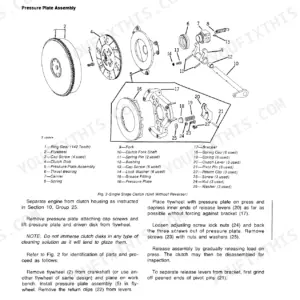
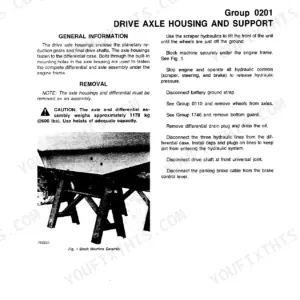
This is the complete John Deere factory repair manual (TM1682) for the 5210, 5310, 5410 and 5510 utility tractors. Across 1,436 pages it walks through every major system: engine and cooling, fuel and air, electrical with full wiring schematics, all three transmission variants (CollarShift, SyncShuttle and PowrReverser), steering and brakes, hydraulic pump and rockshaft, front axle and 3-point hitch, and cab/operator station. Each repair group is paired with a matching operation, tests and adjustments section that gives the diagnostic logic, test pressures and adjustment specs a technician needs to fix a problem correctly the first time.
What's Inside This John Deere 5210-5510 Repair Manual
| System | Pages | Key Topics |
|---|---|---|
| General Information | Safety, General Specifications, Fuel and Lubricants, Serial Number Locations, Features and Accessories | |
| Engine Repair | Engine, Cooling System | |
| Fuel and Air Repair | Fuel System, Air Intake System, Speed Control Linkage | |
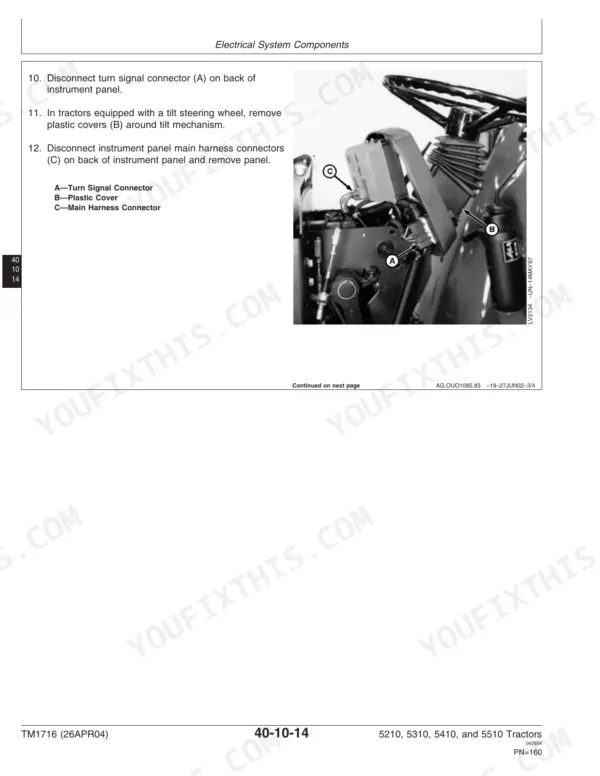
| Electrical Repair | Battery, Starter and Alternator, Electrical System Components, Wiring Harness | |
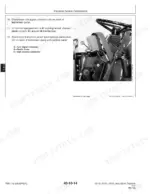
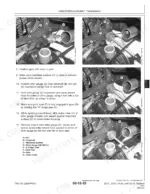
| Power Train Repair | Clutch Housing, Clutch Assembly - CollarShift/SyncShuttle Transmissions, Clutch Assembly - PowrReverser Transmission, PowrReverser, CollarShift/SyncShuttle Transmission, PowrReverser Transmission, Rear PTO Drive Shaft, Differential, Final Drives, Mechanical Front Wheel Drive, Creeper Assembly | |
| Steering and Brake Repair | Steering Repair, Brake Repair | |
| Hydraulic Repair | Hydraulic Pump and Filter, Hydraulic Oil Cooler, Rockshaft, Dual Selective Control Valve, Single (Third) Selective Control Valve, Hydraulic Mid Mount Coupler, Hydraulic Power Beyond | |
| Miscellaneous Repair | Front Axle - 2WD, Wheels, 3-Point Hitch | |
| Operator Station Repair | Seat and Support, Control Console and Panel, Roll-Gard, Cab Components, Air Conditioning System, Heating System | |
| Engine Operation, Tests, and Adjustments | Component Location, Theory of Operation, Diagnosis, Tests, And Adjustments | |
| Fuel/Air Operation, Tests, and Adjustments | Component Location, Theory of Operation, Diagnosis, Tests and Adjustments | |
| Electrical System Operation, Tests, and Adjustments | Component Location, Theory of Operation, Diagnosis, Test and Adjust, Wiring Schematics | |
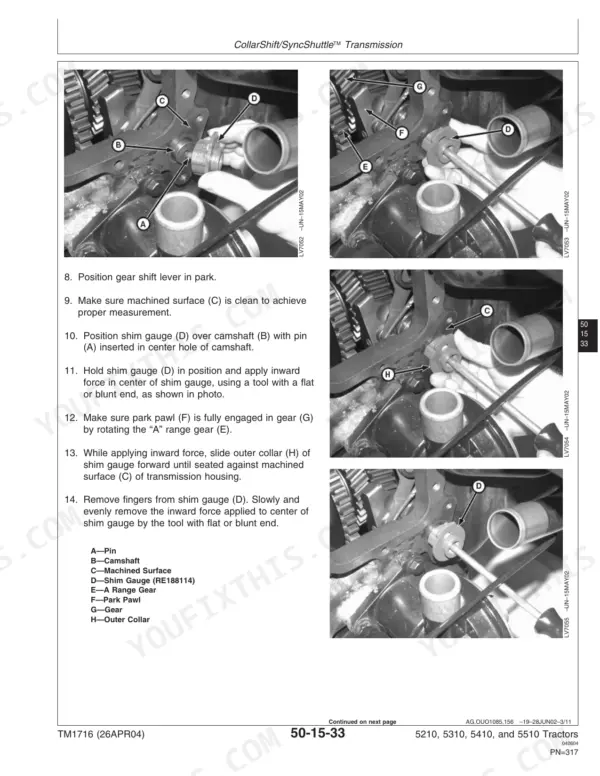
| Power Train Operation, Tests, and Adjustments | Component Location - CollarShift and SyncShuttle Transmissions, Component Location - PowrReverser Transmission, Theory of Operation, Diagnosis, Tests, And Adjustments | |
| Hydraulic System Operation, Tests, and Adjustments | Component Location, Theory of Operation, Diagnosis, Hydraulic Tests - Without SCV, Hydraulic Tests - with SCV, Hydraulic Tests - All, Adjustments, Hydraulic Schematics |
Documents This Manual Refers To
The manufacturer cites these publications by number. We carry them:
Quick Reference Specifications
| Specification | Value | Page |
|---|---|---|
| 5210 and 5310 | ||
| Engine Series (5210, 5310) | John Deere 3000 Series (3-cylinder diesel) | |
| 5410 and 5510 | ||
| Engine Series (5410, 5510) | John Deere 4000 Series (4-cylinder diesel) | |
| 5210 / 5310 / 5410 / 5510 | ||
| Engine Rated Power | 40 kW (53 hp) / 47 kW (63 hp) / 56 kW (75 hp) / 63 kW (85 hp) | |
| 5210, 5310 and 5410 without cab | ||
| Fuel Tank Capacity | 68 L (18.0 U.S. gal) | |
| 5510 and all tractors with cab | ||
| Fuel Tank Capacity (5510 or cab models) | 83 L (22.0 U.S. gal) | |
| All Models | ||
| Cooling System Capacity | approximately 10.8 L (11.5 qt) | |
| Coolant Freeze Protection (50% Ethylene Glycol) | -37 degrees C (-34 degrees F) | |
| Front End Support-to-Engine Upper Torque | 305 N.m (225 lb-ft) | |
| Front End Support-to-Engine Lower Torque | 176 N.m (130 lb-ft) | |
| Hitch Category | Category II, convertible to Category I | |
| 5210 and 5310 without cab | ||
| Engine-to-Clutch Housing Torque (3-cyl, no cab) | 300 N.m (225 lb-ft) cap screws and nuts | |
| 5410 and 5510 without cab | ||
| Engine-to-Clutch Housing Torque (4-cyl, no cab) | 350 N.m (255 lb-ft) cap screws and nuts | |
| All cab models | ||
| Engine-to-Clutch Housing Torque (with cab) | 318 N.m (235 lb-ft) cap screws and nuts | |
| All Models (standard) | ||
| Transmission Type (CollarShift) | 9 speeds forward, 3 reverse | |
| Optional | ||
| Transmission Type (PowrReverser) | 12 speeds forward, 12 reverse | |
| Rear PTO | ||
| PTO Speed | 540 rpm | |
John Deere 5210-5510 Common Problems This Manual Covers
Clutch slipping or requiring excessive pedal effort
Worn clutch discs or an out-of-adjustment linkage are the typical cause. The Power Train Repair section covers clutch assembly removal and inspection for both CollarShift/SyncShuttle and PowrReverser variants, with the clearance specs and torque values needed to rebuild or replace the pack and set the pedal adjustment correctly so the clutch fully releases and engages without slipping.
Manual Section: Power Train RepairHydraulic system overheats or rockshaft lifts slowly under load
A clogged hydraulic filter or internal pump wear is the most common cause of high oil temperature and slow lift on these tractors. Replace the hydraulic/transmission oil filter on schedule and inspect the hydraulic pump output pressure as described in the Hydraulic System Operation, Tests and Adjustments section, comparing measured pressure to the spec to confirm whether the pump or a control valve is at fault.
Manual Section: Hydraulic RepairEngine hard to start or shuts down under load with low power
Air leaks in the intake, a clogged fuel filter, or an injection pump timing issue are the usual suspects. The Fuel and Air Repair section covers the complete fuel system and air intake, and the Engine Operation, Tests and Adjustments section gives the diagnostic sequence and adjustment procedures for injection timing so you can restore normal fuel delivery without guessing.
Manual Section: Engine RepairBrakes dragging or pulling to one side during field operation
Dragging brakes on these tractors are typically caused by incomplete pedal release or brake disc corrosion after wet-field use. The Steering and Brake Repair section covers disc inspection, lining measurement and the adjustment procedure to equalize brake force side-to-side, while the Steering and Brake Operation, Tests and Adjustments section gives the test method to confirm balanced braking before returning to work.
Manual Section: Steering and Brake RepairFrequently Asked Questions
What engines are in the John Deere 5210, 5310, 5410 and 5510 tractors?
The 5210 and 5310 use the John Deere 3000 Series 3-cylinder diesel, rated at 40 kW (53 hp) and 47 kW (63 hp) respectively. The 5410 and 5510 step up to the 4000 Series 4-cylinder, rated at 56 kW (75 hp) and 63 kW (85 hp). Knowing which engine family you have matters for torque specs and filter service intervals.
What are the engine-to-clutch housing torque specs for these tractors?
The value depends on engine and cab configuration. Without cab: 300 N.m (225 lb-ft) for 3-cylinder models, 350 N.m (255 lb-ft) for 4-cylinder models. With cab: 318 N.m (235 lb-ft) for both engine types. Full tightening sequences and front-end support torques are in the Engine Repair section.
Why does the PowrReverser transmission shift roughly or slip under load?
Rough or slipping PowrReverser shifts are usually traced to low clutch pack pressure, contaminated fluid, or a worn clutch assembly. The Power Train Operation, Tests and Adjustments section covers pressure testing the transmission and diagnosing clutch engagement, so you can tell whether the fault is a worn pack, a pressure-control valve, or a fluid condition issue before disassembling.
Does this manual cover hydraulic test procedures and schematics?
Yes. Section 70 covers hydraulic pump, filter, oil cooler, rockshaft and selective control valve repair. Section 270 pairs that with full hydraulic system theory of operation, test procedures (with and without SCV), adjustments and hydraulic schematics. Together these sections give you test port locations, pressure specs and the flowcharts to isolate pump, valve or cylinder faults.
How often should the transmission and hydraulic oil filter be changed?
Owners report that skipping the transmission/hydraulic oil filter change is one of the leading causes of overheating and premature pump wear on these tractors. The General Information section lists the service intervals and approved fluid types, and the Hydraulic Repair section shows the filter location and replacement procedure to keep oil temperature in range during long days.
How quickly can I access this John Deere 5210 manual after buying?
A 1436-page Repair in searchable PDF format (38 MB), available the moment you complete checkout. View on computer, tablet, or phone, with no shipping wait.
Does this John Deere 5210 manual allow printing?
Yes. Print the pages or sections you need for your own shop use. Any standard printer works.







Reviews
There are no reviews yet.