
Part of the John Deere Repair Manuals.
This is the John Deere Technical Manual TM151119 for the E100, E110, E120, E130, E140, E150, E160, E170 and E180 lawn tractors, serial number 010001 and up, 518 pages of dealer-level repair and diagnostic information.
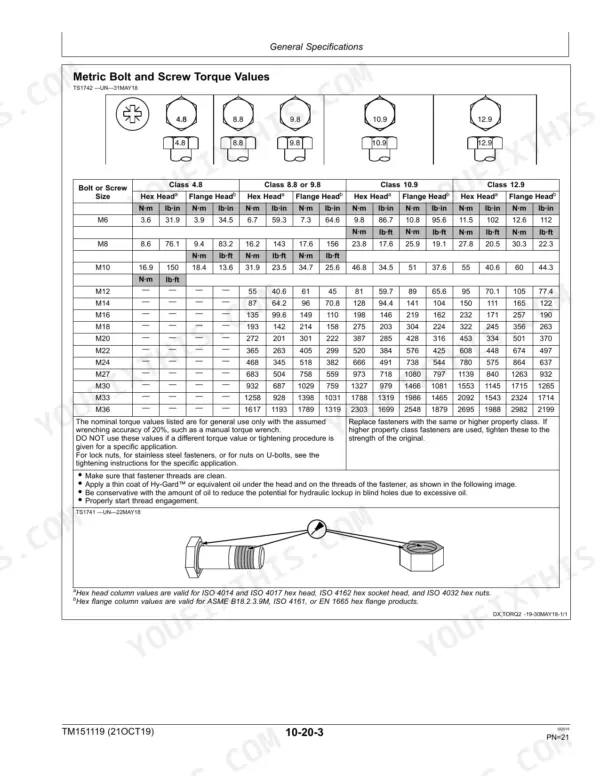
Written for the experienced technician, it splits into repair and operation-and-tests coverage across the whole machine: single-cylinder and V-twin Briggs & Stratton engine repair, the electrical system, CVT and hydrostatic power train, steering and brakes, and the mower deck and attachments. Each area also has diagnostics, tests and adjustments, with grounded torque values, specifications and wear tolerances throughout.
With it you can chase a no-start through the safety circuits, correct weak drive on hills, service the mower deck and blades to the right torque, and adjust the drivetrain instead of guessing. Delivered as a downloadable PDF you can view on any device or print.
What's Inside This John Deere E100–E180 Series Manual
| System | Pages | Key Topics |
|---|---|---|
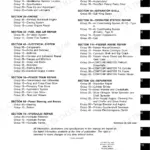
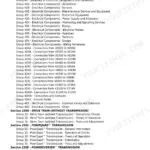
| General Information | Group 05, Safety (Recognize Safety Information, Understand Signal Words, Follow Safety Instructions, Practice Safe Maintenance, Use Proper Tools, Handle Fluids Safely, Avoid Fires, Handle Chemical Products Safely, Drain Gasoline When Storing Machine, Prevent Acid Burns, Prevent Battery Explosions, Handling Batteries Safely, Prepare for Emergencies, Park Machine Safely, Support Machine Properly, Wear Protective Clothing, Work in Clean Area, Service Machines Safely, Work in Ventilated Area, Illuminate Work Area Safely, Replace Safety Signs, Use Proper Lifting Equipment, Service Tires Safely, Decommissioning, Proper Recycling and Disposal of Fluids and Components, Protect Against High Pressure Spray, Live with Safety) | |
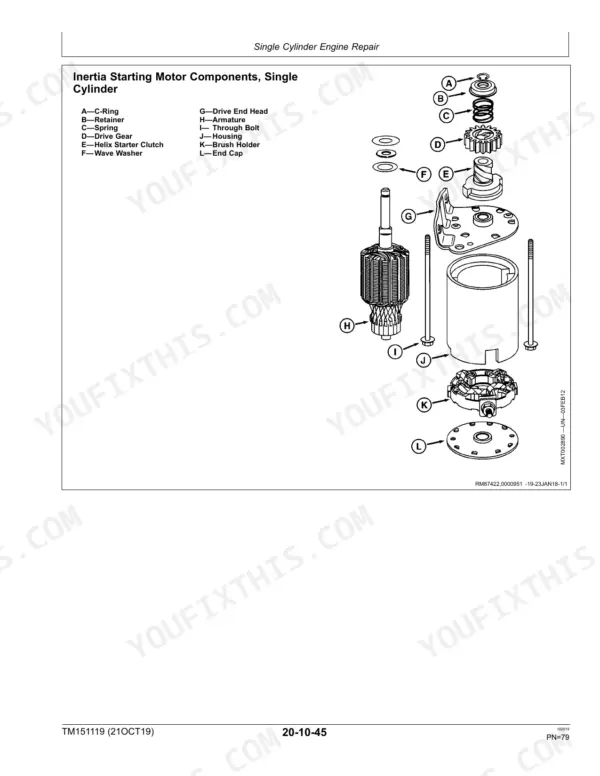
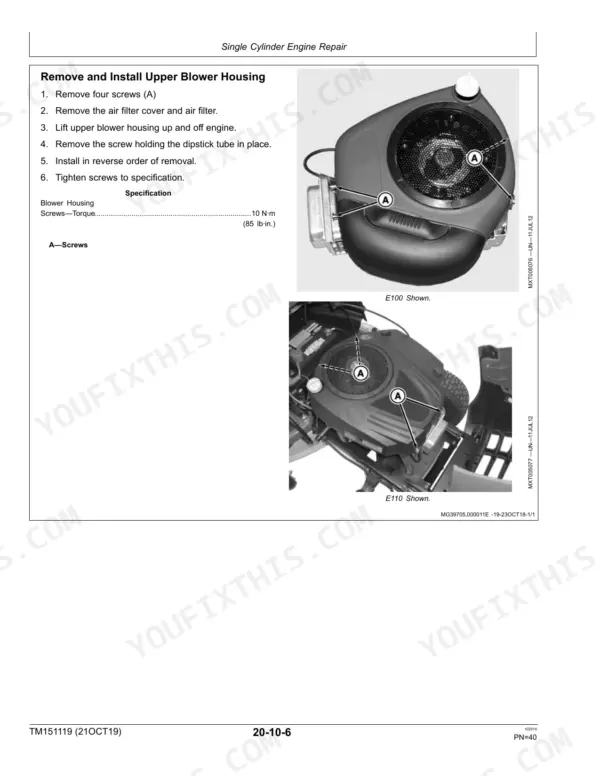
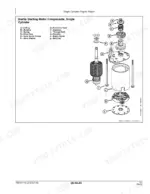
| Single Cylinder Engine Repair | Carburetor Repair, Cylinder Head Repair, Piston and Rings, Crankshaft Repair, Inertia Starting Motor | |
| V-Twin Engine Repair | Air Cleaner Removal, Blower Housing, Carburetor Repair, Cylinder Head Repair, Crankshaft and Camshaft | |
| Electrical Repair | Group 10, Component Location (Electrical Components, : E100, E110, E120, And E130, E140, E150, E160, E170, And E180) | |
| Continuously Variable Transmission (CVT) Repair | CVT Repair Kits, CVT Transmission Removal, Variator Drive Belt, Primary Variator, Secondary Variator | |
| Hydrostatic Power Train Repair | Transaxle Components, Drive Components, Traction Drive Belt, Transaxle Disassembly, Forward and Reverse Pedals | |
| Steering and Brake Repair | Steering Shaft and Pedestal, Steering Sector Gear, Front Axle Spindle, Park Brake Lever, Brake Pedal Assembly | |
| Attachments Repair | Deck Lift Assembly, Mower Deck Components, Mower Blade Brake, Mower Blade Sharpening, Spindle Removal | |
| Miscellaneous Repair | Adjust Tire Pressure, Front Wheel Removal, Rear Wheel Installation, Hood Removal, Fuel Tank Installation | |
| Single Cylinder Engine Operation, Tests, and Adjustments | Engine Starting Diagnostics, Carburetor Diagnostics, Adjust Throttle and Choke Cable, Test Fuel Pump, Test Cylinder Leakdown | |
| V-Twin Engine Operation, Tests, and Adjustments | Engine Starting Diagnostics, Carburetor Diagnostics, Adjust Governor, Test Crankcase Vacuum, Test Engine Oil Pressure | |
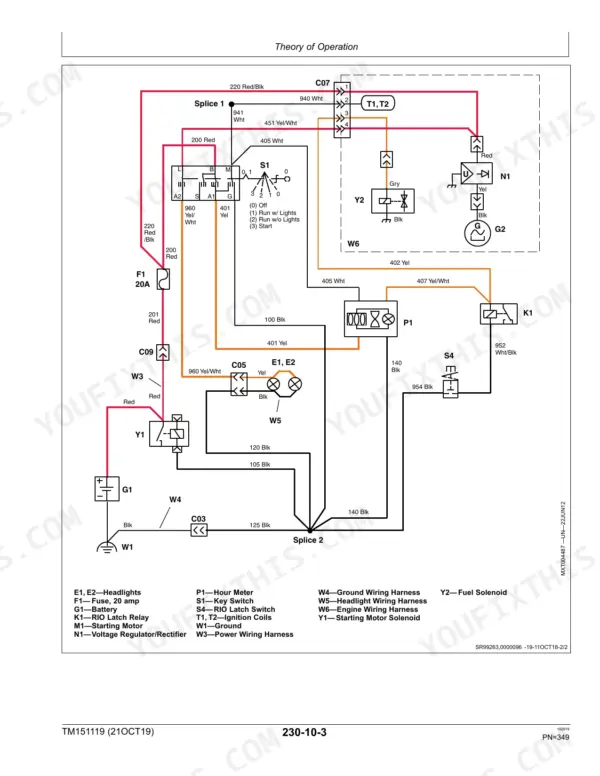
| Electrical Operation, Tests, and Adjustments | Group 10, Theory of Operation (Summary of References, Power Circuit Operation, E100, E110, E120, E130, E140, E150, E160, E170, E180, Cranking Circuit Operation, All Models, Ignition and Shutoff Circuit, Charging Circuit Operation, PTO Clutch Circuit Operation, PTO with Rio Circuit Operation, Headlight Circuit Operation, Hour Meter and Service Light Circuit Operation) | |
| Continuously Variable Transmission (CVT) Operation | Group 10, Component Location (Summary of References, CVT Power Train Components, CVT Transmission Components, Motion Pedal Components, Traction Drive Components) | |
| Hydrostatic Power Train Operation, Tests, and Adjustments | Group 10, Theory of Operation (Summary of References, Traction Drive Belt System, Transaxle, Hydrostatic Transaxle, Forward and Reverse Pedals, Freewheel System, Brake System, Cruise Control, Internal Dampening System, Hydrostatic System Operation) | |
| Steering and Brake Operation, Tests, and Adjustments | Group 10, Steering Component Location (Summary of References, Steering System Components) |
Quick Reference Specifications
| Specification | Value | Page |
|---|---|---|
| All Models | ||
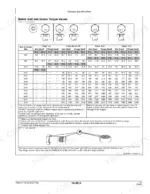
| Blade Nut (M12) Torque | 75 N·m (55 lb.-ft.) | p. 269 |
| Blade Nut (5/8 in.) Torque | 88 N·m (65 lb.-ft.) | p. 269 |
| Fuel Tank Capacity | 9 L (2.4 gal) | p. 29 |
| Gasoline Fuel for 4-Cycle Engines Minimum Octane Rating | 87 AKI (anti-knock index) or 90 RON (research octane number) | p. 25 |
| Battery Voltage | 12 volt | p. 29 |
| Battery Type | BCI Group U1 | p. 29 |
| F1 Fuse | 20 amp | p. 349 |
| Spark Plug Torque | 20 N·m (180 lb·in) | p. 29 |
| Spark Plug Gap | 0.76 mm (0.030 in) | p. 29 |
| Battery Terminals/Cables | No specific numerical clearance, torque, or replacement values found. Manual mentions checking for loose connections, corrosion, and damage. | p. 393 |
| all models with 42 and 48 inch decks | ||
| Spindle Mounting Screws (42 and 48 inch deck) Torque | 24 N·m (216 lb.-in.) | p. 269 |
| all models with 54 inch decks | ||
| Spindle Mounting Screws (54 inch deck) Torque | 24 N·m (216 lb.-in.) | p. 269 |
John Deere E100–E180 Series Common Problems This Manual Covers
Engine will not start
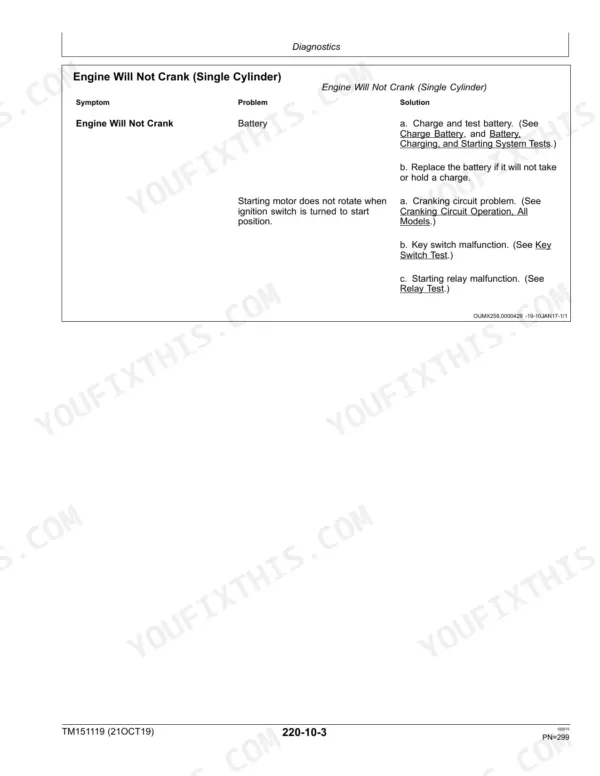
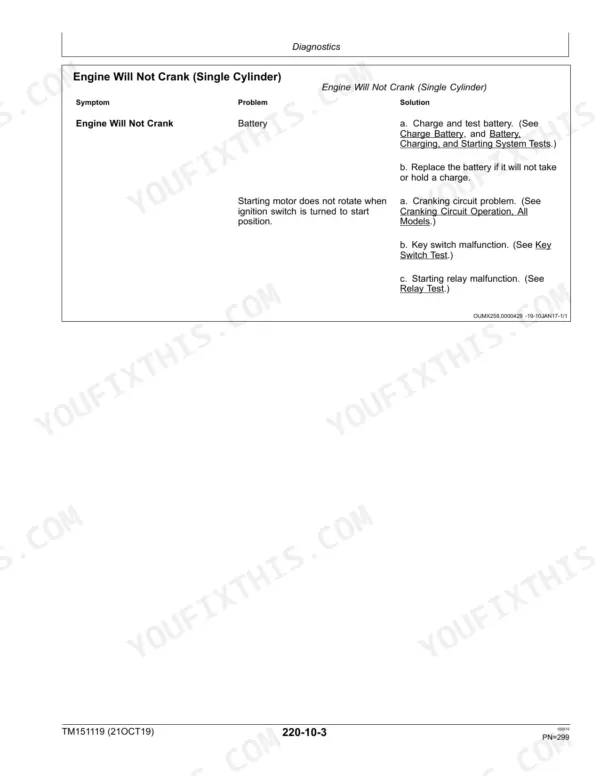
These tractors will not crank unless the battery is charged, the terminals are clean and every safety switch is satisfied. The electrical operation and tests section covers the cranking circuit and diagnostics.
Manual Section: Electrical Operation, Tests, and AdjustmentsLoses drive power or will not climb hills
Weak drive and poor hill climbing usually trace to a worn traction drive belt, dirty sheaves or a tired transaxle. The hydrostatic power train repair section covers the belt and transaxle service.
Manual Section: Hydrostatic Power Train RepairPoor deck engagement or cut quality
A worn or misrouted attachment drive belt, debris in the deck, or dull blades drop cutting performance sharply. The attachments repair section covers the deck, blades and drive components.
Manual Section: Attachments RepairHard starting or rough idle
A dirty carburetor or misadjusted throttle and choke leave single-cylinder models hard to start and rough at idle. The engine diagnostics section covers carburetor diagnostics and cable adjustment.
Manual Section: Single Cylinder Engine Operation, Tests, and AdjustmentsVariator belt wear on CVT models
On CVT-equipped tractors the variator drive belt glazes and stretches, causing slipping and poor response. The CVT repair section covers the variator belt and primary and secondary variators.
Manual Section: Continuously Variable Transmission (CVT) RepairSteering play or brake wear
Loose steering and a weak park brake develop as the sector gear, spindle and brake linkage wear. The steering and brake repair section covers those components and adjustment.
Manual Section: Steering and Brake RepairFrequently Asked Questions
Which models does this manual cover?
It covers the John Deere E100, E110, E120, E130, E140, E150, E160, E170 and E180 lawn tractors from serial number 010001, with Briggs & Stratton single-cylinder and V-twin engines.
What is the mower blade bolt torque?
The blade nut torque is verified in the manual: 75 N (55 lb-ft) for the M12 nut, 88 N (65 lb-ft) for the 5/8 in. nut, and 108 N (80 lb-ft) as the service value. p. 269
Does it list battery and spark plug specifications?
Yes. The machine specifications give a 12 volt BCI Group U1 battery, a spark plug torque of 20 N and a gap of 0.76 mm for the starting and ignition system. p. 29
Does it cover transmission and drivetrain service?
Yes. It covers both the CVT and hydrostatic power trains, including the verified CVT transmission mounting bolt torque of 20 plus or minus 4 N. p. 177
What format is this manual in?
This is a 518-page searchable PDF ready for immediate download. It works on any device, so you can pull it up on your phone while you're under the hood. No shipping, no waiting.
Is this John Deere E100–E180 Series Technical Manual printable?
Yes. Print individual pages or full chapters for your own shop use, on letter or A4 paper.
Does this John Deere E100–E180 Series manual include wiring diagrams?
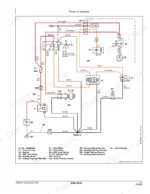
Included. The John Deere E100–E180 Series Technical Manual covers complete wiring harness diagrams, electrical circuits, and connector pinouts.






Reviews
There are no reviews yet.