

Part of the Yanmar Operator Manuals.
Work the priming pump until fuel runs clear at the filter, and a TNV diesel that cranked all afternoon will fire on the first try. That bleeding procedure, and everything else Yanmar expects an owner to do between overhauls, is in this factory operator manual, publication 0ATNV-G00102.
It covers the 2009 to 2012 TNV industrial range: the 2TNV70, the three-cylinder 3TNV70, 3TNV76, 3TNV82A, 3TNV84, and 3TNV88, and the four-cylinder 4TNV84, 4TNV88, 4TNV94L, 4TNV98, and 4TNV106, including turbocharged T models and the B, U, Z, and E variants. Whether yours runs a generator, a pump, or sits on a stand, the procedures are the same.
Its 164 pages carry the periodic maintenance schedule, a standard torque chart, oil and fuel specifications with capacities by model, cold starting and shutdown procedures, troubleshooting for mechanical and electronically controlled engines, storage steps, and principal specifications, including the oil pressure figures worth checking before you pull anything apart.
Complete the set for your TNV Series
Other edition of this manual
- Yanmar TNV Series Industrial Engine Operator Manual Original price was: $26.99.$19.99Current price is: $19.99.
What's Inside This Yanmar TNV Series Operator Manual
| System | Pages | Key Topics |
|---|---|---|
| Yanmar Warranties | 3-14 | Yanmar Limited Warranty (What Is Covered by This Warranty?, How Long Is the Warranty Period?, What the Engine Owner Must Do:, To Locate an Authorized Yanmar Industrial Engine Dealer or Distributor:, You May Also Contact Yanmar, What Yanmar Will Do:, What Is Not Covered by This Warranty?, Warranty Limitations:, Warranty Modifications:, Questions:, Retail Purchaser Registration) |
| Introduction | 15-16 | Record of Ownership, Symbol Explanation, Table of Contents |
| Safety | 23-34 | Safety Statements, Safety Precautions (Before You Operate, During Operation and Maintenance) |
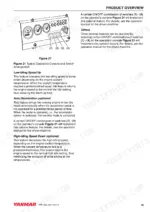
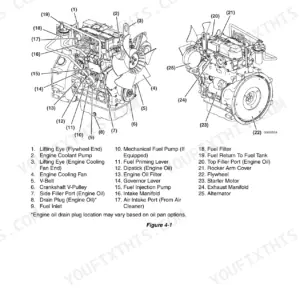
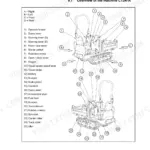
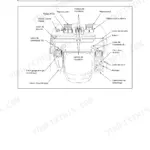
| Product Overview | 35-58 | Yanmar Tnv Engine Features and Applications, Component Identification, Location of Labels |
| Before You Operate | 59-78 | Diesel Fuel (Specifications, Filling the Fuel Tank, Priming the Fuel System), Engine Oil (Specifications, Viscosity, Checking Engine Oil, Adding Engine Oil, Capacity) |
| Engine Operation | 79-86 | Starting Engine, Cold Start Device, Checking the Engine During Operation, Adjust Engine Speed, Shutting Down the Engine |
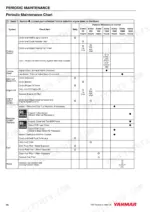
| Periodic Maintenance | 87-118 | Precautions, Standard Torque Chart, Periodic Maintenance Schedule, Periodic Maintenance Procedures |
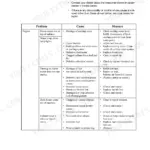
| Troubleshooting | 119-130 | Troubleshooting Chart, Troubleshooting of Electronic Control System, Troubleshooting Information, List of Possible Faults of Electronically Controlled Engines |
| Long-Term Storage | 131-132 | Before You Place the Engine in Long-Term Storage, Returning the Engine to Service |
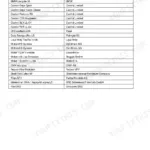
| Specifications | 133-164 | General, Principal Engine Specifications |
Quick Reference Specifications
| Specification | Value | Page |
|---|---|---|
| Standard Torque Chart (M6x1.0) | 10.8 ± 1.0 N·m | p. 90 |
| Standard Torque Chart (M8x1.25) | 25.5 ± 2.9 N·m | p. 90 |
| Standard Torque Chart (M10x1.5) | 49.0 ± 4.9 N·m | p. 90 |
| Standard Torque Chart (M12x1.75) | 88.3 ± 9.8 N·m | p. 90 |
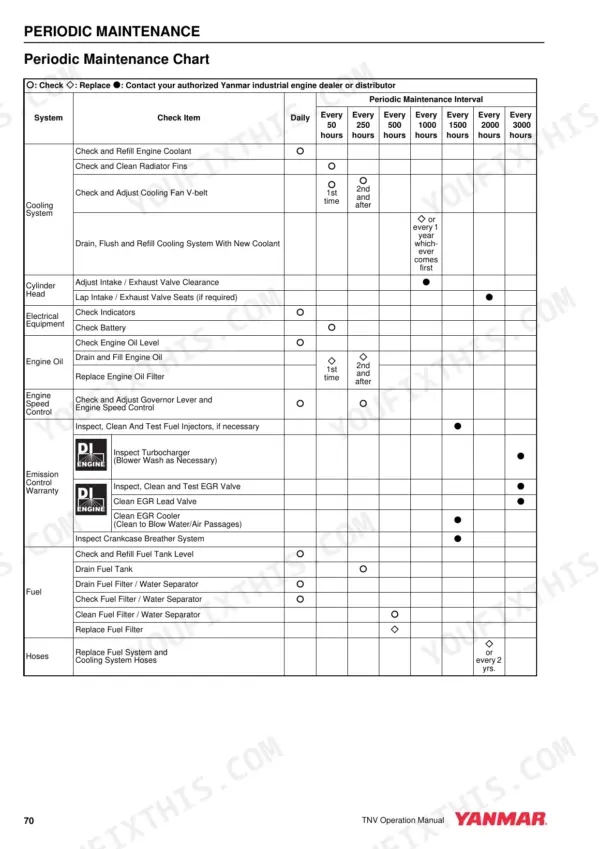
| Fuel Filter Replacement Interval | Every 500 hours | p. 92 |
| Fuel Filter Tightening Torque | 19.6-23.5 N·m | p. 110 |
| Air Intake Restriction (Initial upper limit) | 2.94 kPa (300 mmAq) | p. 10 |
| Air Intake Restriction (Upper limit for air cleaner replacement) | 6.23 kPa (635 mmAq) | p. 10 |
| Engine Oil Filter Replacement Interval | Every 250 hours (after initial 50 hours) | p. 92 |
| Engine Oil Filter Tightening Torque | 19.6-23.5 N·m | p. 96 |
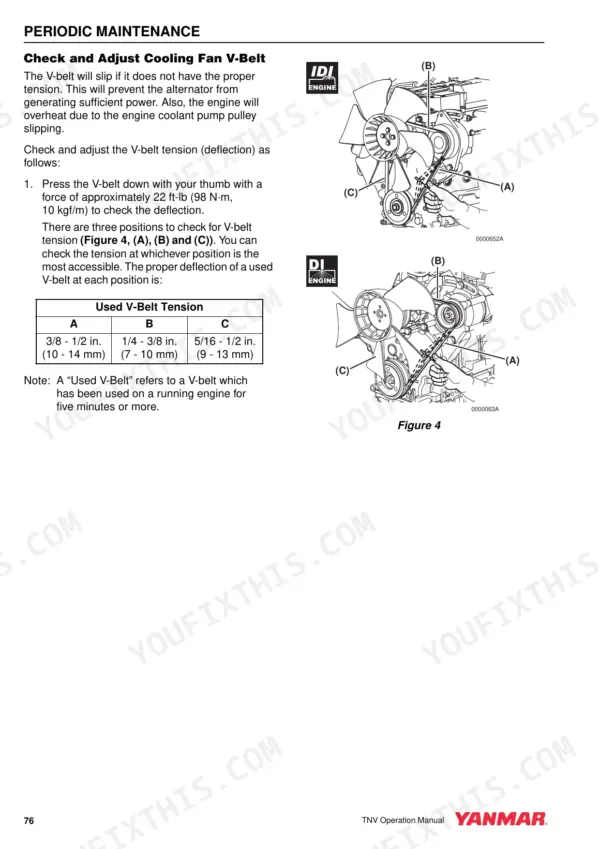
| Used V-Belt Tension (Position A) | 10 - 14 mm | p. 98 |
| Used V-Belt Tension (Position B) | 7 - 10 mm | p. 98 |
Yanmar TNV Series Common Problems This Manual Covers
Hard starting after a fuel filter change
Air trapped in the lines after service or running the tank dry keeps the engine cranking without firing, and guessing at the cause can cost you a starter. The Before You Operate section covers priming the fuel system so trapped air never turns into a teardown.
Manual Section: Before You Operate p. 59Engine overheats under sustained load
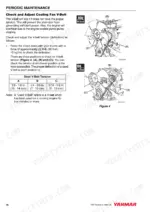
Low coolant, a slipping V-belt, or a fouled cooling core will push temperatures up long before anything seizes. The maintenance schedule sets the checks that prevent it, including the 10 to 14 mm deflection spec for a used belt.
Manual Section: Periodic Maintenance p. 87Black smoke and power loss
A choked air cleaner element starves the engine and shows up as black exhaust and sluggish response under load. The manual gives the element replacement interval, every 500 hours, along with the maximum air intake restriction limit.
Manual Section: Periodic Maintenance p. 87Low oil pressure warning at idle
Before condemning the oil pump or the bearings, check the gauge against the book: normal pressure at low idle is 0.06 MPa, lower than many gauges make you expect. The Specifications section lists normal oil pressure figures so you replace parts on evidence, not suspicion.
Manual Section: Specifications p. 133Fault indication on electronically controlled engines
Later TNV engines use electronic control, and a fault can stop the engine with nothing mechanically wrong. The Troubleshooting section includes a dedicated electronic control system procedure and a list of possible faults for electronically controlled engines.
Manual Section: Troubleshooting p. 119Won't fire after months in storage
An engine parked over winter with no preparation often refuses to start in spring, and untreated fuel makes it worse. The Long-Term Storage section covers both laying the engine up correctly and returning it to service.
Manual Section: Long-Term Storage p. 131Guessing torque on unmarked fasteners
A fastener tightened by feel is a stripped thread or a weeping joint, which means doing the job twice. The standard torque chart covers metric sizes from M6 through M16, plus service torques like the 19.6 to 23.5 N·m oil filter spec.
Manual Section: Periodic Maintenance p. 87Frequently Asked Questions
Which Yanmar engines does this manual cover?
The 2009 to 2012 TNV industrial family: 2TNV70, 3TNV70, 3TNV76, 3TNV82A, 3TNV84, 3TNV88, 4TNV84, 4TNV88, 4TNV94L, 4TNV98, and 4TNV106, including the turbocharged 3TNV84T, 4TNV84T, 4TNV98T, and 4TNV106T, plus the B, U, Z, and E variants.
Does it include maintenance intervals and torque values?
Yes. The Periodic Maintenance section gives the full schedule, including the engine oil and filter after an initial 50 hours and every 250 hours thereafter, and the fuel filter and air cleaner element every 500 hours, plus a standard torque chart. p. 87
Can it help me diagnose a fault on an electronically controlled engine?
The Troubleshooting section includes a general troubleshooting chart for hard starting, overheating, and smoke, plus dedicated coverage of the electronic control system and a list of possible faults on electronically controlled engines. p. 119
Are specifications listed for my specific engine model?
Yes. The Specifications section lists principal engine specifications by model across the range, including normal oil pressure values, 0.29 to 0.44 MPa at rated speed on the smaller IDI models, so you can check a reading before pulling anything apart. p. 133
What do I get after purchasing this Yanmar 2TNV70 & variants manual?
Immediate download of the complete 164-page searchable Operator Manual. Access it on any device, from a laptop at your desk to a phone in the field.
Am I able to print pages from this manual?
Yes. Many mechanics print the section they need for their own shop and bring it to the bench.
Reviews
There are no reviews yet.