
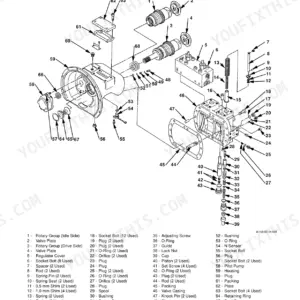
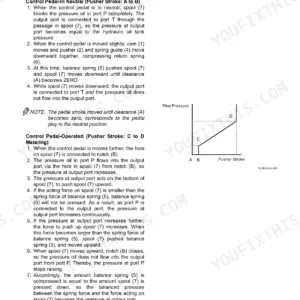
Part of the Hitachi Repair Manuals.
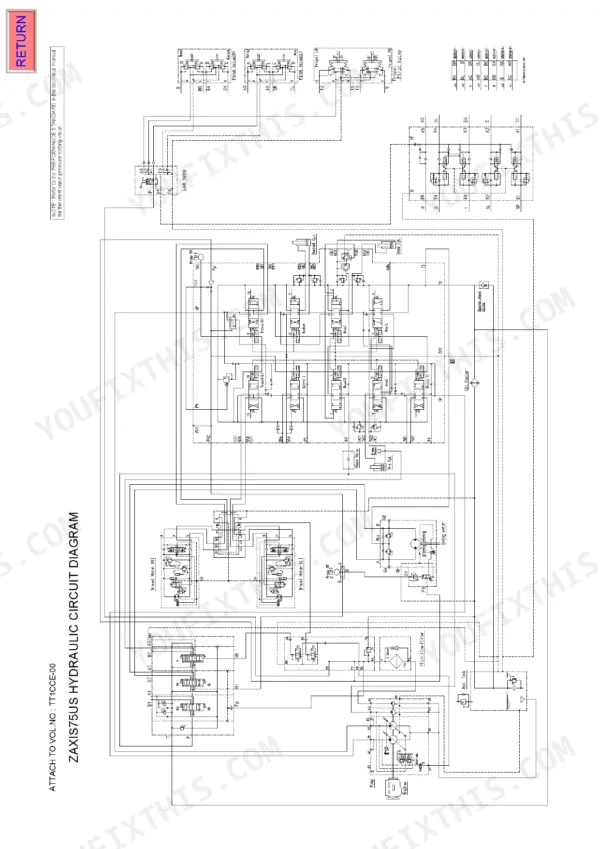
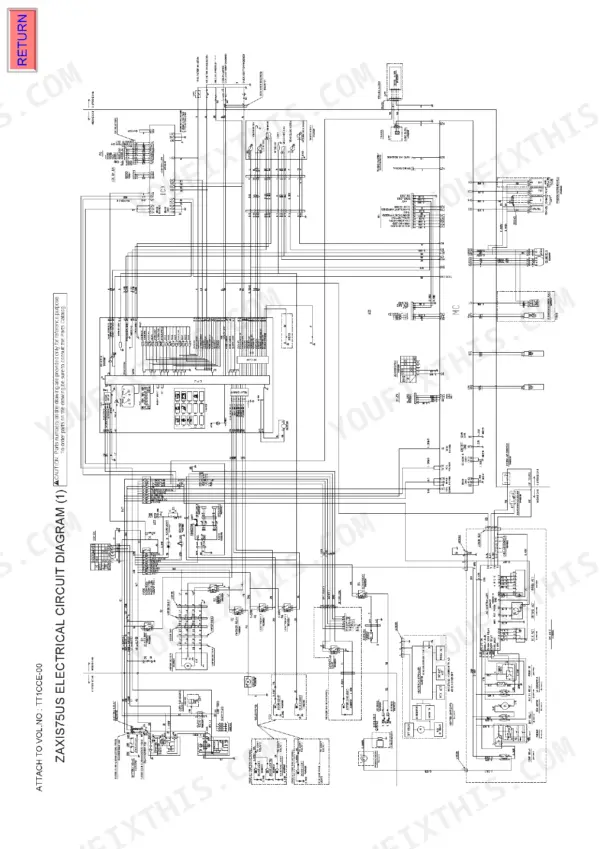
The ZX75US is Hitachi's 7100 kg reduced tail swing machine, and this file covers it the way a shop actually needs: full workshop teardown, troubleshooting with operational performance tests, and the operational principle pages where the pressure and flow settings live. The workshop side walks swing device removal and overhaul, main pump, control valves, the complete undercarriage down to the rubber crawler, front attachment pins and bushings, plus a full engine section with disassembly, fuel injection, starter and alternator. The troubleshooting volume carries a fault code list with A and B flowcharts and electrical inspection. Component spec pages give you real numbers - travel relief at 31.4 MPa, main pumps at 68.8 L/min x 2, swing device bolts at 540 N.m.
What's Inside This Hitachi Zaxis 75US Repair Manual
| System | Pages | Key Topics |
|---|---|---|
| Workshop Manual: Introduction and Safety | 1-30 | Manual Composition, Safety Precautions, Service Tool Notes |
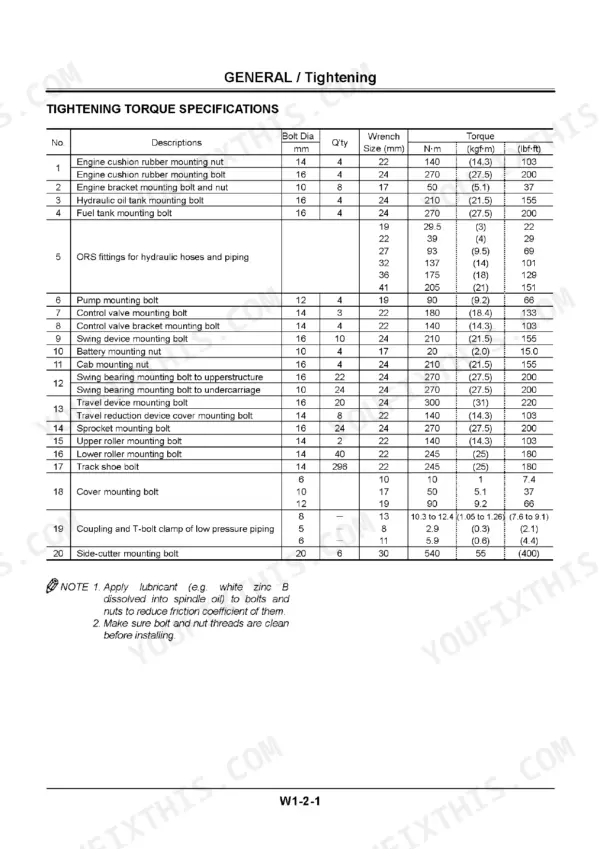
| Workshop Manual: General Information | 31-52 | Precautions for Disassembling and Assembling, Maintenance Standard Terminology, Tightening Torque Specification, Torque Chart, Piping Joint |
| Workshop Manual: Upperstructure | 53-228 | Cab and Cab Glass Dimensions, Swing Device Removal and Overhaul, Main Pump, Control Valve, Pilot Valve |
| Workshop Manual: Undercarriage | 229-312 | Swing Bearing, Travel Device, Front Idler, Track Adjuster, Rollers, Sprocket, Rubber Crawler |
| Workshop Manual: Front Attachment | 313-358 | Front Attachment Removal, Arm and Bucket Connection Dimensions, Cylinders, Bushings and Pins |
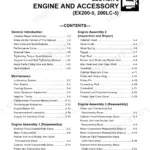
| Engine and Accessory | 359-580 | General Repair Instructions, Engine Assembly Disassembly and Reassembly, Lubrication, Cooling, Fuel Injection, Starter and Alternator |
| Troubleshooting Manual: Introduction and Safety | 581-611 | Volume Composition, Diagnostic Conventions, Safety Notes for Testing a Running Machine |
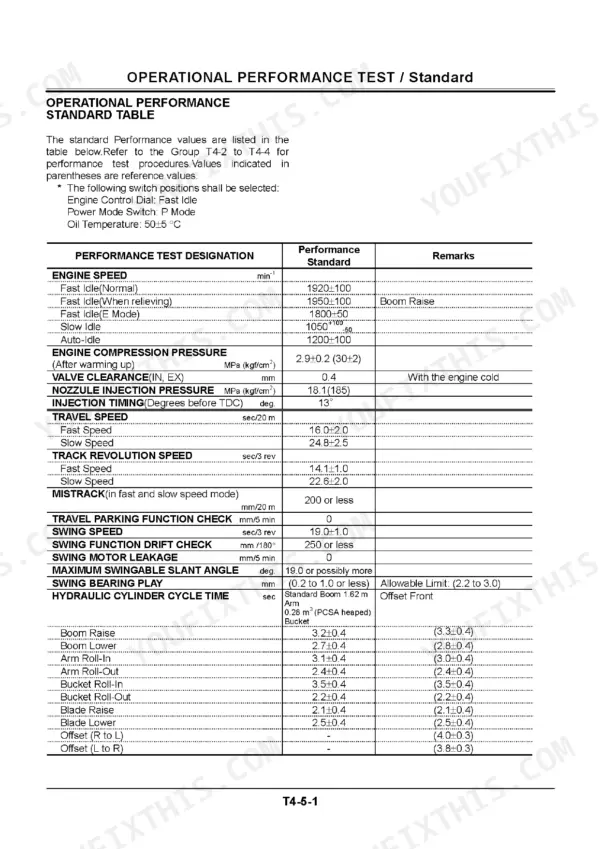
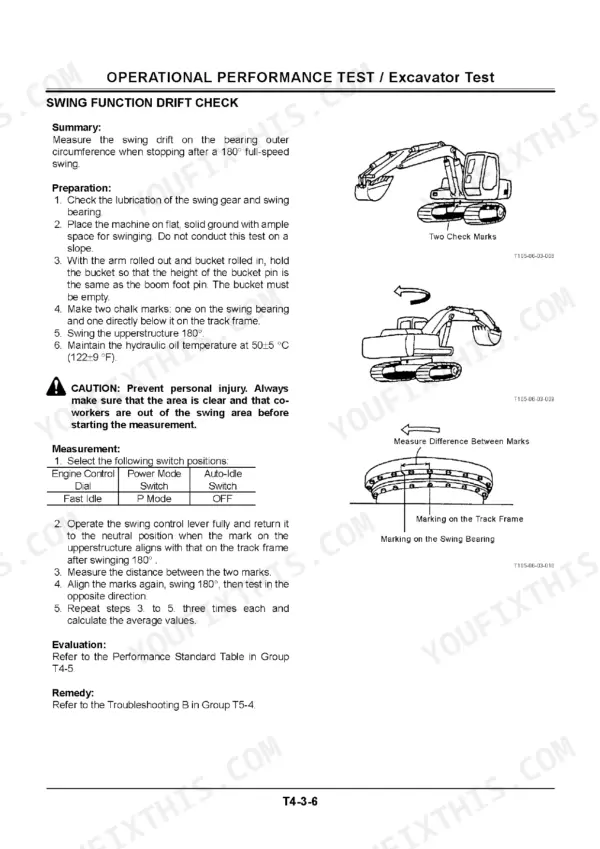
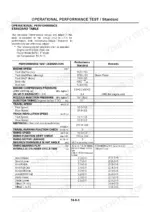
| Operational Performance Test | 612-669 | Preparation for Performance Tests, Engine and Excavator Tests, Component Test, Primary and Secondary Pilot Pressure, Adjustment |
| Troubleshooting | 670-842 | Diagnosing Procedure, Fault Code List, Troubleshooting a and B Flowcharts, Electrical System Inspection |
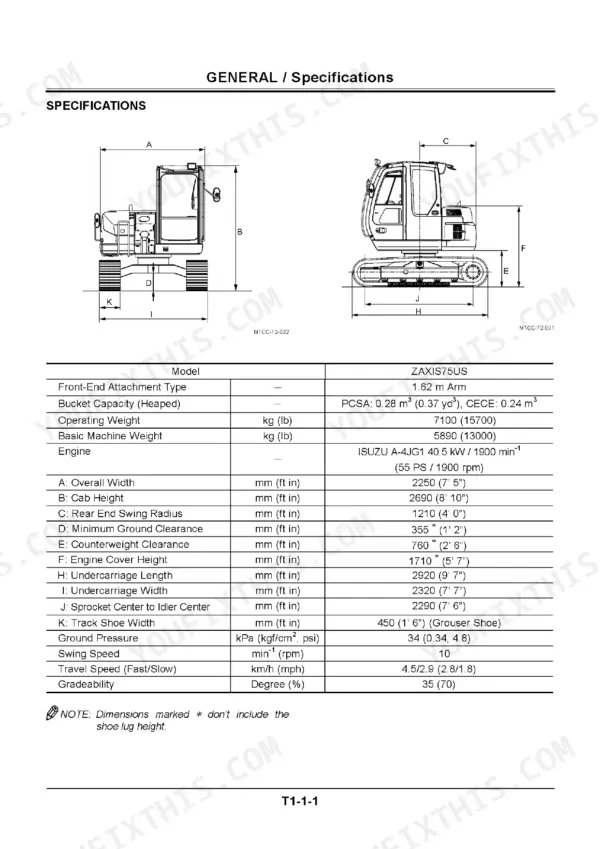
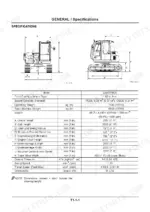
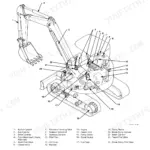
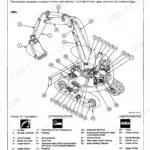
| Operational Principle: General | 843-863 | Specifications, Working Ranges, Machine Transportation Dimensions, Component Layout |
| Operational Principle: System | 864-913 | Control System Outline, Engine Control, Pump Control, Valve Control, Electrical System |
| Operational Principle: Component Operation | 914-991 | Main Pumps, Pilot Valve, Control Valve, Swing Device, Travel Device, Signal Control Valve |
Quick Reference Specifications
| Specification | Value | Page |
|---|---|---|
| Control valve 1 main relief - travel | 31.4 MPa (320 kgf/cm2, 4550 psi) at 33 L/min | p. 860 |
| Control valve 1 main relief - front attachment | 26.0 MPa (265 kgf/cm2, 3770 psi) at 43 L/min | p. 860 |
| Control valve 1 overload relief - boom, arm, bucket | 27.9 MPa (285 kgf/cm2, 4050 psi) | p. 860 |
| Control valve 2 main relief | 26 MPa (265 kgf/cm2, 3770 psi) at 43 L/min | p. 860 |
| Control valve 2 overload relief - blade | 28 MPa (285 kgf/cm2, 4050 psi) | p. 860 |
| Valve unit relief | 25 MPa (255 kgf/cm2, 3630 psi) at 63 L/min | p. 860 |
| Travel brake valve relief | 31.3 MPa (320 kgf/cm2, 4550 psi) | p. 861 |
| Swing parking brake release pressure at full stroke | 1.18 +/- 0.15 MPa (12 +/- 1.5 kgf/cm2, 171 +/- 21 psi) | p. 860 |
| Travel parking brake cracking pressure - slow / fast | 0.88 / 1.57 MPa (9.0 / 16 kgf/cm2, 128 / 228 psi) | p. 861 |
| Oil cooler bypass check valve cracking pressure | 294 kPa (3.0 kgf/cm2, 42 psi) at 5 L/min | p. 861 |
| Main pumps 1 and 2 maximum flow, theoretical | 68.8 L/min (18.2 US gpm) x 2 | p. 860 |
| Main pump 3 gear pump maximum flow, theoretical | 40.7 L/min (10.7 US gpm) | p. 860 |
| Pilot pump maximum flow, theoretical | 20.3 L/min (5.4 US gpm) | p. 860 |
| Engine compression pressure | 2.94 MPa (30 kgf/cm2) at 250 min-1 | p. 857 |
| Nozzle injection pressure | 18.1 MPa (150 kgf/cm2) | p. 857 |
| Engine maximum output torque | more than 201 N.m (20.5 kgf.m) at 1600 min-1 | p. 857 |
| Swing device mounting bolt torque | 540 N.m (55 kgf.m, 400 lbf.ft) | p. 41 |
| Hydraulic oil tank mounting bolt torque | 210 N.m (21.5 kgf.m, 155 lbf.ft) | p. 41 |
| Engine cushion rubber mounting bolt torque | 270 N.m (27.5 kgf.m, 200 lbf.ft) | p. 41 |
| Operating weight with a 1.62 m arm | 7100 kg (15700 lb) | p. 848 |
Hitachi Zaxis 75US Common Problems This Manual Covers
Machine feels weak or slow in the dig, but the engine sounds fine
Run the checks in the Operational Performance Test section before touching a relief valve. It walks preparation, engine and excavator tests, then primary and secondary pilot pressure. Compare against control valve 1's front attachment relief of 26.0 MPa at 43 L/min and adjust per the procedure, not by feel.
Manual Section: Operational Performance Test p. 612Swing is sluggish, groans, or the upperstructure creeps on a slope
Check swing parking brake release pressure first - spec is 1.18 +/- 0.15 MPa at full stroke; a brake that never fully releases mimics a worn motor. If pressure checks out, the Upperstructure section gives full swing device removal and overhaul, with mounting bolts torqued to 540 N.m on reassembly.
Manual Section: Workshop Manual: Upperstructure p. 860Rubber crawler keeps coming loose or the track throws on turns
The Undercarriage section covers the track adjuster, front idler, rollers and sprocket together with the rubber crawler procedure. Work through adjuster function and idler condition before blaming the crawler itself - a leaking adjuster or worn idler will throw a perfectly good track, and the section shows how each comes apart.
Manual Section: Workshop Manual: Undercarriage p. 229Hard starting, white smoke, or the engine won't pull under load
Start with a compression test - spec is 2.94 MPa at 250 min-1 - then check the injectors against the 18.1 MPa nozzle injection pressure. The Engine and Accessory section gives general repair instructions plus full disassembly and reassembly for the engine, fuel injection equipment, starter and alternator.
Manual Section: Engine and Accessory p. 359Frequently Asked Questions
Does this cover the engine internals, or do I need a separate engine manual?
Engine work is in here. The Engine and Accessory section covers assembly disassembly and reassembly, lubrication, cooling, fuel injection, starter and alternator. It also carries test values you can check in the frame: compression at 2.94 MPa at 250 min-1, nozzle injection pressure at 18.1 MPa, and maximum output torque of more than 201 N.m at 1600 min-1. p. 860
Are the relief pressure settings listed, and does it separate the two control valves?
Yes, and it matters that you keep them apart. Control valve 1 handles travel and the front attachment: 31.4 MPa main relief on travel, 26.0 MPa on the front attachment, 27.9 MPa overload relief on boom, arm and bucket. Control valve 2 is the optional blade circuit: 26 MPa main relief, 28 MPa overload. Set one circuit to the other's numbers and you will chase a fault that isn't there. p. 612
Can I diagnose electrical faults with this, or is it hydraulics only?
The Troubleshooting volume includes a fault code list, diagnosing procedure, troubleshooting A and B flowcharts, and electrical system inspection. So when the machine flags a code you can trace it to a circuit instead of swapping parts. The Operational Principle volume backs it up with the control system outline, engine control, pump control and component layout. p. 670
Does it cover the undercarriage and rubber crawler, not just steel track?
The Undercarriage section covers the swing bearing, travel device, front idler, track adjuster, rollers, sprocket and the rubber crawler specifically. That last one matters on a US-series machine because a lot of them run rubber, and fitting and tensioning a rubber crawler is not the same job as a steel chain. p. 41
Is the PDF text searchable?
It's a scan, and the text layer inserts spaces between characters, so keyword search is unreliable - typing a part number into the search box often won't hit. Plan on navigating by the section structure instead, which is well organized: workshop by machine area, troubleshooting by symptom and flowchart. Once you know the layout you find things fast. p. 988
Reviews
There are no reviews yet.