


Part of the Case Repair Manuals.
This is the complete Case service and training manual for the CVX120, CVX130, CVX150, and CVX170 tractors, which share their continuously variable transmission platform with the Steyr CVT 120, 130, 150, and 170. It is organized into the Engine, Fuel System, Electrical, Steering System, Transmission, and Hydraulic System groups. Each group carries specifications, troubleshooting, calibration, and step-by-step removal, disassembly, inspection, assembly, and installation procedures, with particular depth on the CVT transmission, the electronic controls, and the hydraulic and three-point hitch systems of these electronically controlled tractors.
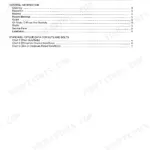
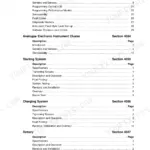
What's Inside This Case CVX120, CVX130, CVX150, CVX170 Repair Manual
| System | Pages | Key Topics |
|---|---|---|
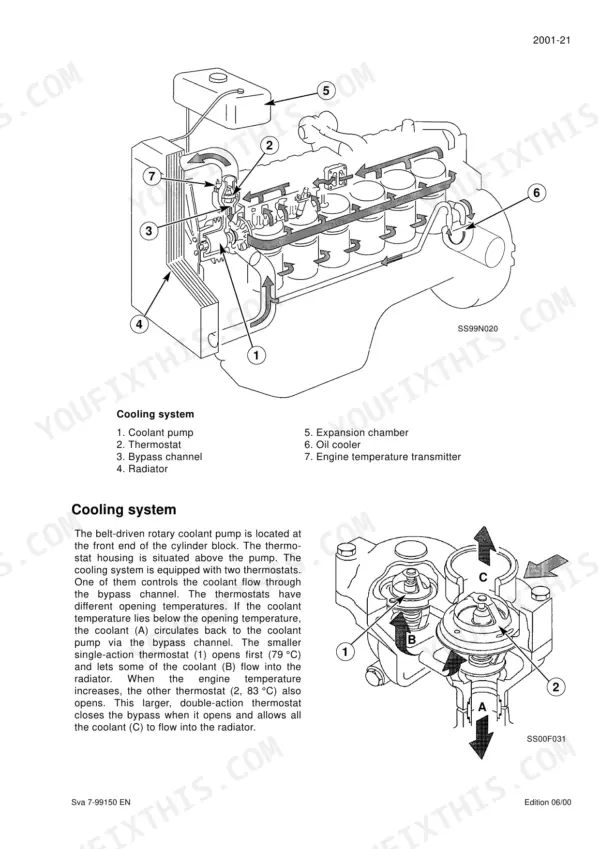
| Engine | Engine Removal and Installation, Cylinder Head and Block, Lubrication, Cooling, And Specifications | |
| Fuel System | Fuel Tank and Lines, Injection Pump, Injectors, Fuel Filters, And Fuel System Troubleshooting | |
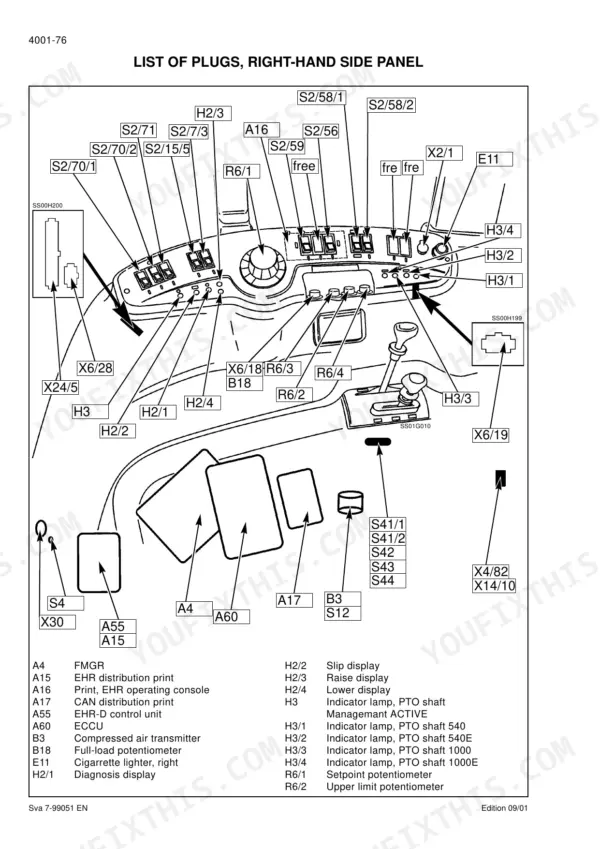
| Electrical | Electrical System, Wiring and Schematics, Batteries, Charging, Starting, Instruments, And Electronic Controls | |
| Steering System | Hydrostatic Steering, Steering Pump and Valves, Steering Cylinder, And Front Axle Steering | |
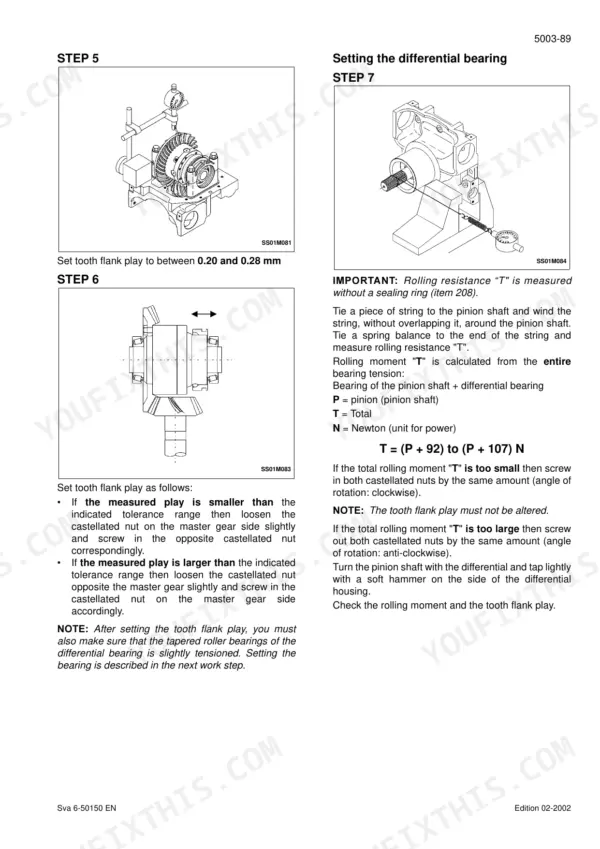
| Transmission | Continuously Variable Transmission (CVT), Transmission Control and Calibration, Clutch and PTO, And Pressure Checks | |
| Hydraulic System | Hydraulic Pump, Remote Control Valves, Three-Point Hitch and Linkage, And Hydraulic Troubleshooting and Pressure Checks |
Quick Reference Specifications
| Specification | Value | Page |
|---|---|---|
| Transmission | Continuously Variable Transmission (CVT) | |
| Manual type | Service and training manual | |
| Related models | Steyr CVT 120, 130, 150, 170 equivalents |
Case CVX120, CVX130, CVX150, CVX170 Common Problems This Manual Covers
CVT transmission slips, will not engage, or delivers jerky power
Follow the Transmission group. Confirm the transmission oil level and the CVT control and calibration first, then run the pressure checks against spec. Slipping under load or jerky acceleration commonly traces to oil level, calibration, or control pressure rather than internal wear, so measure and calibrate before opening the transmission.
Manual Section: TransmissionHydraulic pressure loss or erratic three-point linkage movement
Use the Hydraulic System group. Check the pump output and the remote-valve and hitch pressures against spec, and verify the hitch position control and sensing. Erratic linkage is usually a pressure or control-signal fault, so measure pressures and check the controls before replacing a valve or cylinder.
Manual Section: Hydraulic SystemTractor will not start or shuts down unexpectedly
Work the Electrical and Fuel System groups. Use the schematics to check the batteries, charging, starting circuit, and electronic controls, then verify the fuel supply, filters, and injection. On these electronically controlled tractors an unexpected shutdown is often a control or sensor fault, so diagnose the electrical system before the fuel system.
Manual Section: ElectricalFrequently Asked Questions
My CVX transmission slips, will not engage, or delivers jerky power. Where do I look?
Go to the Transmission group. This is a continuously variable transmission (CVT), so check the transmission oil level and the control and calibration first, then run the pressure checks against spec before opening the unit. Slipping under load, failure to engage, or jerky acceleration usually trace to oil level, a calibration fault, or control pressure, all of which the manual isolates before teardown.
The hydraulics or the three-point linkage move erratically or lose pressure. What should I check?
Use the Hydraulic System group. Check the hydraulic pump output and the remote-valve and hitch pressures against spec, and inspect the linkage and its position sensing. Erratic linkage movement is often a pressure or control-signal fault, so measure the pressures and verify the hitch controls before replacing a valve or cylinder.
The tractor will not start or shuts down unexpectedly. Where do I start?
Work the Electrical and Fuel System groups. Use the electrical schematics to check the batteries, charging, starting circuit, and the electronic controls, then verify the fuel supply, filters, and injection. An unexpected shutdown on these electronic tractors is often a control or sensor fault, so read the electrical system before condemning the fuel system.
Does this cover the electronics and controls, not just the mechanical parts?
Yes. As a service and training manual it covers the electrical system, wiring and schematics, and the electronic controls alongside the engine, fuel, steering, CVT transmission, and hydraulic systems, with the troubleshooting and calibration these electronically controlled tractors need.
Does this manual also cover the Steyr CVT models?
The CVX120, CVX130, CVX150, and CVX170 share their design with the Steyr CVT 120, 130, 150, and 170, and this service and training manual documents that common platform, so the procedures and specifications apply across the Case CVX and the equivalent Steyr CVT tractors.
Do I get instant access to this Case CVX120–CVX170 Series Repair Manual?
This is a 1254-page searchable PDF (168 MB) ready for immediate download. Works on any device, so pull it up on your phone while you're under the hood. No shipping, no waiting.
Is this Case CVX120–CVX170 Series manual print-friendly?
Yes. Print a chapter or just the pages for the job at hand, for use in your own shop. Any home or office printer works.



Reviews
There are no reviews yet.