
Part of the Kubota Repair Manuals.
This is the Kubota Service Manual for the U20-3α, U25-3α, and U25S compact excavators, all built around the D1105 diesel engine. It is the 478 page factory workshop manual, Kubota code 97899-61500, in English with bookmarks and a selectable text layer.
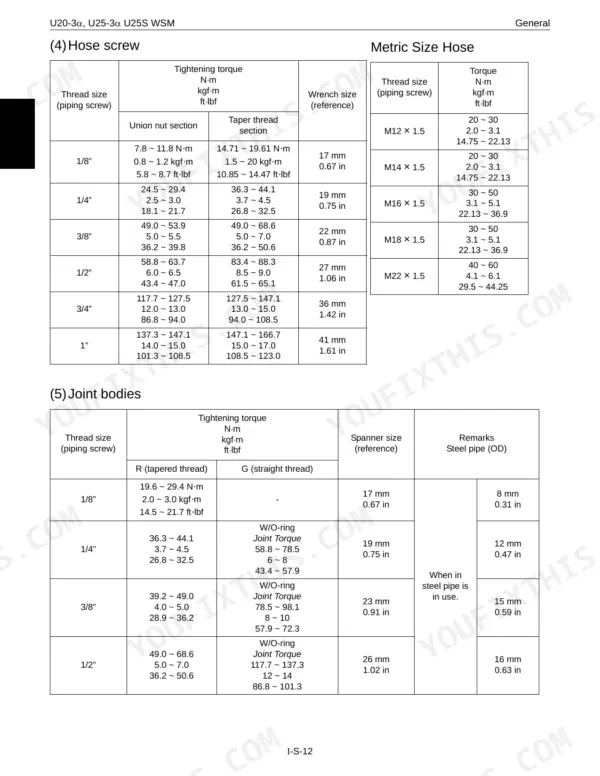
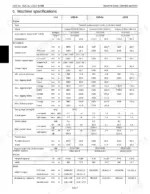
The manual is organized by system: general identification and maintenance, machine body and undercarriage, engine, hydraulic system, and electrical system, plus conversion tables. You get the specifications a real repair needs, including engine oil, hydraulic oil, and fuel capacities, fuel injection pressure, valve clearance, and tightening torques.
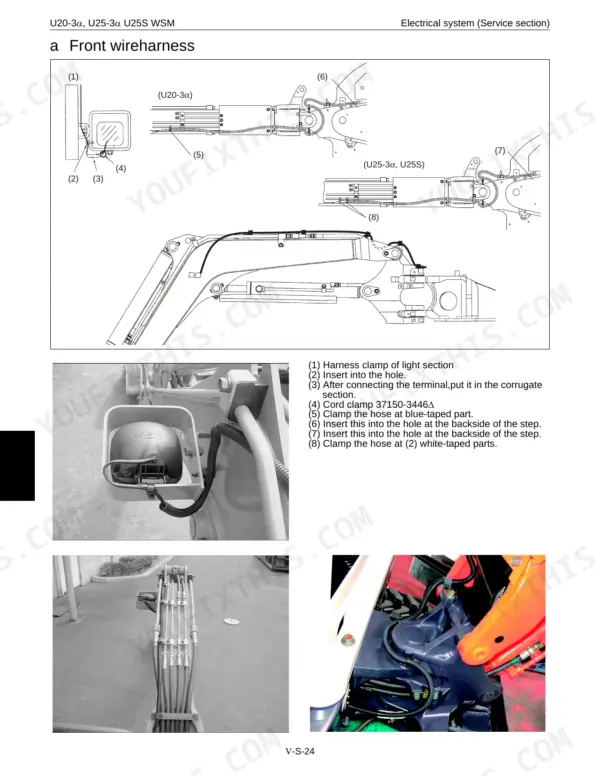
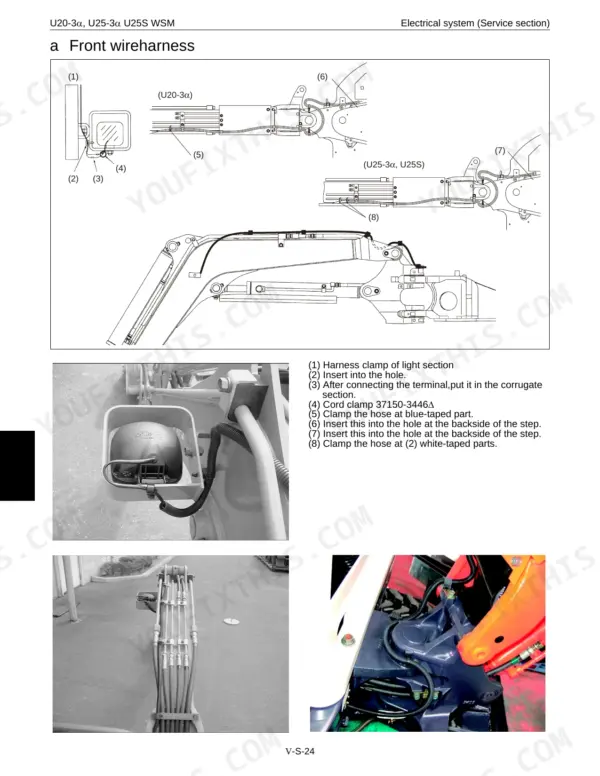
Use it to troubleshoot slow or weak hydraulics, chase an engine fault, service the variable-track undercarriage, or check the starter and alternator. It covers pump and valve pressures, flow testing, disassembly and reassembly, and hose routing. Download the PDF once and keep it on a computer, tablet, or phone, and print the pages you need in the field.
What's Inside This Kubota U20-3α, U25-3α, U25S Manual
| System | Pages | Key Topics |
|---|---|---|
| General | 5-28 | Identification Marks, Safety Precautions, Servicing Fundamentals, Maintenance Intervals, Fluid Quantities, Service Port Operation |
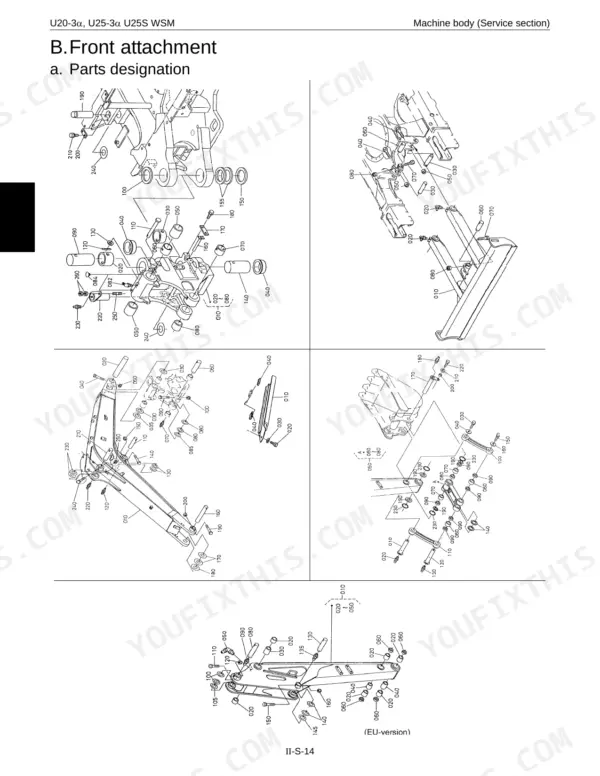
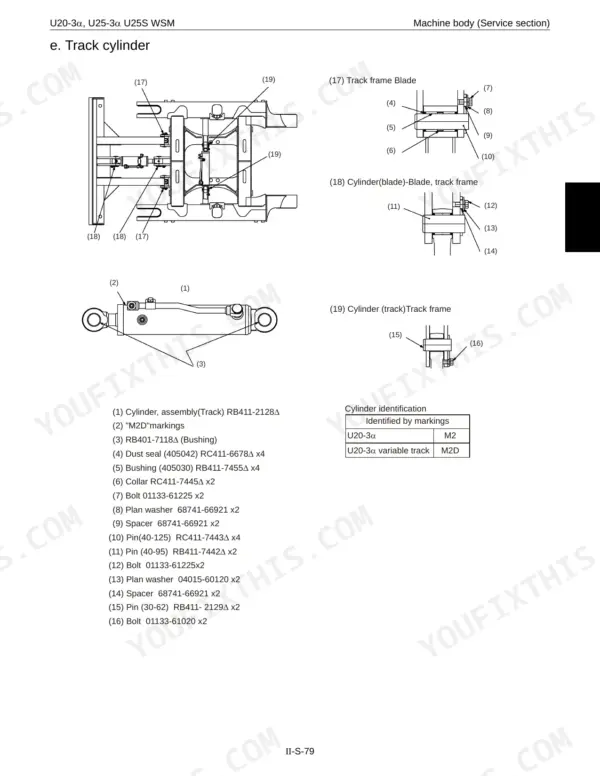
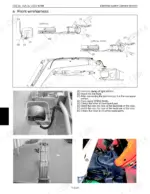
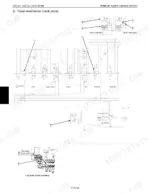
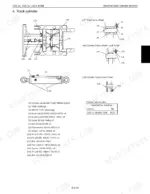
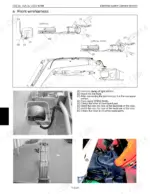
| Machine Body | 29-128 | Machine Weight & Dimensions, Front Attachment Components, Cab/Canopy Installation, Under Carriage Components, Variable Track Operation, Labeling |
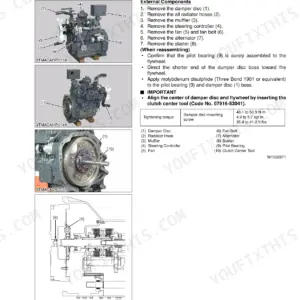
| Engine | 129-264 | Engine Specifications, Engine Mount, Mechanism Overview, Lubricating System, Fuel System, Troubleshooting |
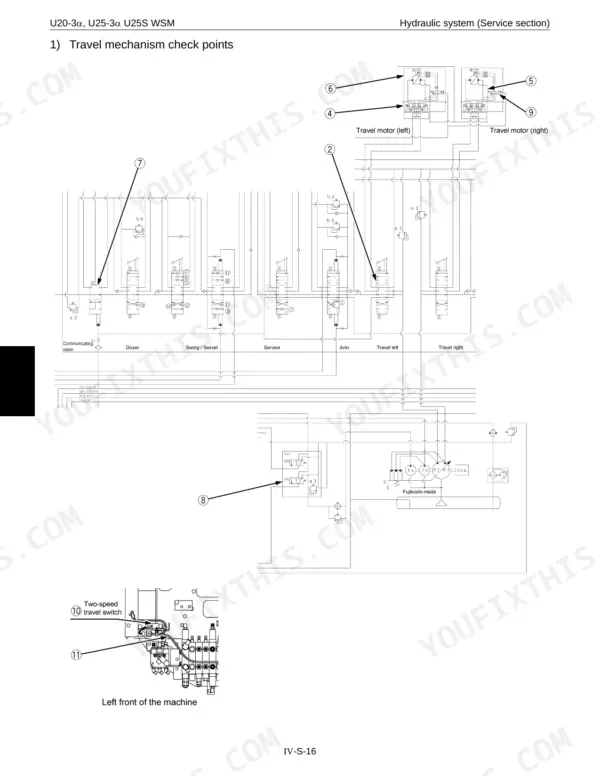
| Hydraulic System | 265-434 | Troubleshooting, Pump & Valve Specifications, Pressure & Flow Testing, Disassembly & Reassembly, Hose Routing |
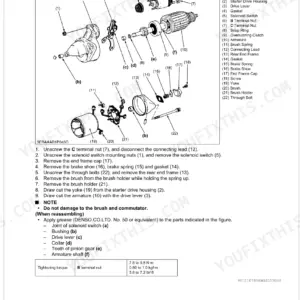
| Electrical System | 435-473 | Electrical Specifications, Troubleshooting, Wire Harness Installation, Starter & Alternator Checks |
| Conversion Tables | 474-478 |
Quick Reference Specifications
| Specification | Value | Page |
|---|---|---|
| All Models | ||
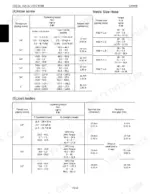
| Tightening torque for M6 (4T) bolts | 7.8 ~ 9.3 N·m | p. 18 |
| Tightening torque for M10 (7T) bolts | 48.0 ~ 55.9 N·m | p. 18 |
| Radiator capacity (Canopy / Cab) | 3.0 L | p. 23 |
| Engine oil with filter capacity | 4.4 L | p. 23 |
| Check engine oil level | daily | p. 20 |
| Change engine oil and oil filter | 250 h | p. 20 |
| Hose Screw Tightening Torque (M12 x 1.5) | 20 ~ 30 N·m | p. 16 |
| Engine Oil Capacity (with filter) | 4.4 L | p. 23 |
| Hydraulic Oil Capacity (Full) | 37.0 L | p. 23 |
| Fuel Tank Capacity | 27.5 L | p. 23 |
| U20-3α | ||
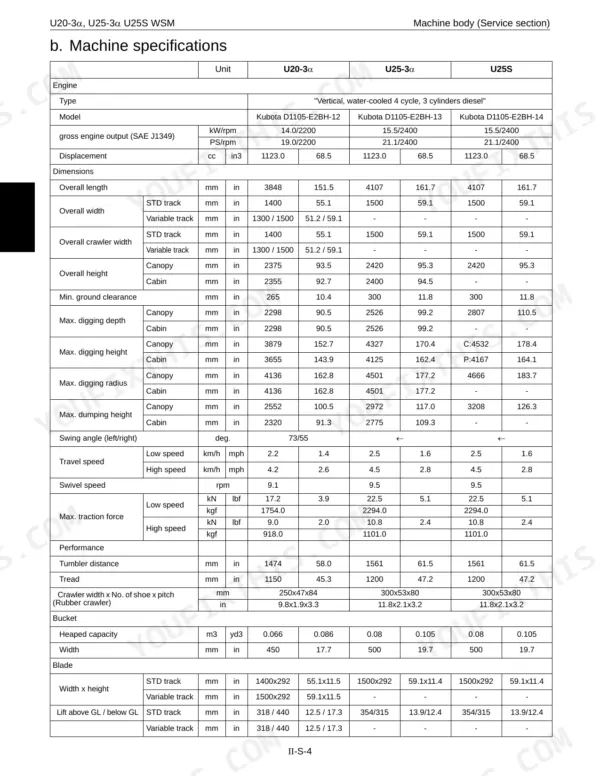
| Engine Gross Output, U20-3α | 14.0 kW / 2200 rpm | p. 32 |
| U25-3α, U25S | ||
| Engine Gross Output (U25-3α, U25S) | 15.5 kW / 2400 rpm | p. 32 |
Kubota U20-3α, U25-3α, U25S Common Problems This Manual Covers
Slow or weak hydraulics
Sluggish boom, arm, or bucket movement usually traces to a worn main pump, a stuck relief valve, or low pump pressure. The Hydraulic System section covers pump and valve specifications with pressure and flow testing.
Manual Section: Hydraulic System p. 265Swing or swivel drift
A swivel that creeps or fails to hold on a slope often points to the swing motor brake valve or its setting pressure. The Hydraulic System section lists the brake valve setting and the disassembly procedure.
Manual Section: Hydraulic System p. 265Hard starting and power loss
Low fuel injection pressure, drifted valve clearance, or weak compression leave the D1105 hard to start and down on power. The Engine section provides the injection pressure spec and troubleshooting.
Manual Section: Engine p. 129Engine overheating
A stuck thermostat, tired water pump, or blocked radiator pushes coolant temperature up during digging. The Engine section gives the thermostat opening temperature and the cooling checks.
Manual Section: Engine p. 129Track wear and poor tracking
Loose track tension and worn rollers on the variable-track undercarriage cause noise and pull to one side. The Machine Body section covers the under carriage components and variable track operation.
Manual Section: Machine Body p. 29No-start and charging faults
A dead battery, failed starter, or weak alternator leaves the machine unable to crank or run down over a shift. The Electrical System section covers starter and alternator checks and wire harness installation.
Manual Section: Electrical System p. 435Frequently Asked Questions
Which machines does this manual cover?
It covers the Kubota U20-3α, U25-3α, and U25S compact excavators, all powered by the D1105 diesel engine. It is Kubota code 97899-61500.
Does it cover the hydraulic system?
Yes. The Hydraulic System section covers pump and valve specifications, pressure and flow testing, disassembly and reassembly, and hose routing. p. 265
Does it list torque specs and fluid capacities?
The General section lists tightening torques and fluid quantities, including a 4.4 L engine oil capacity, 37.0 L hydraulic oil capacity, and 27.5 L fuel tank capacity. p. 5
Is this the complete manual?
Yes. It is the full 478 page factory Service Manual in English, with a selectable text layer and bookmarks, covering general, machine body, engine, hydraulic, and electrical systems.
Do I get instant access to this Kubota U20-3α Service Manual?
Immediate download of the complete 478-page searchable Service Manual. Open it on any device, from a laptop at your desk to a phone in the field.
Am I free to print this Kubota U20-3α Service Manual?
Yes. Print individual pages or full chapters for your own shop use, on letter or A4 paper.
Does this Kubota U20-3α manual have electrical schematics?
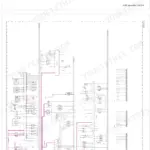
Yes, this Kubota U20-3α, U25-3α, U25S Service Manual includes complete electrical wiring diagrams, wire routing, and connector pinouts.





Reviews
There are no reviews yet.