
Part of the Hyundai Repair Manuals.
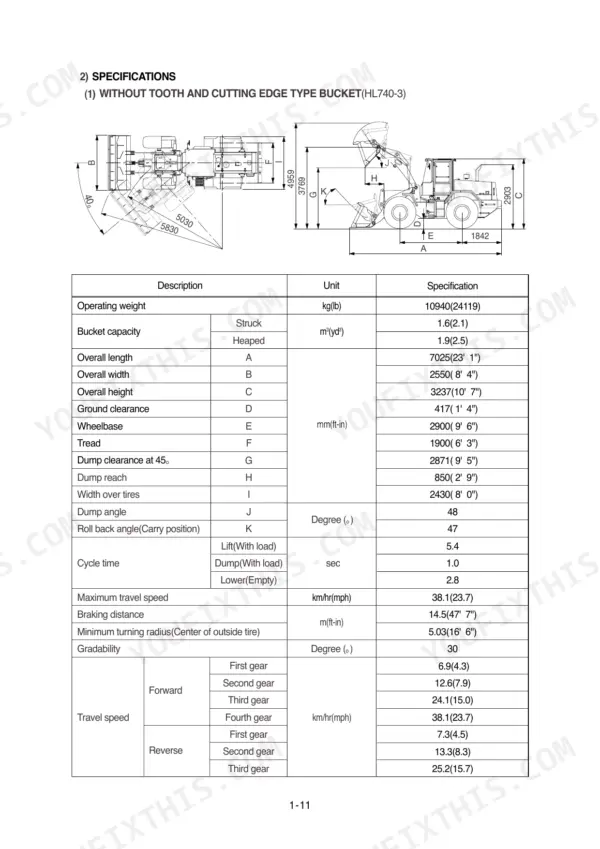
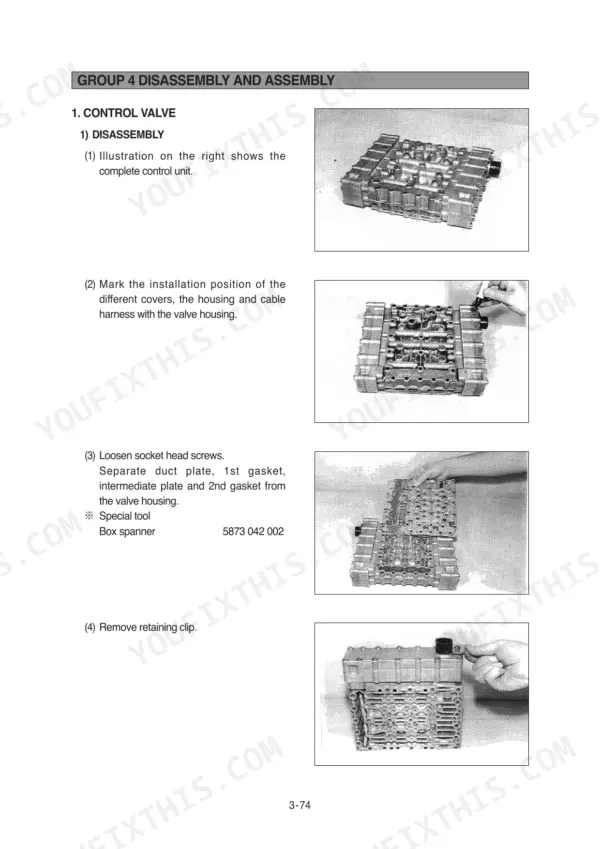
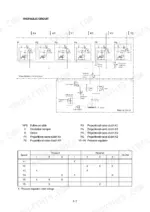
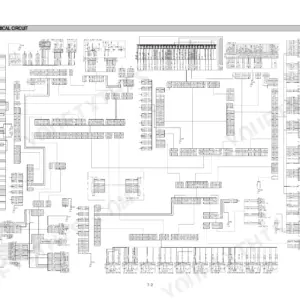
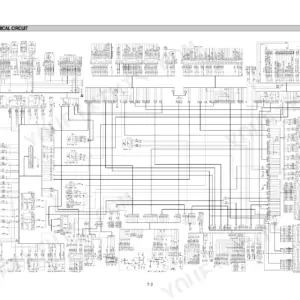
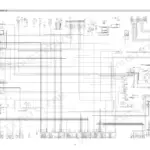
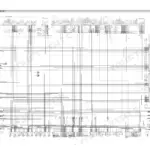
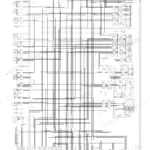
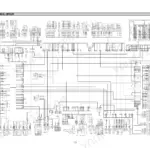
This 500-page Hyundai HL740-3, HL740TM-3 Service Manual PDF covers the full wheel loader lineup: torque converter, transmission, axles, brakes, steering, and complete work equipment hydraulics. Inside you get electrical circuit diagrams with connector pinouts, hydraulic schematics for the main pump and control valve, plus troubleshooting sections for every system from power train to the monitoring panel. Step-by-step disassembly and assembly procedures walk you through each rebuild the way Hyundai's engineers wrote them. Set the main control valve overload relief to 240 kgf/cm2 (3414 psi) and confirm torque converter stall speed lands between 2130 and 2270 rpm. No more chasing wiring faults with a multimeter and a prayer. Bookmarked by section and text-searchable; pull it up on your phone at the machine and find the spec in seconds.
Other edition of this manual
What's Inside This Hyundai HL740-3, HL740TM-3 Manual
| System | Pages | Key Topics |
|---|---|---|
| General | 1-38 | Safety Hints, Specifications, Operational Checkout Record Sheet |
| Engine | 39-46 | Structure and Function |
| Power Train System | 47-224 | Power Train Component Overview, Torque Converter, Transmission, Axle |
| Brake System | 225-264 | Structure and Function, Operational Checks and Troubleshooting, Tests and Adjustments, Disassembly and Assembly |
| Steering System | 265-335 | Structure and Function, Operational Checks and Troubleshooting, Tests and Adjustments, Disassembly and Assembly |
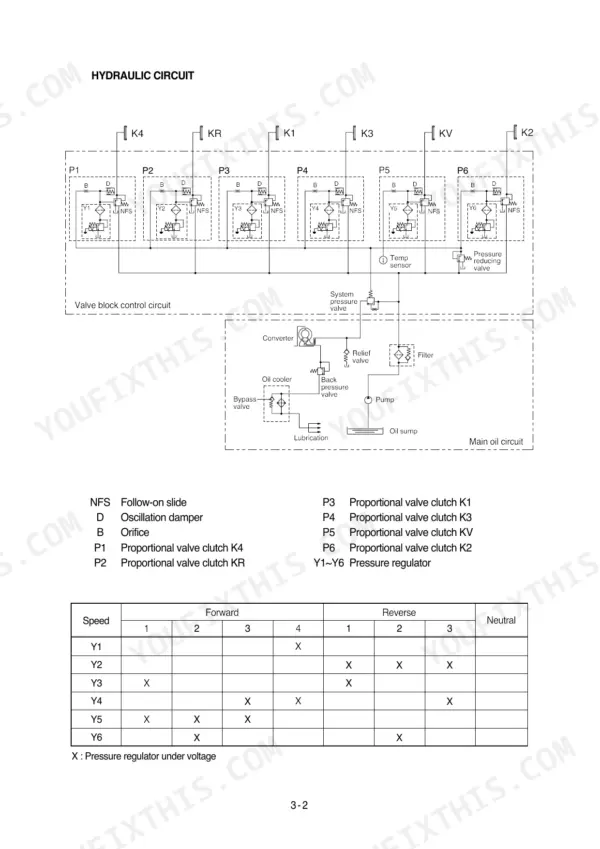
| Work Equipment | 336-427 | Hydraulic System Outline, Main Pump Operation, Remote Control Valve, Main Control Valve, Boom and Bucket Cylinder |
| Electrical System | 428-500 | Component Location, Electrical Circuit, Monitoring System, Electrical Component Specification, Connectors, Troubleshooting |
Quick Reference Specifications
| Specification | Value | Page |
|---|---|---|
| Main control valve overload relief valve pressure | 240kgf/cm2(3414psi) | p. 30 |
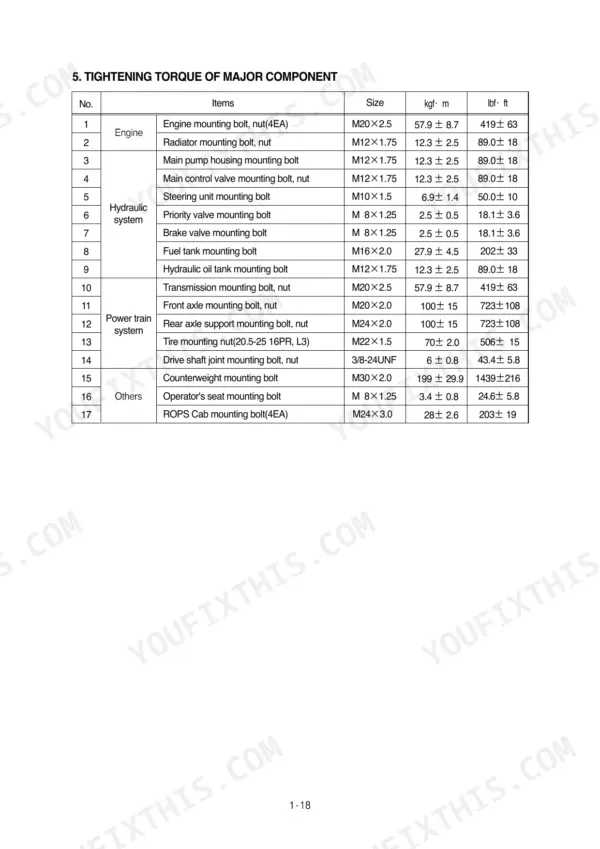
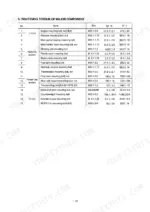
| Engine mounting bolt, nut(4EA) torque | 57.9 ± 8.7 kgf·m | p. 32 |
| Radiator mounting bolt, nut torque | 12.3 ± 2.5 kgf·m | p. 32 |
| Torque converter stall rpm | 2130 ~ 2270 rpm | p. 110 |
| Transmission oil type | SAE 10W-30 / 15W-40 | p. 113 |
| Forward clutch pressure | 16+2 bar | p. 112 |
| Reverse clutch pressure | 16+2 bar | p. 112 |
| Shock valves | 270-290 bar | p. 277 |
| Gland tightening torque | 70 ± 7 kgf·m (506 ± 51 lbf·ft) | p. 323 |
| Nylon nut tightening torque | 75 ± 8 kgf·m (542 ± 58 lbf·ft) | p. 323 |
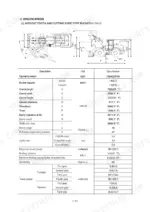
| Engine Oil Quantity | 16.4 L | p. 29 |
| Main Pump Maximum Operating Pressure | 220 kgf/cm2 | p. 29 |
Hyundai HL740-3, HL740TM-3 Common Problems This Manual Covers
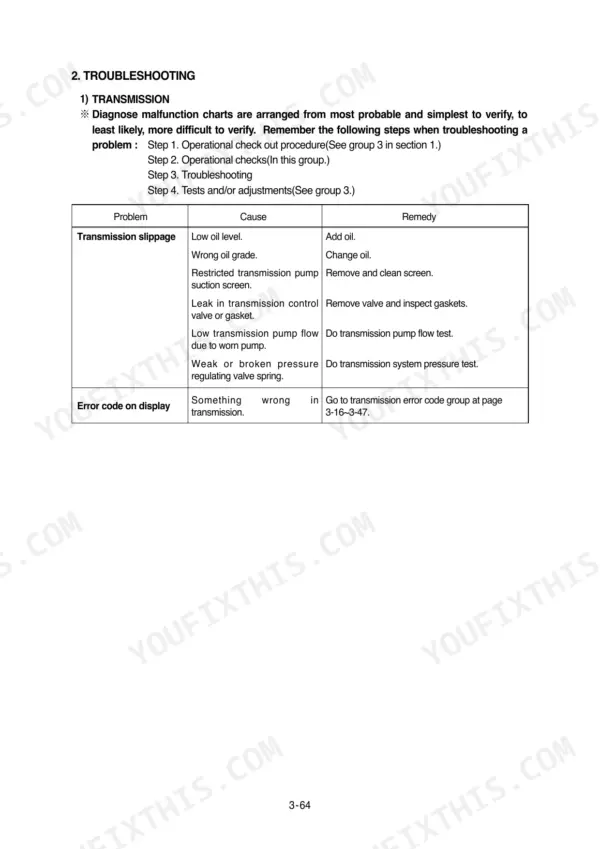
Hyundai HL740-3 transmission slips or machine will not move in any gear
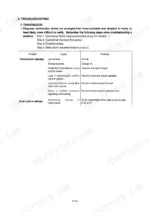
Check transmission oil level first and top up with SAE 10W-30 or 15W-40, listed on page 113. Test each clutch pack at the pressure taps; forward, reverse, and speed clutches should all hold 16+2 bar. Pressure low on one circuit only points to internal leakage in that clutch element. Follow the troubleshooting charts starting.
Manual Section: Transmission TroubleshootingSteering wheel heavy at low idle, response slow or no steering at full lock
Check hydraulic oil level and bleed air from the LS line before condemning the pump. Inspect the priority valve for a stuck spool or clogged orifice; a weak spring gives heavy steering at idle. If the cylinder is bypassing, reseal it and torque the gland to 70 ± 7 kgf·m as shown on page 323.
Manual Section: Steering System p. 265Transmission oil level keeps rising while the hydraulic tank level slowly drops between services
Replace the main pump shaft seal; it is letting hydraulic oil migrate into the transmission. Drain the transmission, refill with SAE 10W-30 or 15W-40 as specified on page 113, and torque the pump housing mounting bolts to 12.3 ± 2.5 kgf·m from the chart on page 32. Recheck both levels after a full shift.
Manual Section: Work Equipment p. 336Hydraulic pump whines or growls under load, boom and bucket respond slowly when warm
Check for air ingestion first: inspect the suction line for pinches and tighten loose clamps. Verify oil viscosity matches spec, then test main relief pressure; it should hold 220 bar as set on page 363. Pressure that never reaches relief with a quiet pump means a worn pump; steady whine with foaming oil means a suction leak.
Manual Section: Work Equipment Hydraulic TroubleshootingMachine lacks power on grades, engine revs high but travel speed stays low
Test torque converter stall speed: hold the brakes, apply full throttle in top gear, and compare engine rpm against the 2130 to 2270 rpm range on page 110. Stall speed above range means converter or clutch slip; verify clutch pressures at 16+2 bar. Low stall points to engine power loss, not the drivetrain.
Manual Section: Power Train System p. 110Frequently Asked Questions
How do I reset the transmission fault code on a Hyundai HL740TM-3?
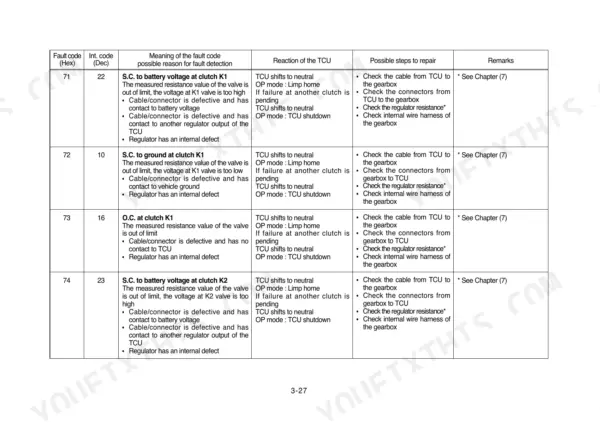
Fault codes are reset automatically after power up of the TCU if the fault is no longer detected. For specific faults like 'Logical error at engine derating device' (Int. code 95), the fault is reset after power up of the TCU. p. 484
What are the torque converter stall speed test steps for the HL740TM-3?
To perform the stall speed test, start the engine, apply service brakes, and move the gear selector to 3rd speed. Move the gear selector control lever to the forward 'F' position, increase engine speed to high idle, and observe the stall rpm, which must be between 2130 and 2270 rpm. p. 110
How do I check the transmission pressure on a Hyundai HL740TM-3?
Transmission pressure checks must be carried out at a hot transmission temperature of about 80-95°C. Connect a gauge to the appropriate port (e.g., port 65 for system pressure of 16+2 bar) and verify the reading against the specifications provided in the oil pressure and temperature table on page 119. p. 119
What is the recommended oil for the engine oil pan?
The recommended oil for the engine oil pan depends on the ambient temperature. For temperatures between -20°C and 40°C, SAE 10W-30 is recommended; for temperatures above -10°C, SAE 15W-40 is used; and for temperatures above 0°C, SAE 30 is recommended. p. 35
What is the tightening torque for the ROPS Cab mounting bolts?
The tightening torque for the ROPS Cab mounting bolts (4EA) is 28 ± 2.6 kgf·m (203 ± 19 lbf·ft). p. 32
Is this Hyundai HL740-3 manual a PDF I download?
Immediate download of the complete 500-page searchable Service Manual. Access it on any device, from a laptop at your desk to a phone in the field.
Am I able to print pages from this Hyundai HL740-3 manual?
Yes. It prints from any PDF reader, so run off the pages you need for your own repair work.
Reviews
There are no reviews yet.