
Part of the Hyundai Repair Manuals.
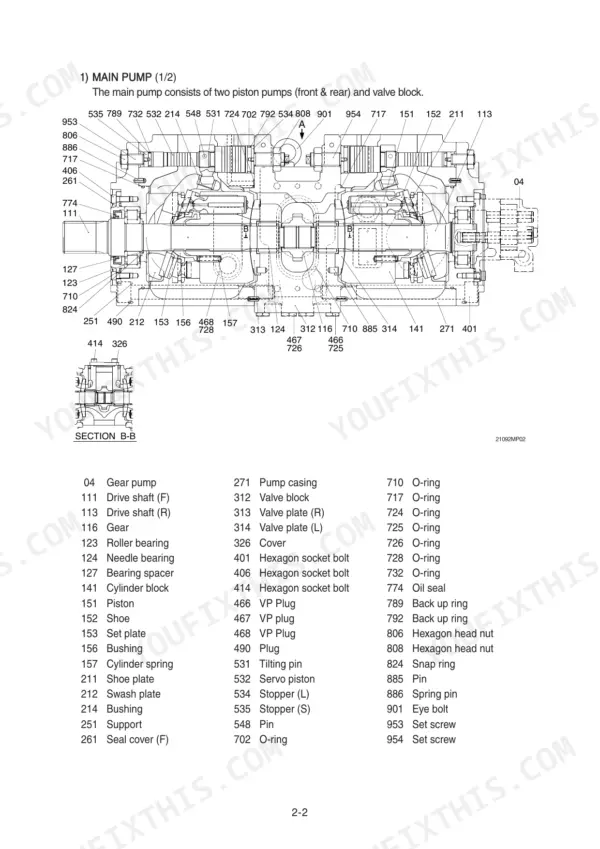
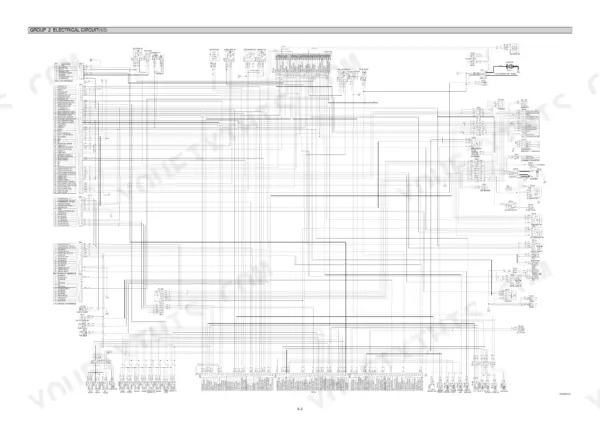
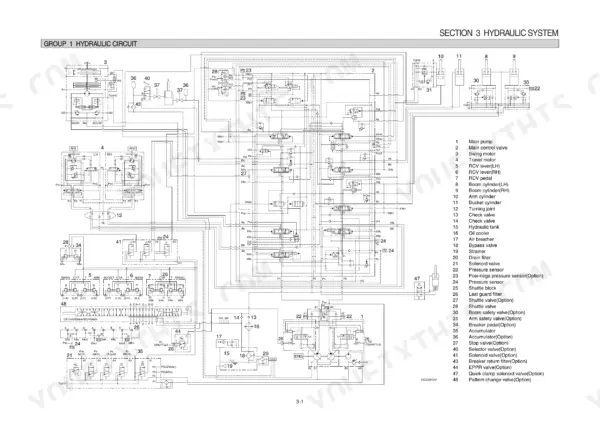
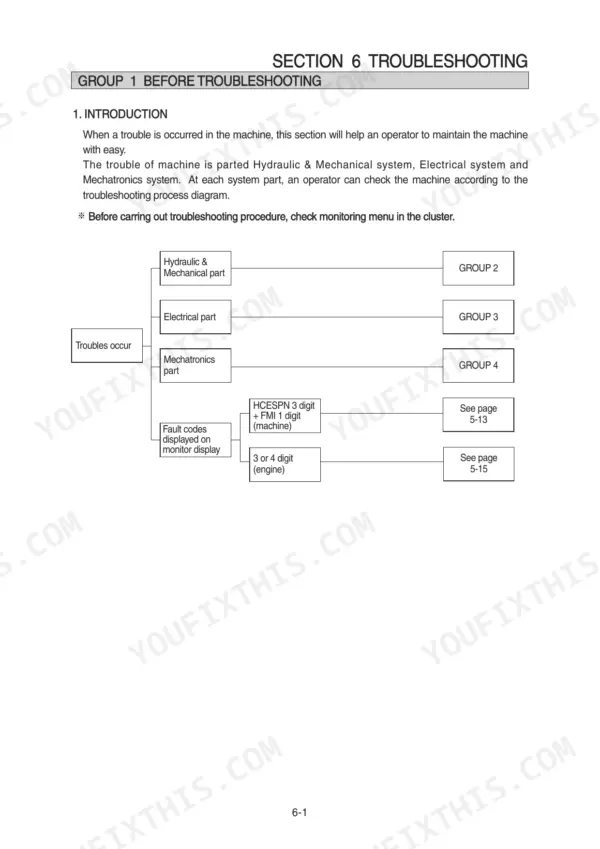
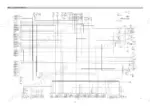
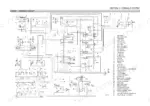
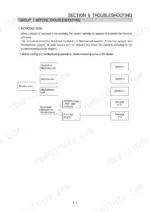
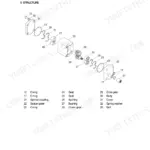
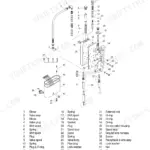
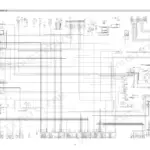
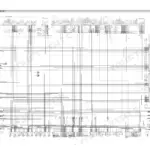
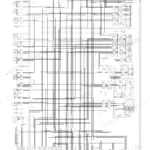
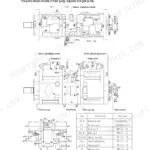
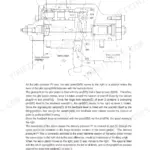
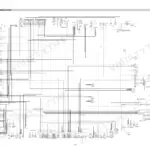
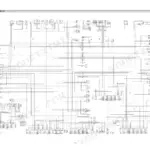
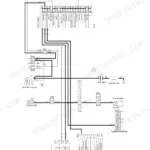
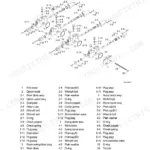
All 487 pages of this Hyundai R235LCR-9 Shop Manual PDF point at one machine: your R235LCR-9 hydraulic excavator, from the pump device to the undercarriage. You get full electrical wiring diagrams with connector pinouts, hydraulic circuit schematics tracing main and pilot flow, and a heavy troubleshooting section that walks the hydraulic, electrical, and mechatronics systems fault by fault. Exploded views back up the disassembly procedures, and the self-diagnostic system is decoded so the monitor panel stops speaking in riddles. Set the main relief valve to 350 kgf/cm2 (4980 psi), 380 with power boost engaged, and keep the 160-liter hydraulic tank topped off before you test. Your excavator is parked and the clock is running. This PDF is bookmarked and text-searchable; jump straight to the spec you need, then get back on the sticks.
What's Inside This Hyundai R235LCR-9 Manual
| System | Pages | Key Topics |
|---|---|---|
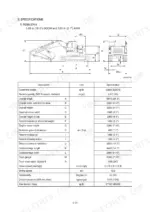
| General | 12-34 | Safety Hints, Specifications |
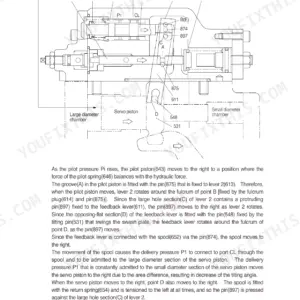
| Structure and Function | 35-113 | Pump Device, Main Control Valve, Swing Device, Travel Device, Rcv Lever, Rcv Pedal |
| Hydraulic System | 114-151 | Hydraulic Circuit, Main Circuit, Pilot Circuit, Single Operation, Combined Operation |
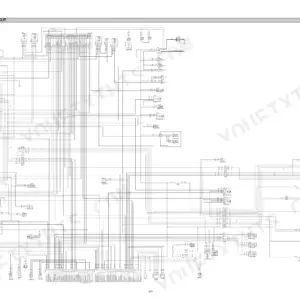
| Electrical System | 152-203 | Component Location, Electrical Circuit, Electrical Component Specification, Connectors |
| Mechatronics System | 204-260 | Outline, Mode Selection System, Automatic Deceleration System, Power Boost System, Travel Speed Control System |
| Maintenance Standard | 331-365 | Operational Performance Test, Major Components, Main Control Valve, Track and Work Equipment |
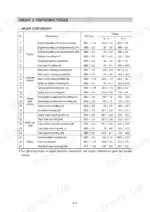
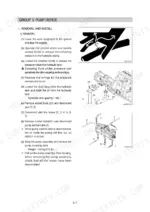
| Disassembly and Assembly | 366-472 | Precaution, Tightening Torque, Pump Device, Main Control Valve, Swing Device, Travel Device, Rcv Lever, Turning Joint |
| Component Mounting Torque | 473-487 | Introduction Guide, Engine System, Electric System, Undercarriage, Structure, Work Equipment |
Quick Reference Specifications
| Specification | Value | Page |
|---|---|---|
| Main relief valve pressure | 350 kgf/cm2 (4980 psi) | p. 35 |
| Main relief valve pressure (Power boost) | 380 kgf/cm2 (5400 psi) | p. 35 |
| Boom port relief valve pressure | 400 kgf/cm2 (5690 psi) | p. 35 |
| Arm port relief valve pressure | 400 kgf/cm2 (5690 psi) | p. 35 |
| Hydraulic tank capacity | 160 L (42 U.S. gal) | p. 34 |
| Hydraulic system capacity | 275 L (73 U.S. gal) | p. 34 |
| Bypass relief valve opening pressure | 1.5 kgf/cm2 | p. 117 |
| Solenoid valve resistance | 15~25 ohm | p. 175 |
| EPPR valve resistance | 15~25 ohm | p. 175 |
| Track tension cylinder mounting bolt | 29.7 ± 4.5 kgf·m | p. 370 |
| Swing bearing upper part mounting bolt | 100 ± 10 kgf·m | p. 371 |
| Swing bearing lower part mounting bolt | 100 ± 10 kgf·m | p. 371 |
Hyundai R235LCR-9 Common Problems This Manual Covers
Hyundai R235LCR-9 boom and arm weak under load, bucket curl loses power on hard digging
Test main relief pressure at the pump: standard is 350 kgf/cm2 (4980 psi), rising to 380 kgf/cm2 (5400 psi) with power boost, per the specs on page 35. If main relief checks good, test the port reliefs next; boom, arm, and bucket circuits should hold 400 kgf/cm2. Swap suspect cartridges between circuits to isolate a weak valve before condemning the pump.
Manual Section: Structure and Function p. 35Boom drifts down and arm creeps out with controls in neutral on level ground
Warm the oil to operating temperature, then verify port relief settings: boom, arm, and bucket should hold 400±10 kgf/cm2 at 20 lpm, per the maintenance standard on page 351. If reliefs pass, the leak is internal to the cylinder. Raise the boom, crack the rod-end line, and watch for oil bypassing the piston. Steady flow means the piston seals are done; replace the seal kit.
Manual Section: Maintenance Standard p. 351Machine pulls to one side when tracking, travel weak or slow on the left track
Measure travel relief pressure on both sides; compare each circuit against the travel standard in the maintenance standard section on page 351. A low reading on the weak side points to that travel relief valve or motor. If both pressures check good, inspect the turning joint seals for cross-leakage between circuits, and confirm the track is not simply packed with material or over-tensioned.
Manual Section: Travel System Troubleshooting p. 351Hydraulic oil overheats and turns cloudy after a few hours of steady work
Check the oil level first; the tank holds 160 L (42 U.S. gal) and low level lets the pump pull air, which clouds the oil and drives temperature up. Drain, refill, and replace the return filter: a clogged element forces oil past the bypass valve, which opens at just 1.5 kgf/cm2, so contamination circulates unfiltered. Blow out the oil cooler fins while you are in there.
Manual Section: Hydraulic System Troubleshooting p. 34Engine runs fine but joysticks are dead, no response from any hydraulic function
Verify the safety lever is fully down, then check pilot pressure at the pilot pump outlet; compare pilot pressure against the pilot relief setting in the hydraulic system section. No pressure means pump or relief trouble. If pressure is good, test the pilot cutoff solenoid: measure coil resistance across terminals 1 and 2, normal is 15 to 25 ohms per page 175. An open coil blocks all pilot flow; replace it.
Manual Section: Electrical System p. 175Frequently Asked Questions
How do I clear error codes on a Hyundai R235LCR-9?
To clear logged fault codes, navigate to the 'Monitoring' menu on the cluster, select 'Delete logged fault', and confirm the deletion. This process is detailed in the 'Self-Diagnostic System' section. p. 218
What are the replacement specifications for the Main relief valve?
The main relief valve should be replaced if there is external rusting or damage, or if the contacting faces of the valve seat or poppet are damaged. Replacement is required in principle if the O-rings and back-up rings are damaged. p. 353
What is the tightening torque for the engine mounting bolts (engine-bracket)?
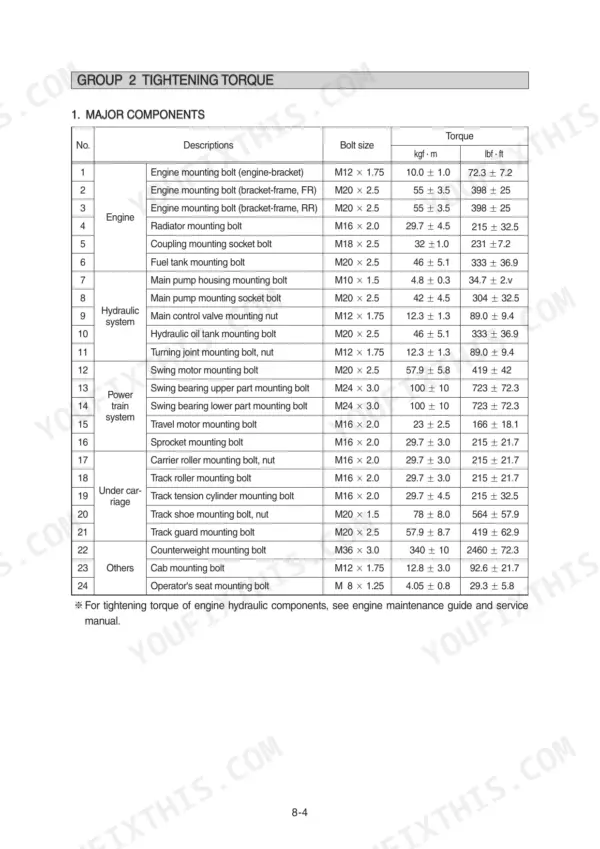
The tightening torque for the engine mounting bolts (engine-bracket) is 10.0 ± 1.0 kgf·m (72.3 ± 7.2 lbf·ft). p. 370
What is the standard engine oil quantity for the R235LCR-9?
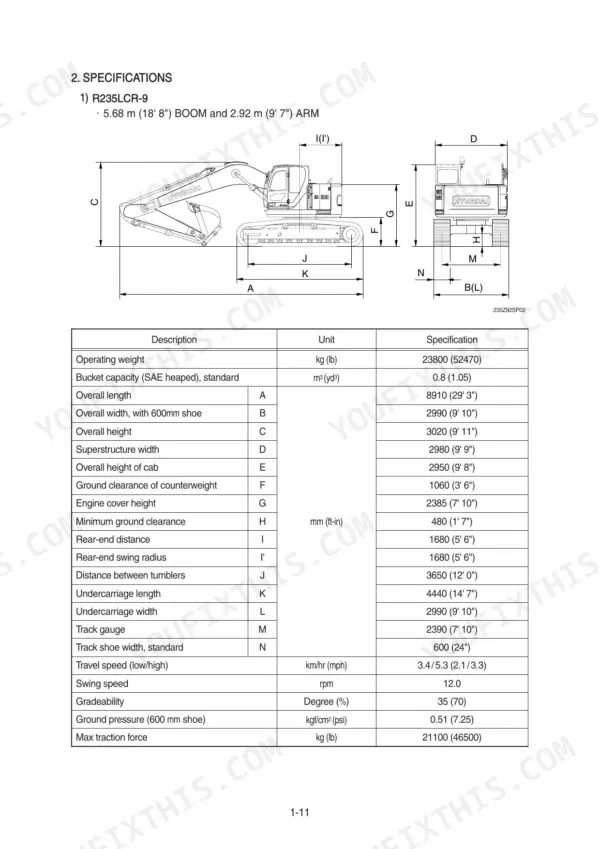
The standard engine oil quantity for the Cummins QSB6.7 engine is 24 liters (6.3 U.S. gal). p. 31
How do I bleed the air from the hydraulic pump after installation?
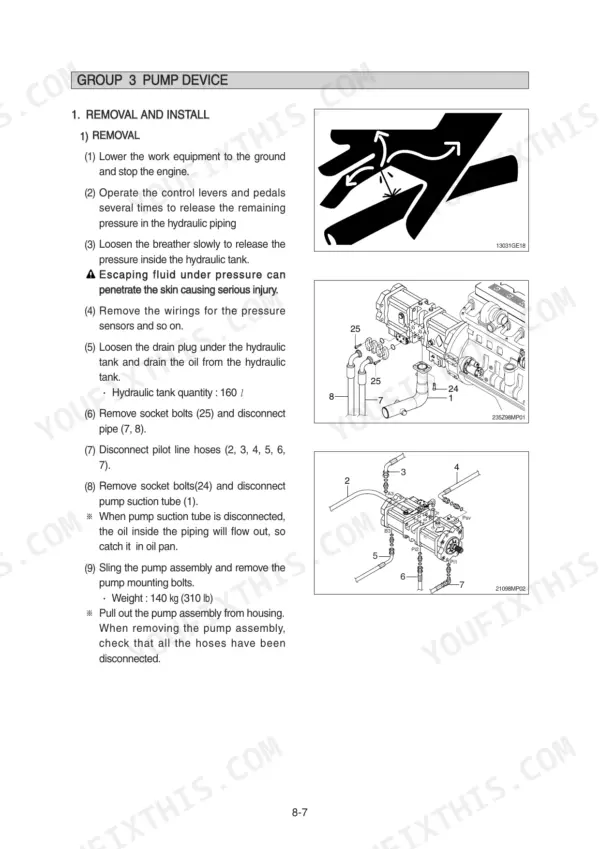
After installing the pump, remove the air vent plug (2EA), tighten it lightly, start the engine at low idling, and check that oil comes out from the plug. Once oil flows, tighten the plug fully. p. 374
How will I receive this Hyundai R235LCR-9 Shop Manual?
Instant PDF download. You get the full 487-page searchable Shop Manual immediately after payment. Open it on your laptop, tablet, or phone right in the shop.
Is this Hyundai R235LCR-9 manual print-friendly?
Yes. Many buyers print one chapter at a time for their own shop and keep the rest on a tablet.
Reviews
There are no reviews yet.