
Part of the Case Repair Manuals.
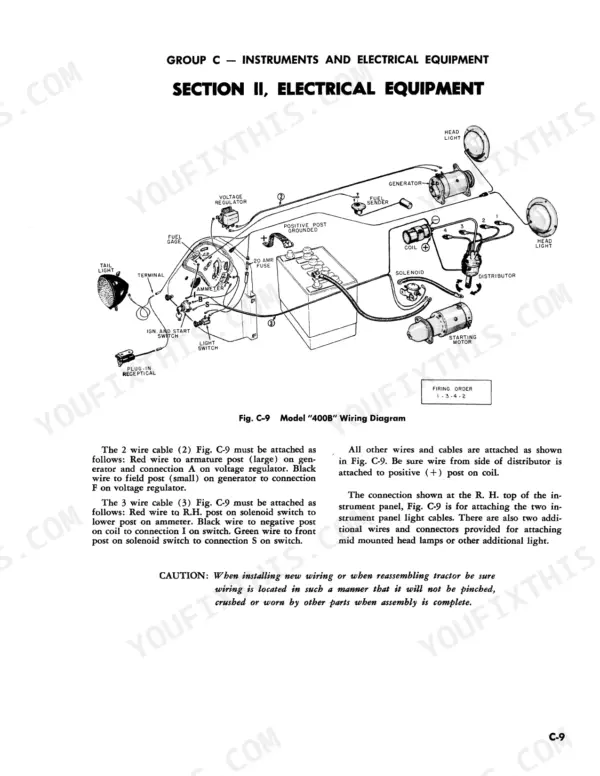
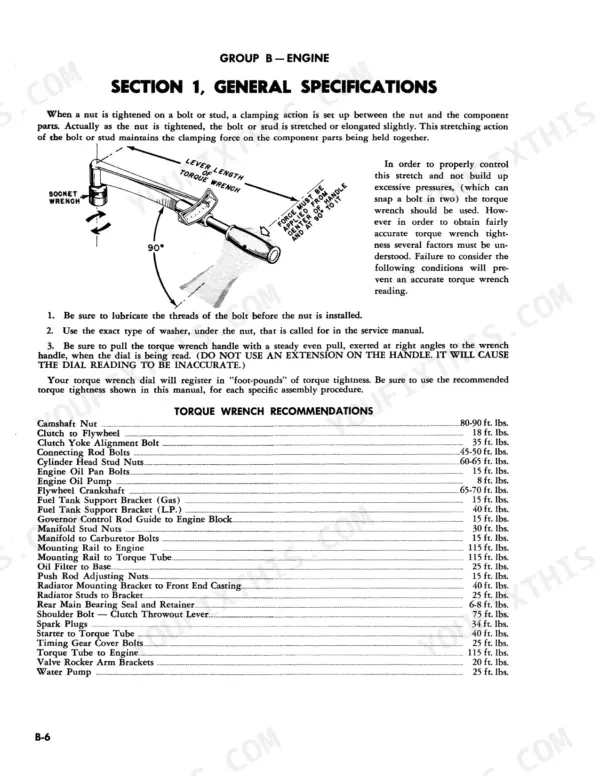
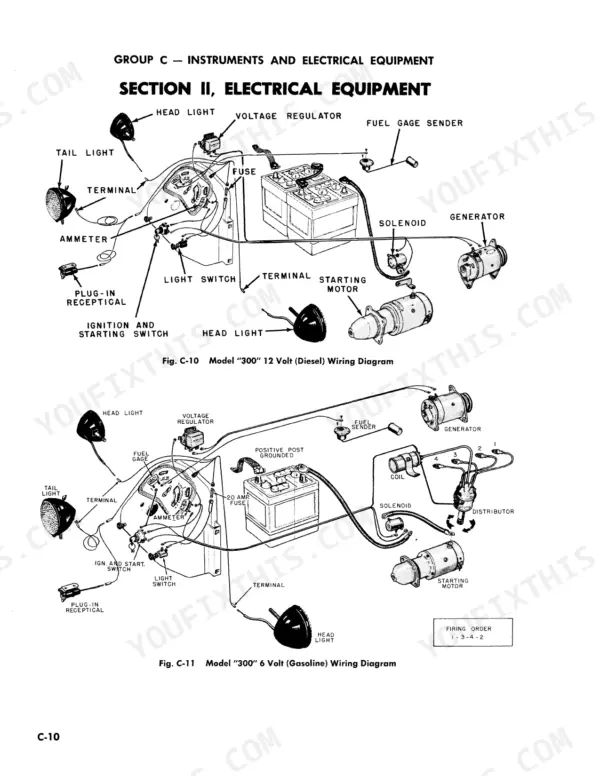
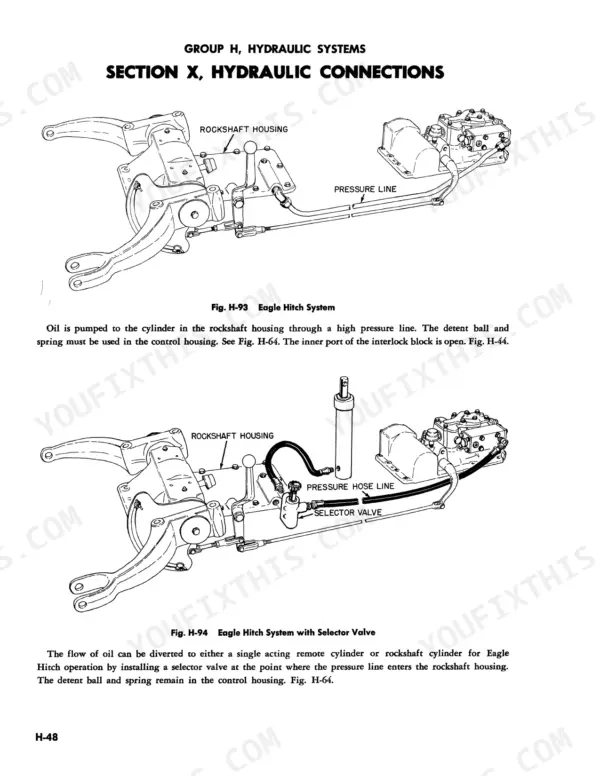
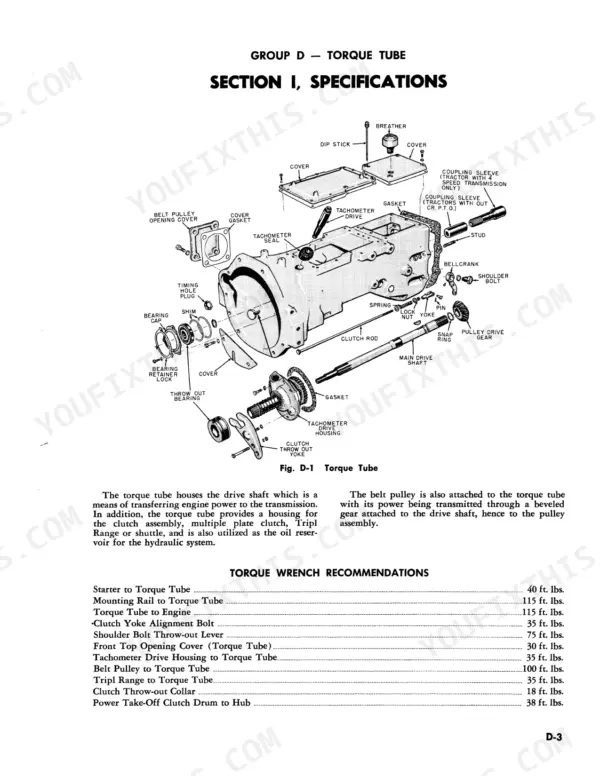
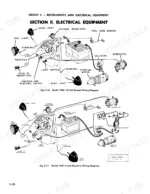
Stripping a Case 300 tractor down to the torque tube is what this 333-page Case 300 service manual PDF, factory number 9-92002, walks you through, covering seven designations in the 300 and 400B line. Wiring diagrams run separately for the 400B, the 300 diesel on 12 volt and the 300 gasoline on 6 volt, so you trace the circuit your tractor actually left with. Hydraulic coverage runs about 50 pages, from Eagle Hitch arms that leak down overnight to a pump gone noisy under load, and the Case-O-Matic drive gets its own teardown through converter, control valve and pressure regulator. Set main bearing running clearance at .0015 to .002 inch, pull cylinder head stud nuts to 60-65 ft. lbs., and bolt the torque tube to the engine at 115 ft. lbs. Searchable text and section bookmarks mean the book goes where the tractor is, field edge included.
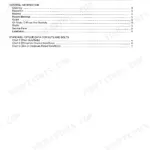
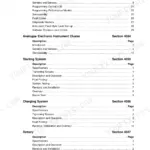
What's Inside This Case 300 and 400B Series Manual
| System | Pages | Key Topics |
|---|---|---|
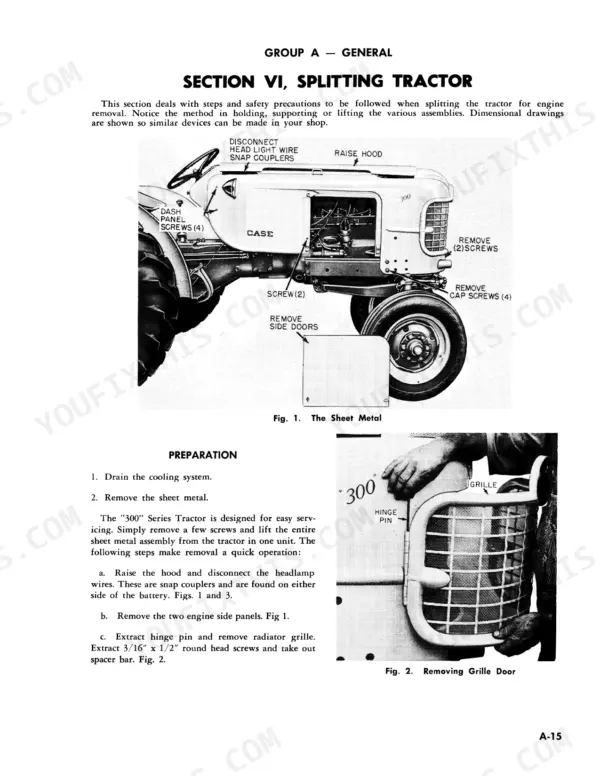
| General | 4-23 | Use of Manual, Tractor Models, Lubrication, Special Tools, Splitting Tractor |
| Engine | 24-131 | Specification, Service Hints, Cylinder Head Assembly, Timing Gear Cover, Lubrication System, Water Pump and Cooling System, Clutch Assembly, Camshaft |
| Instruments and Electrical Equipment | 132-141 | Instruments, Case-O-Matic Gages, Converter Temperature Gage, Converter Pressure Gage, Instrument Cluster, Fuel Gage, Engine Oil Pressure Gage, Engine Temperature Gage and Ammeter |
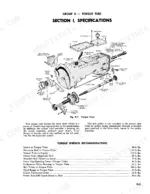
| Torque Tube | 142-159 | Specifications, Main Drive Shaft, Hydraulic Pump and Tachometer Drive, Multiple Plate Clutch, Belt Pulley, Clutch Rod Adjustment |
| Transmission | 160-207 | Specifications, Service Hints, Gear Shift Cover, Reverse Idler Gear, Main Drive Shaft, Pinion Shaft, Differential Assembly, Differential Brakes |
| Rear Axle | 208-211 | Removing Rear Axle General Purpose, Installing Axle General Purpose, Removing Rear Axle Utility Models, Installing Flanged Axle Utility Models |
| Front Axle and Steering Gear | 212-263 | Lubrication, Bearing Adjustment, Solid Front Axle, Adjustable Front Axles, Dual Front Wheels, Steering Cam and Lever Housing |
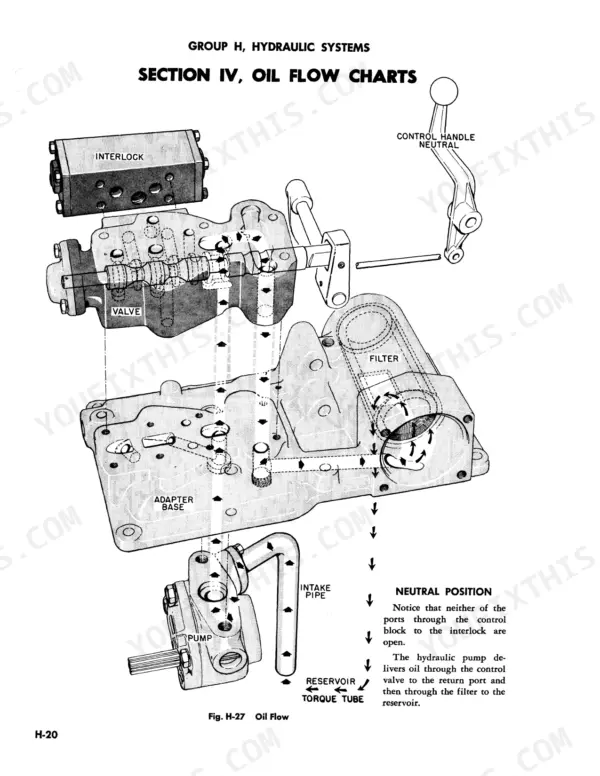
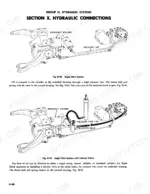
| Hydraulic Systems | 264-313 | Specifications, Checking Oil Level, Draining Hydraulic System, Service Hints, Eagle Hitch Arms Leak Down, Load Raises Too Slowly, Low Output Hydraulic Pump, Hydraulic Pump Noisy |
| Case-O-Matic Drive | 314-333 | Function, Oil Reservoir, Oil Level Checking Procedure, Reservoir Breather, Oil Changing Procedure, Case-O-Matic Oil Supply Pump, Servicing Case-O-Matic Pump |
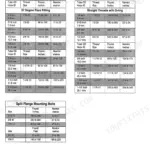
Quick Reference Specifications
| Specification | Value | Page |
|---|---|---|
| Oil Filter to Base | 25 ft. lbs. | p. 31 |
| Cylinder head stud nuts torque | 60-65 ft. lbs. | p. 28 |
| Connecting Rod Bolts Torque | 45-50 ft. lbs. | p. 29 |
| Torque Tube to Engine Torque | 115 ft. lbs. | p. 29 |
| Main Bearing Running Clearance | .0015 to .002 inch | p. 28 |
| Camshaft Bearing Clearance | .002 to .004 inch | p. 28 |
Case 300 and 400B Series Common Problems This Manual Covers
Case 300 starts and idles fine but spits, sputters, and dies under load in the field
Start at the fuel strainer on the suction side, not the carburetor. Pull the sediment bowl, drain it, and clean the strainer; the engine trouble chart lists a clogged fuel strainer as a cause. Replace both filter elements, then blow out the supply line with shop air. Check the Engine Service Hints beginning on page 24 for fuel consumption diagnosis. Torque the oil filter to base at 25 ft. lbs. if you disturb it.
Manual Section: Engine p. 24Hydraulics weak, erratic, or dead; hitch raises slowly or not at all
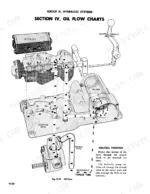
Check oil level cold and at the correct fill mark first, then work the spool through full travel to free a sticking valve. Contamination is the usual culprit, so drain and refill with clean oil rather than topping off dirty oil. Trace the circuit on the hydraulic schematic on page 283 to isolate the pump from the valve before you tear anything apart.
Manual Section: Hydraulic Systems p. 264Oil weeping at the hydraulic valve inputs and cover after the tractor sits overnight
Wipe everything down and run the system hot to find the actual source; cover leaks and shaft leaks look identical when the housing is wet. Measure the valve shafts for wear and scoring where they pass through the seals, and replace hardened gaskets as a set, not one at a time. Follow the valve teardown in the Hydraulic Systems section starting at page 264.
Manual Section: Hydraulic Systems p. 264Hard starting and low compression after the tractor sat through a wet off season
Run a compression test on all cylinders and compare; one low hole points at a valve, all low points at rings. If you pull the head, torque the stud nuts to 60-65 ft. lbs. in sequence per the torque specifications on page 29.
Manual Section: Engine p. 29Clutch slips, grabs, or drags when pulling an implement or engaging the PTO
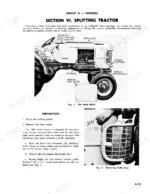
Check free travel at the pedal first; most slipping complaints on these tractors are nothing but linkage out of adjustment. Adjust the clutch rod to specification before you condemn the plates, then engage under load to confirm. If you split the tractor, torque the torque tube to engine bolts to 115 ft. lbs. Torque specifications are on page 29.
Manual Section: Torque Tube p. 144Transmission noisy and jumps out of gear under draft load
Check the oil level before blaming the gears. Verify the shift linkage returns fully to detent; worn detent springs let gears walk out under load. Inspect the shift cover and reverse idler for wear per the Transmission section starting at page 160, and confirm main bearing running clearance stays within .0015 to .002 inch on any related engine work.
Manual Section: Transmission p. 160Frequently Asked Questions
What are the torque specifications for the cylinder head stud nuts on the Case 300 series tractors?
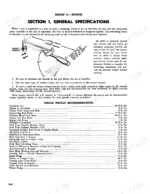
The cylinder head stud nuts on the Case 300 series tractors should be tightened to a torque of 60-65 ft. lbs. This specification is found in the General Specifications section for the engine. p. 29
What is the recommended valve tappet clearance for the Case 300 series tractors?
The recommended valve tappet clearance for the Case 300 series tractors is .014 inch when the engine is cold. p. 27
What is the engine oil capacity for the Case 300 series tractors?
The engine crankcase capacity for the Case 300 series tractors is 4 quarts, or 5 quarts when the filter is included. p. 27
How often should the oil filter element be replaced on low-cost fuel tractors?
On low-cost fuel tractors, the oil filter element should be replaced every 150 hours of operation. p. 10
What is the correct spark plug gap setting for the Case 300 series tractors?
The correct spark plug gap setting for the Case 300 series tractors is .025 inch. p. 27
Do I get instant access to this Case 300 Service Manual?
One searchable PDF covering 333 pages, delivered instantly. No disc, no shipping, no waiting on the post.
Can I print specific sections of this Case 300 Service Manual?
Yes. Print the pages or sections you need for your own shop use. Any standard printer works.




Reviews
There are no reviews yet.