
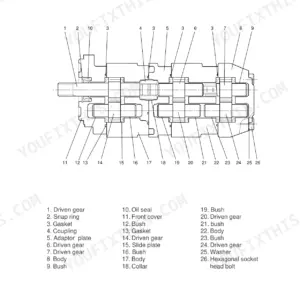
Part of the Hyundai Repair Manuals.
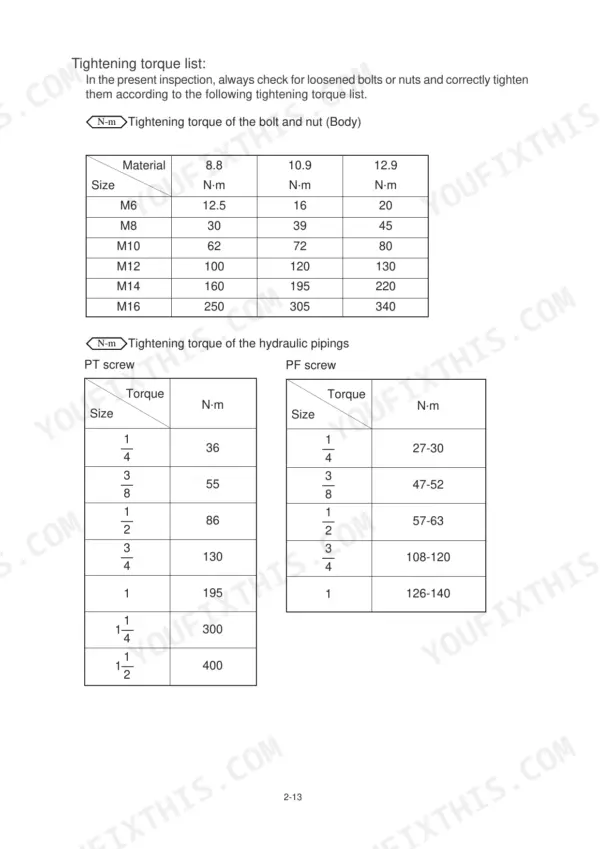
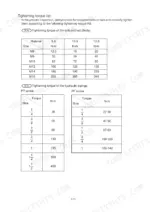
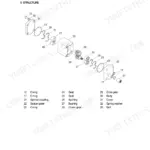
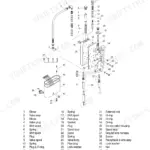
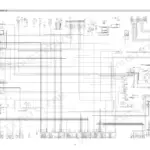
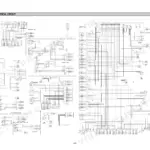
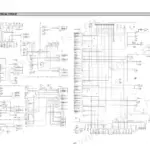
All 149 pages of this Hyundai R75-7 (R75-7) service manual PDF cover one machine: the R75-7 hydraulic excavator, from main pump to track rollers. Inside you get full hydraulic circuit diagrams, electrical wiring schematics, and a fat troubleshooting section that walks failure to remedy for every system on the machine. Exploded views back up step-by-step teardown procedures for your control valve, slew motor, travel motor, cylinders, swivel joint, and the entire undercarriage. Torque the M8 body bolts to 30 N·m, the 3/8 PT hydraulic fittings to 55 N·m, and refill each track roller with 80 cc of oil before it runs dry. No more chasing hydraulic leaks with forum guesses. This bookmarked PDF has a real text layer: type a spec, jump straight to the section, and get your excavator digging again.
What's Inside This Hyundai R75-7 Manual
| System | Pages | Key Topics |
|---|---|---|
| Precautions on Maintenance | 6 | Correct Operation, Safety Check, Preparation, Disassembly, Assembly |
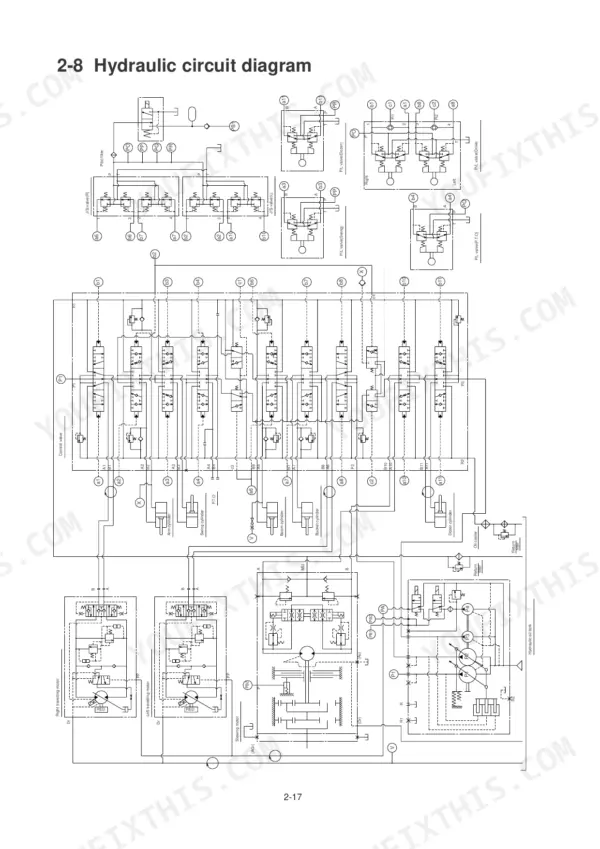
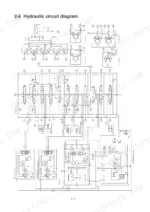
| Outline | 7-26 | Serial Number, Name of Parts, Dimensions, Weight List, Oil and Grease Supply, Hydraulic Circuit Diagram |
| Attachment | 27-34 | Measuring the Natural Fall of the Attachment, Measuring Attachment Cylinder Speed, Standard of Maintenance |
| Engine | 35-46 | Specification, Inspection and Maintenance Procedure |
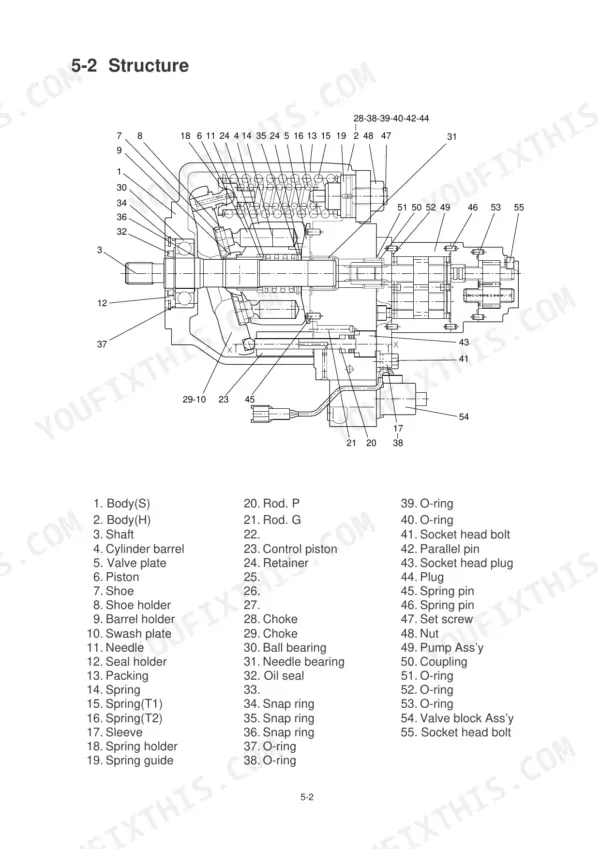
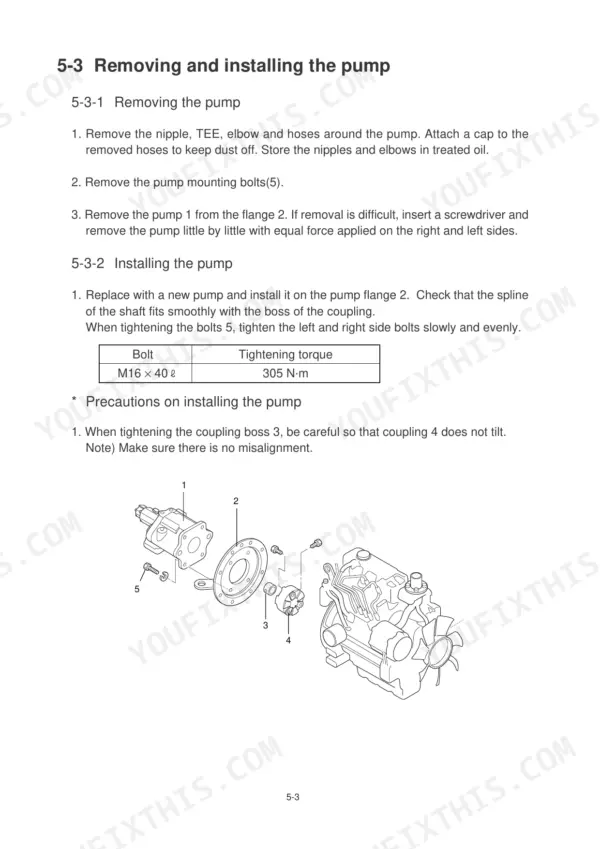
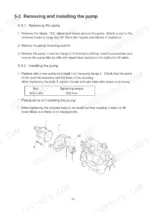
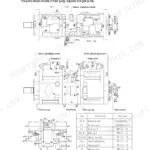
| Main Pump | 47-54 | Removing and Installing the Pump, Performance Test |
| Hydraulic Oil Filter | 55-60 | Hydraulic Oil Filter Specifications, Maintenance Procedure |
| Control Valve | 61-68 | Disassembly and Assembly, Structure of the Relief Valve |
| Joystick | 69-72 | Secondary Pressure and Pusher Stroke, Specification and Structure |
| Pilot valve(1)(Travel) | 73-76 | Travel Pilot Valve Secondary Pressure, Travel Operating Torque and Angle, Pusher Assembly and Structure |
| Pilot valve(2)(Swing.PTO) | 77-80 | Swing and PTO Pilot Valve Secondary Pressure, Swing Operating Torque and Angle, Pusher Assembly and Structure |
| Pilot valve(3)(Dozer) | 81-84 | Secondary Pressure, Operating Torque and Operating Angle, Spring Compression, Spring Pin and Pusher Assembly |
| Slew Motor | 85-90 | Slew Bearing and Slew Case Wear Limits (Tightening Torque 340 N.m), Measuring Natural Slew Distance, Measuring Over-Slew Distance After Stopping, Measuring Required Slewing Time |
| Travel Motor | 91-96 | Handling the Travelling Motor, Inspection and Adjustment |
| Hydraulic Cylinder | 97-102 | Disassembly and Assembly, Assembly Procedure |
| Swivel Joint | 103-106 | Specification and Structure, Disassembly and Assembly |
| Crawler | 107-114 | Crawler (Steel) and Track Frame, Rubber Crawler Total Length, Width X Pitch and Set Length, Removing and Installing the Crawler, Track Frame Spring |
| Spring Case and Grease Cylinder | 115-120 | Specification of Spring (Set Length 321 Mm, Coil Count, Spring Constant, Set Force), Disassembling the Adjust Cylinder, Disassembling the Spring Assembly |
| Idler | 121-122 | Standard of Maintenance, Idler Specification |
| Sprocket | 123-126 | Removing and Installing the Sprocket (Tightening Torque 200 N.m), Width of Sprocket Teeth, Minor Diameter Wear Limit |
| Track Roller | 127-130 | Standard of Maintenance, Track Roller (Steel), Track Roller (Rubber) |
| Carrier Roller | 131-132 | Standard of Maintenance, Bolt, Lubricating Oil |
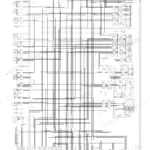
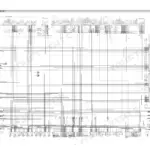
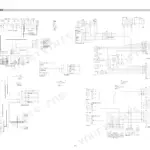
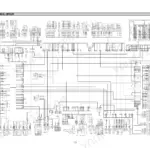
| Electrical Equipment | 133-136 | Failure and Remedy |
| Troubleshooting | 137-149 | Troubleshooting Procedures |
Quick Reference Specifications
| Specification | Value | Page |
|---|---|---|
| Tightening torque of the bolt and nut (Body) M6 (8.8) | 12.5 N·m | p. 20 |
| Tightening torque of the bolt and nut (Body) M8 (8.8) | 30 N·m | p. 20 |
| Track roller oil quantity | 80 cc | p. 16 |
| Track roller oil supply quantity | 100 cc | p. 23 |
| Front idler oil quantity | 70 cc | p. 16 |
| Front idler oil supply quantity | 100 cc | p. 23 |
| Battery | 12V x 92AH(5HR) | p. 35 |
| Starter | 12V x 3.0 kW | p. 36 |
| Starter B terminal tightening torque | 9.8-11.8 N·m | p. 45 |
| Line filter (SP10) tightening torque | 20 N·m | p. 57 |
| Pilot filter tightening torque | 60 N·m - 80 N·m | p. 58 |
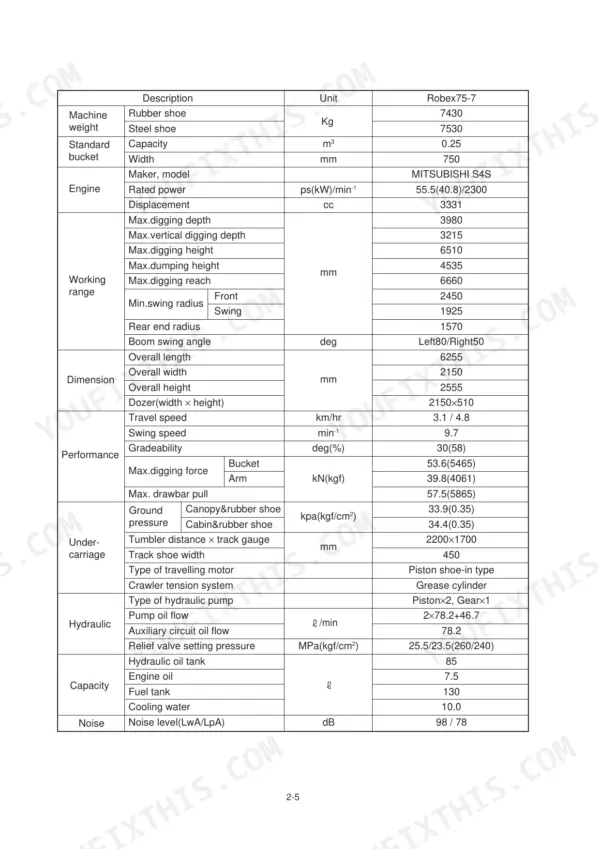
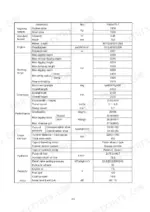
| Engine Rated Power | 40.8 kW / 2300 min-1 | p. 12 |
Hyundai R75-7 Common Problems This Manual Covers
Hyundai Robex 75-7 hydraulic response slow and weak, bucket and boom lose power under load
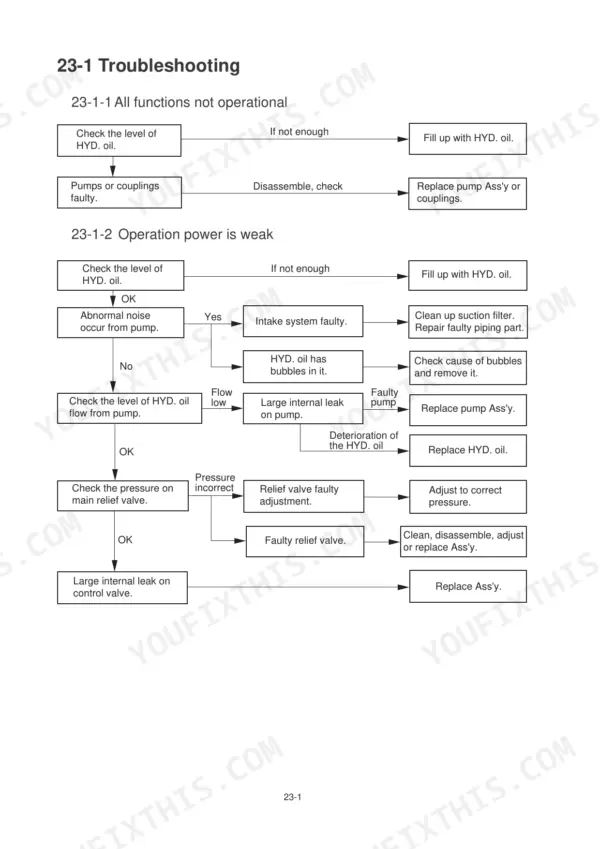
Check hydraulic oil level first; the tank holds 85 L and low oil starves the pump. Work through the weak-power chart on page 138: inspect the suction line for air leaks, then test main relief pressure against the 25.5 MPa setting. If pressure will not build, suspect internal pump leakage; the performance test starts on page 47.
Manual Section: Operation power is weak p. 138Machine will not move and no function on any control, engine runs normally
Verify hydraulic oil level in the 85 L tank before anything else. Follow the all-functions-dead procedure on page 138: confirm the main pump shaft is turning and the engine coupling is not sheared. Check the suction line and filter for blockage; a pump sucking air whines loudly and builds no pressure.
Manual Section: All functions not operational p. 138Boom drifts down slowly with controls in neutral, load creeps toward the ground
Raise the boom, shut the engine off, and watch the rod; steady creep means internal cylinder leakage. Reseal the cylinder using the disassembly procedure starting on page 97. If the rod holds, test the boom port relief valve for a bad seat; the main system relieves at 25.5 MPa, and a leaking relief bleeds that pressure away.
Manual Section: Natural fall of boom p. 97Engine cranks slowly or refuses to start, especially on cold mornings after sitting overnight
Load test the 12V 92AH battery before condemning the starter; slow cranking is usually a weak battery or dirty connections. Clean the starter B terminal and torque it to 9.8-11.8 N·m; a loose terminal mimics a dead 12V 3.0 kW starter. Work the failure-and-remedy chart in the electrical section on page 133 for wiring faults.
Manual Section: Electrical Equipment p. 133Track rollers leaking oil, tracks noisy and wearing unevenly on one side
Replace leaking roller seals before the bearings run dry; a dry roller flat-spots fast. Drain each roller and refill with 70 to 80 cc of lubricating oil, then torque the mounting bolts to 180 N·m per the spec on page 128. Check crawler tension while you are under there; a slack track hammers the rollers.
Manual Section: Track Roller p. 127Frequently Asked Questions
What are the torque specifications for the track roller mounting bolts on the Hyundai Robex 75-7?
The tightening torque for the track roller mounting bolts is 180 N·m. This applies to both the steel and rubber track roller configurations. p. 128
What are the replacement specifications for the hydraulic line filter?
The hydraulic line filter (SP10) has a filtration accuracy of 10µ and a maximum filtration capacity of 125 ℓ/min. It is recommended to inspect and maintain line filters after the first 100 service hours, and then every 500 service hours. p. 57
What are the replacement specifications for the fuel filter?
The fuel filter element should be cleaned every 100 service hours and replaced every 500 service hours. When cleaning, ensure the inside of the bowl is cleaned and the cock is opened to vent air. p. 22
What is the standard valve clearance for the engine when cold?
The standard valve clearance for both the inlet and exhaust valves when the engine is cold is 0.25 mm (0.0098 in). p. 39
What is the total capacity of the hydraulic oil tank?
The total capacity of the hydraulic oil tank is 85 liters. p. 12
What exactly do I receive with this Hyundai Robex 75-7 Service Manual?
A 149-page Service Manual in searchable PDF format, available the moment you complete checkout. View on computer, tablet, or phone, with no shipping wait.
Is this Hyundai Robex 75-7 Service Manual printable?
Yes. Print the sections you need to take out to the shop for your own use. Standard letter or A4 paper works.
Reviews
There are no reviews yet.