
Part of the New Holland Repair Manuals.
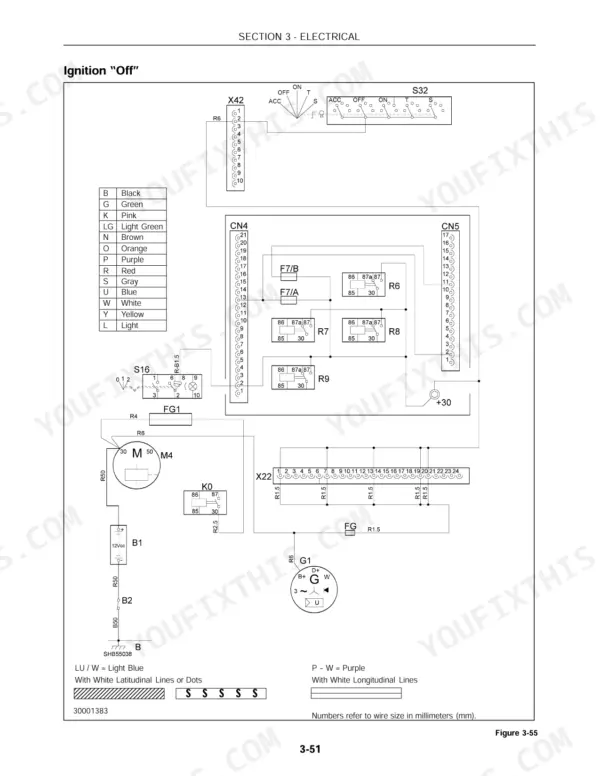
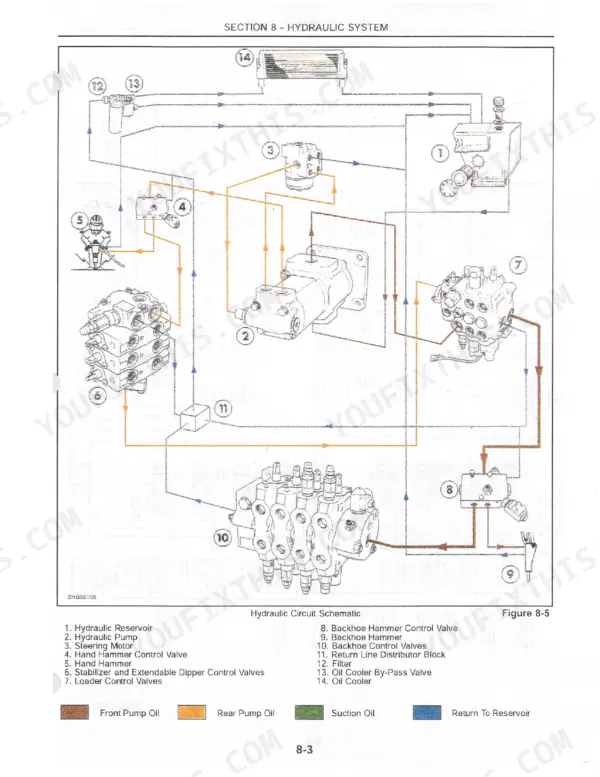
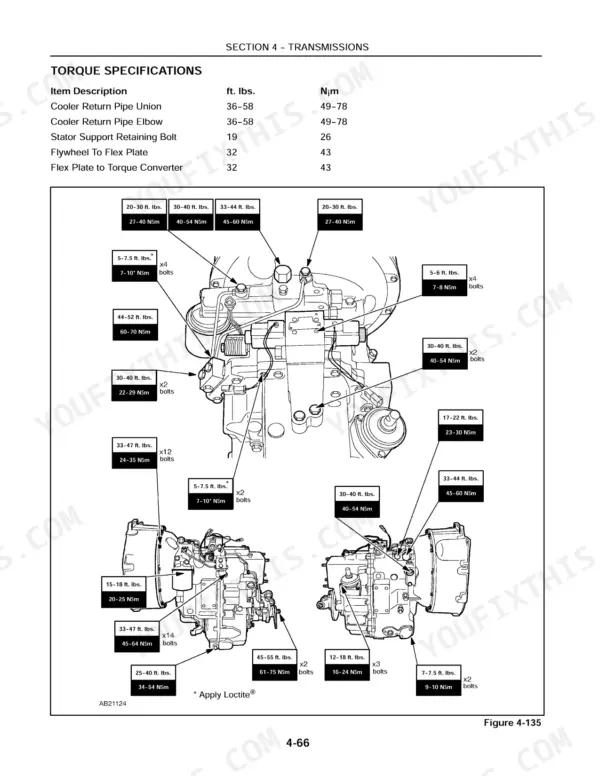
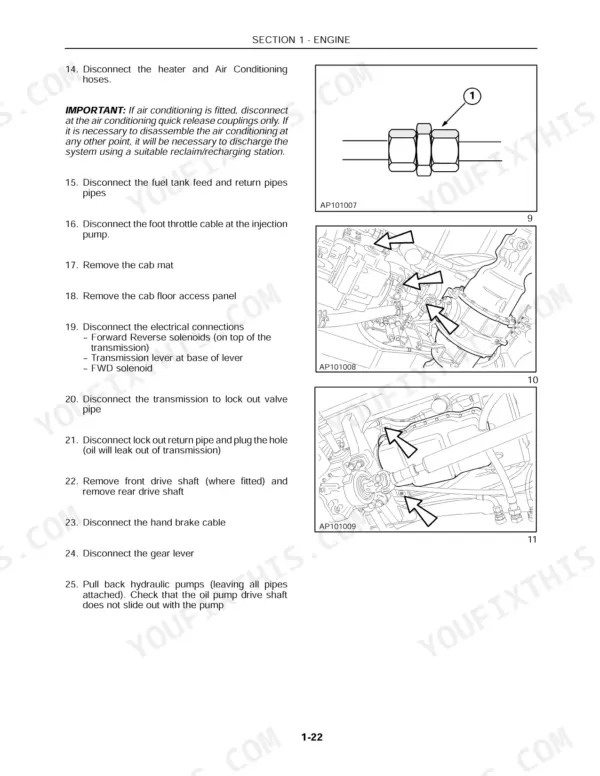
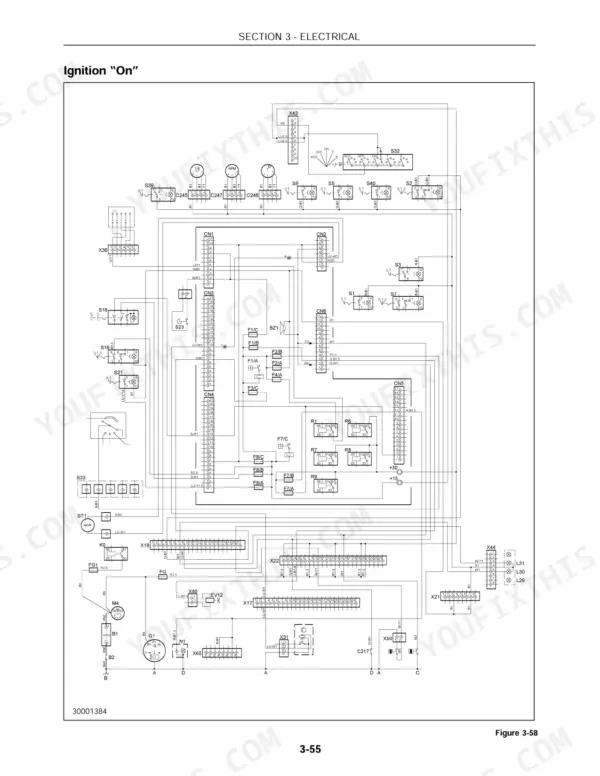
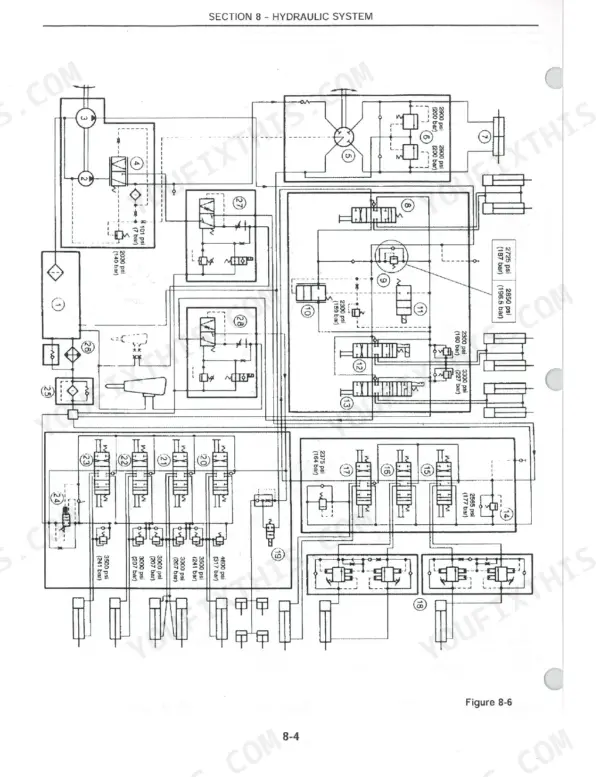
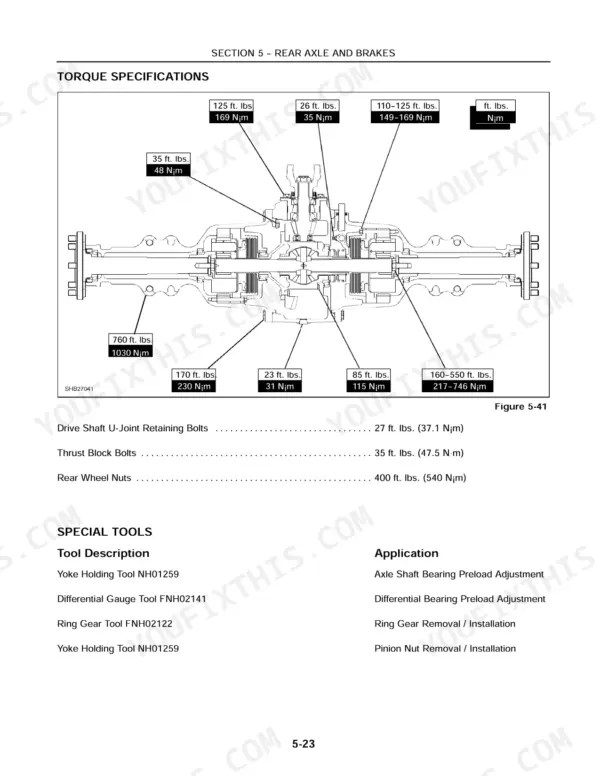
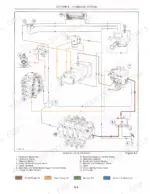
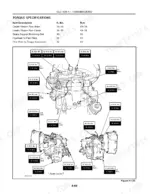
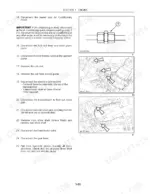
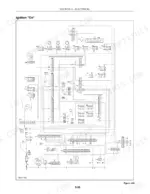
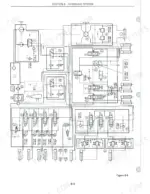
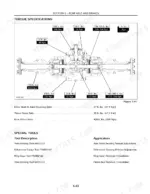
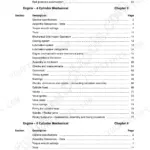
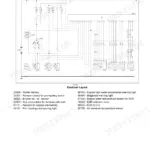
Tearing down and rebuilding a backhoe loader is what the 789-page New Holland LB75 service manual PDF (OEM 86618975) handles, from engine overhaul and injection pump timing through the Power Shuttle transmission, four-wheel drive front axle and cab air conditioning. Wiring diagrams trace the starting, charging and transmission electrical circuits, while hydraulic schematics map flow from both pumps through the control valves to the loader, backhoe and hammer circuit. Troubleshooting charts and pressure and flow tests sit right beside them, so your gauge readings have a factory number to answer to. Expect 20.6 GPM from each pump at 2350 rpm and 2030 psi (140 bar) at the steering relief, and torque the oil drain plug to 25-40 ft. lbs. (34-54 N·m) on reassembly. Alone with a dead boom, there's nobody to ask. Bookmarks drop you straight into any of the nine sections, Engine through Accessories, and the text layer finds a spec the moment you type it.
What's Inside This New Holland LB75 Manual
| System | Pages | Key Topics |
|---|---|---|
| Engine | 4-88 | Engine Overhaul, Lubrication System, Cooling System |
| Fuel System | 89-114 | Injection Pump, Injection Pump Timing, Injectors |
| Electrical | 115-306 | Wiring, Lights, And Controls, Electrical Circuits, Starting System, Charging System |
| Transmission | 307-378 | Power Shuttle Transmission, Transmission Electrical Operation |
| Rear Axle and Brakes | 379-418 | Rear Axle Power Shuttle Units, Brakes |
| Steering and Front Axle | 419-470 | Steering, Four-Wheel Drive Front Axle |
| Cab | 471-566 | Cab Heating, Air Conditioning, Glass Replacement |
| Hydraulic System | 567-716 | Hydraulic Circuits, Pumps and Control Valves, Troubleshooting, Pressure and Flow Testing, Loader, Backhoe |
| Accessories | 717-789 | Hydraulic Kits, Backhoe Controls, Backhoe Hammer Circuit |
Quick Reference Specifications
| Specification | Value | Page |
|---|---|---|
| Suction strainer screw torque | 13-23 ft. lbs. (18-31 N·m) | p. 351 |
| Oil drain plug torque | 25-40 ft. lbs. (34-54 N·m) | p. 351 |
| Pump output @ 2350 rpm (Front pump) | 20.6 GPM | p. 573 |
| Pump output @ 2350 rpm (Rear pump) | 20.6 GPM | p. 573 |
| Steering standby pressure | 100 psi (7 bar) | p. 660 |
| Steering circuit relief valve setting | 2030 psi (140 bar) | p. 660 |
| Piston retaining bolt torque | 1084-1157 ft. lbs. (1470-1570 N·m) | p. 653 |
| Gland thread torque | 494-612 ft. lbs. (670-830 N·m) | p. 653 |
| Dipperstick pivot pin retaining bolts torque | 288 Nm (212 lbf.ft) | p. 699 |
| Swing post pivot pin retaining bolt torque | 190 Nm (140 lbf.ft) | p. 701 |
| Engine Oil Capacity (75 hp model) | 3908 cm³ | p. 5 |
| Valve clearance inlet (engine cold) | 0.30 ± 0.05 mm | p. 6 |
New Holland LB75 Common Problems This Manual Covers
New Holland LB75 engine will not start, or starts and then stalls at idle shortly after firing up
Check for air in the fuel system first: inspect the fuel lines, unions, supply pump, filters and injection pump, then bleed the system per the chart on page 19. Renew clogged filter cartridges, and disconnect and clean the fuel lines if impurities or water show up. Check the thermostarter and idle speed, then verify injection pump timing. Never use a match, lighter or naked flame as a light source while inspecting the engine (page 67).
Manual Section: Engine Troubleshooting p. 19Starter speed low, engine cranks slowly and barely turns over when trying to start
Clean and tighten any loose or corroded connections, then check battery open circuit voltage for 12.6 volts minimum, plus electrolyte level and specific gravity, as listed on page 130. Confirm the engine oil viscosity is correct for the temperature. Never make or break battery connections with the engine running (page 129). Use no flame or sparks when checking electrolyte, and wear eye and hand protection when removing the cover plugs (page 268).
Manual Section: Electrical Troubleshooting p. 130Engine overheats and the coolant temperature gauge climbs while working the loader and backhoe
Check coolant level and top up the expansion tank with the specified coolant mixture; system capacity is 22.0 Litres (page 75). Check and adjust coolant pump and fan drive belt tension, then check the thermostat and coolant pump per the chart on page 20. Flush deposits from the entire cooling circuit, not just the radiator (page 80), and never run the engine without a thermostat (page 79).
Manual Section: Engine Troubleshooting p. 20Engine lacks power and runs unevenly, feeling down on pulling force when digging or loading
Check and adjust valve clearances with the engine cold: inlet 0.30 ± 0.05 mm and exhaust 0.35 ± 0.05 mm, per page 6. Clean the air filter unit and replace the element if needed, verify the accelerator tie-rod length and the maximum speed screw on the injection pump, and replace a damaged fuel supply pump. Test cylinder compression as the page 21 chart directs before committing to an overhaul.
Manual Section: Engine Troubleshooting p. 21Engine emits excessive black smoke from the exhaust when working under load
Check for a restricted air intake first, then clean the air cleaner and replace the element if it is clogged, per page 97. Check the cooling system, verify injection pump timing, and check engine compression and valve condition. Clean and overhaul the injectors and adjust the pressure setting, replacing them if necessary, as the chart on page 22 lists.
Manual Section: Fuel System Troubleshooting p. 97Loader and backhoe hydraulic circuits operate slowly and lose force when working under load
Test pump flow and pressure before condemning parts. Check front and rear pump output against 20.6 GPM at 2350 rpm (page 573), and the system pressure relief valve setting against 2850 psi (197 bar) on page 661. Protect skin and eyes from escaping fluid under pressure (page 659), and follow the page 663 precautions against unexpected machine movement when testing circuit relief valves.
Manual Section: Hydraulic System p. 661Frequently Asked Questions
What is the correct valve clearance for the LB75 engine when the engine is cold?
For the LB75 engine, the valve clearance for normal running with the engine cold is 0.30 ± 0.05 mm (0.0118 ± 0.0197 in) for the inlet valve and 0.35 ± 0.05 mm (0.0137 ± 0.0197 in) for the exhaust valve. p. 6
What is the tightening torque for the cylinder head bolts on the LB75 engine?
The cylinder head bolts require a two-stage tightening process. The first stage is 40 N·m (29.0 lbf ft), followed by an angular tightening of 240 degrees. The final stabilized torque should be between 140-220 N·m (103-162 lbf ft). p. 14
How do you bleed the fuel system on the LB75 engine?
To bleed the fuel system, unscrew the plug on the fuel filter. Operate the priming lever on the fuel supply pump until the fuel coming out of the filter orifice is free of bubbles, then replace and tighten the plug. p. 105
What is the correct fan belt tension for the LB75 engine?
The fan belt should be adjusted to have 10 mm (0.4 in) of freeplay at the longest point between the pulleys. p. 75
What is the procedure for checking the hydraulic pump efficiency on the LB75?
To check pump efficiency, set the engine speed to 2200 rpm and record the flow at no load. Apply a load of 1500 psi (104 bar) at the flow meter and record the flow again. At 80% efficiency, the minimum acceptable flow from both pumps is 16.5 gpm (62.5 lpm). p. 668
Is this New Holland LB75 manual a download or a disc?
You get a 789-page searchable PDF that downloads instantly after checkout. Open it on your laptop, tablet, or phone, and bring it right to the shop floor.
Can I print specific sections of this New Holland LB75 Service Manual?
Yes. Print the pages or sections you need for your own shop use. Any standard printer works.




Reviews
There are no reviews yet.