
Part of the Yanmar Repair Manuals.
Coolant weeping from the block overflow holes on a Yanmar SY series diesel means a cylinder liner O-ring has let go, and oil from the same holes points to a liner shelf leak. That diagnosis, and the liner, piston, and crankshaft work that follows it, is exactly what this service manual exists for. It covers the Yanmar 6SY-STP2 and 6SY655 (11.7 L) and the 8SY-STP (15.6 L) marine engines in a 278 page English PDF, Yanmar publication 0BSYM-G00100.
The Engine chapter carries the cylinder head, pistons and liners, timing gear train, and crankshaft. Separate chapters handle unit injector adjustment, the cooling system with its seawater pump and zinc anodes, lubrication, the turbocharger, starter motor, alternator, EMS sensors, and a troubleshooting chart with fault codes. Valve lash, test pressures, and torque values sit where each procedure needs them, so the numbers are in hand before the head goes back on.
Complete the set for your 6SY-STP2, 6SY655, 8SY-STP
- Repair Manual: Yanmar 8SY-STP, 8SY Marine Engines Operation Manual
What's Inside This Yanmar 6SY-STP2, 6SY655, 8SY-STP Manual
| System | Pages | Key Topics |
|---|---|---|
| Introduction | 5-6 | Manual Purpose, Quality Service, Special Tools, Product Improvement Policy, Revision History |
| Safety | 7-12 | |
| General Service Information | 13-32 | Engine Outline Drawings, Engine Piping Diagrams, Location of Nameplates, Diesel Fuel Specifications, Engine Oil Specifications, Engine Coolant Specifications |
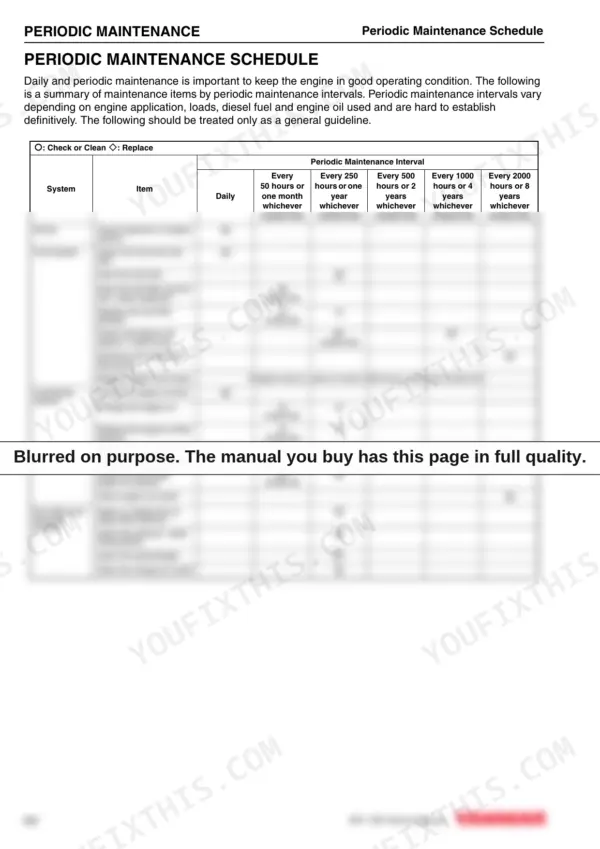
| Periodic Maintenance | 33-42 | Importance of Periodic Maintenance, Performing Maintenance, Yanmar Replacement Parts, Epa Requirements (Usa Only), Periodic Maintenance Schedule |
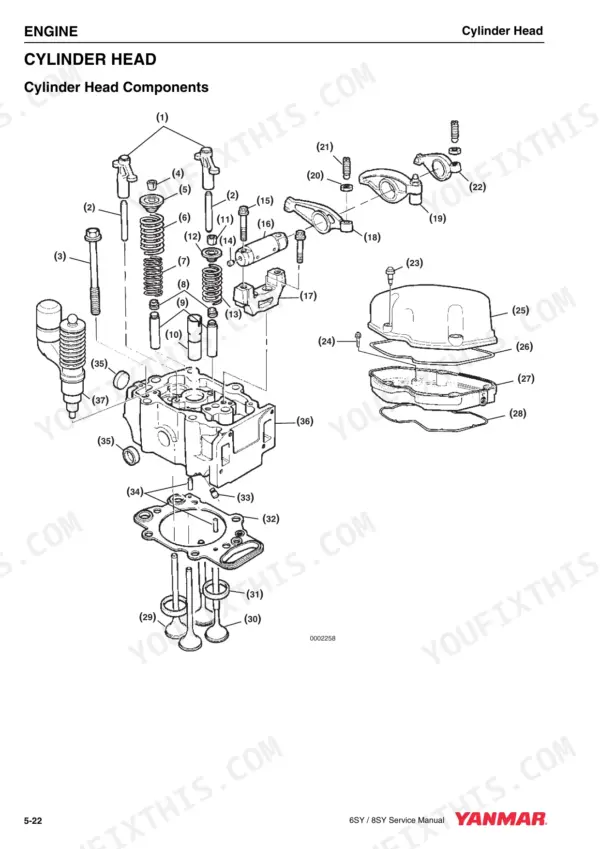
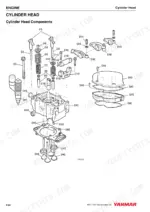
| Engine | 43-136 | Cylinder Head Components, Pistons and Cylinder Liners, Flywheel and Flywheel Housing, Timing Gear Train, Cylinder Block and Crankshaft, Exhaust Manifold |
| Fuel System | 137-154 | Fuel Delivery Components, Fuel Injector Components, Adjust Unit Injectors, Measure Fuel Feed Pump Pressure, Replace Fuel Filter, Bleed Fuel System |
| Cooling System | 155-184 | Pressure Testing Cooling System, Testing the Thermostat, Coolant Pump removal/installation, Seawater Pump, check/replace Zinc Anodes |
| Lubrication | 185-200 | Check Engine Oil Pressure, remove/install Oil Cooler, remove/install Oil Cleaning Components, Replace Engine Oil Filter, Clean Centrifugal Oil Cleaner, Oil Pump |
| Turbocharger | 201-214 | General Information, Component Location, Measuring Charge Pressure, Remove Turbocharger, Inspect Turbocharger, Measure Radial and Axial Clearance |
| Starter Motor | 215-226 | Starter Motor Specifications, Starter Motor Troubleshooting, remove/install Starter Motor, Repair Starter Motor (Bosch Je), Brush Replacement, Replace Solenoid |
| Alternator | 227-236 | Alternator Specifications, Calculating Alternator Capacity, Alternator and Charging System Troubleshooting, Output Test, Brush Length, Replace Alternator Belt |
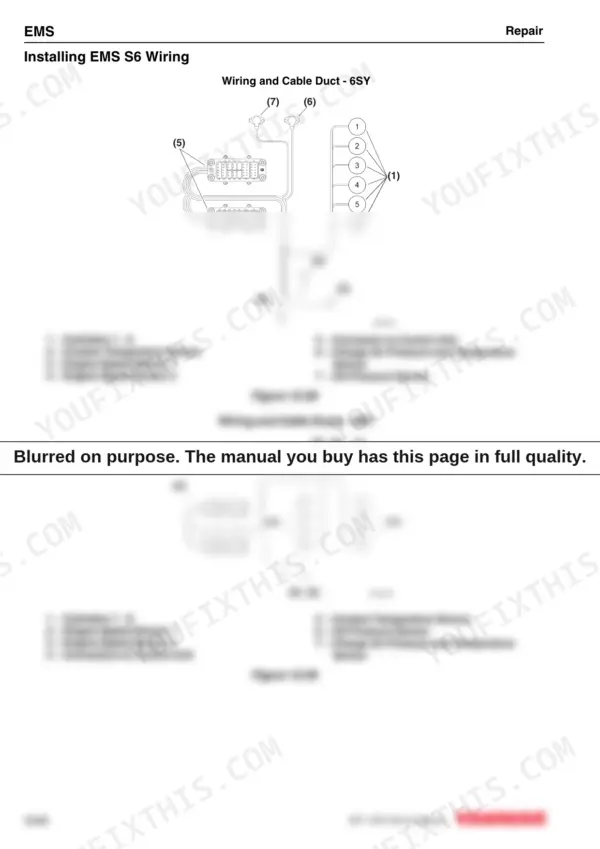
| Ems | 237-260 | Function Description, Component Location, Engine Speed Sensors, Charge Air Pressure and Temperature Sensor, Coolant Temperature Sensor, Oil Pressure Sensor |
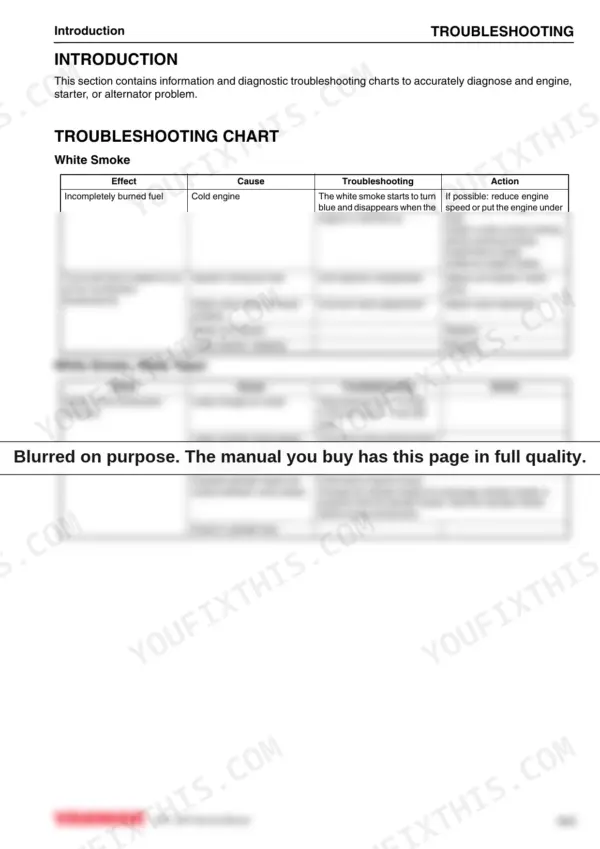
| Troubleshooting | 261-278 | Troubleshooting Chart, Fault Codes, Working Procedure, After Troubleshooting or Repair |
Quick Reference Specifications
| Specification | Value | Page |
|---|---|---|
| 8SY | ||
| Turbocharger-to-Exhaust Manifold Bolt Torque, 8SY | 63 N·m (46 ft-lb) | p. 204 |
| All Models | ||
| Coolant Pump Impeller Installation Distance | 13.3 - 13.7 mm (0.524 - 0.539 in.) | p. 158 |
| Turbocharger-to-Exhaust Pipe Bolt Torque | 24 N·m (212 in.-lb) | p. 204 |
| Compression Ratio | 16:1 | p. 27 |
| Battery Capacity - Recommended | 160 Ah | p. 27 |
| Intake Valve Clearance | 0.45 mm (0.018 in.) | p. 29 |
| Exhaust Valve Clearance | 0.70 mm (0.028 in.) | p. 29 |
| 6SY | ||
| Turbocharger-to-Exhaust Manifold Bolt Torque, 6SY | 50 N·m (37 ft-lb) | p. 204 |
| 6SY-STP2/6SY655 | ||
| Engine Displacement, 6SY-STP2/6SY655 | 11.7 L (714 cu in.) | p. 27 |
| Coolant capacity with coolant recovery tank, 6SY-STP2/6SY655 | 40 L (10.5 gal) | p. 27 |
| 8SY-STP | ||
| Engine Displacement, 8SY-STP | 15.6 L (952 cu in.) | p. 27 |
| Coolant capacity with coolant recovery tank, 8SY-STP | 75 L (20 gal) | p. 27 |
Yanmar 6SY-STP2, 6SY655, 8SY-STP Common Problems This Manual Covers
Coolant leaking from the block overflow holes
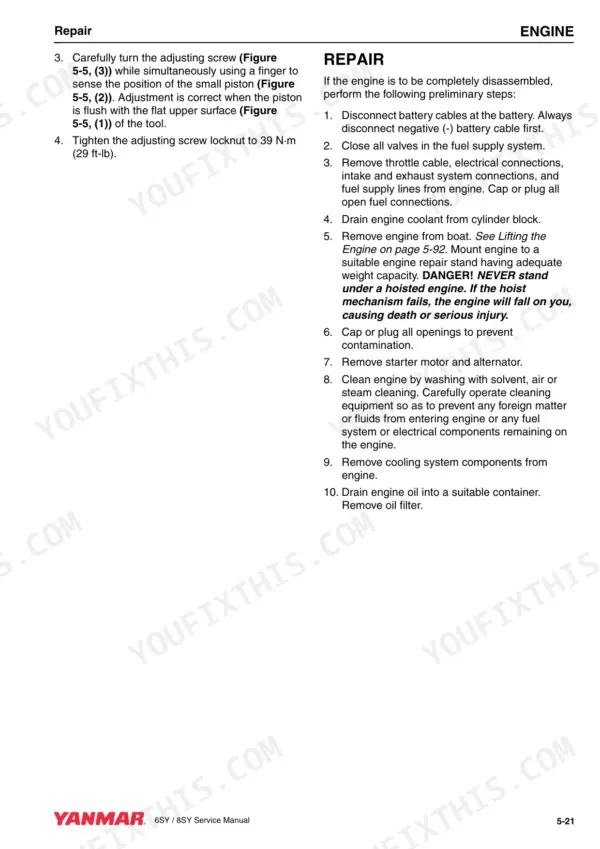
Coolant at the overflow holes points to failed cylinder liner O-rings, while oil there indicates a liner shelf leak. The Engine chapter covers pistons and cylinder liners along with the cylinder block and crankshaft work needed to put it right.
Manual Section: Engine p. 43Seawater getting past a corroded exhaust elbow
Corroded exhaust elbows on marine Yanmars let seawater work back into the engine, showing up later as weak compression and valve trouble. The Engine chapter covers the exhaust manifold and the cylinder head components you will be into once water has been through them.
Manual Section: Engine p. 43Coolant pump seepage and slow coolant loss
A weeping coolant pump seal drains the system quietly until the engine runs hot. The Cooling System chapter covers pressure testing the system, thermostat testing, coolant and seawater pump removal and installation, and checking the zinc anodes.
Manual Section: Cooling System p. 155Hard starting and water in the fuel
Repeated draining of the water separator, air in the lines, or no fuel at the injectors will stall a start attempt fast. The Fuel System chapter covers bleeding the system, replacing the fuel filter, measuring fuel feed pump pressure, and adjusting the unit injectors.
Manual Section: Fuel System p. 137Low charge pressure from a worn turbocharger
Sluggish load response and smoke often trace back to the turbocharger. The Turbocharger chapter covers measuring charge pressure, removal and inspection, and measuring radial and axial clearance to decide whether the unit is reusable.
Manual Section: Turbocharger p. 201Fault codes and alarms that keep returning
Stored faults from the engine speed, coolant temperature, oil pressure, or charge air sensors need to be traced, not just cleared. The EMS chapter gives the function description and component locations, and the Troubleshooting chapter carries the fault codes and working procedure.
Manual Section: Ems p. 237Slow cranking or a dead starter
Slow, hot cranking on a big diesel usually ends at the starter. The Starter Motor chapter includes specifications, troubleshooting, removal and installation, brush replacement, and solenoid replacement for the Bosch JE starter.
Manual Section: Starter Motor p. 215Frequently Asked Questions
Which engines does this manual cover?
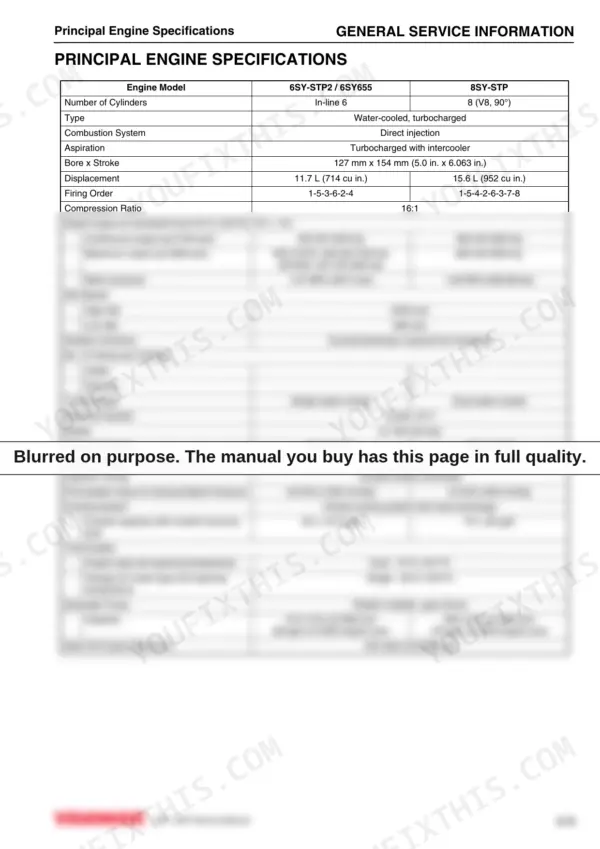
It covers the Yanmar 6SY-STP2, 6SY655, and 8SY-STP marine engines. The General Service Information section lists the specifications: 11.7 L (714 cu in.) displacement for the 6SY-STP2 and 6SY655, 15.6 L (952 cu in.) for the 8SY-STP, all at a 16:1 compression ratio. p. 13
Does it include valve lash and injector adjustment procedures?
Yes. Valve clearances are 0.45 mm (0.018 in.) intake and 0.70 mm (0.028 in.) exhaust, and the Fuel System section covers adjusting the unit injectors, measuring fuel feed pump pressure, and bleeding the system. p. 137
Can I diagnose fault codes with this manual?
Yes. The Troubleshooting section includes a troubleshooting chart, fault codes, the working procedure, and steps to follow after repair. The EMS section adds sensor locations and function descriptions for the engine speed, coolant temperature, oil pressure, and charge air sensors. p. 261
How do I get the manual after purchase?
It is a direct digital download: you receive the 17.22 MB PDF right after checkout. It opens on any computer, tablet, or phone with a PDF reader, with no shipping and no waiting.
Is this Yanmar 6SY-STP2 manual a PDF I download?
This is a 278-page searchable PDF ready for immediate download. Works on any device, so pull it up on your phone while you're under the hood. No shipping, no waiting.
Am I able to print pages from this manual?
Yes. Print a chapter or just the pages for the job at hand, for use in your own shop. Any home or office printer works.
Does this manual have electrical diagrams?
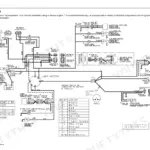
Complete wiring diagrams are included, covering all electrical circuits, harness routing, and connector pinouts for the Yanmar 6SY-STP2, 6SY655, 8SY-STP.




Reviews
There are no reviews yet.