

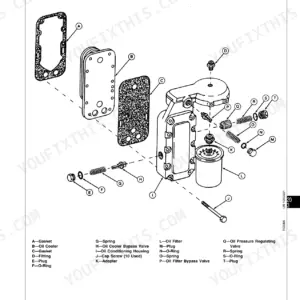
Part of the John Deere Repair Manuals.
This is CTM385, the John Deere component technical manual for the Level 14 electronic fuel system on the PowerTech Plus 9.0L (6090) diesel. It covers the high-pressure common rail system end to end: theory of operation, component repair and adjustment, diagnostic trouble code procedures, and electronic fuel system tests, plus the special tools, specifications, and torque values you need to do the work right. Because this is a component manual, it applies to the 9.0L engine wherever Deere installed it - 8R and 8030-series tractors, 9000-series and STS/WTS combines, self-propelled windrowers and more. If your machine has the 6090 with electronic common rail, this is the fuel system book the dealer techs use.
What's Inside This John Deere PowerTech Plus 9.0L Manual
| System | Pages | Key Topics |
|---|---|---|
| General | 5-40 | Engine and Fuel System Identification, Safety, General Information |
| Repair and Adjustments | 41-114 | Fuel Injection Pump, Injectors, High-Pressure Rail Repair and Adjustment |
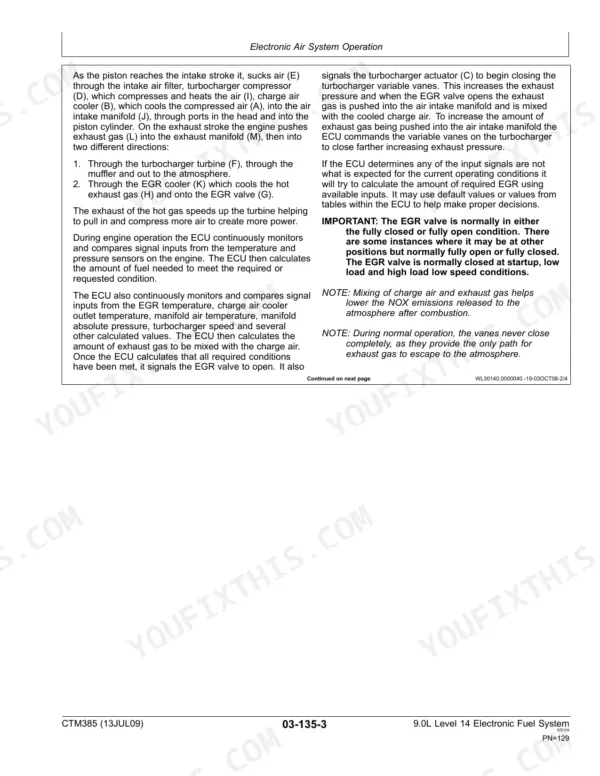
| Theory of Operation | 115-178 | Electronic High-Pressure Common-Rail Fuel System Theory, ECU Operation |
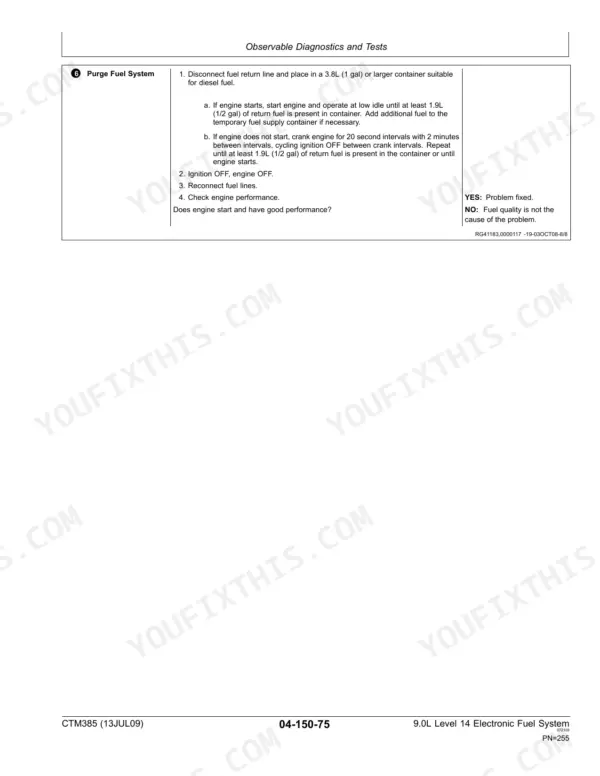
| Observable Diagnostics and Tests | 181-280 | Symptom-Based Diagnostics, Observable Checks |
| Diagnostic Procedures and Calibrations | 281-329 | Service Advisor, Terminal Tests, misfire/compression/cutout Tests, EGR and Vgt Calibration, ECU Reprogramming, Injector Calibration |
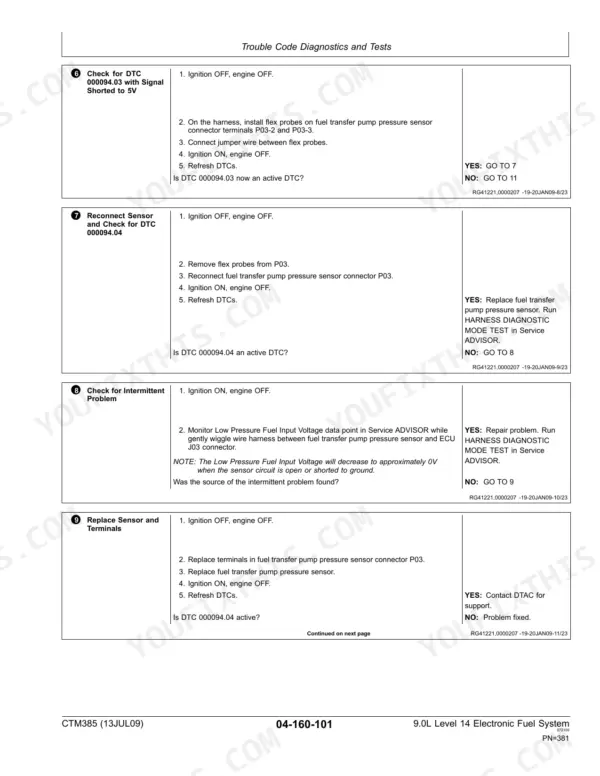
| Trouble Code (Dtc) Diagnostics | 330-1034 | Diagnostic Trouble Code Tables and Tests by SPN/FMI |
| Tools | 1035-1050 | Special Service Tools |
| Specifications | 1051-1138 | Engine Specifications, Torque Values, Fuel and Clearance Data |
Quick Reference Specifications
| Specification | Value | Page |
|---|---|---|
| Engine Model: 6090HF465 | ||
| Rated Power | 224 kW | |
| Rated RPM | 2200 rpm | |
| Engine Displacement | 9.0 L | |
| All Models | ||
| Diesel Fuel Cetane Number | 45 minimum | |
| Diesel Fuel Cetane Number (preferred) | >50 | |
| Cold Filter Plugging Point (Cfpp) | at least 5°C (9°F) below expected lowest temperature | |
| Cloud Point | below expected lowest ambient temperature | |
| Sulfur Content (Other Engines, recommended) | <0.10% (1000 ppm) | |
| as measured by ASTM D6079 or ISO 12156-1 | ||
| Fuel Lubricity (maximum scar diameter) | 0.45 mm | |
| ULSD fuel | ||
| Sulfur Content (Interim Tier 4 and EU Stage IIIB Engines) | 0.0015% (15 ppm) maximum | |
John Deere PowerTech Plus 9.0L Common Problems This Manual Covers
Sudden loss of power under load
Start by pulling diagnostic trouble codes, then follow the electronic fuel system tests in the Diagnostics section to check rail pressure delivery, injector operation, and fuel supply restrictions before condemning the high-pressure pump.
Manual Section: DiagnosticsExcessive black exhaust smoke
Black smoke means over-fueling. Use the Theory of Operation section to understand how the ECU meters injection, then run the Diagnostics injector and sensor tests to find the injector or input signal causing the rich condition.
Manual Section: Theory of OperationFuel leaks at lines, injectors, or pump
High-pressure fuel leaks are dangerous and starve rail pressure. The Repair and Adjustments section covers proper removal, sealing, and reinstallation of fuel system components, with the correct torque values found in Tools and Specifications so fittings seal without cracking.
Manual Section: Repair and AdjustmentsExcessive fuel consumption with no obvious leak
Hidden over-fueling from a worn injector or drifted sensor burns money every hour. Run the electronic fuel system tests in the Diagnostics section to compare injector performance and verify sensor readings against specifications before replacing anything.
Manual Section: DiagnosticsFrequently Asked Questions
My tractor suddenly lost power in the field. Will this manual help me figure out if it is the fuel system?
Yes. Sudden power loss on a common rail 6090 is very often fuel side - rail pressure not building, a stuck injector, a failing high-pressure pump, or restricted supply. The Diagnostics section walks you through pulling trouble codes from the ECU and running the electronic fuel system tests in order, so you test your way to the fault instead of throwing parts at it. Injectors and pumps for this engine are expensive; diagnosing before buying pays for the manual many times over.
The engine is blowing black smoke and drinking fuel. What does the manual give me to chase that?
Black exhaust and heavy fuel consumption on this engine usually mean over-fueling - a leaking or poorly atomizing injector, wrong rail pressure, or a sensor feeding the ECU bad data. The Theory of Operation section explains how the ECU decides injection timing and quantity, which matters because you need to know what normal looks like before you can spot abnormal. Then Diagnostics gives you the code-based tests to isolate which injector or sensor is the culprit.
Does this cover my whole machine, or just the engine fuel system?
Fuel system only. CTM385 is a component technical manual for the electronic fuel system on the 9.0L 6090 engine. It does not cover transmission, hydraulics, electrical harnesses outside the fuel system, or base engine overhaul. That is actually the point - Deere puts the same engine in many machines, so one CTM serves 8R tractors, 9000-series and STS/WTS combines, and windrowers. You pair it with your machine's technical manual for everything else.
Can I actually work on a high-pressure common rail system myself, or is this dealer-only territory?
You can do a lot of it, but respect the system - common rail runs at pressures that will inject fuel through your skin. The General section covers the safety procedures for relieving pressure and handling lines, and Repair and Adjustments gives step-by-step component procedures. Some jobs need special tools and Deere's diagnostic software to talk to the ECU; the Tools and Specifications section tells you exactly which ones before you commit to a job.
How do I read the trouble codes without a dealer laptop?
The Diagnostics section lists the diagnostic trouble codes for the Level 14 fuel system and what each one means, along with the test procedures that go with them. Many codes can be read through the machine's own display depending on what the engine is installed in. Full ECU access does require diagnostic software, but even then the manual is what turns a raw code number into an actual test plan and repair.






Reviews
There are no reviews yet.