
Part of the JCB Operator Manuals.
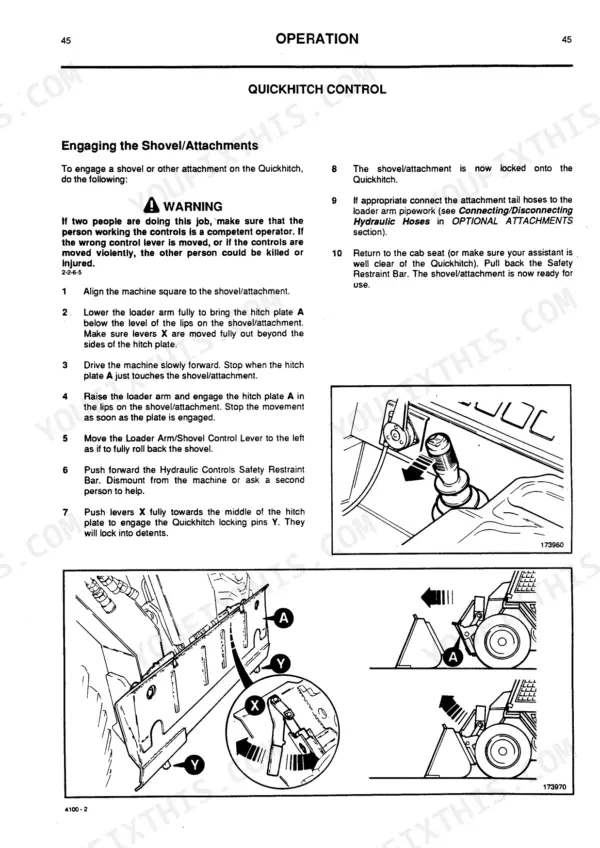
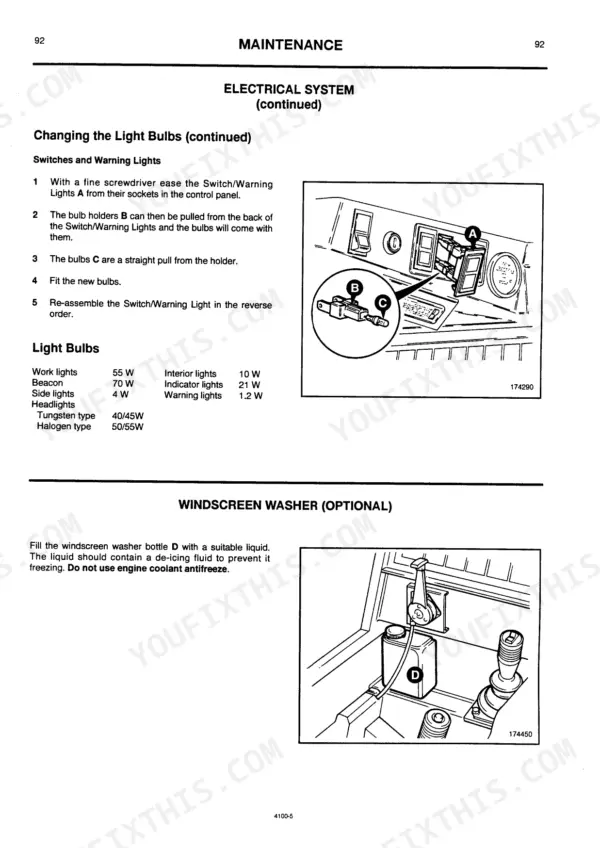
Need the daily operating instructions for your skid steer loader? This 102-page JCB robot 150, robot 165 operator manual pdf (OEM #9801/4100) breaks down exactly how to safely run and maintain the Robot 150, 165, and 165 H/F. Inside, you get a full breakdown of the cab layout, dashboard warning indicators, and daily service schedules to keep your equipment moving. Open up to complete operating procedures covering everything from quickhitch attachment engagement and scraper loading to emergency load lowering and trailer transport guidelines. Check your 5-liter engine oil capacity, top off the 65-liter hydraulic system, and verify your wheel bolts are torqued to 162 Nm before hitting the dirt. Minor issues should not ruin your workday. Grab this bookmarked file, pull it up on your tablet right in the cab, and confidently operate your machine.
Other edition of this manual
- JCB Robot 150, 165 Skid Steer Loader Operator Manual Original price was: $26.99.$19.99Current price is: $19.99.
What's Inside This JCB ROBOT 150, ROBOT 165, 165 H/F Operator Manual
| System | Pages | Key Topics |
|---|---|---|
| Introduction | 7-8 | About This Handbook, The JCB Skid Steer Loader |
| Safety First - Yours and Other People's | 9-13 | Safety Check List, Operating Safety, Maintenance Safety, Safety Decals |
| Identifying Your Machine | 14-22 | Machine Identification Plate, Unit Identification |
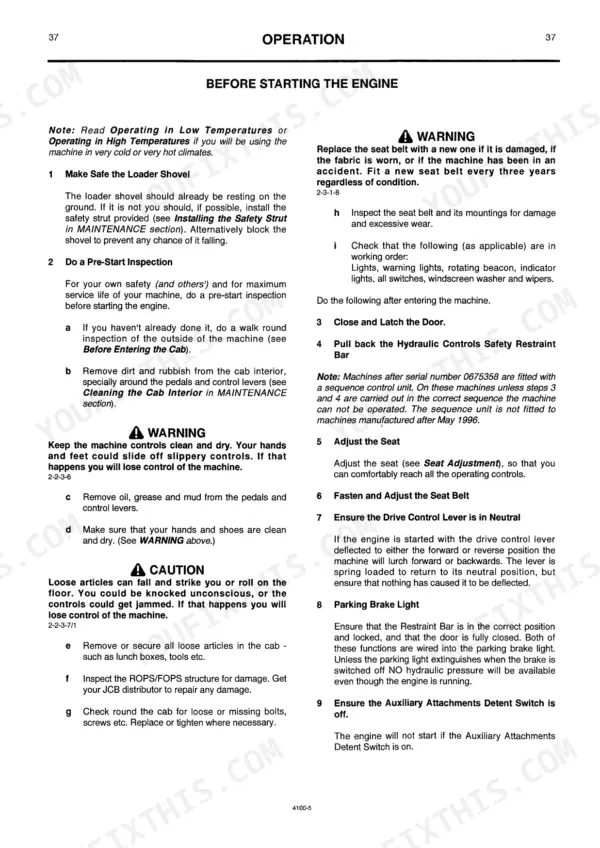
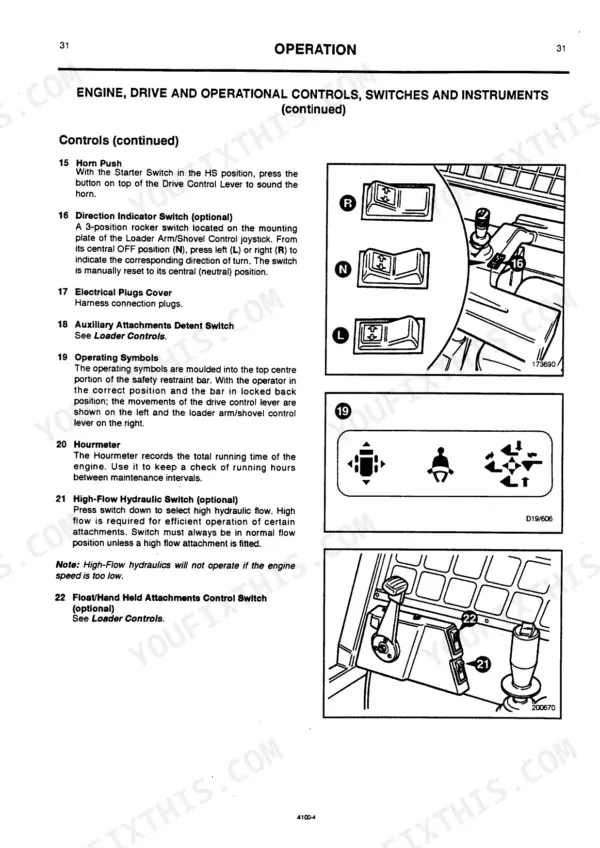
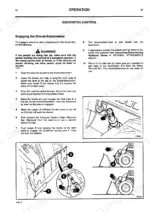
| Operation | 23-62 | Introduction, Before Entering the Cab, Entering/Leaving the Cab (Hydraulic Controls Safety Restraint Bar) |
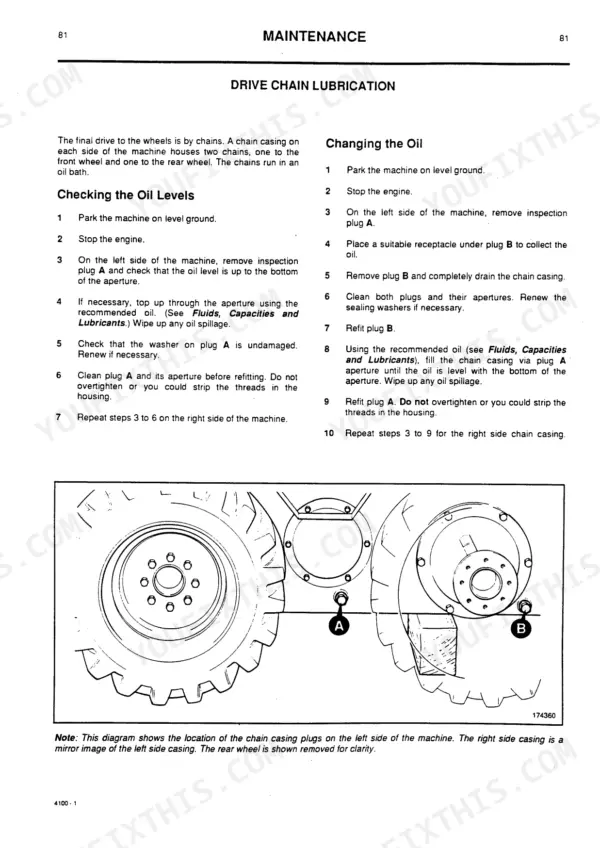
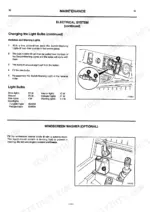
| Maintenance | 63-100 | Lubricants - Health and Safety (Hygiene, Storage, Waste Disposal, Handling, First Aid - Oil, Spillage, Fires), Service Requirements |
| Optional Attachments | 101-102 | Introduction, Quick Release Couplings |
Quick Reference Specifications
| Specification | Value | Page |
|---|---|---|
| Wheel bolt torque (6 and 8 bolt fixing Front & Rear) | 162 Nm (120 lbf ft, 22 kgf m) | p. 93 |
| Electrolyte level in battery cells | 6 mm (1/4 in) above the plates | p. 88 |
| High-flow hydraulics operation at low engine speed | Will not operate if the engine speed is too low | p. 31 |
| Engine Oil Capacity | 5 litres | p. 94 |
| Hydraulic System Capacity | 65 litres | p. 94 |
| Cooling System Total Capacity | 11 litres | p. 94 |
| Fuel System Capacity | 60 litres | p. 94 |
JCB ROBOT 150, ROBOT 165, 165 H/F Common Problems This Manual Covers
Overload alarm sounds and the machine will not raise or lower the lift arms
Reduce the bucket load immediately to clear the OL error code. Check the engine oil dipstick and maintain the 5 litres capacity as listed on page 94. Lower the loader arms manually using the emergency procedure if the electronic controls remain completely locked out.
Manual Section: Operation p. 94Frequently Asked Questions
What is the torque spec for the wheel bolts on a JCB Robot 150?
For a JCB Robot 150 with 8 bolt fixing, the torque specification for the wheel bolts on both the front and rear is 162 Nm (120 lbf ft or 22 kgf m). It is recommended to check the wheel bolt torques every two hours until they stay correct. p. 93
How do you fix JCB Robot 150 high-flow hydraulic arm or bucket drifts at idle but operates normally at higher RPM?
Verify engine speed during operation. High-flow hydraulics will not operate if the engine speed is too low as noted on page 31. Check the hydraulic tank fluid level and ensure the total system capacity is maintained at 65 litres. Inspect all couplings and hoses for visible leaks. p. 31
How do you fix warning light flashing error code 6 or 7 on the display with battery voltage out of range?
Inspect the battery pack and charging circuit connections. Check the electrolyte level in battery cells and top off to 6 mm (1/4 in) above the plates following the guidelines on page 88. Clean the terminals and test the alternator output to ensure proper charging voltage. p. 88
How do you fix loose wheel nuts noticed during daily walkaround inspections or clunking noise coming from the drive hubs?
Check the wheel hardware condition during daily walkarounds. For the 150 model, torque all front and rear wheel bolts to 162 Nm (120 lbf ft, 22 kgf m) as detailed on page 93. Inspect the tire sidewalls for damage and verify air pressure matches guidelines. p. 93
How quickly can I access this manual after buying?
You get a 102-page searchable PDF that downloads instantly after checkout. Open it on your laptop, tablet, or phone, and bring it right to the shop floor.
Can I print this manual?
Yes. Print the pages you need for the job in your own shop, and bin them when they get greasy.
Reviews
There are no reviews yet.