
Part of the John Deere Repair Manuals.
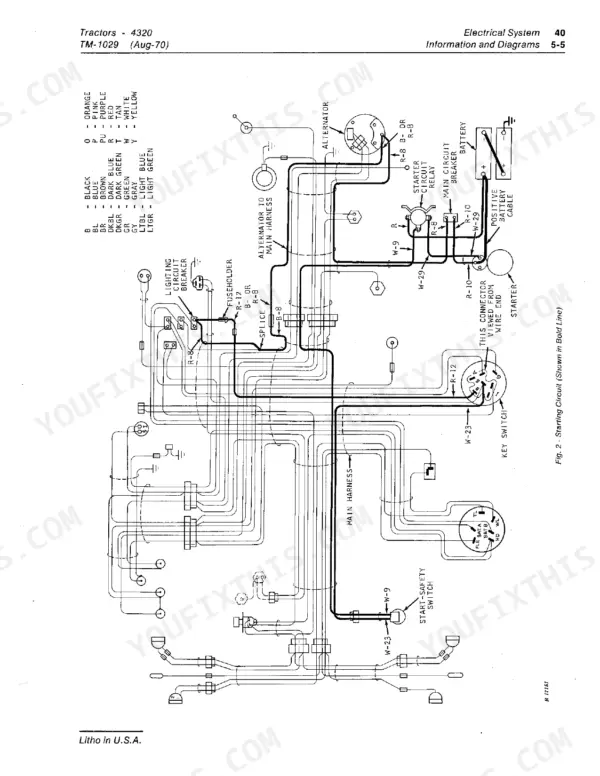
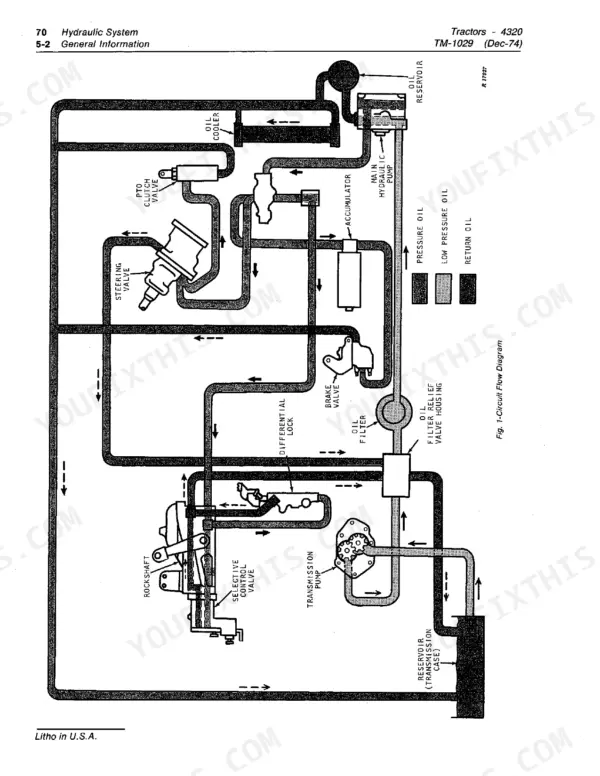
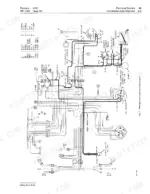
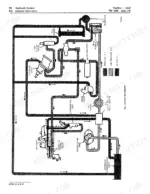
Whether you are rebuilding the Syncro-Range transmission or overhauling the fuel injection system, this 263-page John Deere 4320 technical manual pdf (OEM #TM1029) breaks down every factory repair procedure for your 4320 Tractor. Inside, you get complete electrical wiring diagrams, full hydraulic schematics for the rockshaft and selective control valves, and step-by-step troubleshooting charts. Open directly to the engine section to find clear teardown instructions for the cylinder block, pistons, and main bearings. Verify your main hydraulic pump is hitting the correct numbers by setting the standby pressure to exactly 2250 psi before adjusting the stroke control valve. Quit trusting random internet guesses when your equipment sits dead in the dirt. Download this bookmarked file, pull it up on your shop tablet, and start turning wrenches.
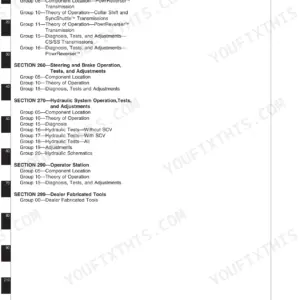
What's Inside This John Deere 4320 Manual
| System | Pages | Key Topics |
|---|---|---|
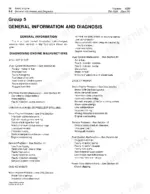
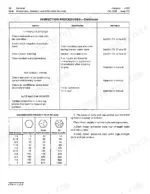
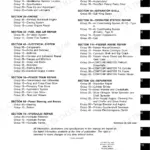
| General | 5-26 | Leakage Check, Time Cycle Check, Hydraulic Tests, Pressure Tests, Diagnosis Malfunctions, Specifications |
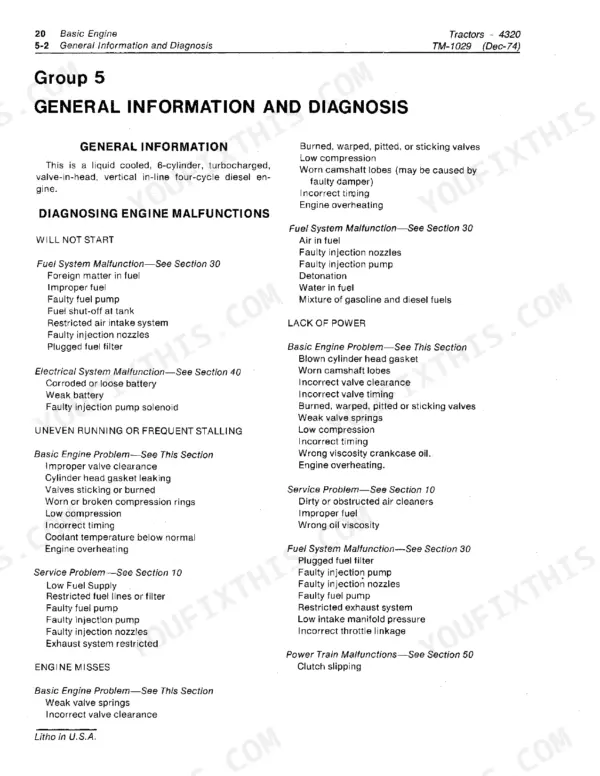
| Engine | 27-58 | General Information, Diagnosis, Cylinder Head, Crankshaft, Lubrication System, Cooling System |
| Fuel System | 59-70 | Diagnosing Malfunctions, Fuel Injection System, Fuel Pump, Air Intake System, Turbocharger |
| Electrical System | 71-122 | Wiring Diagrams, Charging Circuit, Starting Circuit, Lighting Circuits, Battery Connections, Circuit Breakers |
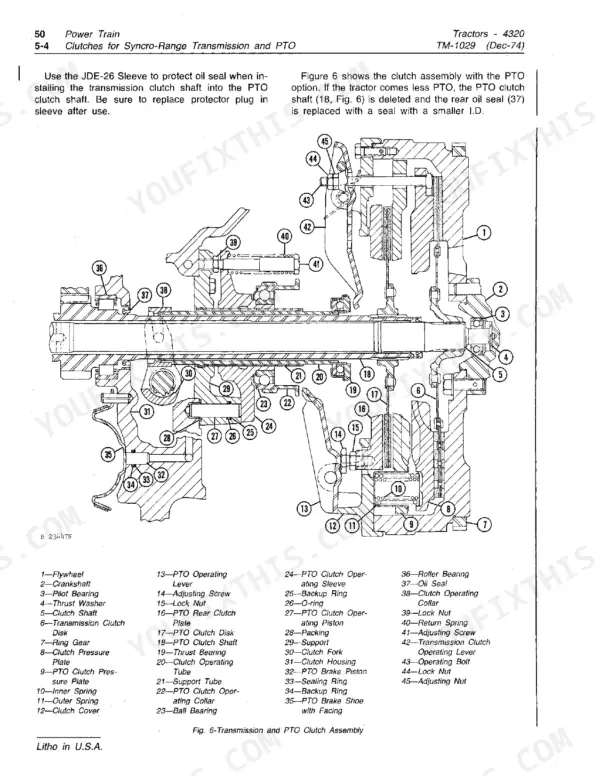
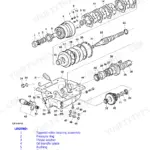
| Power Train | 123-174 | Clutches, Syncro-Range Transmission, Differential, Final Drive, PTO, Power Front-Wheel Drive |
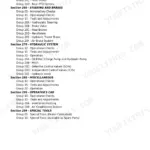
| Steering and Brakes | 175-176 | General Information, Power Steering, Power Brakes |
| Hydraulic System | 177-256 | General Information, System Testing, Main Hydraulic Pump, Power Steering, Power Brakes, Rockshaft, Selective Control Valve |
| Miscellaneous | 257-263 | Contents of This Section, Group 5 - Conventional Front Axle (Removal, Repair, Installation, Specifications, Torques for Hardware, Special Tool) |
Quick Reference Specifications
| Specification | Value | Page |
|---|---|---|
| Standby pressure | 2250 psi | p. 6 |
| Stroke control valve spring compressed | 3.30 in. | p. 198 |
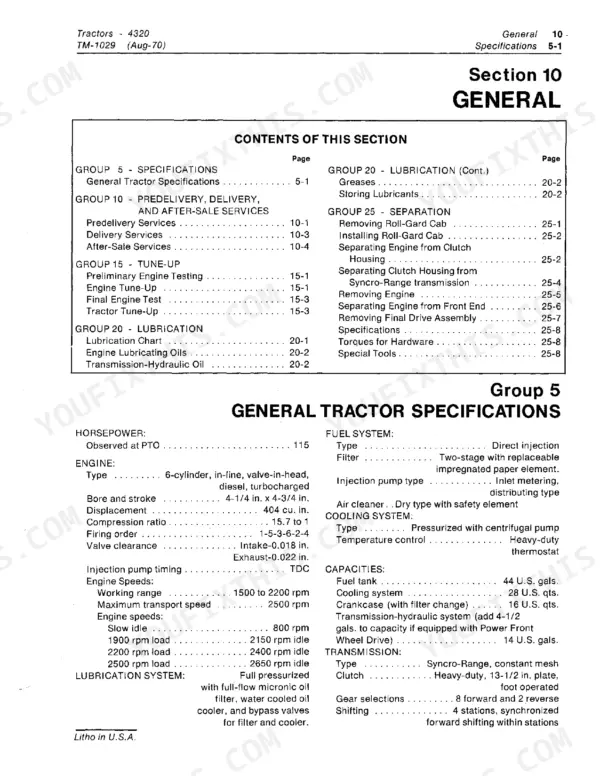
| Engine Displacement | 404 cu. in. | p. 5 |
| Fuel Tank Capacity | 44 U.S. gals. | p. 5 |
| Engine Oil Capacity (with filter change) | 16 U.S. qts. | p. 5 |
| Cylinder Head to Block Torque | 130±5 ft-lbs | p. 38 |
| Crankshaft End Play | 0.0025 to 0.0085 in. | p. 45 |
| Engine Oil Pressure (1900 rpm) | 40 to 50 psi | p. 54 |
John Deere 4320 Common Problems This Manual Covers
John Deere 4320 engine spun rod bearings and scored crankshaft, oil looks milky like antifreeze mixed in
Pull the oil pan and check crankshaft end play against spec, 0.0025 to 0.0085 in. on page 45. Scored, copper-colored bearings confirm coolant-diluted oil. Flush the block, refill with 16 U.S. qts. of oil per page 5, then confirm oil pressure reaches 40 to 50 psi at 1900 rpm per page 54 before restarting.
Manual Section: Engine MalfunctionsHydraulic system dead, no lift or steering assist even with engine running fine
Check the sump screen at page 65 first, since a clogged screen starves the pump and kills lift and steering together. Remove and clean it, then verify main pump standby pressure reads 2200 to 2300 psi per page 183. If pressure is still low, inspect the stroke control valve; spring compressed height should measure 3.30 in. per page 198.
Manual Section: Hydraulic System General Diagnosis & Testing p. 183Tractor won't move in forward or reverse even though engine revs and clutch feels normal
Trace the wiring harness near the forward/reverse pedal for chafed or corroded connectors; damage there kills the direction signal to the transmission. Pull the wiring diagram to confirm you're back-probing the correct pins, then clean and re-terminate any corroded connections. Test continuity across the full harness run before ruling out the pedal sensor.
Manual Section: Electrical System General DiagnosisCode 6 flashes on the dash intermittently, no consistent pattern between good runs and faults
Wiggle-test the harness at each connector while watching for the code to reset; intermittent Code 6 almost always traces to a loose or corroded terminal rather than a failed sensor. Check the wiring diagrams and circuit breaker layout, clean each pin with contact cleaner, and reseat connectors fully before clearing the code and re-testing.
Manual Section: Electrical System General DiagnosisBattery keeps going dead overnight and alternator makes a whining noise under load
Load-test the battery first, then check alternator output with the engine at operating rpm; a whining noise under load usually points to worn brushes or a failing diode pack rather than the battery itself. Check wiring at the regulator plug for corrosion, and confirm charging voltage stabilizes rather than drifting once the engine warms up.
Manual Section: Motorola Charging Circuit DiagnosisClutch pedal feels spongy and clutch slips under load when pulling heavy implements
Check clutch pedal free travel first; spec is 1-1/2 in. per page 133. If travel is out of spec, the clutch never fully disengages or engages, causing slip under load. Adjust the linkage to bring free travel back into spec, then road-test under a load to confirm the slip is gone before inspecting the disc for glazing.
Manual Section: Clutch Malfunctions p. 133Frequently Asked Questions
What are the torque specs for John Deere 4320 engine bolts?
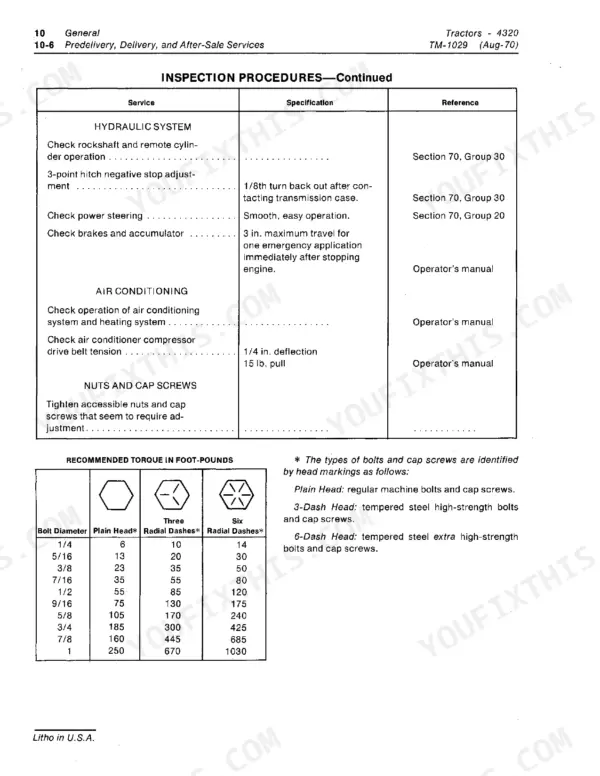
The torque specifications for John Deere 4320 engine bolts vary by component. For the cylinder head to block, the torque is 130±5 ft-lbs. Connecting rod caps to rods require 100 to 110 ft-lbs, while main bearings are torqued to 150 ft-lbs. The flywheel to crankshaft bolts should be tightened to 85 ft-lbs. p. 38
Why do hydraulics stop working on John Deere 4320?
Hydraulics may stop working due to general system problems such as improper operation, low or no oil in the system, dirty filters, external oil leaks, kinks in oil lines, or dirt/water in the system. Specifically, no hydraulic oil pressure can be caused by transmission pump failure, main hydraulic pump failure, or internal oil leaks. p. 183
How to fix John Deere 4320 overheating quickly?
The manual lists causes for engine overheating, such as a defective head gasket, incorrect engine timing, low crankcase oil level, low coolant level, dirty radiator/grille screen, loose/broken fan belt, faulty thermostat, limed-up cooling system, defective radiator pressure cap, or faulty water pump. The manual does not provide "quick fixes" but rather directs to service the malfunctioning components. p. 29
What causes brake kickback on John Deere 4320?
Brake pedal kick on the John Deere 4320 tractor can be caused by air in the brake system or brake disk warpage. Addressing these issues would involve servicing the brake system. p. 217
How to reset John Deere 4320 transmission?
The manual does not describe a "reset" procedure for the transmission. However, it provides adjustment procedures for the shifter linkage rods. To adjust, place both shifter arms in the uppermost position, then adjust the speed change shifter rod yoke and speed range shifter rod until aligned with the holes in the respective arms on the quadrant. p. 141
What do I get after purchasing this John Deere 4320 manual?
You get a 263-page searchable PDF that downloads instantly after checkout. Open it on your laptop, tablet, or phone, and bring it right to the shop floor.
Can I print pages of this John Deere 4320 manual for my own shop?
Yes. Many mechanics print the section they need for their own shop and bring it to the bench.






Reviews
There are no reviews yet.