
Part of the John Deere Repair Manuals.
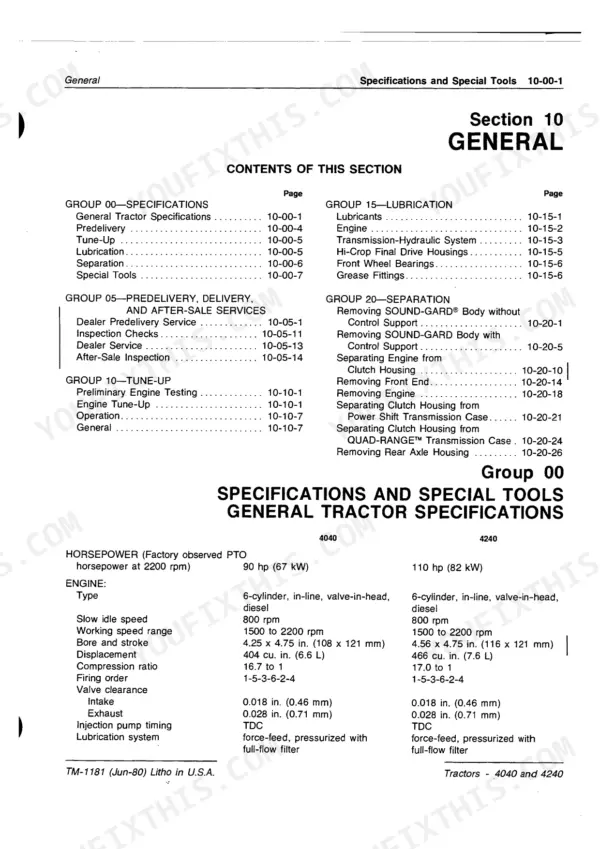
This is the complete technical manual for the John Deere 4040 and 4240 Sound-Gard tractors built from 1978 to 1982, and it is the combined book - both the repair half and the operation-and-tests half in one 1,100-page volume. That matters, because the repair sections walk you through teardown and assembly of the engine, Quad-Range and Power Shift transmissions, hydraulics, brakes and cab, while the back half gives you the theory, pressure tests, diagnosis charts and full electrical wiring diagrams you need to find the fault before you pull anything apart. Covers both models separately where they differ: the 4040 with its 404 cu. in. (6.6 L) engine at 90 PTO hp, the 4240 with the 466 cu. in. (7.6 L) at 110 PTO hp.
What's Inside This John Deere 4040-4240 Manual
| System | Pages | Key Topics |
|---|---|---|
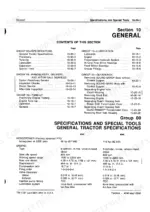
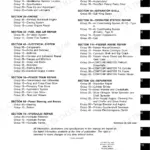
| General | 4-77 | General Specifications, Machine and Engine Specs, Capacities, Torque Values, Special Tools |
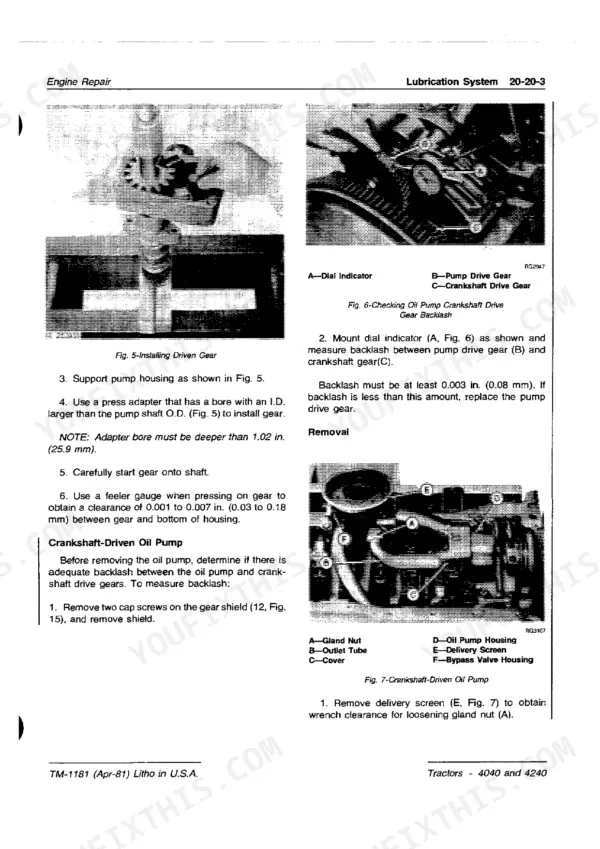
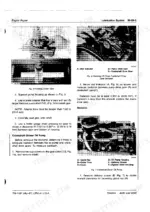
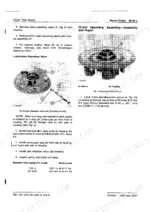
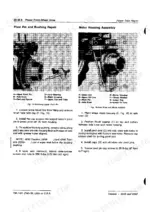
| Engine Repair | 78-139 | Engine Teardown and Assembly, Cylinder Head, Pistons, Crankshaft, Camshaft |
| Fuel and Air Repair | 140-173 | Fuel Injection Pump, Nozzles, Filters, Air Intake, Turbocharger |
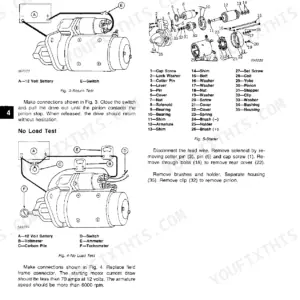
| Electrical Repair | 174-221 | Alternator, Starter, Batteries, Lighting, Gauges, Wiring Repair |
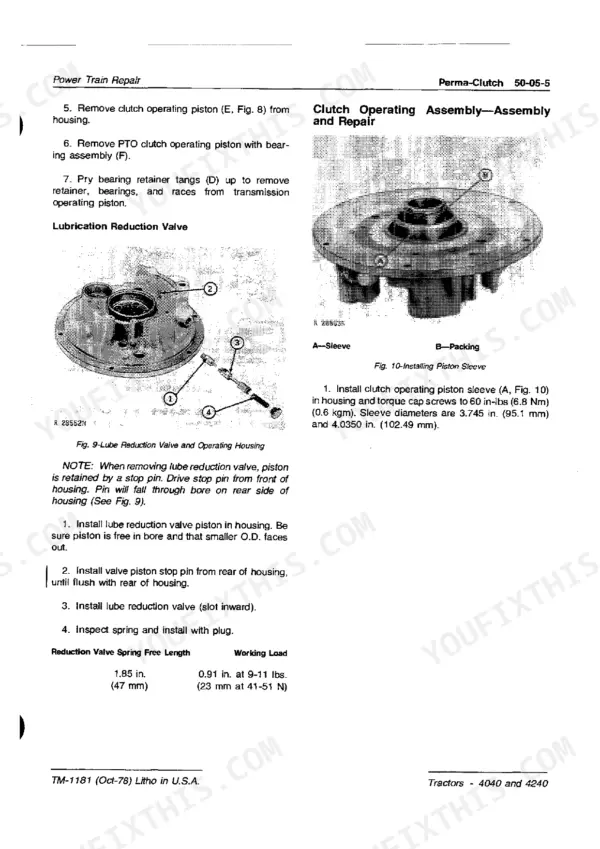
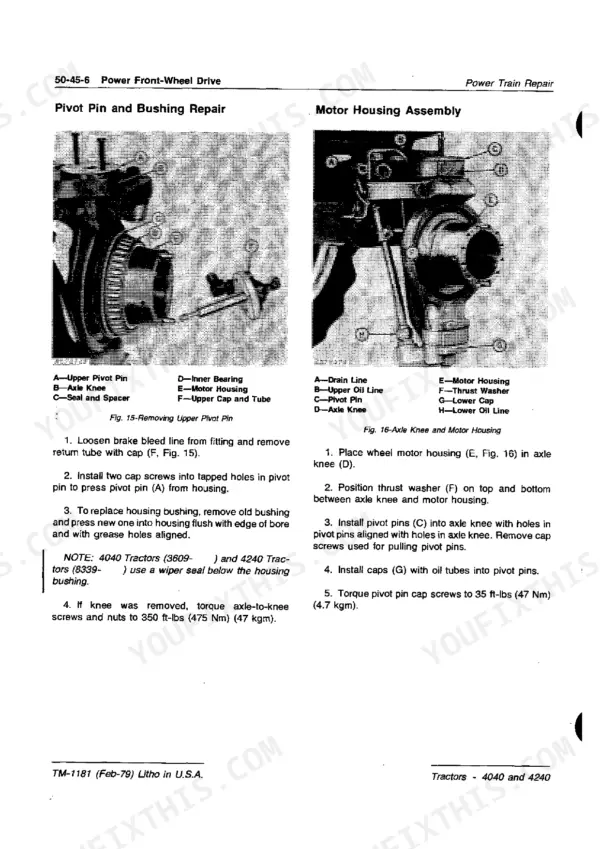
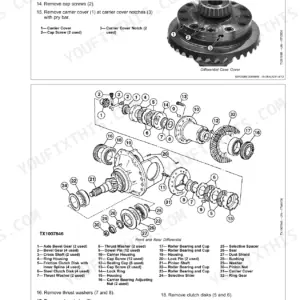
| Power Train Repair | 222-379 | Clutch, Quad-Range and Power Shift Transmission, Differential, Final Drives |
| Steering/Brakes Repair | 380-409 | Power Steering, Steering Valve, Brakes, Brake Valve |
| Hydraulic Repair | 410-491 | Hydraulic Pump, Rockshaft, Selective Control Valves, Hitch |
| Miscellaneous | 492-505 | Frame, PTO, Three-Point Hitch, Miscellaneous Components |
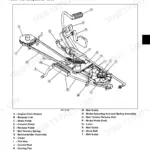
| Operator Station Repair | 506-573 | Sound-Gard Cab, Seat, HVAC, Controls, Instruments |
| Miscellaneous Options | 574-587 | Optional Equipment and Attachments |
| Engine Operation and Diagnosis | 588-627 | Engine Operation Theory, Diagnosis, Compression and Timing Tests |
| Electrical Operation and Tests | 628-801 | Electrical System Operation, Wiring Diagrams, Charging and Starting Tests, Component Tests |
| Power Train Operation and Tests | 802-923 | Transmission and Hydraulic Clutch Operation, Pressure Tests, Diagnosis |
| Hydraulic Operation and Tests | 924-1051 | Hydraulic System Operation, Pump and SCV Pressure Tests, Rockshaft Tests |
| Operator Station Operation and Tests | 1052-1108 | Cab HVAC and Electrical Operation and Tests |
Quick Reference Specifications
| Specification | Value | Page |
|---|---|---|
| 4040 | ||
| PTO horsepower, 4040 | 90 hp (67 kW) | p. 4 |
| Engine bore and stroke, 4040 | 4.25 x 4.75 in. (108 x 121 mm) | p. 4 |
| Engine displacement, 4040 | 404 cu. in. (6.6 L) | p. 4 |
| 4240 | ||
| PTO horsepower, 4240 | 110 hp (82 kW) | p. 4 |
| Engine bore and stroke, 4240 | 4.56 x 4.75 in. (116 x 121 mm) | p. 4 |
| Engine displacement, 4240 | 466 cu. in. (7.6 L) | p. 4 |
| both | ||
| Engine slow idle speed | 800 rpm | p. 4 |
| Engine working speed range | 1500 to 2200 rpm | p. 4 |
| Engine valve clearance Intake | 0.018 in. (0.46 mm) | p. 4 |
John Deere 4040-4240 Common Problems This Manual Covers
Transmission slips under load, or the tractor loses power in certain gear ranges - classic worn clutch pack behavior on high-hour Quad-Range and Power Shift units.
Start with the clutch and element pressure tests in Power Train Operation and Tests (pages 802-923) to pin down which pack is slipping, then follow the teardown, clutch pack replacement and assembly procedures in Power Train Repair (pages 222-379).
Manual Section: Power Train Repair / Power Train Operation and TestsLow hydraulic pressure - weak hitch lift, slow remotes, or SCVs that will not hold a cylinder.
Run the pump and selective control valve pressure tests in Hydraulic Operation and Tests (pages 924-1051) to separate pump wear from valve leakage or air in the system, then repair the pump, SCVs or rockshaft using Hydraulic Repair (pages 410-491).
Manual Section: Hydraulic Repair / Hydraulic Operation and TestsEngine will not start, or the key gives no response at all - usually corroded battery connections, a bad ground, or a failed starter solenoid on tractors this age.
Use the starting circuit tests in Electrical Operation and Tests (pages 628-801) with the wiring diagrams to trace voltage from the battery through the solenoid, then repair or replace the starter, cables or solenoid per Electrical Repair (pages 174-221).
Manual Section: Electrical Operation and TestsHeavy steering, slow response, or fluid weeping from power steering lines and the steering valve.
The Steering/Brakes Repair section (pages 380-409) covers the power steering system, steering valve and line connections, with disassembly and resealing procedures so you can fix leaks and restore steering effort instead of just topping up fluid every week.
Manual Section: Steering/Brakes RepairFrequently Asked Questions
My transmission is slipping and losing power - does this manual cover rebuilding the clutch packs?
Yes, and this is the number one reason people buy this book. Power Train Repair (pages 222-379) covers clutch, Quad-Range and Power Shift teardown and assembly, and Power Train Operation and Tests (pages 802-923) gives you the pressure tests and diagnosis charts to confirm which clutch pack is actually worn before you split the tractor. Do the pressure test first - it can save you from tearing into the wrong end of the transmission.
Does the manual include wiring diagrams for the 4040 and 4240?
It does. The Electrical Operation and Tests section (pages 628-801) has the full wiring diagrams plus charging, starting and component tests, and Electrical Repair (pages 174-221) covers the alternator, starter, batteries and wiring repair itself. For a no-crank or dead-key condition, the test procedures walk you from the battery terminals through the solenoid circuit so you replace the part that failed, not the three parts you guessed at.
Hydraulic pressure is low and the hitch is weak - can I diagnose that with this manual?
Yes. Hydraulic Operation and Tests (pages 924-1051) covers system operation plus pump, selective control valve and rockshaft pressure tests, so you can tell a tired pump from a leaking control valve or air in the system. Once you know what is bad, Hydraulic Repair (pages 410-491) covers the pump, rockshaft, SCVs and hitch step by step.
Are torque specs included, like for head bolts?
Yes. The General section (pages 4-77) lists specifications, capacities, torque values and special tools, and the Engine Repair section (pages 78-139) gives the torque and sequence in the cylinder head, piston and crankshaft procedures where you actually use them. Same layout applies to clutch and power train fasteners in their own sections. Note the 4040 and 4240 engines differ (404 vs 466 cu. in.), so use the pages for your model.
Does this manual have error codes for the hydraulics or engine?
No, and neither does the tractor. These are mechanical-era machines with a mechanical injection pump and no electronic control unit, so there are no fault codes to read or warning lights to reset. Diagnosis is done the proper old way: symptom charts, compression and timing tests in the engine diagnosis section, and gauge-based pressure tests for the hydraulics and power train. The manual gives you all of those procedures.








Reviews
There are no reviews yet.